Exhale Organic Coffee (High in Antioxidants)
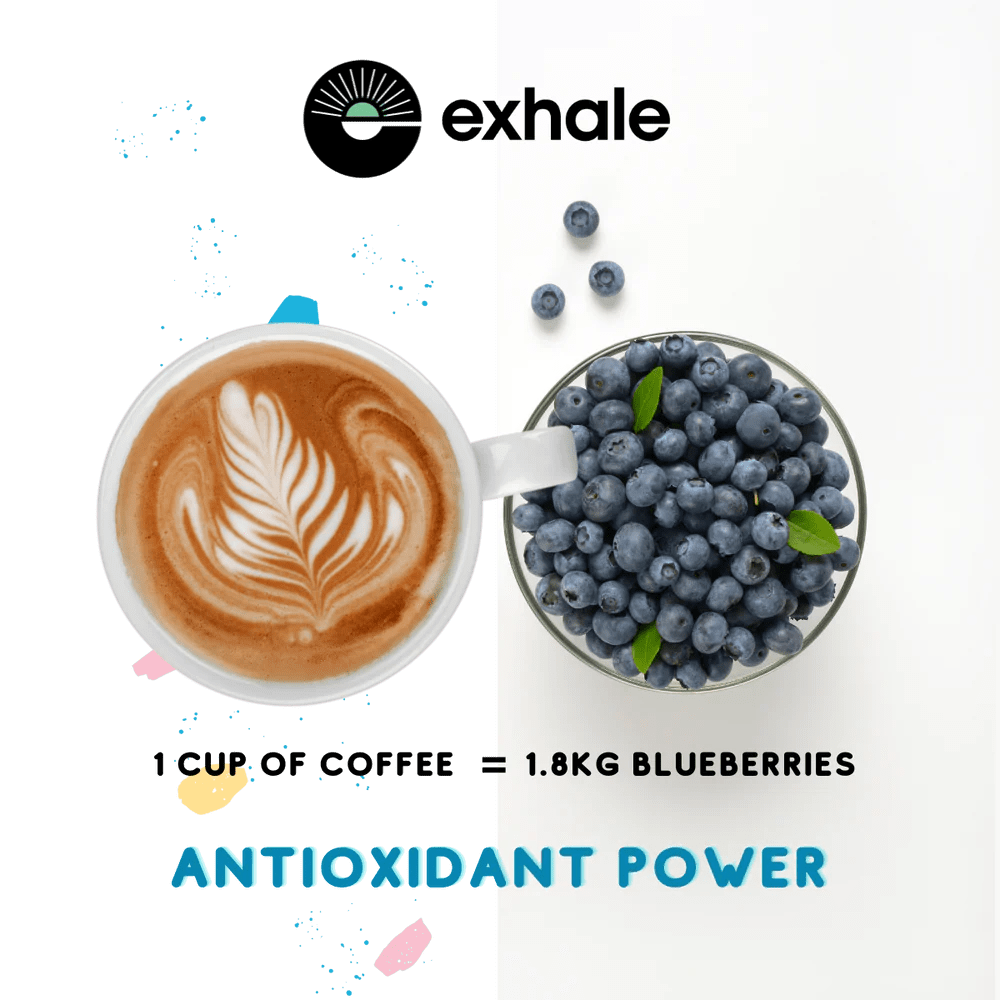
Exhale is an organic coffee brand that is naturally high in antioxidants. It is real ground coffee, so you will need a coffee machine, cafetière (French press), filter coffee maker, or another brewing method to prepare it.
The company sources certified organic, speciality-grade Arabica beans from farms that use sustainable growing methods. The coffee is roasted in small batches in London to help preserve flavour and naturally occurring plant compounds called polyphenols, which act as antioxidants.
Caffeine and pregnancy
The NHS advises limiting caffeine during pregnancy and while breastfeeding. Tea, coffee, cola and energy drinks all contain caffeine. If you choose to drink caffeine, only one cup of either each day, know that many café coffees contain more caffeine than instant coffee. Or none to be safe.
Disposal of Coffee Grounds
Avoid washing used coffee grounds down the sink, as they can contribute to blocked drains. A sink strainer, such as a SinkShield, can help catch any stray grounds before they enter the plumbing.
Although coffee grounds are often promoted as compostable, they should be binned or placed in food waste bins. Due to caffeine that could harm compost creatures (same with tea leaves).
The same for acidic food scraps (peppers, citrus, rhubarb, tomato and allium scraps – onions, garlic, leeks, shallots and chives).
What makes Exhale different?
According to the company, every coffee is selected and tested to ensure it is:
- Certified organic.
- Naturally high in polyphenols and antioxidants.
- Rich in naturally occurring vitamin B3 (niacin).
- Freshly roasted in small batches.
Organic Decaffeinated Coffee
The decaffeinated coffee is made using the Mountain Water Process, a chemical-free method that removes caffeine using pure water rather than chemical solvents. This process helps retain much of the coffee’s original flavour while producing a naturally decaffeinated coffee. The beans are sourced from Mexico before being roasted in London.
For anyone reducing their caffeine intake during pregnancy, breastfeeding or for personal preference, this can be a good alternative. However, even decaffeinated coffee contains a small amount of caffeine.
Health Benefits
Coffee is naturally one of the richest dietary sources of antioxidants for many adults. Drinking moderate amounts of coffee has been associated with several health benefits, including supporting brain function and reducing the risk of some long-term diseases. Exhale’s aim is to maximise these naturally occurring compounds rather than changing the coffee itself.
It is worth noting that many high-quality speciality and organic coffees are also naturally rich in antioxidants and polyphenols. While Exhale’s testing and sourcing may provide additional reassurance about quality and purity, experts generally agree that these health-promoting compounds are found in coffee more broadly and are not unique to one brand.
Brewing
Exhale is real ground coffee or whole beans, not instant coffee. It can be prepared using:
- A cafetière (French press)
- Espresso machine
- Filter coffee maker
- Pour-over dripper
- Moka pot
- Bean-to-cup coffee machine (whole beans)
The company also recommends choosing the correct grind size for your brewing method to achieve the best flavour.