Forest of Dean (one of England’s ancient woodlands)
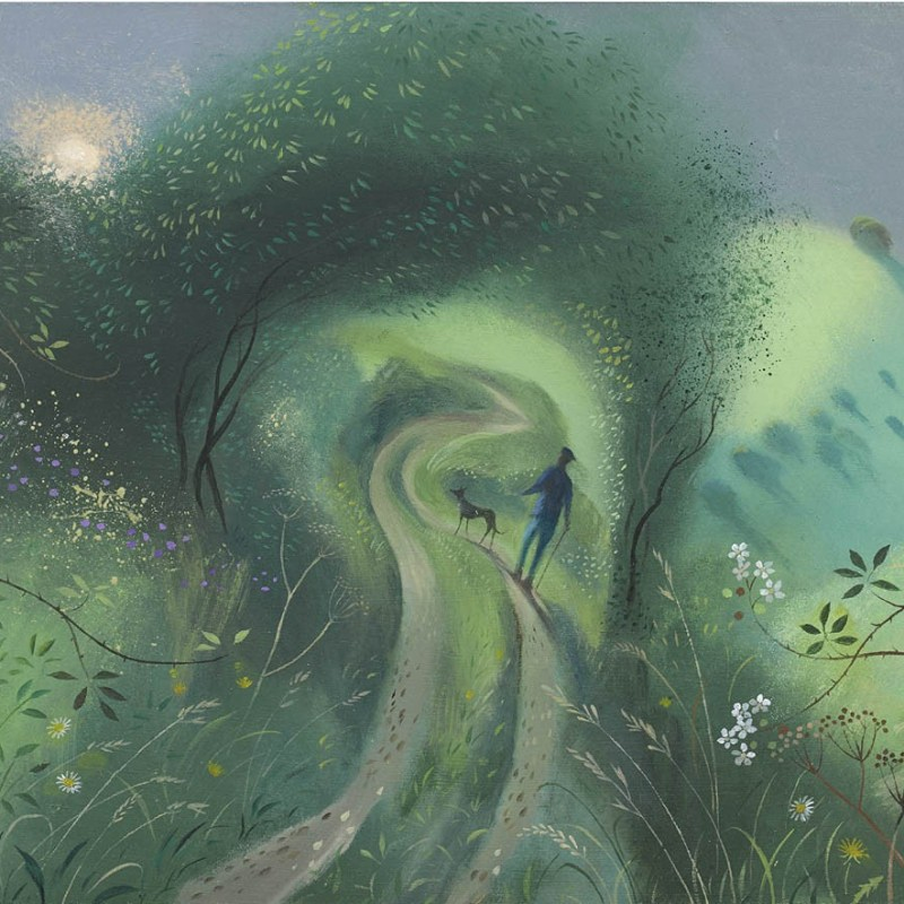
The Forest of Dean sits on the border of Gloucestershire and Monmouthshire and stretches across more than 42 square miles. This ancient woodland is packed with ancient trees (oak, beech and pine) with birds calling above, shy fallow deer grazing at the edge, and woodpeckers and foxes calling this place home.
Out walking? Follow the Countryside Code to keep all creatures safe. Keep dogs away from steep banks, mushrooms (and other toxic plants/trees) and on leads during nesting season (and near barnyard friends and wild ponies).
Far from bright city lights, the Forest of Dean offers dark skies perfect for stargazing. Listen for owls, spot bats darting overhead, and feel the calm of a place where time seems to slow down. . The surrounding Wye Valley area also has more castles per square mile than anywhere in England.
Leave wild boar alone
This forest is home to a population of wild boar, of around up to 1000. These ancestors of domestic pigs are not naturally aggressive, but will attack if bothered, and can cause injury as they are very powerful (and have sharp tusks).
If walking nearby, keep dogs on a lead near wild boar. And if you see them, walk away slowly and avoid dense undergrowth (and never feed them). They feed themselves, digging for roots and tubers up to 10 inches underground, using their good sense of smell.
Why Forest of Dean is special for wildlife?
Today, the Forest of Dean feels rich because its habitats vary so much. There are dense stands of old trees, open glades, streams, steep-sided valleys, and quieter corners where the light shifts by the hour. That patchwork supports wildlife and also makes the forest rewarding to explore on foot or by bike.
Old woodland has a certain texture. In the Forest of Dean, you see it in thick trunks, rough bark, fallen wood, and shaded paths that seem to hold their own weather. Ancient oak and beech give the place much of its depth, and they support insects, fungi, and birds that need long-settled habitat.
Three odd plants in the Forest of Dean
- Death Cap Mushroom – this is lethal to people and pets, so stay well away. It’s responsible for 90% of all mushroom fatalities on earth. It however looks like a normal innocent mushroom, which is why it’s so dangerous. If a person or pet goes anyway near it, it’s a medical emergency.
- Jelly Ear (this is a fungi that grows on elder trees, and looks like a human ear!
- Stinkhorn Fungus (this smells like rotting flesh, to attract flies).