Let’s Meet England’s Delightful Duck Friends!
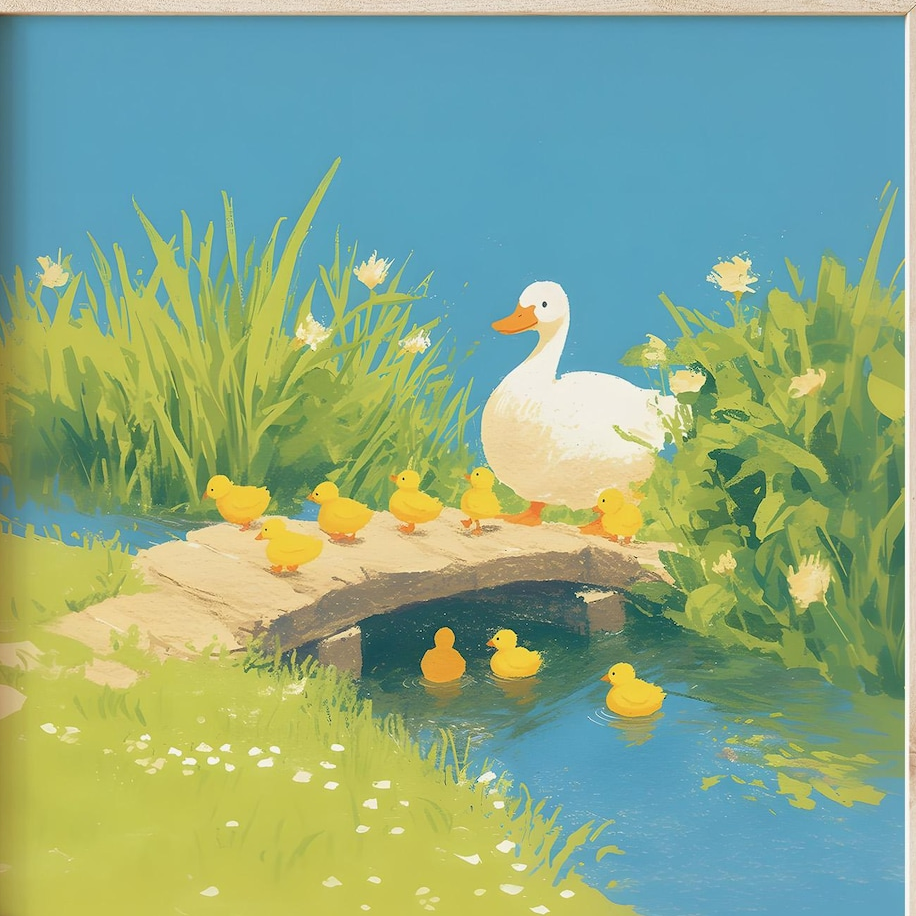
There are many species of ducks in England, and all of them are utterly delightful. Their comical quacks and waddling walks endear them to everyone, so let’s see how we can make their lives happier!
Ducks often swoop down to nab snails or worms, while some even chase small fish. This diet supplement is particularly vital during breeding seasons when energy needs spike. Come autumn and winter, many focus on seeds and grains, fattening up for migration or surviving the cold months.
Ducks and geese often graze, foraging on land and cropping grass, like mini lawnmowers. This method enables them to take advantage of terrestrial ecosystems when aquatic resources are scarce.
Keep Ponds and Rivers Clean

Never drop litter or pollute local rivers and ponds, as plastic bags, fishing line and discarded rubbish can choke or entangled ducks, as can lead shot (there is only a voluntary ban at present).
Get involved in local litter clean-up campaigns, to clear rubbish that affects duck habitats. Anglers can use Monomaster to safely store tackle until they find fishing line recycling bins.
Protect Nests and Nesting Areas
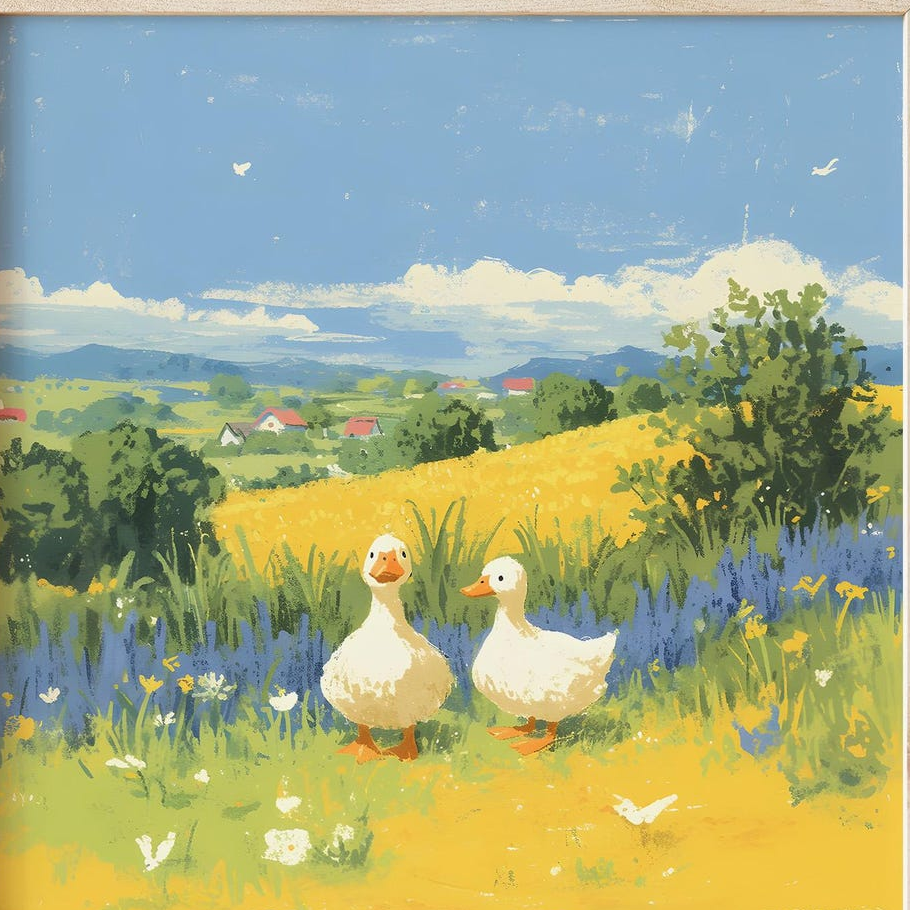
Ducks need quiet, sheltered spaces along the water to build nests and raise goslings. So on walks, keep you and dogs away from nesting sites, and stick to marked paths.
Also stick to slow speeds on boats, and remind children not to chase or shout at ducks.
Councils can help by planting reeds and grasses along riverbanks, to provide nesting sites and also this stops bank erosion and helps filter run-off before it reaches the water.
Don’t Eat Duck Meat
This is a no-brainer. If you like Chinese food, try this recipe for crispy duck pancakes (keep away from pets, as it’s not real meat) or buy mock duck (braised seitan in gravy) in health stores.
Also boycott foie gras. This when geese (and ducks) are force-fed until their pates turn to liver. It’s banned in the UK to produce, but still sold in some shops, hotels and restaurants.
Look After Duck Rescue Charities

Support Sally’s Ducks, one of England’s duck rescue charities, which takes in elderly or disabled ducks needing a safe home.
One tip to humanely deter foxes from eating ducks, is to get the male member of the household to urinate in the garden, apparently it’s a good deterrent!
Is It Okay to Feed Swans, Ducks and Geese?
These creatures naturally live on grass, insects and molluscs. They should in theory be able to find their own food easily, under the water.
If you do choose to feed extra food, Swan Sanctuary says to only feed (occasional torn) lettuce, spinach or fresh (torn) bread is best (throw it on the water, as ducks have no teeth). This also discourages wildfowl from coming onto dry land, where they can be at risk from dogs and traffic.
Never feed mouldy/stale/crusty bread nor buttered bread (this smears on feathers, affecting waterproofing/insulation).
Never feed ducks on nests, as it upsets brooding and encourages vermin. The Swan Food Project has good tips on what to (and what not to) feed wildfowl.
How to Help Injured or Orphaned Ducks
Ducks sometimes get caught in fishing lines, swallow hooks or suffer from dog attacks. If you see a duckin trouble, call a local wildlife rescue or the RSPCA. Quick action often means the difference between life and death.
It’s illegal to harm ducks (or disturb nests). Report to wildlife crime unit (can be anonymous).
Why and Where Ducks Migrate

Each year, thousands of ducks embark on long journeys. Many species need specific habitats to reproduce, often found in more temperate regions during warmer months.
Each has unique migratory behaviours. For instance, the Teal migrates in small flocks, favouring wetlands as stopover sites. The Wigeon, known for its distinctive whistle, travels in larger groups and is often spotted in estuaries.