Help endangered hedgehogs (protect the prickly ones!)
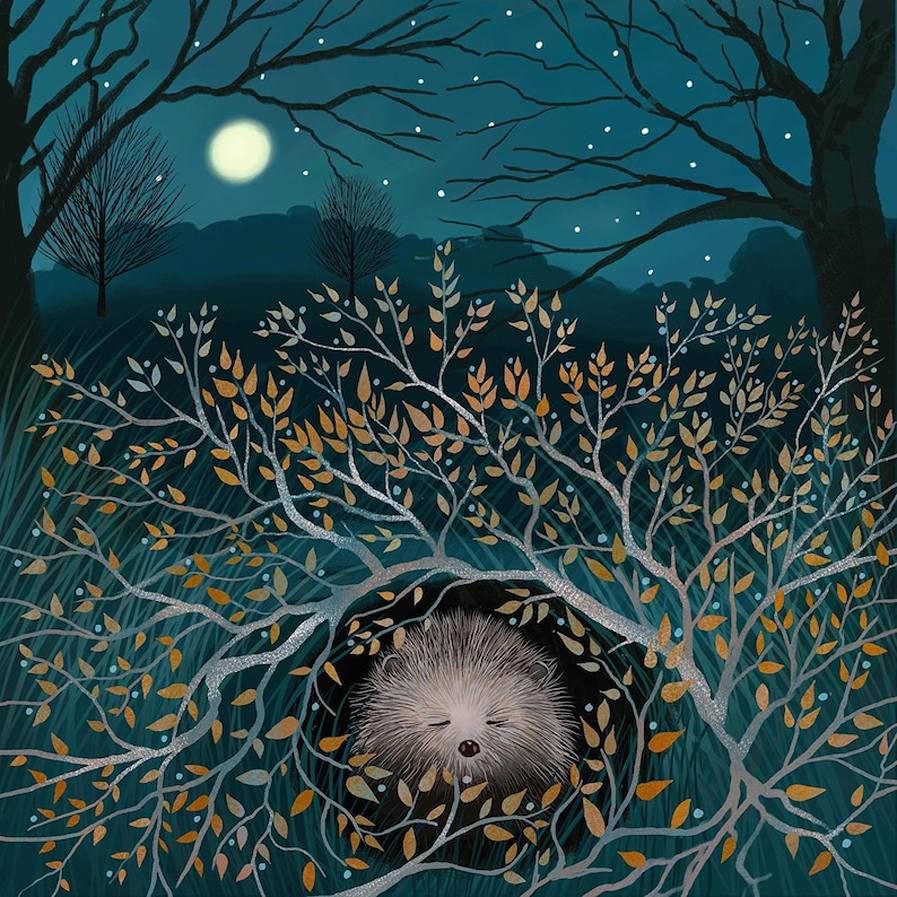
Hedgehogs are one of England’s three hibernating mammals (the others are dormice and bats). Yet due to lack of natural habitats, they are now endangered. So let’s see how to help our prickly little friends!
Hedgehogs have been around for eons, and their natural homes are hedges – the clue’s in the name! But modern urban building and farming has led to lack of natural wildlife corridors. Hedgehogs roam up to 2 miles each night to find food and shelter, and mate.
Male hedgehogs mostly disappear after mating and are never seen again – sounds like some men!
Lack of natural corridors (and gardens with no means of exit) mean that many hedgehogs end up in urban areas and on busy roads.
The good news is that a few simple changes in both personal habits and town planning, can help hedgehogs thrive forever!
Plant more wild hedges
This is more for town planners and farmers. Hedges are the natural homes for hedgehogs. If planting near pets or horses, know that holly, ivy and yew are toxic to pets, horses and livestock.
Prevent litter
Hedgehogs are inquisitive little beings, and will always investigate something new. So never drop litter, and pick up (and put in a secure bin) anything you see (cut up beer can holders and rubber bands – often littered by Royal Mail – birds often think these are worms, and feed them to chicks).
Remove (and rinse) cans (or pop ring-pulls back over holes) before recycling. Step on top part to squash rims together, to deter inquisitive wildlife.
Other things to avoid littering are bin bags, plant pots, barbed wire.
Open drains are another hazard. Use drain covers. If a hedgehog falls into one, Tiggywinkles Wildlife Hospital says to carefully lift it out using two pairs of pliers to gently grip the spines. Then take a wildlife rescue centre (or vet) to check for injuries or chemical burns.
Avoid bonfires (or at least check first)
Hedgehogs often find bonfire piles to sleep in, especially for hibernation. Ideally don’t have them (there are laws but they are not yet completely banned). If you do have one:
- Build the pile just before lighting it.
- Move the pile shortly before lighting (a metre or two away, to give snoozing hogs chance to escape).
- Before lighting, use a broom handle to gently move the pile and shine a torch inside.
- If you find a hog, wear gloves (fleas do not transfer to other creatures but spikes could tickle) and move to a nearby sheltered spot.
- Once sure there are no creatures inside, light from one side only. So anything missed has chance to escape.
Making gardens hedgehog-friendly
Dogs are natural predators of hedgehogs. So if you live with canine friends, it’s best to help in other ways, like campaigning for natural habitats and volunteering for litter clean-ups.
As well as choosing organic, no-dig gardening, also leave some ‘messy areas’ like leaf and log piles. And untidy corners for hedgehogs to hide and hibernate. Keep dogs away, as leaf mould is toxic.
Don’t pour garden chemicals down drains. Take them to hazardous waste (empty containers can be recycled).
- Don’t use slug pellets, as they harm many other creatures. Use non-toxic humane slug/snail deterrents. Never let dogs eat slugs or snails, as they can carry lungworm.
- Ensure garden ponds have sloping sides so creatures can climb out.
- Choose garden shears (not strimmers, which harm hidden wildlife). If you use strimmers, check grass with a broom handle first. And avoid robotic mowers, which don’t give slow-moving creatures chance to escape.
- Use fruit tree protectors (remove during flowering for pollinators). Most netting has holes way larger than recommended by wildlife rescues. Same with citrus/onion bags (snip into strips, before secure disposal). Store away football nets and rotary washing lines, when not in use.
- Choose nontoxic wood stain for painting fences, sheds or garden furniture (Creosote is now banned for domestic use).
Create hedgehog highways in gardens

Due to lack of natural habitats, hedgehogs now often live in gardens. But they travel up to 2 miles each night to feed and breed. But if they end up in a garden without an exit, it’s like hitting a brick wall.
So campaigners ask us to make ‘hedgehog highways’. These are small holes in fences (around 13cm by 13cm – the size of a CD). This enables hedgehogs to travel from garden to garden during the night.
If you live with ‘small animals’ that could escape, then just cover the hole up during the day (hedgehogs are nocturnal, so would only use them at night).
The Hedgehog Highway is built by experts (made from recycled plastic) and easy to install. And profits help hedgehog charities.
British Hedgehog Preservation Society also sells its own budget-friendly highway (these can be bought in bulk for larger areas).
Experts say that if you find a hedgehog in an enclosed garden (but can’t make a highway), it’s best to gently carry it (when it’s awake) to a nearby safe quiet spot like a hedgerow or green space. Not far away (hogs have established territories and nesting sites).
Don’t disturb hibernating hedgehogs
Hedgehogs hibernate from around November to March. They often sleep in log and leaf piles or in compost heaps, so don’t dig or fork these areas. If removing a shed or outbuilding, check carefully for hedgehogs (lift floors gently, do not disturb nests and wait until young hogs have left home).
Hoglets usually stay with their mother for at least eight weeks after birth, from spring into summer. Postpone work for at least a month, until you are sure hogs have left.
Do hedgehogs need ‘built homes?
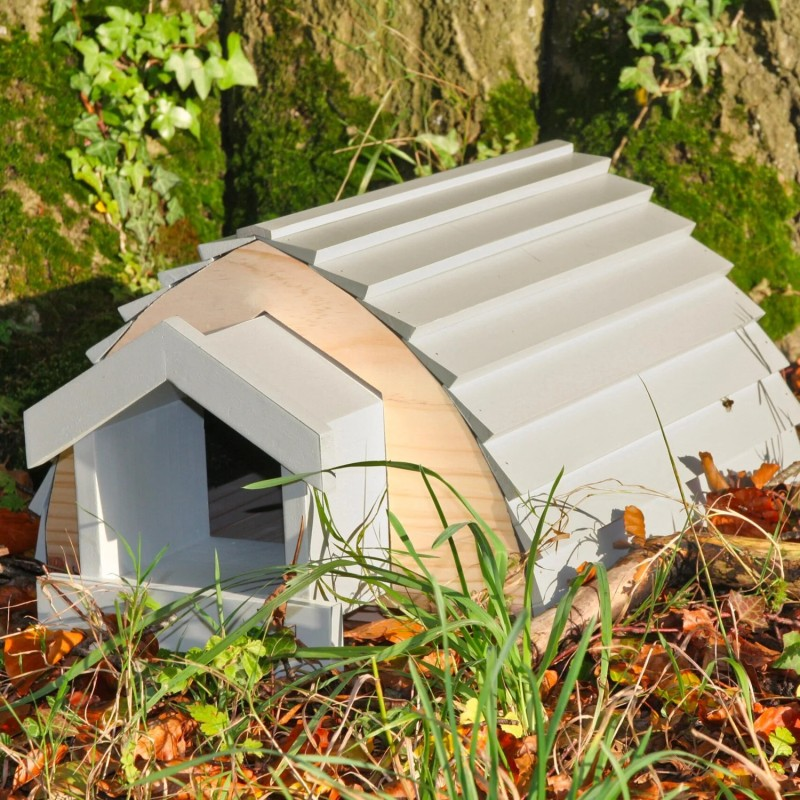
If hedgehogs have good natural habitats, likely not. But if you don’t have any local hedges or messy garden areas, sometimes a built hedgehog home can help. Choose ones made from FSC-certified wood and non-toxic materials (no plastic, tin or toxic paints). In safe weatherproof designs.
Site away from predators, and cover with 1 to 2 feet of dry leaves, twigs or dust-extracted barley straw for warmth and protection. Ensure it’s protected from wind and rain, and easy to clean when empty.
For rescuers, choose wooden hedgehog homes (where roofs can be opened for checking – not ones with open bottoms).
Hedgehog Barn has an extending porch to prevent access by predators. The rear patch makes it easy to clean.
Hedgehog Nest box has a tunnel access for tubby hedgehogs! The raised step means it can be partly buried, and the nesting area is away from the tunnel. The lower roof enables hedgehogs to build a snug nest. There is also built-in ventilation (without draughts) and removable roof for easy cleaning.
If you accidentally uncover a nesting hedgehog, replace the bedding and leave it alone. To check whether a house is being used, place a small stick across the entrance. If it has been moved, a hedgehog may be inside.
To clean an empty hedgehog house:
- Remove old bedding
- Wash with boiling water
- Leave it to dry fully
Never use dog/cat flea treatments on hedgehogs or inside their houses.
Keeping hedgehogs safer near roads
When driving:
- Follow speed limits.
- Be extra careful at dawn and dusk.
- Watch for animals at night.
- Place litter in a car rubbish bag.
Keep your:
- Lights working properly
- Brakes maintained
- Windscreen clean
Councils can install wildlife crossings. And wildlife reflectors that fit along verges and send headlights sideways into undergrowth. Cheap and easy to fit, these can scare wildlife back from the roadside.
Help injured/orphaned hedgehogs
Like all wildlife, watch from afar at first, as most times parents are nearby. But if you see a hedgehog during the day, it likely needs help, as they are only active at night. To help:
- Wear gardening gloves.
- Place the hedgehog in a high-sided ventilated box.
- Add a towel without loose threads.
- Keep it warm. If using a hot water bottle, wrap it in a towel.
- Do not give hedgehogs bread or milk, these can make them ill.
- Follow first aid advice
Contact British Hedgehog Conservation Charity (01584 890801) for advice. They can direct you to wildlife rescuers (or vets at no charge to you).
Support British Hedgehog Conservation Society
British Hedgehog Conservation Society is our national charity to help all things hog! Their experts can provide advice and education, and tips (and local rescuers) in emergencies. Let’s help them!
- Buy envelope reuse stickers (saves trees and funds help hogs).
- Sign up as your cause at easyfundraising. Any time you shop at one of over 4000 stores (including Amazon, Argos and Booking.com), it receives a donation, at no cost to you.
- Also support local hedgehog rescues.
Buy organic clothing to help hedgehogs!

An easy way to support them is to buy organic casual clothing, when it’s time to replace your t-shirts , shorts and sweatshirts. Available for men, women and children, everything is made from organic cotton, made with green energy and sent in zero waste packaging.
This cute design was created by a 7-year old hedgehog fan!

You can also buy ceramic tea/coffee mugs and grocery totes.
Hedgehog books to enjoy
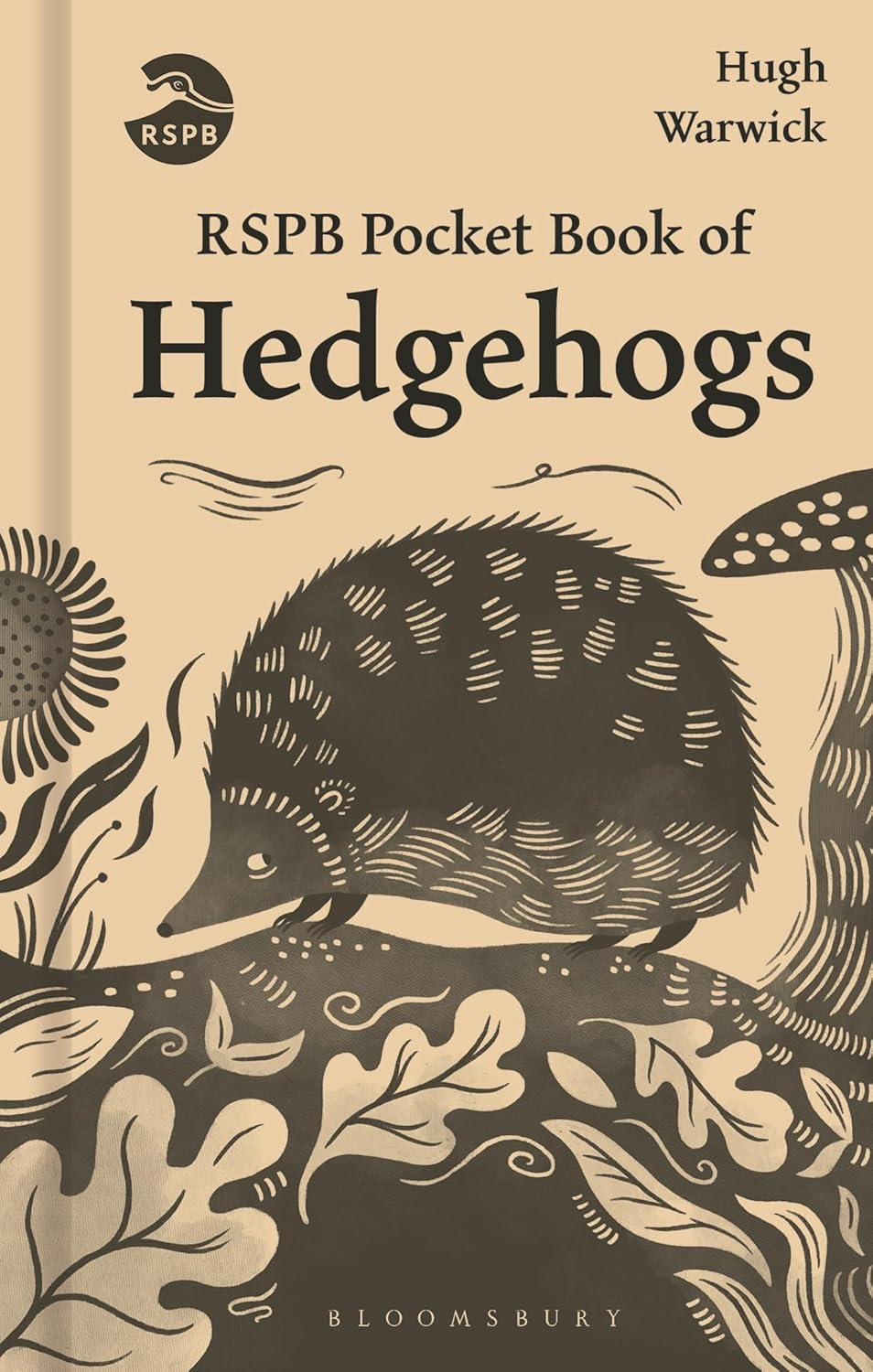
RSPB Pocket Guide of Hedgehogs is a charming gift book with delightful line illustrations, to learn everything about our prickly friends. The author is an an expert on hedgehog biology and conservation.
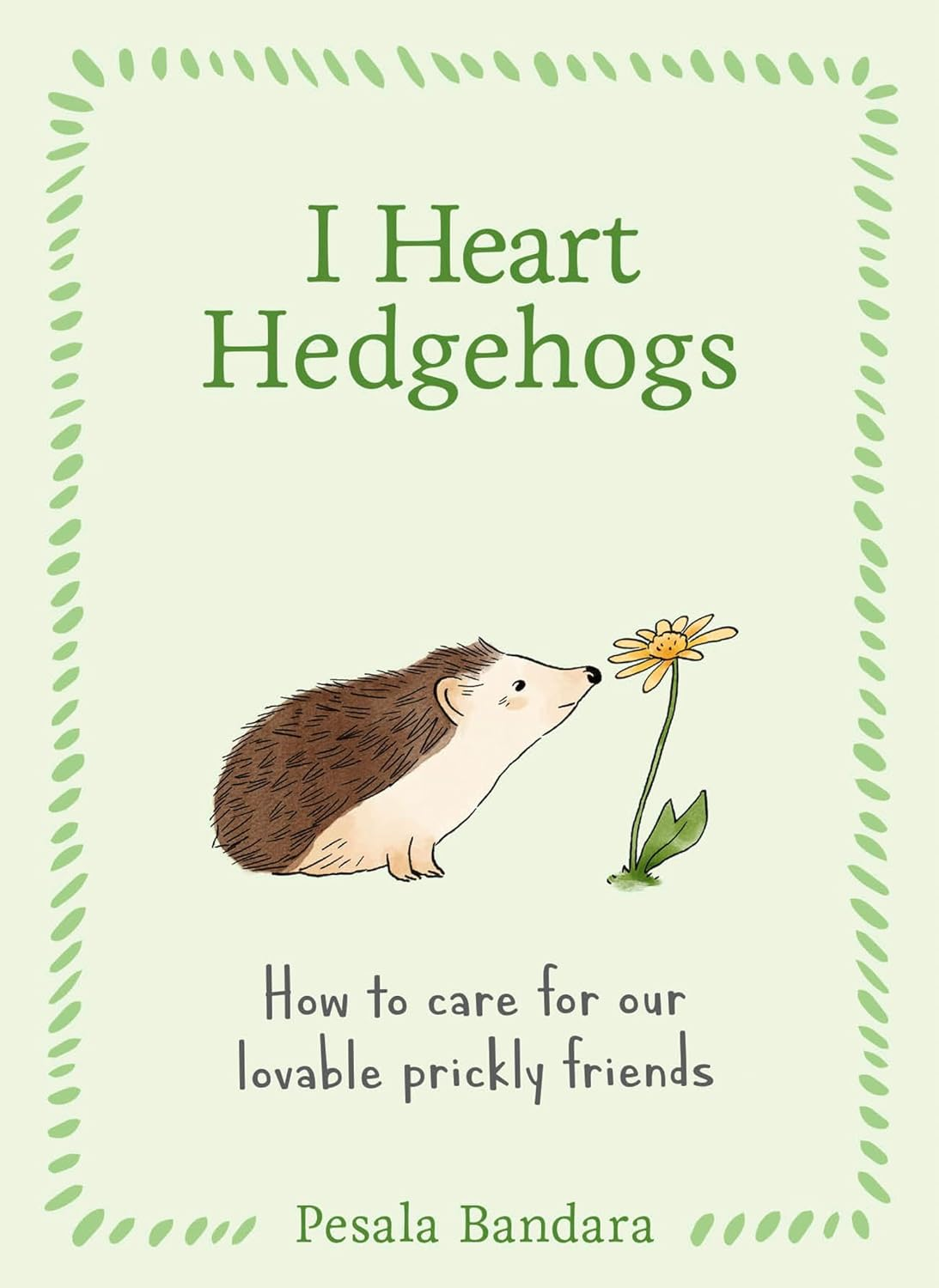
- I Heart Hedgehogs is a delightful gift book, with simple paragraph tips to help hogs, from log piles to leaf litter to building hedgehog highways.
- The Hedgehog Handbook is a guide for anyone with a penchant for prickles! The author explores hedgehog eating and sleeping habits, and how to preserve this icon of rural life.
- A Handful of Happiness is the story of a depressed vet, who begins a friendship with an orphaned hoglet that he’s asked to foster. And inspired by Ninna’s will to live (after releasing her to the wild after her first hibernation), he sets up a wildlife sanctuary!