Let’s Meet England’s (very graceful) Swans
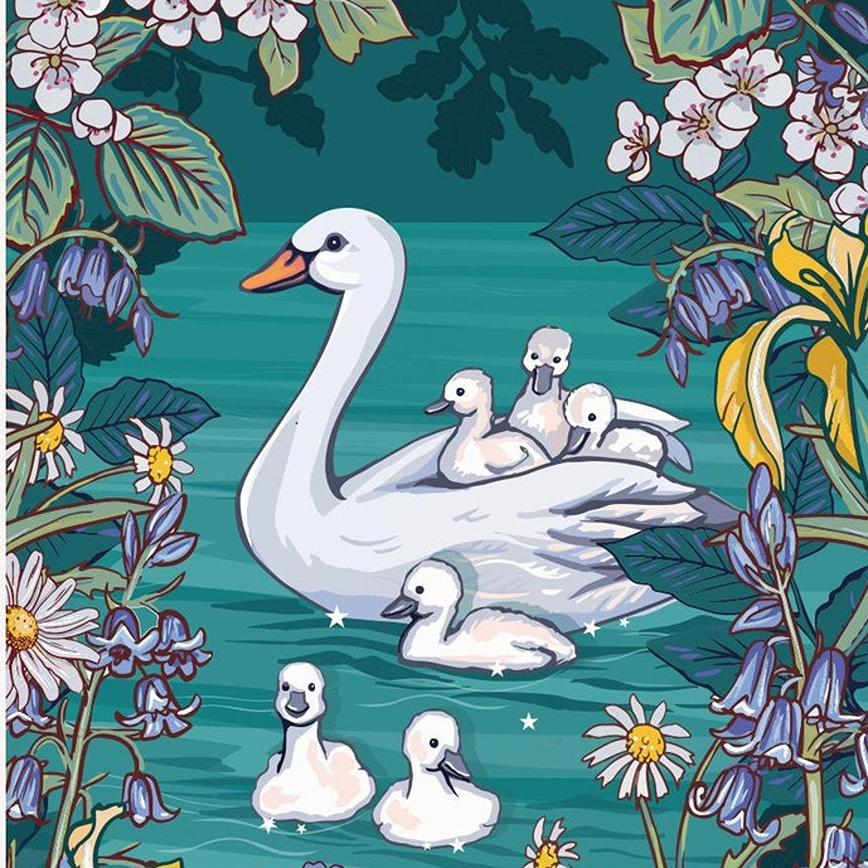
Swans are England’s most graceful birds, who glide across ponds and rivers. Some are owned by the King, but not all of them, but all face threats from pollution, pond litter and lack of safe nesting sites.
I’ve developed into quite a swan. I’m one of those people that will probably look better and better as I get older, until I drop dead of beauty. Rufus Wainwright
In England, the three main types of swans you will see are:
- Mute swans (the most common) are less vocal, and easily recognised by their orange bills.
- Whooper swans migrate to England in winter. They are larger with yellow/black bills, and known for their loud calls.
- Bewick’s Swans are smaller, also with yellow/black bills. They also travel long distances to spend winter in England.
Keep Ponds and Rivers Clean

Never drop litter or pollute local rivers and ponds, as plastic bags, fishing line and discarded rubbish can choke or entangled swans, as can lead shot (there is only a voluntary ban at present).
Get involved in local litter clean-up campaigns, to clear rubbish that affects swan habitats. Anglers can use Monomaster to safely store tackle until they find fishing line recycling bins.
Protect Nests and Nesting Areas
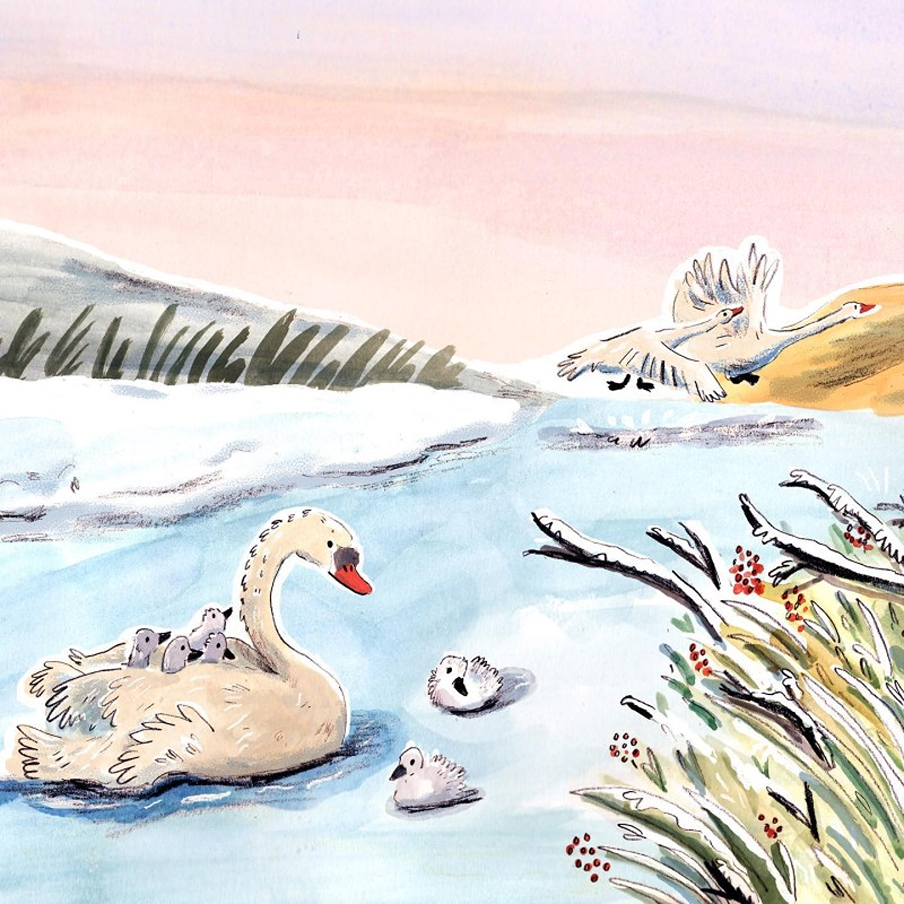
Swans need quiet, sheltered spaces along the water to build nests and raise cygnets. So on walks, keep you and dogs away from nesting sites, and stick to marked paths.
Also stick to slow speeds on boats, and remind children not to chase or shout at swans.
Councils can help by planting reeds and grasses along riverbanks, to provide nesting sites and also this stops bank erosion and helps filter run-off before it reaches the water.
Ask Councils to Install Bird Diverters
Swans fly well but need a long run to take off, due to body weight. So they often fly into pylons or busy roundabouts. Experts say councils could install bird diverters (these can also help prevent owls and bats from being injured or electrocuted).
Is It Okay to Feed Swans, Ducks and Geese?
Swans naturally live on grass, insects and molluscs. They should in theory be able to find their own food easily, under the water.
If you do choose to feed extra food, Swan Sanctuary says to only feed (occasional torn) lettuce, spinach or fresh (torn) bread is best (throw it on the water, as swans have no teeth). This also discourages swans from coming onto dry land, where they can be at risk from dogs and traffic.
Never feed mouldy/stale/crusty bread nor buttered bread (this smears on feathers, affecting waterproofing/insulation).
Never feed swans on nests, as it upsets brooding and encourages vermin. The Swan Food Project has good tips on what to (and what not to) feed swans.
How to Help Injured or Orphaned Swans

If you see a swan that needs help, contact one of these organisations (don’t worry too much if swans fold one leg into their back – it’s like us crossing our legs).
- Swan Sanctuary (Eton)
- Swan Lifeline
It’s illegal to harm swans (or disturb nests). Report to wildlife crime unit (can be anonymous).
Swans sometimes get caught in fishing lines, swallow hooks or suffer from dog attacks. If you see a swan in trouble, call a local wildlife rescue or the RSPCA. Quick action often means the difference between life and death.
Keep rescue numbers handy if you visit water often, and never try to handle an injured swan yourself. These birds are strong and can be frightened easily; experts know how to help safely.
The Eton sanctuary sits on a River Thames island, with 10 outdoor pens to house up to 180 swans needing help, with each one containing a pond, for a constant flow of river water.
The intensive care unit has 10 heated indoor pens for poorly swans, and a treatment room with various medical supplies, including a specialist ‘swan bath’ for swans covered in oil.
An easy way to raise funds is to sign up with easyfundraising (nominate Swan Lifeline, then anytime you buy things with shops or services, it donates a portion of profits, at no cost to you). You can if preferred donate anonymously, set up a giving account at Charities Aid Foundation.
Books to Learn More About Swans

Swan: Portrait of a Majestic Bird is the celebration of our mute swans, by a wildlife writer who has studied mute swans for over 30 years since boyhood and (as a pilot who shares their skies) speaks up for the mute, answering questions about nature and future.
The Swan: A Biography is by nature writer Stephen Moss. With beautiful illustrations, swans are the ‘avian equivalent of Sir David Attenborough’. Swans have been part of England’s scenery for hundreds of years. Thankfully swans are highly protected under the Wildlife and Countryside Act.