Help Save England’s Endangered Prickly Hedgehogs
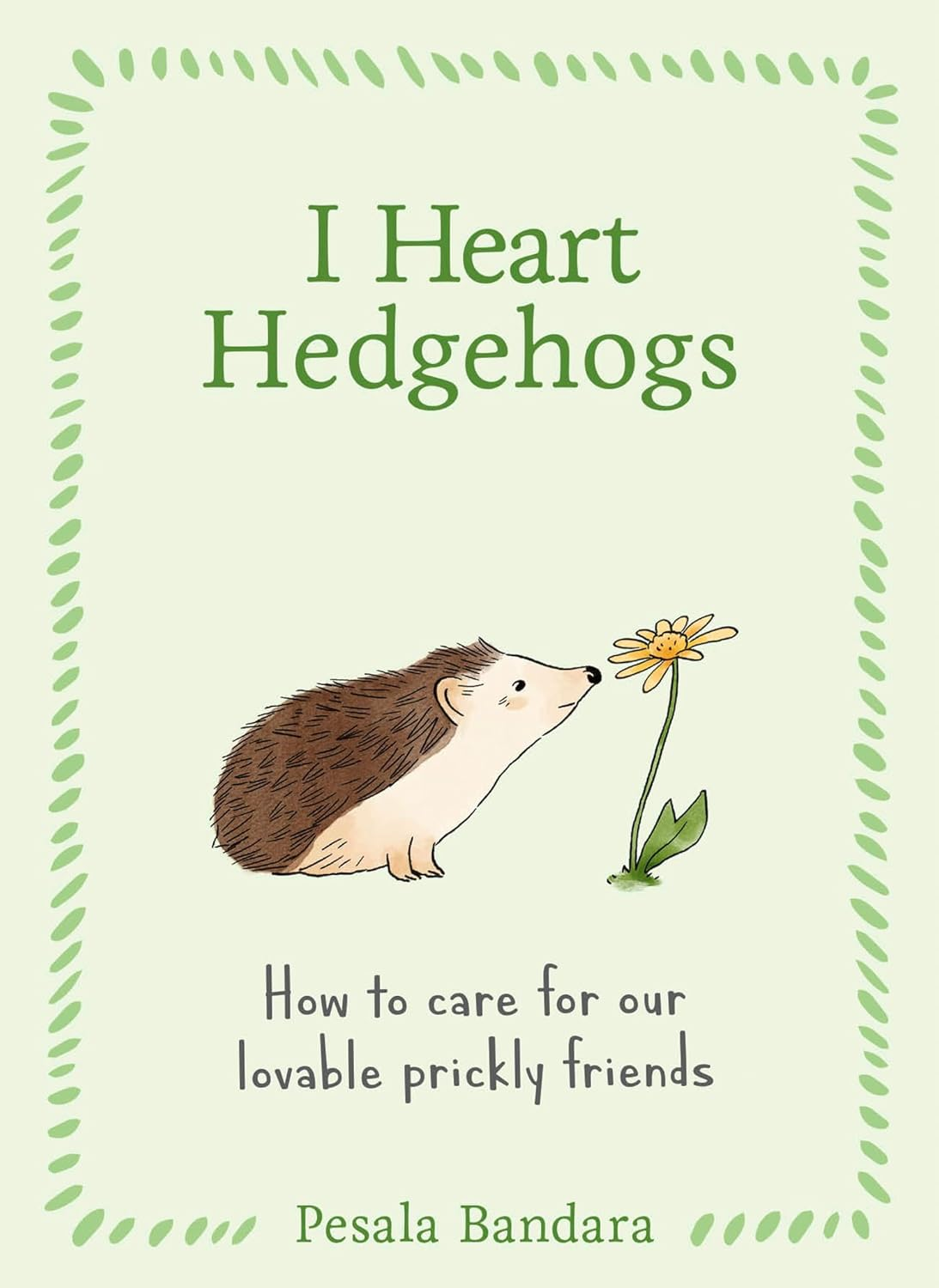
Hedgehogs are one of England’s favourite mammals. These prehistoric spiky creatures have charmed people for generations, yet their numbers are falling fast. And of course as one of England’s three hibernating mammals (along with dormice and bats), they need to find safe places for a winter sleep.
Dogs (like badgers) are natural predators of hedgehogs, so don’t encourage them to go near our spiky friends.
British Hedgehog Preservation Society is our national charity of experts, where you can find information to share, a phone helpline and leaflets for gardeners and farmers.
It has local branch volunteers nationwide who can give advice and practical help. The website provides lots of advice and education.
An easy way to support this wonderful organisation is to buy their envelope reuse stickers, which help to save trees by reusing envelopes. And promotes their charity at the same time, while helping to raise funds through purchase.
Another way to help is to sign up to easyfundraising, and nominate it as your chosen charity. Then anytime you shop with registered companies (shops to services), they give a portion of your sale to help hedgehogs, at no cost to you.
Support hedgehog rescue charities. Join the Big Hedgehog Map Survey and sign up to the National Monitoring Programme.
Simple Tips to Help Beloved Hedgehogs
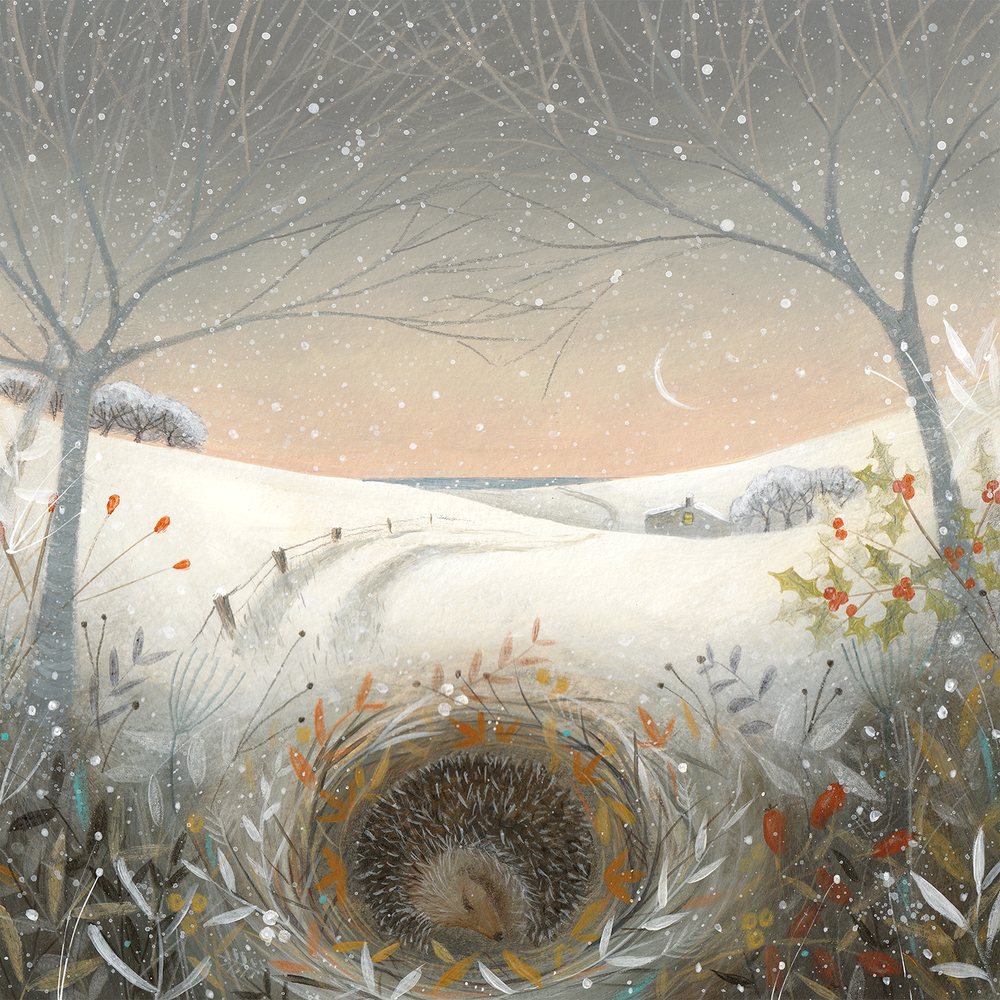
Use garden shears (strimmers cause awful injuries to wildlife) and for small lawns, manual mowers(avoid robotic mowers as wildlife can’t escape in time). If you do use mowers and strimmers, then ‘sweep’ through the grass first, to alert hidden hedgehogs.
Choose nontoxic humane slug and snail deterrents. Slug/snail pellets are lethal to wildlife (even ‘pet-friendly’ ones) and organic gardening means hedgehogs and frogs and birds will eat them for you.
Don’t let dogs eat slugs/snails, it can cause lungworm, which is a medical emergency. Read more on pet-friendly gardens.
Hedgehogs are very curious creatures, so always remove garden litter. Common hazards are:
- Plastic bags
- Empty plant pots
- Broken glass
- Barbed wire
- Oil & paint
Street litter is also hazardous, including drink can rings and rubber bands (cut both up and bin, if you see any). There are campaigns to ask Royal Mail to swap these for paper belly bands, the rubber bands are also fed to chicks by ducks, which think they are worms).
If painting fences, sheds or garden furniture, use nontoxic wood stain. Creosote is now banned for sale (for domestic use), but many fence stains contain dangerous chemicals.
Always put away rotary clothes lines, when not in use. Also avoid netting in gardens.Football nets are a hazard for hedgehogs to foxes. If you use one, ensure it’s put away safely at end of use.
Cover drains and exposed holes. Hogs often fall into manholes or waste traps, so cover with grates and fill unused holes on construction projects.
For trapped hogs in drains, Tiggywinkles says the only solution is to gently lift by clamping two pairs of pliers on the spines, then take to wildlife rescue centre to check for burns and injuries. Same for hogs that fall into oil, paint or tar.
Create Hedgehog Highways

The clue’s in the name! In nature, hedgehogs live in hedgerows. So due to lack of natural habitats, it’s important to make hedgehog highways, so they can travel at night up to 2 miles to find food and shelter.
The best way to do this is to plant more hedges (high fences and solid walls can trap them, or force them near urban areas and roads.
This means creating small gaps of 13cm square (the size of a CD) at the bottom of garden fences and gates (you can seal these during the day for pets, as hog are nocturnal). Check for overgrown plants and debris regularly.
Providing Hedgehogs with Homes & Water
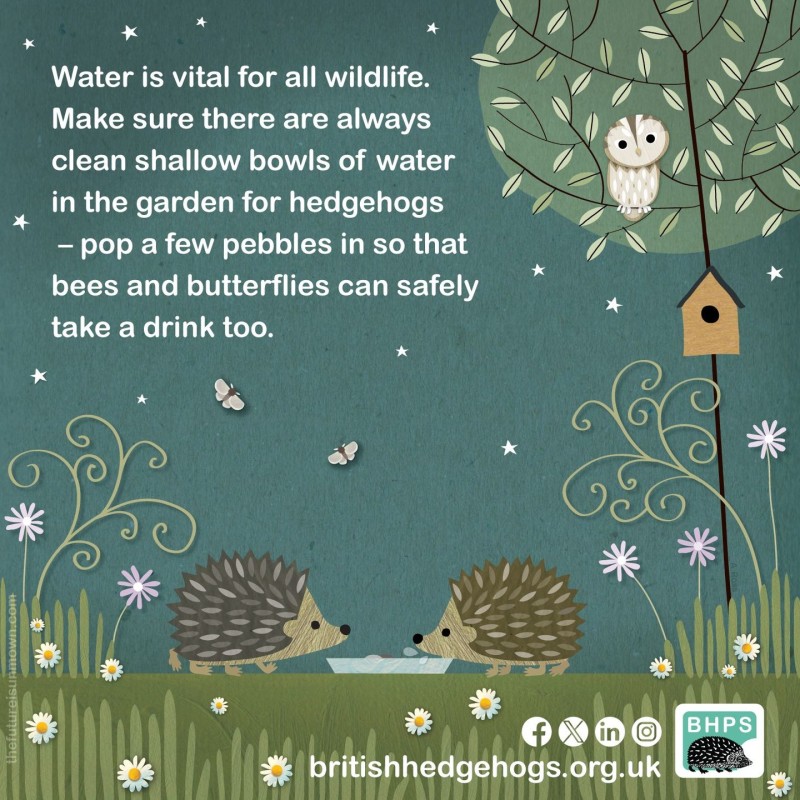
Hedgehogs appreciate a shallow bowl of fresh water (add a log platform, so bees and butterflies don’t drown, if they use it).
They thrive in ‘messy organic gardens, so leave out leaves and logs, for nesting and hibernation. If you buy a hedgehog home, choose a good quality brand with tunnels to protect from predators, sited in quiet spots, away from wind, busy paths and pet food bowls.
Place leaves and grass inside, organic gardens have enough ‘free food’ like worms, beetles, caterpillars, earwigs, millipedes and slugs. Only move to clean between breeding and hibernation times (around April to October).
An easy way to check if a hedgehog house is still in use, is to place a small stick or flower head in the entrance for a few nights (that needs to be pushed aside, to enter or exit).
If you accidentally uncovering a nesting hog, replace the bedding and leave well alone.
To clean an empty hedgehog house, remove old bedding, clean with boiling water, then air-dry . Don’t worry about fleas (they are not transferrable to other species). Never use dog/cat flea powder in hedgehog houses (or on hedgehogs).
Hogilo is the choice of British Hedgehog Preservation Society. The swivel lid allows easy cleaning, and there’s an overhanging roof and porch to protect against rain (the raised feet prevents rot). The small entrance tunnel leads to a porch.
For rescuers, choose wooden hedgehog homes (where roofs can be opened for checking – not ones with open bottoms).
Make Ponds Safe for Hedgehogs
Hedgehogs are good swimmers, but ensure ponds have sloping sides, should they fall in. Avoid netting, this can trap all creatures. Read more on wildlife-friendly ponds.
Avoid Disturbing Hibernating Hedgehogs
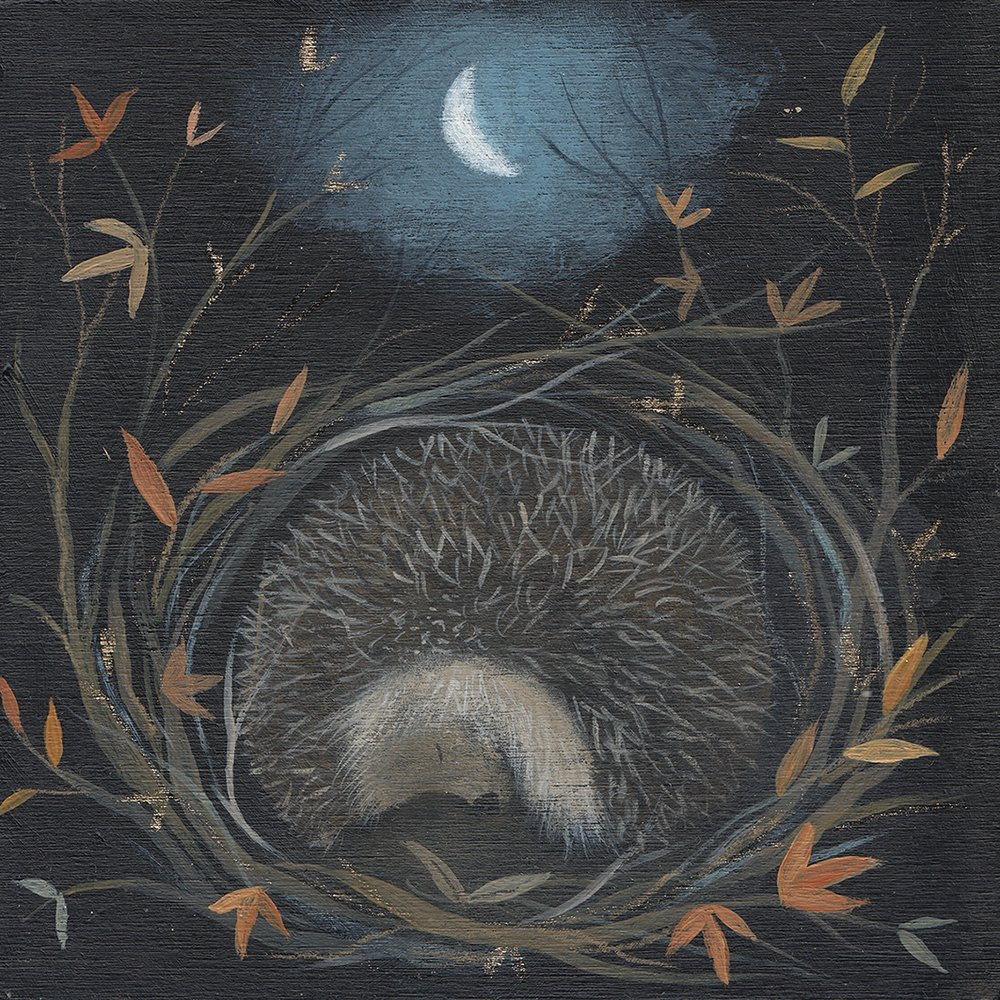
Hedgehogs typically hibernate from November to March (don’t disturb them). They will find places with logs and leaf piles, and particularly like compost heaps. So don’t fork them (or lift gently beforehand to check for sleeping hogs and frogs).
If planning to knock down a shed or outbuilding, check first for nesting hedgehogs. Lift the floor carefully and do not disturb nests. Postpone work for at least a month, until you are sure that little hedgehogs have left.
Avoid Bonfires
Hedgehogs sometimes hibernate in wood piles, so if you do light one, build just before lighting, or move the pile just before lighting (a metre or two away, to give snoozing hogs chance to escape).
Before lighting, gently prod with a broom handle and torch. If you find a hog, wear gloves (fleas do not transfer to other creatures but their spikes could tickle) and move to a nearby sheltered spot.
Once you are certain the bonfire is free from creatures, light from one side only, so any creatures missed have chance to escape. But ideally don’t light bonfires at all, the only failsafe.
How to Prevent Hedgehog Road Accidents
More natural habitats means less hedgehogs on roads. When you drive, keep to speed limits and be alert at dawn and dusk especially. Use full beam at night (dipped lights are best in fog, rain or snow, or else light could reflect back and startle).
Keep your lights, brakes and windscreens in good condition. And use a car trash bag to avoid dropping litter out the window. This stops scavengers (and animals that scavenge on dead animals).
Councils can help by installing wildlife reflectors that fit along road verges and send car headlights sideways into the undergrowth. This sudden flash can scare wildlife back from the roadside. Reflectors are most useful in places where other options, like tunnels or fencing, aren’t possible or practical.
They’re quick to fit and don’t cost much, making them an easy way to cut accidents while more permanent fixes are planned. It’s best to buy orange-hued ones, rather than blue/white. And invest in wildlife crossings.
Help Injured or Orphaned Hedgehogs
Hedgehogs are nocturnal. So if you see one during the day, usually there is something wrong. Use gardening gloves to pick it up, place in a high-sided box with a towel (no tassels), and keep it warm.
- Follow first aid advice here. Never leave out bread and milk for hedgehogs, as these can harm.
- Contact British Hedgehog Conservation Charity (01584 890801) for advice over the phone, they can also direct you to local wildlife rescuers. Handle hedgehogs carefully with gloves, place in a high-sided box with a towel and water bottle for warmth
The RSPB Pocket Book of Hedgehogs
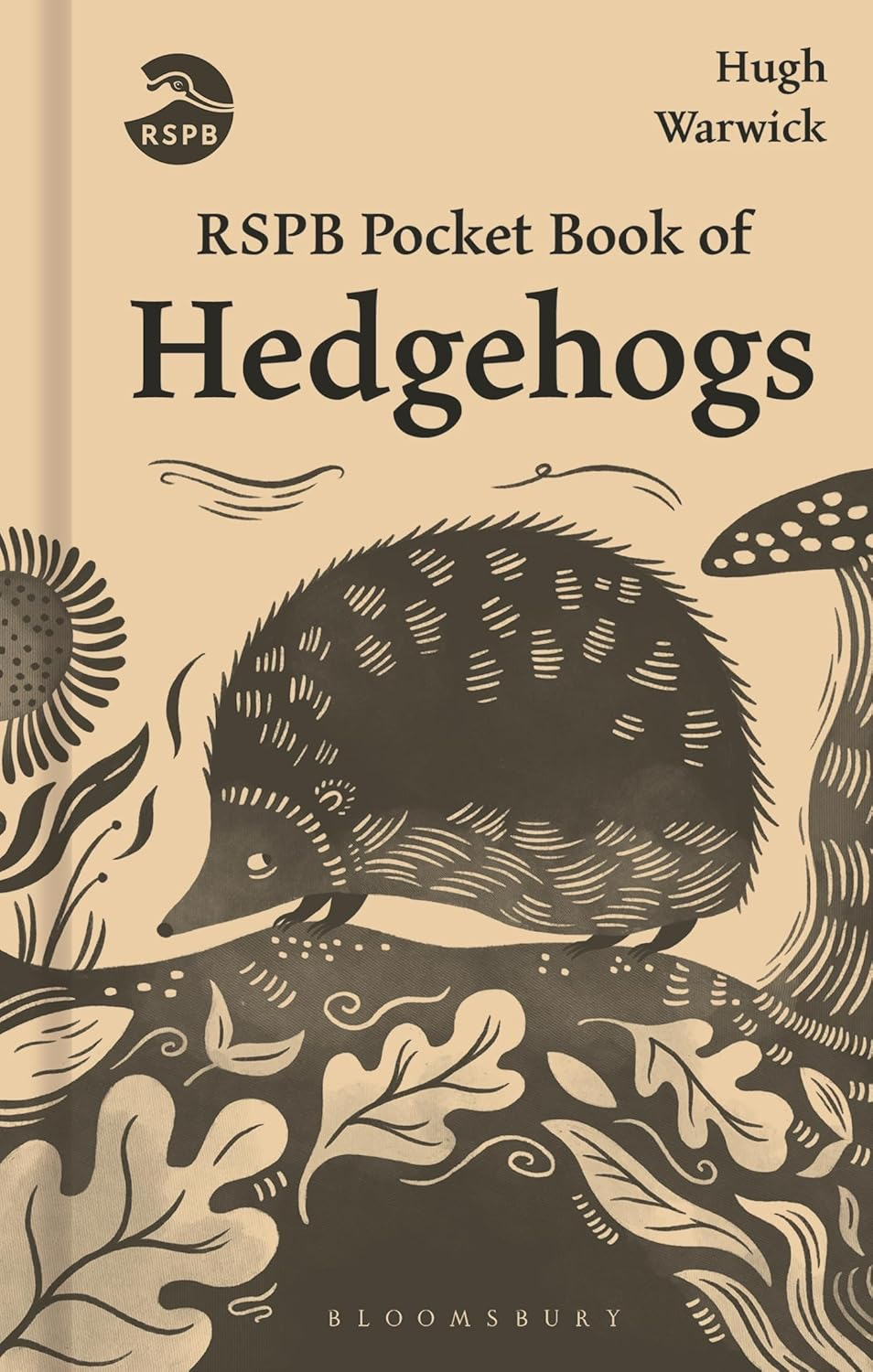
RSPB Pocket Guide of Hedgehogs is a charming gift book with delightful line illustrations, to learn everything about our prickly friends, who are severely endangered, due to lack of natural habitats and garden corridors (they travel up to 2 miles each night).
This book captures their characters, and you’ll learn how to help them thrive:
- Restoring natural hedgerows (the clue’s in the name!)
- Creating ‘hedgehog highways’ to let them travel at night
- Not dropping litter (and picking up any you find)
- Asking Royal Mail to stop using tangling rubber bands)
- Ensuring wildlife ponds have sloping sides
Hugh Warwick is an expert on hedgehog biology and conservation, and has distilled all his knowledge into a beautiful read that makes a lovely gift for you or anyone who loves hedgehogs!
He is also spokesperson for British Hedgehog Preservation Society, which has useful tips and resources (and who you call for hedgehogs needing help (nearly always if you see them during the day, as they are strictly nocturnal).
More Good Books On Hedgehogs!
- The Hedgehog Handbook is a guide for anyone with a penchant for prickles! The author explores hedgehog eating and sleeping habits, and how to preserve this icon of rural life.
- A Handful of Happiness is the story of a depressed vet, who begins a friendship with an orphaned hoglet that he’s asked to foster. And inspired by Ninna’s will to live (after releasing her to the wild after her first hibernation), he sets up a wildlife sanctuary!