England’s Heritage Orchards (how to save them)
England’s orchards used to be abundant, but now they are in danger of almost becoming extinct. 70% of England’s apples are imported, when we are home to some of the most diverse apple crops on earth. Along with other orchard fruits like pears, peaches, plums and damsons.
Restoring orchards also helps to preserve trees, which take in carbon dioxide, give out oxygen, they help to buffer wind and prevent floods. And provide homes for birds and native wildlife (even if not producing fruit, dead or decaying wood offers hollow trunks for owls and bats.
The Orchard Project is a nationwide charity run by experts, to help local communities plant organic fruit orchards, and restore neglected heritage orchards. So everyone is within walking distance of free food.
Use no-dig gardening (avoid netting, to protect wildlife – use fruit protection bags instead). Learn how to create pet-friendly gardens (keep fruit pips/seeds away as as they contain cyanide) and wildlife-friendly gardens.
Know trees to avoid near horses (including yew, oak & sycamore).
80% of England’s orchards have been lost in recent decades, yet still supermarkets sell imported fruits (rock-hard pears and non-organic apples coated in shellac – dead insects – to make them look shiny). Buying local also helps support our smaller farmers.
A sad story of late is in Worcestershire. Where England’s second-oldest pear tree was felled, to make way for the unnecessary HS2 high-speed rail project (the money would be better spent on upgrading rolling stock and providing better rural public transport.
Critics say HS2 won’t prevent climate change. And based on accidents with high-speed rail abroad, it will kill around 22,000 wildlife once built. Barn Owl Trust says that HS2 is a ‘very expensive way of killing owls’.
What Do Community Orchards Do?
Some community orchards make use of waste windfalls too. Of course it’s always important to leave some windfalls and fruits for birds and wildlife. But bruised fruits can easily be made into juice and jam, and some community orchards exchange donated windfallen apples to make cider!
The Orchard Project recently completed a project to restore 30 old orchards in London, which helped to restore rare apple varieties. It has also installed wildlife-friendly edible hedgerows, ponds, stonewalls for insects, bog gardens, bird boxes and no-dig raised beds).
Locals can locate orchard mentors to share their knowledge, or find lesson plans for schools. Gardeners can take their course in Certificate in Community Orcharding (London, Bristol, Scotland or online). This covers tree planting/grafting/pruning, site survey & orchard design, plus caring for veteran and community orchards.
Other Ideas to Preserve Our Orchards
People’s Trust for Endangered Species does wonderful work to help restore heritage orchards, and has practical guides (including how to save a fallen tree). Their tips include:
- Plant new trees alongside restoring old trees, as all orchard trees will die, but disperse seeds and provide old logs for birds, insects and wildlife to nest and hibernate). Even trees with dead/decaying wood may produce fruit for several years.
- Leave log piles as they are, as they attract rodents (which owls eat) and offer over-wintering for hedgehogs, beetles, frogs and toads. Windfallen fruit also offers great food for local creatures. Stagger mowing, to protect flower seeds in longer grass.
What makes a heritage orchard special?
A heritage orchard is not the same as a modern commercial orchard. The trees are often larger and older, with wide crowns and deep roots. Many are standard trees, set far apart, with grass or meadow plants beneath them. Ages are mixed, shapes are mixed, and that variety matters.
These orchards often hold fruit that supermarkets never will. Old local apples, pears, plums, and cherries can survive in only a handful of places. Some were bred for cider, some for baking, and some simply because they suited a local soil or climate. When one old orchard goes, a whole thread of local history can go with it.
At the same time, these places are rich in life. Old bark, hollow trunks, fallen fruit, and long grass create layers of habitat. A commercial orchard may be tidy and productive, but a heritage orchard feels more like a small, lived-in village.
Old fruit varieties keep local history alive
Traditional fruit varieties are part of England’s local story. A name on a tree can link back to a farm, a parish, a county, or an old market town. Some varieties were grown for a family recipe. Others travelled only a few miles and stayed there for generations.
That link matters because fruit history is fragile. Once a variety disappears, getting it back is very hard. If no tree survives, and no one has taken grafting wood, that living line can end. Old orchards are therefore not just pretty places. They are storehouses of memory.
These orchards are homes for wildlife too
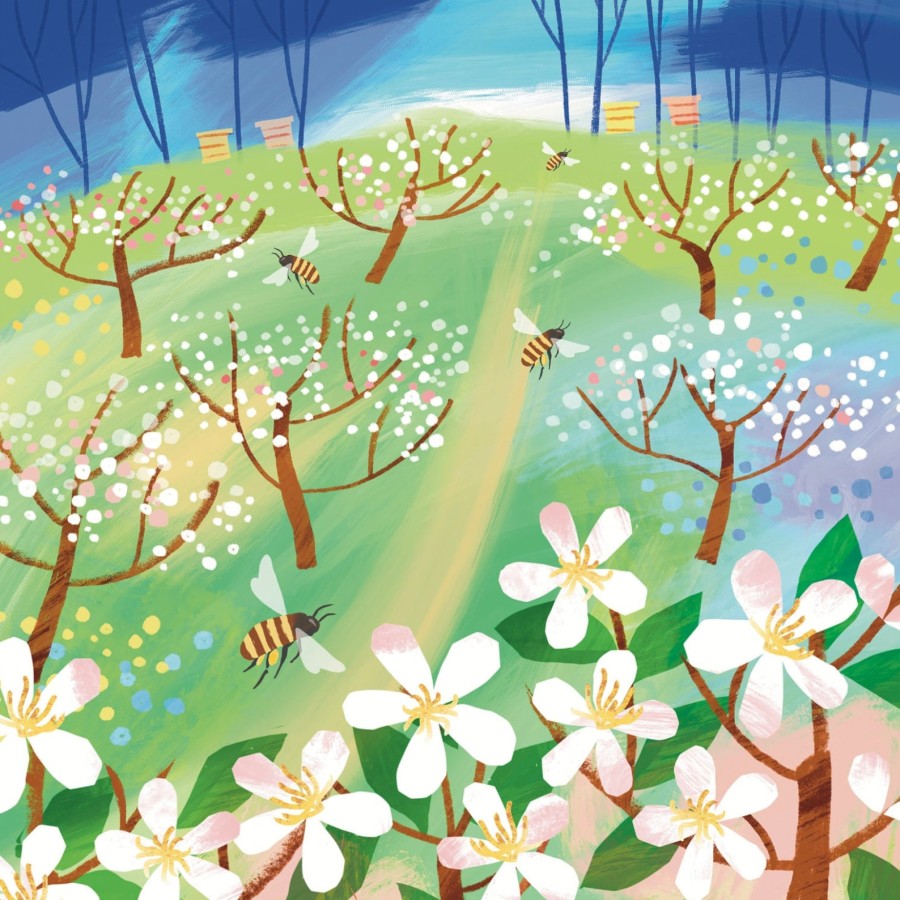
Blossom feeds pollinators in spring, and that early food can be important. Later in the year, rough grass shelters insects, while fallen fruit feeds birds and small mammals. Hollow trunks and cracks in old wood can also suit bats and nesting birds.
So the value is layered. Save the orchard, and you often help many other species at the same time.
Why so many orchards have been lost
Most orchard loss doesn’t happen in one dramatic moment. More often, it comes slowly. A tree dies and isn’t replaced. Branches split and no one prunes them. Scrub moves in. Then a housing plot, road scheme, or land sale finishes the job.
Changes in farming have played a big part. Modern fruit growing favours smaller trees, tighter rows, and varieties that travel well. Traditional orchards, by contrast, take more space and more patience. If there is no strong market for local fruit, cider, or juice, landowners may struggle to justify the care these sites need.
Neglect can damage an orchard as much as bulldozers
An orchard can still exist on paper and yet be in poor shape. Missed pruning lets heavy limbs tear out. Too much grazing strips young growth and compacts the ground. No grazing at all can let dense scrub take over. Bit by bit, the balance goes.
The biggest problem is often the lack of new planting. Old trees don’t last for ever. If there are no young ones coming through, the orchard has no next chapter.
When knowledge disappears, orchards struggle
Money helps, but know-how matters just as much. People need to know how to prune without shocking an old tree, how to graft a local variety, and how to manage grass without harming wildlife. Those are practical skills, learned by doing.
As older growers retire, that knowledge can fade. Then even well-meant efforts may miss the mark. A badly pruned veteran tree can suffer for years. So passing on skills is part of saving the orchard itself.
Start by finding, mapping, and recording what is still there
First, people need to know where orchards still survive. Some are obvious. Others sit behind old farmhouses, on village edges, or in fields that no longer look like orchards at all. Without a record, they can be lost quietly.
A good survey doesn’t need to be fancy. Photos, a simple map, notes on tree condition, and a rough list of fruit types can go a long way. Local history groups, wildlife groups, and county records can all help. Oral history matters too. An older resident may know what a tree was called, when it fruited, or who planted it.
That basic record helps in several ways. It supports planning objections, guides care work, and shows which orchards hold rare local varieties.
Restore old trees carefully, and plant the next generation
Old trees need gentle treatment. Heavy pruning in one go can do more harm than good, especially with veteran trees. It’s usually better to restore them over several seasons, taking out damaged wood first and easing the shape back slowly.
At the same time, young trees need to go in before the oldest ones fail. That’s the part many places leave too late. New planting keeps the orchard alive as a working place, not just a museum. Where possible, choose local traditional varieties, especially those known in the area. Grafting from old surviving trees is even better, because it keeps the local line going.
Ground care matters as well. Light grazing, seasonal mowing, and some dead wood left in place can help both tree health and wildlife. The aim is not neatness. The aim is balance.
Give orchards a future that works for people as well as nature
An orchard lasts longer when people use it and care about it. That may mean community orchard days, juice pressing, blossom walks, school visits, or small harvest events. These things sound modest, and they are, but they build local ties.
A bit of income can help too. Farm shops, local cider, jam, or juice won’t save every site, but they can support basic care. Small grants may cover tools, training, fencing, or new trees. Volunteer groups can help with pruning days and surveys, especially if someone experienced leads the work.
In the end, a heritage orchard needs a place in local life. If people see it as useful, beautiful, and worth keeping, its future looks much stronger.
A small place, worth saving
England’s heritage orchards hold more than fruit. They hold wildlife, memory, skill, and a sense of place. That is why they matter, and why their loss feels bigger than the number of trees alone.
So notice the old orchard near you, if there is one. Support a local project, join a work day, buy local juice, or plant a traditional tree. Small acts count. Taken together, they can keep these quiet, generous places alive for the next generation.
How Well-Managed Orchards Help Nature
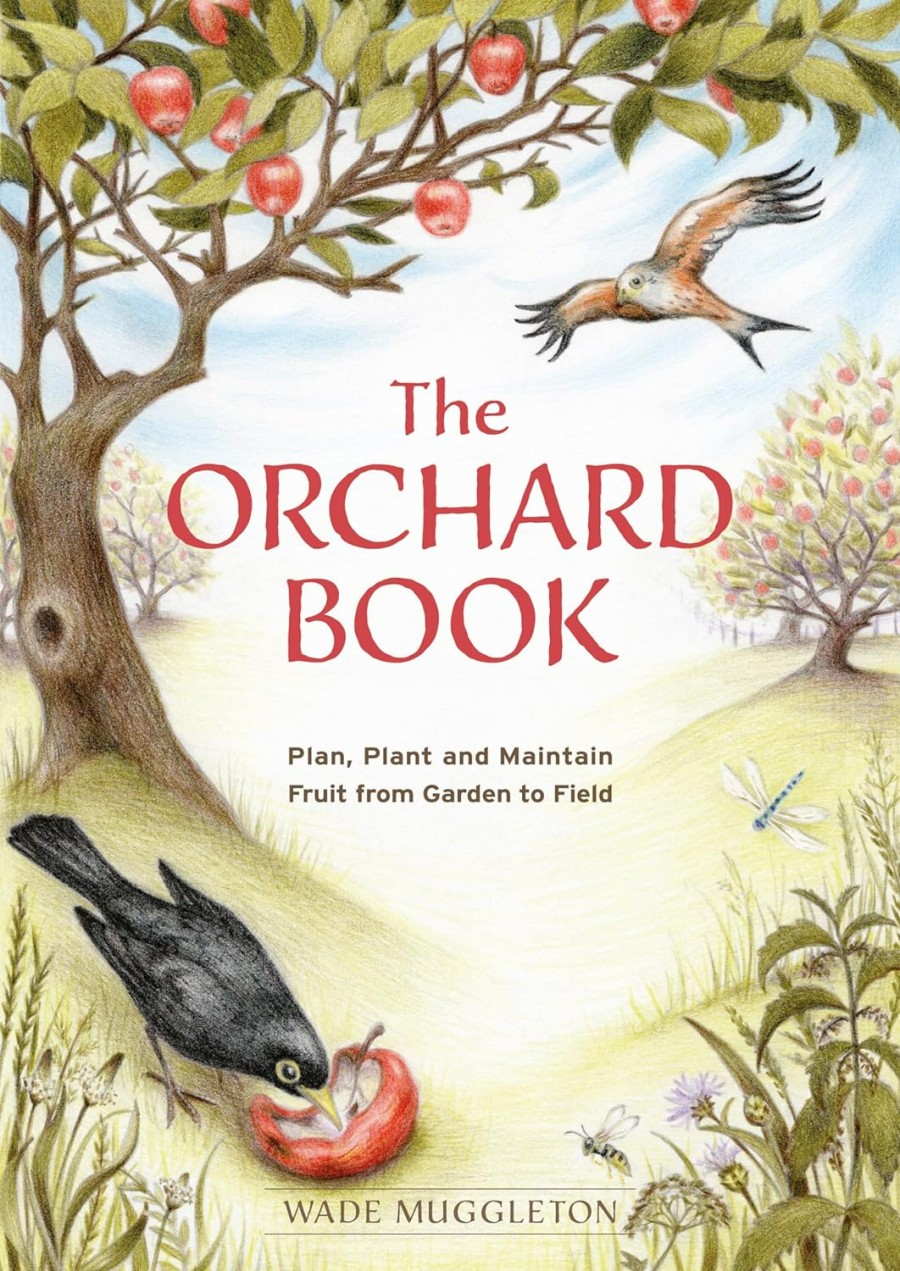
The Orchard Book is a book on how orchards work with nature, to provide maximum harvest for minimal effort. The author combines 20 years of orchard knowledge to help you plan, plant and manage an orchard, whatever your size and budget.
The book covers rootstocks and fruit varieties, planting plans and pruning, harvesting, storing and how to preserve your harvest.
Let him draw you into a world of apples and pears, walnuts and cobnuts, cherries and plums, and learn of ancient orchard fruits like quince, medlar and mulberry as well as more familiar fruits like apricots, figs and peaches. Enjoy organic fruit all year round, from your own little nature haven.
Why Does Kent Have So Many Fruit Orchards?
Like Herefordshire, Kent is known for producing local organic apples, pears, plums and cherries, through an abundance of fruit orchards. so help to protect our heritage orchards by supporting farm shops that sell local fruit, juice and cider. Orchards also give free food and shelter to birds and wildlife.
Keep apple chunks away from babies (choking hazards) and fruit pips/seeds/cores away from pets (due to natural cyanide). Ask permission before feeding to equines (too many cause colic). If given permission, feed cut up (cored) apple slicers from a flat palm, to prevent choking).
Kent has so many orchards, simply due to the mild climate and fertile soil, a match made in heaven for growing fruit. Kent grows 90% of England’s cherries and 50% of its plum.
The other ‘county crop’ is Kentish cobnuts, a kind of hazelnut, with a sweet flavour. Unlike most nuts, these nutritious nuts are sold fresh, in season from late August to October. Some say they taste like a cross between coconut and citrus fruits.
Appreciating Our Cherry Blossom (like Japan!)

In Japan, the annual cherry blossom season from the end of March to the end of May is celebrated by everyone, with locals gathering to stop and stare at over 1 million cherry trees for a stunning seasonal spectacle of blooms.
‘Cherry’ Ingram is the Englishman credited with saving cherry blossoms in Japan, after he began to send rare varieties from his own garden to Japan, with help of a network of ‘cherry guardians’.
Cherry blossom trees contain natural cyanide, so keep away from pets, horses & livestock. Read more on toxic plants & trees to avoid near animal friends.
Cherry trees produce stone fruits as well as blossom. Related to plum & peach trees, the flowers produce spectacular blooms that are noted the world over.
When they bloom in England depends on the weather and location, but usually you can find them in full flower in many of the London royal parks, alongside other locations throughout England. With climate change, some trees are now blooming as early as February.