How to prevent clogged sinks and drains, naturally
All homes, offices and commercial shops and kitchens have sinks and drains. And keeping them free from debris can not only prevent smells and clogs, but saves a fortune on not having to call out plumbers to deal with clogged drains (which can cause fatbergs in sewers and even garden floods for neighbours).
Open drain covers are a major hazard for inquisitive hedgehogs (removing them has to be done with care). Always use drain covers.
Why do sinks and drains become blocked?
Drains are simply designed to carry water away. But today they (and old sewers) are often overloaded by tens of millions of people pouring things down sinks they shouldn’t (from cooking oil and cream liqeurs to coffee grounds and tea leaves).
Plus many bathroom drains become clogged from hair or fats from bar soap and even toothpaste. Over time these items accumulate and block drains (especially oil as it cools and sticks to the inside of pipes).
Never ‘donate’ human hair (nor pet fur) to garden birds (they have been making nests for thousands of years and don’t need our help). It can cause choking, disease or cut off circulation if trapped around legs.
Don’t pour cooking oil or cream liqueurs down sinks
This is a major cause of blocked sinks and drains.
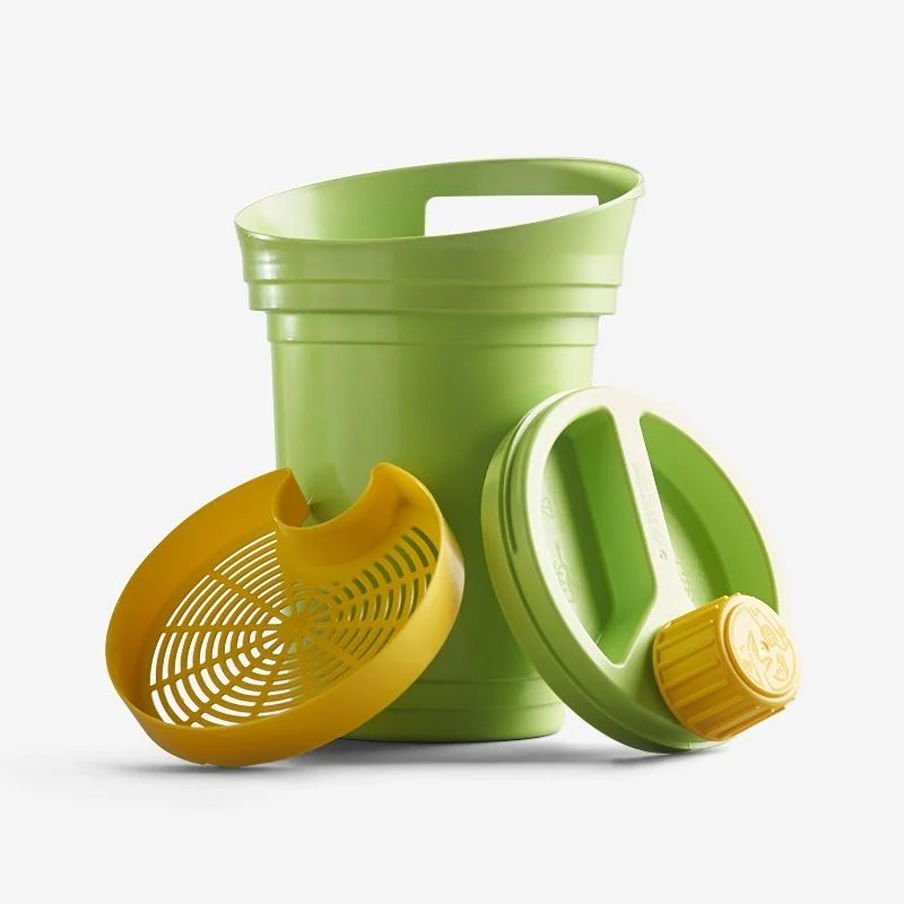
- If you are using a little oil in a frying pan, just wipe the (cooled) oil with a little kitchen roll and bin, before washing up as normal .
- For larger amounts (say deep-frying or professional kitchens), buy a cooking oil recycling bin. This will store the oil until you take it to an oil recycling bank (or arrange collection from companies that turn it into biofuel).
- Or recycle your old fat-fryer, and use a new air-fryer instead!
- Also don’t pour cream liqueurs (like Baileys) down sinks, as these also cause clogs. Drink them up instead!
-
Never give fatty leftovers to garden birds or wildfowl. It can coat on feathers, affecting waterproofing and insulation. Read instead how to provide safe havens for garden birds.
Which are the healthiest cooking oils?
You don’t have to use oils at all to cook with, if you don’t want to. Chef Brandi Doming gets her fats from whole foods (olives instead of olive oil, nuts instead of nut oils). If you do choose cooking oils:
- Rapeseed oil is locally sourced, and has a high smoke point for everyday frying (and also makes good roast potatoes, no goose fat needed).
- Olive oil is best used cold, such as extra virgin olive oil in salad dressings.
- Sunflower oil should be used in moderation. Nutritionist Michaella Mazzoni says high cooking temperatures damages the structure (like a broken vase glued back together, it’s never quite the same).
- Coconut oil is popular for Asian cooking and desserts, but high in saturated fat so use sparingly (also take care as it’s flammable).
Don’t pour coffee grounds or tea leaves down sinks
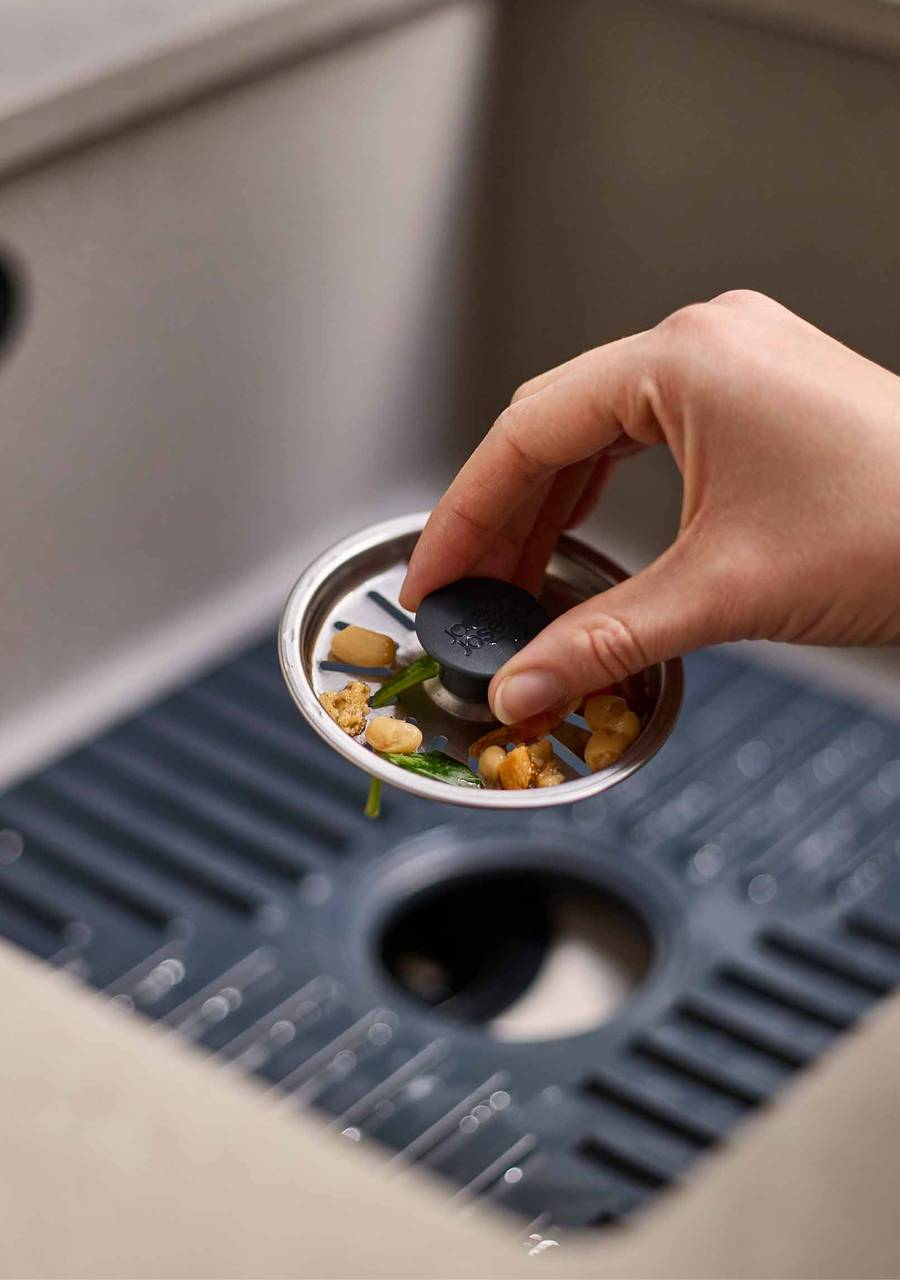
These also clog sinks, if you use real coffee grounds or tea leaves. Use a SinkShield to stop these (and food particles including flour ) from clogging sinks. Just empty the contents into your bin or food waste bin (don’t compost coffee/tea waste as caffeine could harm compost creatures).
Food scraps to keep out of compost bins
If you don’t have a food waste bin (this is fine as items are broken down), just bin these items to avoid acidity harming compost creatures:
- Pepper scraps
- Onion, leek, garlic, shallot, and chive scraps
- Citrus peel and fruit scraps
- Tomato scraps
- Rhubarb scraps
SinkShield (a nifty invention to stop blockages)

Sinkshield is a small useful investment for your kitchen. Simply place in your sink to catch food scraps, tea leaves, and coffee grounds before they wash down the drain. The soft protective surface also reduces the risk of scratching crockery, glasses or the sink itself.
Non-slip feet lift the grooved surface slightly, allowing water to drain away easily, while keeping items safely supported. For best results, allow hot cookware to cool to room temperature before placing on top of the sink protector. Should not be used, while fully submerged in water.
Tubshroom (stops clogged bathroom drains)

Tubshroom is a simple device that sits in your shower drain and catches hair, to stop it reaching the pipes. It’s a one-time purchase from the USA (but still cheaper than the average £80 to call out a plumber).
Never flush anything down toilets apart from the above. Wrap and bin everything else (feminine care, baby wipes, condoms, cotton buds etc).
How to clean and maintain drains
- Pour hot (not boiling as it could damage pipes) water down sinks and drains once a week. Just like you could not clean a greasy pan with cold water, you need hot water to dislodge stuck particles to flow away.
- To fresh sinks and drains, pour down 1/2 cup of bicarbonate of soda (followed by 1 cup of cleaning vinegar) once a week. Leave for 10 to 15 minutes, then flush wih hot water.
How to unclog blocked sinks or drains

Signs of a blocked drain include:
- Unpleasant smells
- Slow drainage
- Gurgling noises
- Water backing up into the sink
If a plunger doesn’t work, unscrew the trap and remove accumulated material, then reassemble and check for leaks.
If that doesn’t work, try a manual drain snake. This is a coiled wire or spiral that you crank by hand to break up clogs by inserting into the drain and turning the handle.
DrainShroom Snake is a flexible tool that attaches to any power drill, to remove clogs up to 3 feet deep (most clogs are no deeper than this).
If that doesn’t work, call a plumber!
Where to recycle toxic drain cleaning products
To recycle toxic cleaning liquids, empty bottles can be recycled with household waste. For bottles with product still instead, don’t pour down sinks or drains. Take to your council’s hazardous waste (call if you don’t have transport).