The Lincolnshire Wolds (in a county with no motorway)
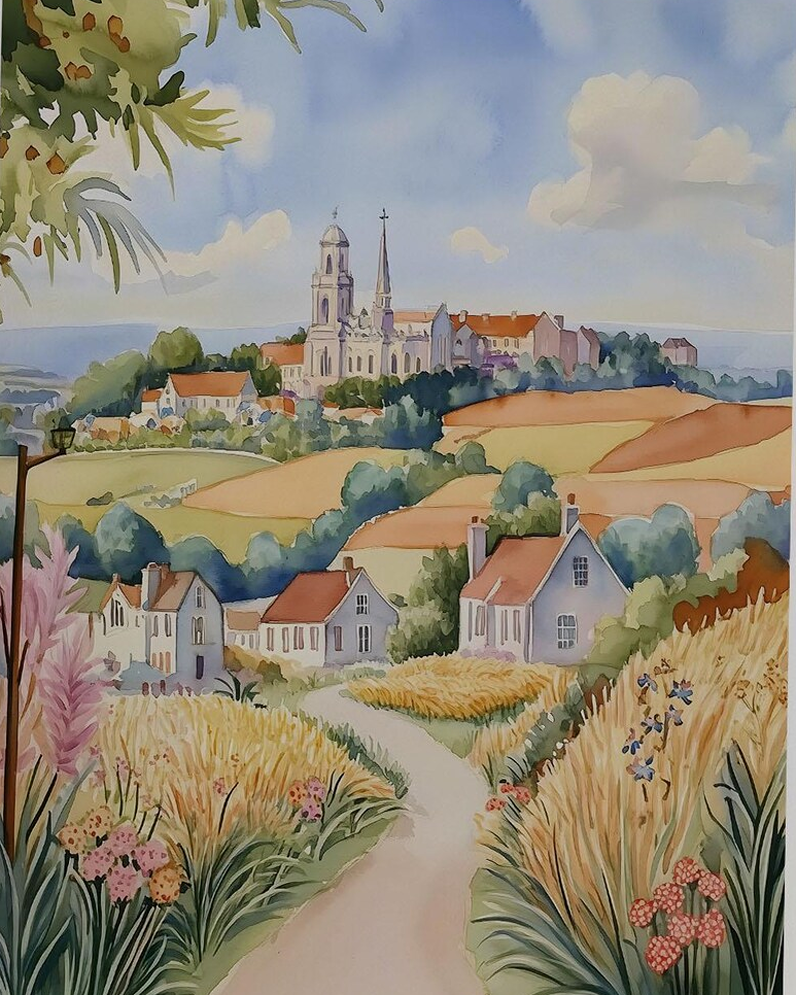
Lincolnshire is a county in the East Midlands, with sandy beaches. The Wolds run 216 miles (low hills running along the North Sea coast). Here you’ll find walking routes, with flourishing wildlife amid ancient woodlands and hedgerows, with buzzard and red kites soaring overhead.
If out walking, follow the Countryside Code to keep all creatures safe. Keep dogs on leads near steep banks (and away from toxic spring bulbs). If at the coast, read how to keep dogs safe by the seaside (check for beach bans, before travel).
The Viking Way runs for 147 miles, with some of its best parts winding through this area. You’ll pass old hedgerows, and winding streams. Villages like Tealby and Binbrook invite lazy afternoons with stunning views.
Hidden in quiet Fenland, Heckington is the only eight-sailed windmill left in England. Restored by local enthusiasts, the mill acts as a living museum.
Known as having the highest concentration of deserted medieval villages in England, the chalk streams are home to endangered water voles (and otters) and is a prime habitat for ground-nesting birds.
In spring, the landscape here turns bright yellow to rapeseed flowers, which of course are made into cooking oil (more local than olive oil, and makes for great roast potatoes, no goose fat required).
One person born in the Wolds was poet Lord Alfred Tennyson. Even if you’re not familiar with the verse of this bard, you’ll know his phrase ’tis better to have loved and lost, than never to have loved at all’.
Born in 1809, he wrote a 6000 line epic poem when he was just 12 years old, and wrote ever since after that. The favourite poet of Queen Victoria, he was not rich, having lost his savings in a wood-carving business that went bankrupt.
Rolling chalk hills and pretty villages
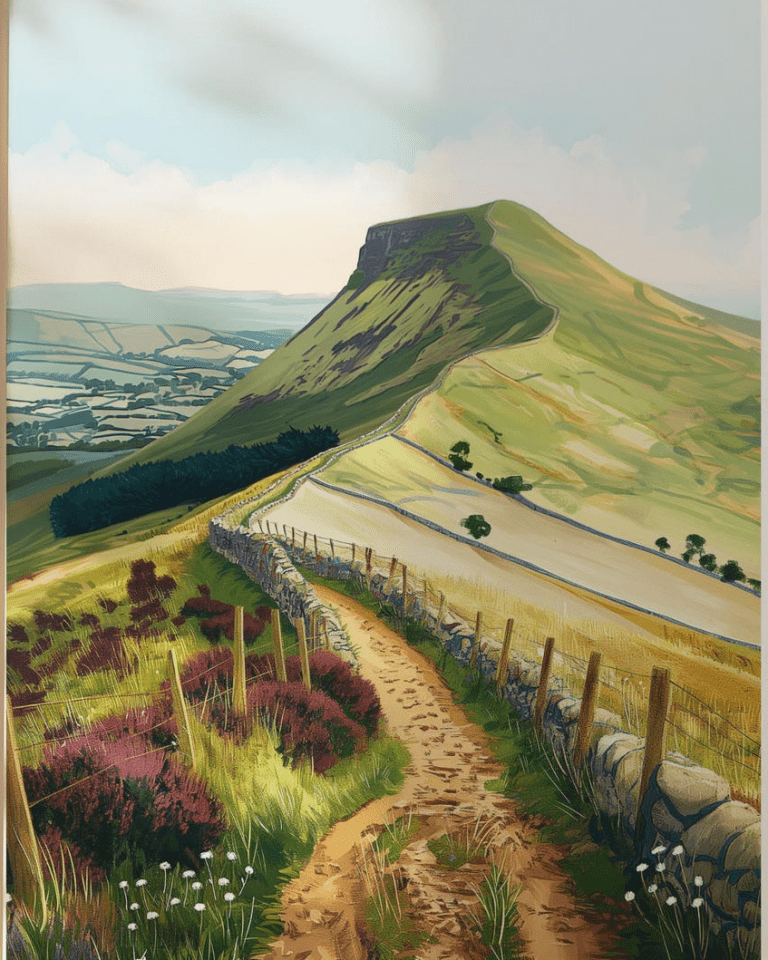
This is gentle country, though not flat. That surprises some people. Lincolnshire often gets filed away as wide, open farmland, and some of it is. But the Wolds have shape. The chalk gives the ground a lifted, rolling look, with dry valleys, hedges, copses, and broad views under very big skies.
Places like Louth and Tealby help set the tone. Louth feels like a proper market town, busy enough to be useful, quiet enough to stay human. Tealby is smaller, prettier, and almost absurdly neat, though still not too polished. In between are villages that feel lived in, not arranged for visitors.
Because the Wolds never became as famous as some other English beauty spots, they still carry a local, slightly tucked-away air. You notice birdsong, church towers, weather moving across fields.
Slow days out in Lincolnshire countryside
Most people come here for simple reasons. They want to walk, cycle, drive a scenic route, or sit in a pub after a long afternoon outdoors. The Wolds suit all of that.
Footpaths range from short village loops to longer routes across ridges and valleys. Cyclists like the quiet lanes, though the climbs can catch you out. They’re not Alpine, of course, but they’re enough to make you work. For drivers, the pleasure is in the bends, the changing views, and the sense that there’s no need to hurry.
A county with no motorway!
The main thing to say is simple. Lincolnshire’s lack of a motorway doesn’t just affect travel times. It shapes mood, pace, and even first impressions. You don’t arrive here by accident at 70 mph. You come by A road, B road, and local road, and that makes the Wolds feel more removed than they really are.
In many places, the journey and the destination feel separate. You leave the motorway, then the nice bit starts. Here, the shift happens earlier. You pass market towns, grain silos, broad fields, village signs, and church spires. The road begins to tell you where you are before the hills fully do.
That slower approach changes expectations. Instead of racing towards an attraction, you ease into the county. The pace drops almost by force. Sat nav may still say another 25 minutes, but the trip has already become part of the day.
Less through traffic, fewer crowds
Places with major routes nearby often gain convenience and lose something else. They become easier to reach, but also easier to pass through without seeing properly. The Lincolnshire Wolds avoid that fate.
Because there’s less fast through traffic, villages can feel quieter and more intact. Roads serve local life as much as tourism. Pubs, farm shops, and market towns still speak mainly to the people who live there. That gives the area a steadier identity.
The comparison with the Cotswolds or Peak District is useful here. Those areas are well-known, much busier, and easier to slot into a weekend rush. The Wolds are less famous, and that keeps numbers down. For walkers, photographers, and anyone who likes silence, that’s a real strength.
It also means the Wolds don’t perform for attention. They don’t need to. The beauty is present, but lightly worn.