London Houses and Celebrated Poets (a brief history)

John Keats (one of England’s favourite Romantic poets) found inspiration in Hampstead, and his house on Keats Grove continues to draw visitors who want to step into the poet’s world.
Originally built as a pair of houses, the poet resided in one half, and his friend Charles Brown (a literary critic) lived in the other.
Keats House gives us a close look at John’s life. Sharing not just his work but the calm beauty that shaped his writing. John’s illness from TB (caring for his seriously ill brother) meant that he died just 25.
Keats House is where John Keats wrote many of his best-known poems, including “Ode to a Nightingale” and “Ode on a Grecian Urn”. Living in this leafy part of Hampstead gave him space to think, write and recover from heartbreak and illness.
The setting helped shape his verse, and standing in the same rooms lets you sense the quiet that guided his words.
The house itself is a well-preserved piece of late Georgian design, built in 1815. Its light-filled rooms, elegant fireplaces and pretty sash windows show off the style of the period.
The lovely gardens are perfect for a stroll, and it’s easy to imagine Keats wandering among the flowers as he searched for new ideas. The house’s simple charm helps connect visitors with the past in a direct, heartfelt way.
The History of a Camden House (two poets)

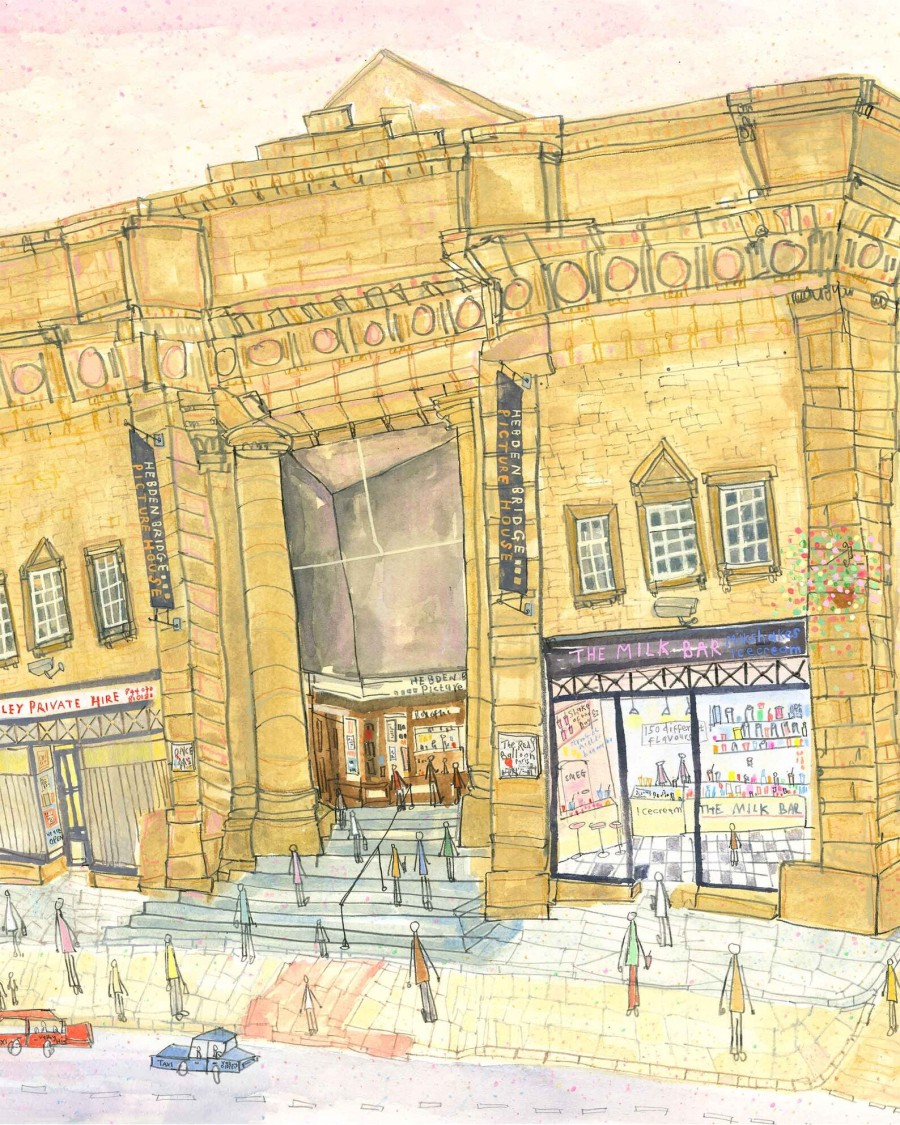
Fitzroy Road is a leafy suburb of Primrose Hill, that is home to a two-times blue plaque house, a red-brick Victorian terrace, where two famous poets once lived, 100 years apart. This image shows Sylvia’s spirit returning. She is buried near Hebden Bridge in Yorkshire.
Sylvia Plath was an American poet, who moved in with her children following the separation from her husband (Ted Hughes, who would go on to become Poet Laureate in later years). It was there she wrote some of her best-loved poetry.
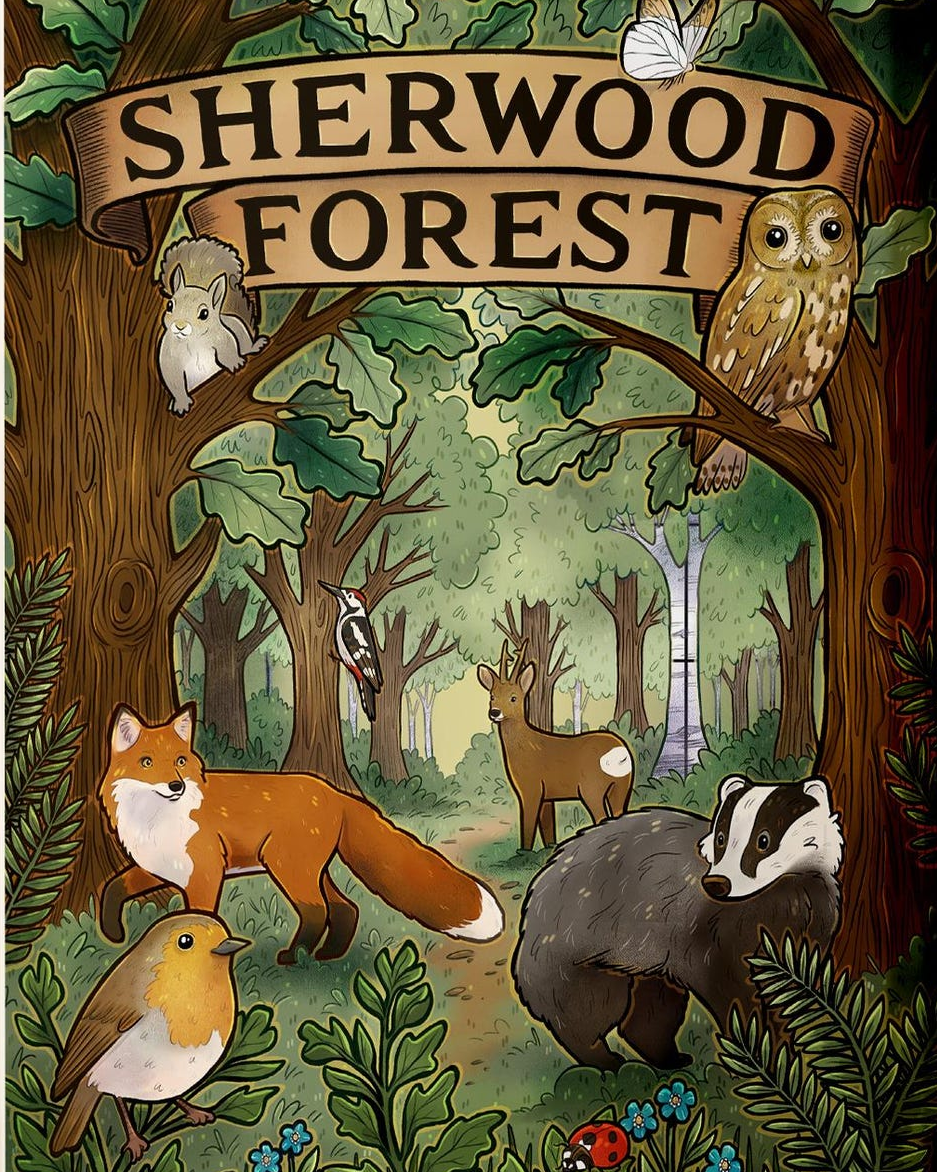
Despite being known more for her neurotic writings about humans, she also wrote some wonderful poems about pheasants, flowers and wild bears. All poets love nature!

There is a sad ending, while Sylvia was suffering from severe depression, during the famed bitter-cold winter of 1963. A stunning beautiful and talented women, she gave cookies to her children, sealed their bedroom doors with tape, and put her head in the oven. She was just 30 years old.
Sylvia is buried near Hebden Bridge in Yorkshire. And almost 50 years later, her son (a baby at the time) also committed suicide.
Also Resided in by W.B. Yeats
Irish poet W.B Yeats (the initials stood for William Butler) lived in the same house, almost 100 years earlier. His used his unique influence to to intelligently campaign for Irish independence, away from the violent nationalism gathering pace back home.