Norfolk and Suffolk Broads (manmade wetlands)
England has 10 National Parks (which seems a lot, but actually is nothing like many other countries (Turkey has over 60). We also have National Landscapes (the new name for Areas of Outstanding Beauty). The idea is that nobody can come along and build on them, so here’s hoping to protect birds and native wildlife. And provide lovely walking holidays for outdoorsy-people!
When out walking, always follow the Countryside Code, to keep all creatures safe. Also read how to keep dogs safe by the water and nearby coast.
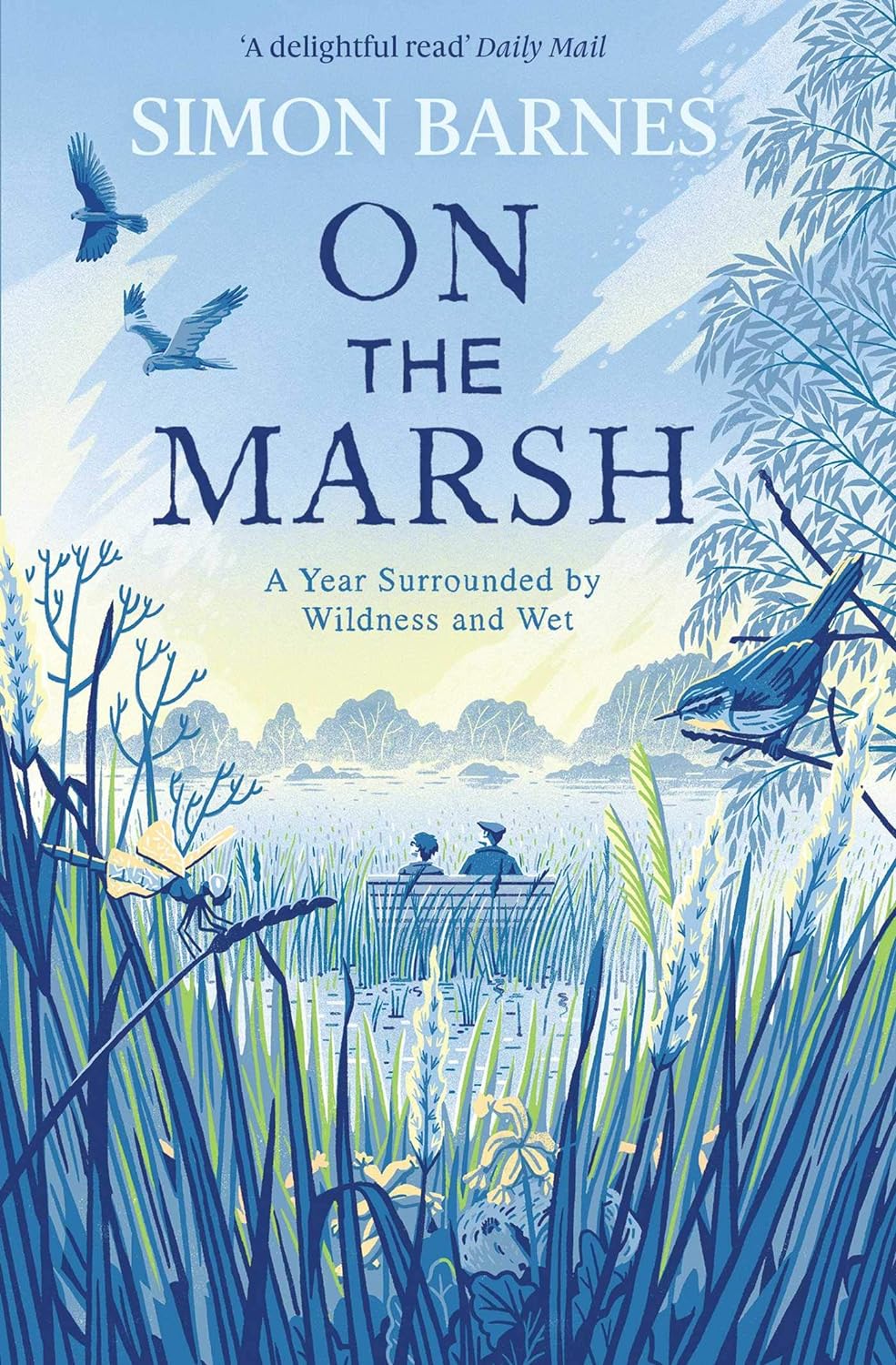
Known as ‘England’s Amazon’, the Broads are home to many creatures you likely won’t find elsewhere in England these days: bitterns, marsh harriers, swallow butterflies and fen raft spiders all find safe haven here. As do avocets, wading birds with unique upturned beaks.
The Norfolk Broads (manmade wetland waterways) are home to 25% of England’s birds and native wildlife (including rare Swallowtail butterflies). There are seven rivers and over 60 broads (bodies of water). They span over 120 miles of rivers and lakes, created from flooded medieval peat diggings.
Wildlife thrives here, from kingfishers to the haunting calls of bitterns in the reeds. The Suffolk Broads were also filled with water hundreds of years ago, and again provide essential habitats for wading birds.
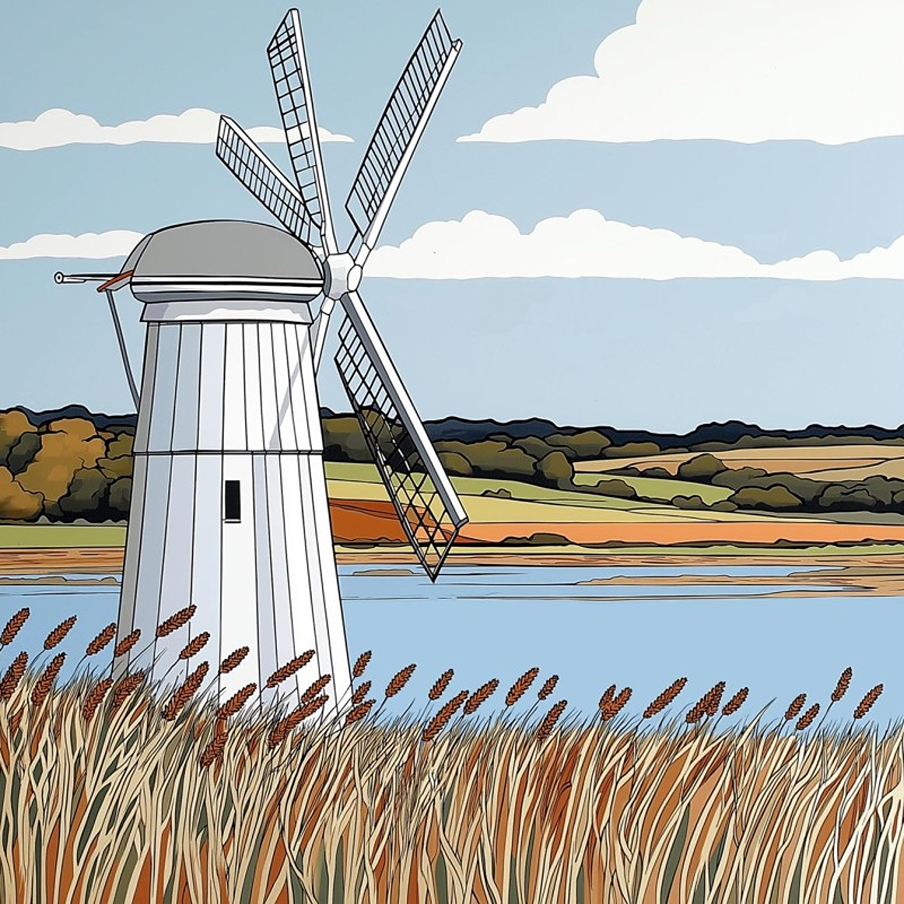
Wherry boats are the traditional way to get around here. Most rely on human power or wind, so they don’t pollute the water either. They also don’t have engine noise, a bonus for local wildlife. Read our post on how to be a sustainable sailor!