Northamptonshire (the county of ‘squires and spires’)
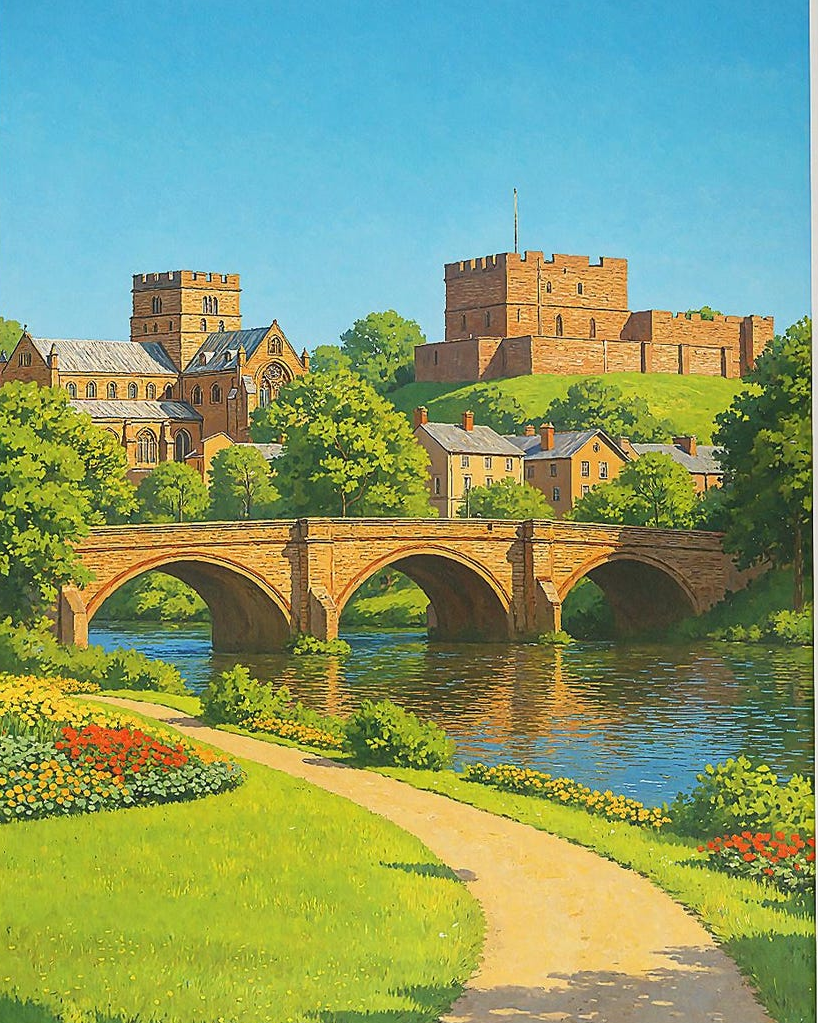
Northamptonshire is a county in the East Midlands, completely landlocked. Tucked away in the heart of England, it’s known as ‘the county of squires and spires’, due to its rich mix of stately homes and ancient churches. Alongside picturesque villages and beautiful countryside.
If out walking, follow the Countryside Code to keep all creatures safe. Keep dogs on leads near steep banks (and away from toxic spring bulbs).
River Nene: A Historic Waterway
The River Nene meanders through Northamptonshire, threading through nature reserves, villages and wetlands, giving lovely views of open countryside and water meadows.
Call of the Kingfisher is an enchanting book by a composer, who celebrates all wild things that live on River Nene, which at 100 miles is one of the longest in England, flowing out to The Wash on the east coast.
The Grand Union Canal also passes through this county, with picturesque towpaths ideal for walking and cycling. Read our post on how to protect historic canals.
Rushton Triangular Lodge: Mathematical Marvel
Rushton Triangular Lodge (completed in 1597) is a triumph of geometry. Built by a Catholic landowner during a period of religious turmoil, Sir Thomas Tresham had a tragic life. One of his 11 children died in a building collapse. And a son died of natural causes (but was beheaded afterwards, due to stand trial for the Gunpowder Plot).
Designed to echo the Holy Trinity of his faith, all sides are the same length. And there are three floors, three triangular windows on each face, and decorations grouped in threes.
The Legacy of Princess Diana
Lady Diana Spencer was born on the Sandringham estate in Norfolk, but grew up at her family’s stately home of Althorp in Northamptonshire. She married Prince Charles to become Princess Diana, and after her death, is buried on an island on a lake here.
Diana became one of the world’s most popular people, due to her compassion (kissing AIDs patients and banning landmines). She did not agree with shooting animals either, a shame that her brother now runs shooting parties at the place where she is laid to rest.
Her chef fondly remembers Diana. ‘The princes was a terrible cook, she really was. I would leave food for her in the fridge, like stuffed peppers’. She once even called the fire brigade, while cooking pasta!
Country estates and village life
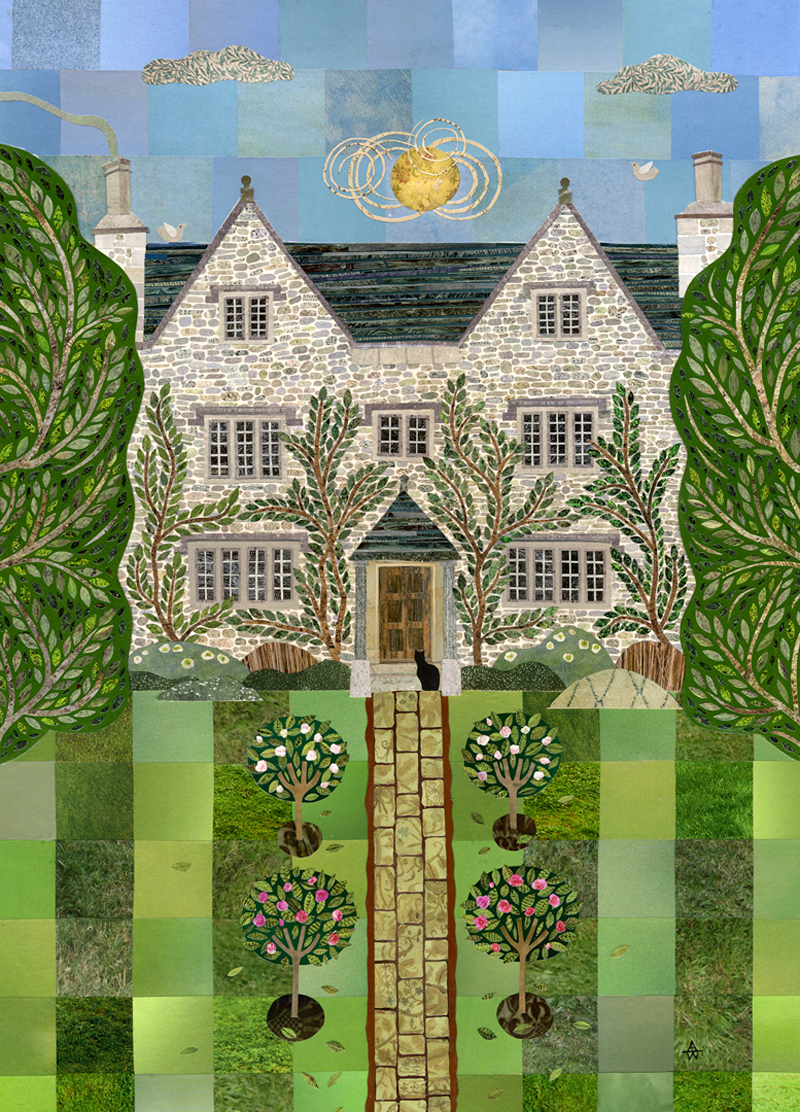
In a county like Northamptonshire, the big house and the small village often belong to the same story. That link gave the county much of its settled, carefully kept look.
Across Northamptonshire, church towers and spires anchor the view. They appear over trees, above rooftops, and at the end of long village streets.
Many of these parish churches are old, and many are built in local stone. That gives them a quiet authority. They don’t shout for attention, but they hold it. In places like Oundle, Fotheringhay, and many smaller villages, the church is still the visual centre.
Market towns for everyday charm
Northampton, the county town, has a practical feel. It has shops, museums, parks, and a strong link to the boot and shoe trade. It doesn’t trade on prettiness alone, and that helps. The town feels lived in, useful, and rooted.
Elsewhere, the smaller towns carry much of the county’s softer appeal. Oundle is a good example, with its stone buildings, school, independent shops, and neat streets. Towcester has Roman roots and a straightforward market town feel. Brackley, near the Oxfordshire border, mixes history with everyday local life.
Rolling countryside, canals, and quiet villages
Away from the houses and towns, the county settles into gentler pleasures. Northamptonshire’s countryside is not wild, and that’s part of its appeal. The fields roll rather than rise. The lanes curve easily. Villages built from warm stone seem to sit naturally in the land.
The River Nene threads through much of the county, while the Grand Union Canal adds another slow, steady line through the scene. Walk beside the water and the county feels almost deliberately unhurried. You notice locks, bridges, church towers, and allotments. Nothing needs to perform.
A very historic county
Northamptonshire’s shoemaking past still shapes its image. Northampton became known for boots and shoes because the trade was skilled, local, and long-lasting. That story remains visible in museums, workshops, and the county’s sense of craft.
At the same time, Silverstone gives Northamptonshire a very different kind of fame. Formula 1 and motorsport bring speed, engineering, and global attention. Set against villages and farmland, that contrast could feel odd, but it doesn’t. It feels like the county in miniature, old and new side by side.
Conclusion
The phrase squires and spires is more than a romantic label. It still captures Northamptonshire’s history, its view, and its quiet atmosphere. Country houses, church towers, market towns, and open fields all play their part.
That is the real pull of Northamptonshire. It offers heritage, but also ordinary pleasure, the kind found in a high street, a canal path, or a village church seen from the road. Few counties wear their character so lightly, or so clearly.