A Fun Illustrated Guide to Woodland Birds
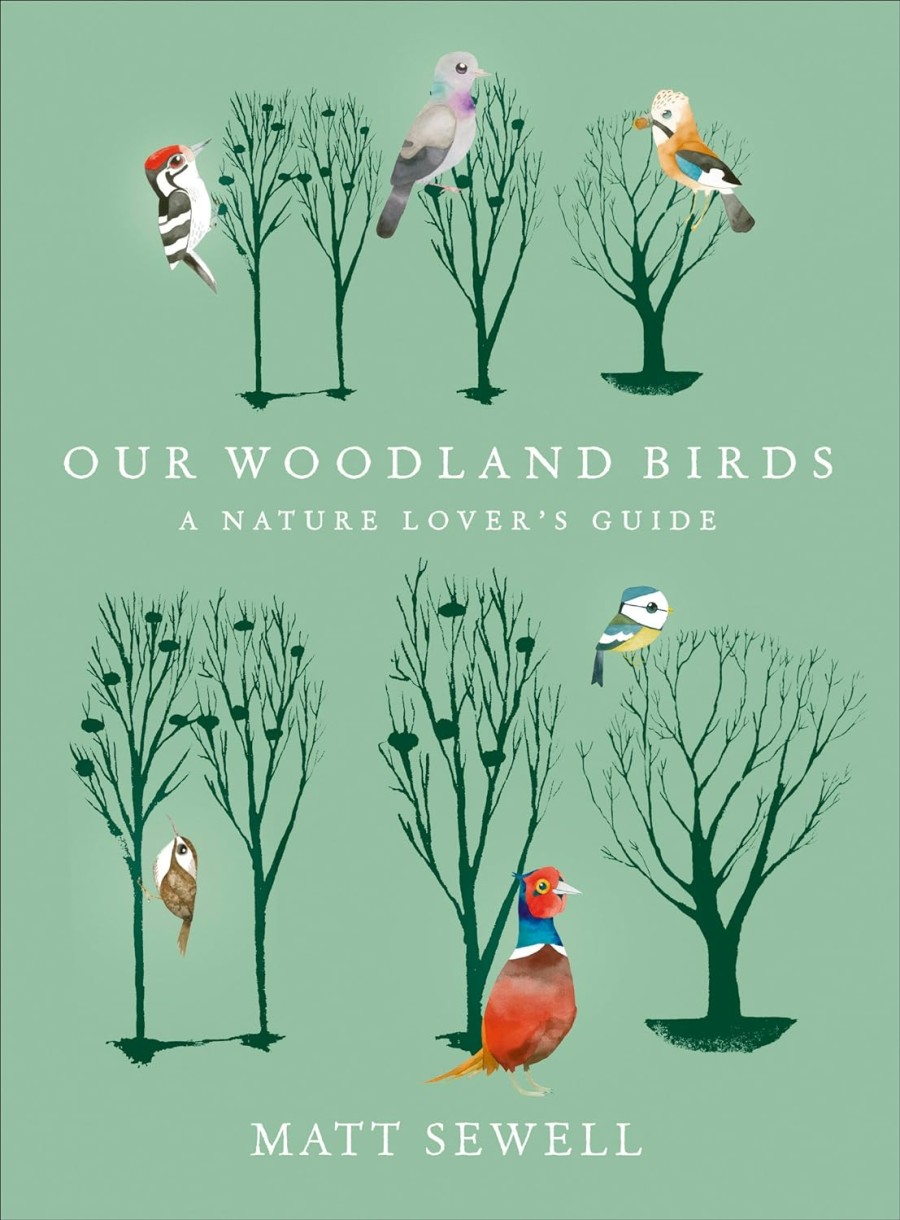
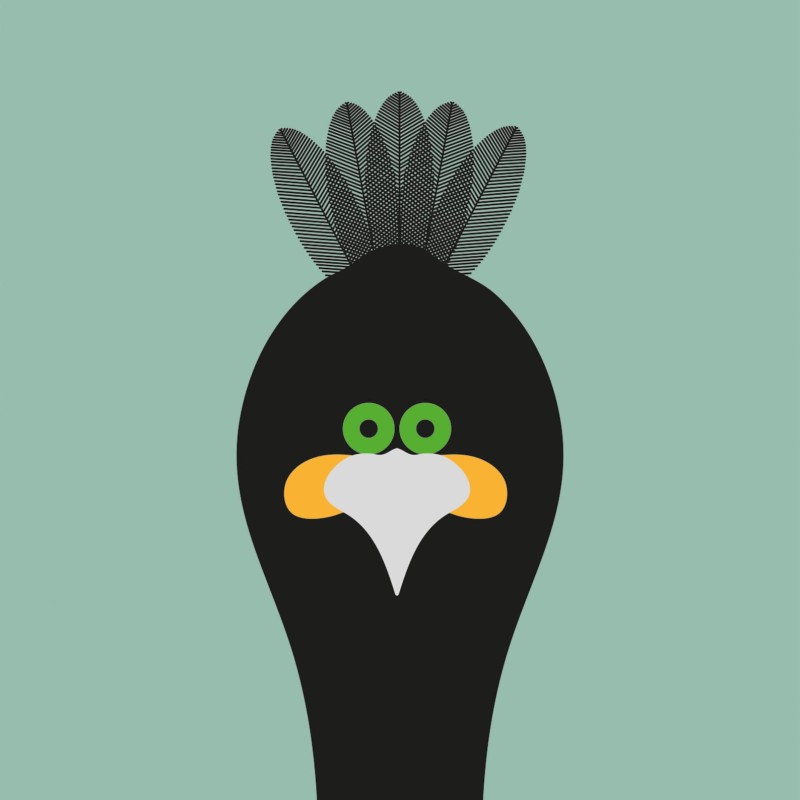
Our Woodland Birds is a lovely illustrated guide to meet more of England’s woodland birds, taking us into forests to meet them all! Even if you don’t see them, woodland birds are having a fabulous time amid the trees! They rely on mature trees and dead wood, reasons why it’s important to save our forests.
Even ‘dead trees’ are not really dead, as rotten bark provides good hunting ground for food (and a place for nests). And when birds abandon them after rearing chicks, the tree holes are often used by bats, owls and bees.
Woodland birds rarely visit gardens. Learn how to create safe havens for garden birds, and how to stop birds flying into windows.
The birds featured in this book include:
- Goldfinch
- Bullfinch
- Crested tit
- Long-tailed tit
- Hobby
- Merlin
- Common buzzard
- Sparrowhawk
- Nuthatch and Treecreeper
- Wryneck
- Lesser-spotted woodpecker
- Pheasant & Golden pheasant
- Black grouse
- Goldeneye
- Moorhen
- Woodcock
- Whinchat
- Cirl bunting
- Woodlark
- Tree pipit
- Blue throat
- Black redstart
- Ring ouzel
- Fieldfare
- Waxwing
- Spotted flycatcher
- Great grey & red-backed shrike
- Tawny owls
- Jay
- Nutcracker
- Jackdaw
- Rookery
- Hooded crow
- Magpies
- Blue tit
- Redpoll
- Golden oriole
- Stock dove
- Black caps
- Heron
- Barn owl
- Robin
Some woods are now so deathly quiet that you could hear a pine needle drop. This is often due to the planting of fast-growing and often non-native pine and conifer trees.
They might be perfect for timber production and cash turnover, but not for our birds who need the insects, nesting places and ecosystems that thrive in mixed and broad-leaf forests.
Our once insect-rich summers are now a thing of the past, due to pesticides and intensive farming practices.
About the Author
Matt Sewell is a talented artist and ornithologist, who has written several best-selling books on birds and other wildlife. His designs for birds are even on stamps sold on the Isle of Man.