Smart Reasons to Choose Palm Oil Alternatives

Palm oil pops up in many products we use every day, from snacks and ice cream to soap and shampoo. But behind the low price tag of palm oil, there’s a high cost to our planet, our health, and local communities.
More shoppers are now hunting for palm oil free options that better match their values. Here’s why making this switch matters.
Protects Rainforests and Wildlife

Palm oil farming is one of the main reasons for wiping out rainforests, especially in Southeast Asia. Growers burn and bulldoze massive areas of trees to clear land for palm oil plantations.
Without their forest homes, rare animals like orangutans, tigers, and elephants are pushed closer to extinction. By choosing palm oil free products, you help slow the destruction and protect wildlife habitats.
Supports Indigenous Peoples and Local Communities
The growth of palm oil plantations often edges out people who depend on the land for food, work, and culture. Many indigenous groups lose their homes or find their water and soil polluted by chemicals used on the plantations.
When you buy palm oil free goods, you support companies that try to do the right thing for these communities.
Reduces Greenhouse Gas Emissions
Palm oil farms make global warming worse. Draining peatlands and clearing forests for new plantations releases huge amounts of carbon dioxide into the air. This greenhouse gas traps heat and changes our climate.
By selecting products without palm oil, you help lower the demand for new plantations and keep more carbon locked up in the ground where it belongs. Palm oil is not local, so is flown to England from thousands of miles away.
Avoids Harmful Chemical Residues
Farms that grow palm oil often use strong pesticides and chemicals to boost growth and cut down on pests. Traces of these chemicals can linger in food, soaps, and skin care products.
Choosing palm oil free items, especially organic ones, helps you avoid extra chemical exposure that can affect your skin or health.
Improves Food Quality and Nutrition
Palm oil is a cheap fat used in cookies, chips, breakfast bars, and lots of processed foods. It’s high in saturated fat, which isn’t great for your heart when eaten in large amounts.
Many palm oil free alternatives use healthier oils like sunflower, olive, or canola, which contain more of the good fats your body needs.
Encourages Transparent Sourcing and Cleaner Labels
Brands without palm oil often tell you exactly where they get their ingredients. This clear labelling makes it easier to see what you’re eating or applying to your body.
It sets a higher bar for other brands to follow, too, pushing the whole industry toward better honesty and sourcing.
Builds a Market for Responsible Brands
Every sale is a vote. When you pick palm oil free products, you send a message to big companies that shoppers care about ethical and sustainable choices.
This helps responsible brands grow, makes palm oil free options easier to find, and pressures the rest of the market to clean up its act.
Read Planet Palm so you know what palm oil is, what the problems are and why ‘sustainable palm oil’ does not cut the mustard.
No Such Thing as ‘Sustainable Palm Oil’
The term ‘sustainable palm oil’ was coined by the Round Table on Sustainable Palm Oil. But Greenpeace says the phrase is as ‘useful as a chocolate teapot’, as it has no legal backing, and some ‘sustainable brands’ have found to be supporting loggers who have literally burned some orangutans to death.
The only ‘certified’ palm oil is that which is certified organic. But we don’t have enough land worldwide to supply the huge appetite for palm oil.
Hope the orangutan was shot 74 times and her baby killed. She is now blind, and being cared for by volunteers. All because she was defending her baby and forest from the palm oil industry.
Sustainable Alternatives to Palm Oil
Read posts on sustainable palm-oil-free alternatives to the main items sold in England:
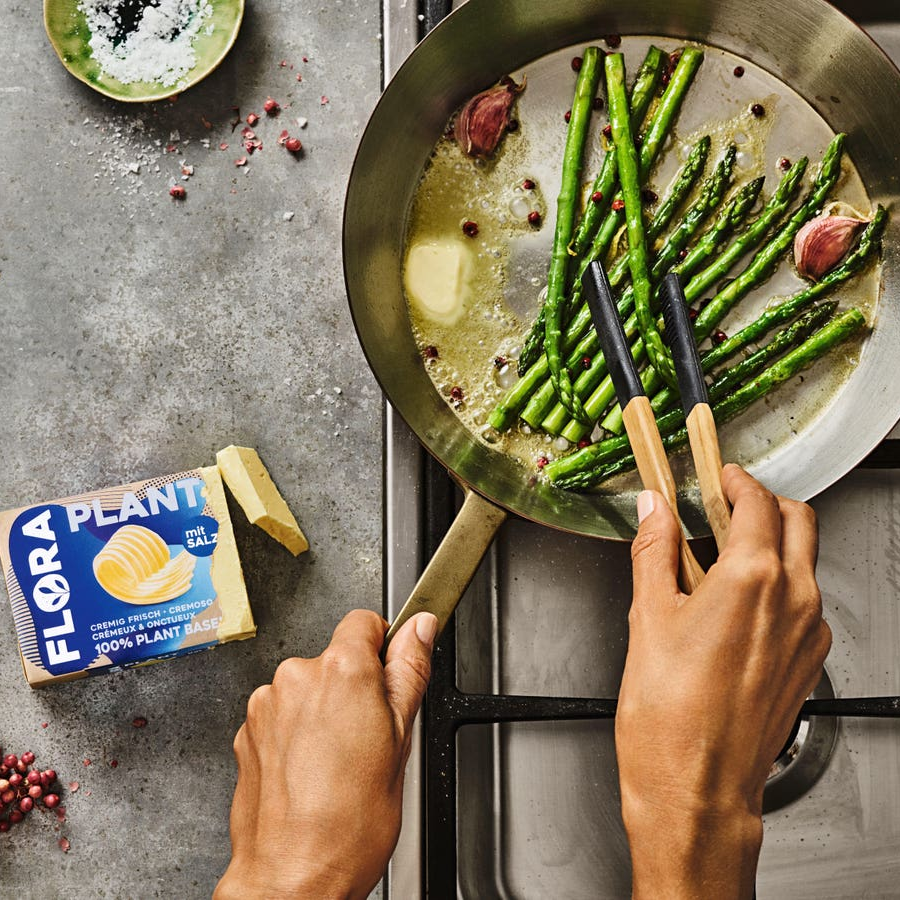
- Vegan butters with no palm oil
- Vegan crackers with no palm oil
- Vegan biscuits with no palm oil
- Peanut butters with no palm oil
You could also use rapeseed oil (locally-grown) as an alternative to butter. It’s healthier at high cooking temperatures than olive oil (which is best health-wise used cold in salads). Or learn to cook and bake without oil. Learn of the healthiest cooking oils to choose.
Choose Bar Soaps (with no palm oil)

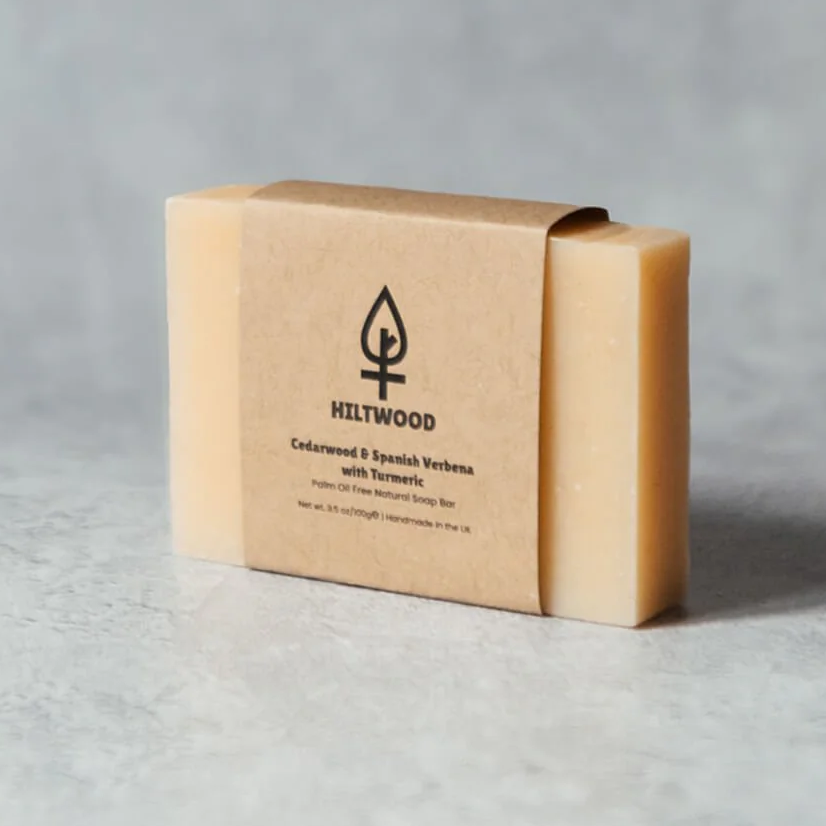
The other main consumer product sold with palm oil is bar soap. Years ago, most soaps were made with sodium tallowate (beef fat). Today, this has changed, but now most bars are made with palm oil (sodium palmate). Again, the term ‘sustainable palm oil’ on the packs, means nothing in law. Find palm-oil-free bars of handmade soap.
Friends of the Earth is asking big soap companies not to buy oil from conflict palm oil suppliers.
Use White Vinegar (instead of fabric softener)
Fabric conditioner often contains palm oil, but it reduces absorbency and can increase flammability of some clothing items. Instead, just add 1/2 cup of white vinegar to the washing machine at the beginning of the rinse cycle (or fill into fabric softener dispensers, before each load).
Look for the Palm Oil Free Logo

Instead of looking for brands with ‘sustainable palm oil’ (oddly promoted by some vegan organisations), either make your own meals (no palm oil needed if you use fresh ingredients). Or look on ready-made foods (and soaps) for the Palm-Oil-Free Logo.