3 English quirky towns: Totnes, Glastonbury & Hebden Bridge
England is full of quirky towns, and in an age of clone towns, here are three very different levels of quirkiness!
Quirky towns tend to have a strong sense of identity. They may have unusual traditions, independent shops, colourful characters, alternative communities or a history that has shaped them in unexpected ways.
They are often places where visitors can find things that are difficult to find on a typical high street. Independent bookshops, vintage stores, craft businesses, cafés, galleries and specialist food shops can all contribute to a town’s distinctive atmosphere.
Totnes: Devon’s Alternative Town
Totnes is one of Devon’s most distinctive market towns. Situated beside the River Dart in South Devon, it has a long history but is particularly well known today for its independent shops, alternative culture and strong community identity.
The town is surrounded by beautiful countryside, making it an attractive destination for walkers and anyone who enjoys exploring rural landscapes.
Totnes has developed a reputation as one of England’s more alternative towns. Its high street is filled with independent businesses rather than being dominated entirely by large national chains.
You can find everything from bookshops and delicatessens to vintage clothing stores, galleries, health food shops and businesses selling locally produced goods.
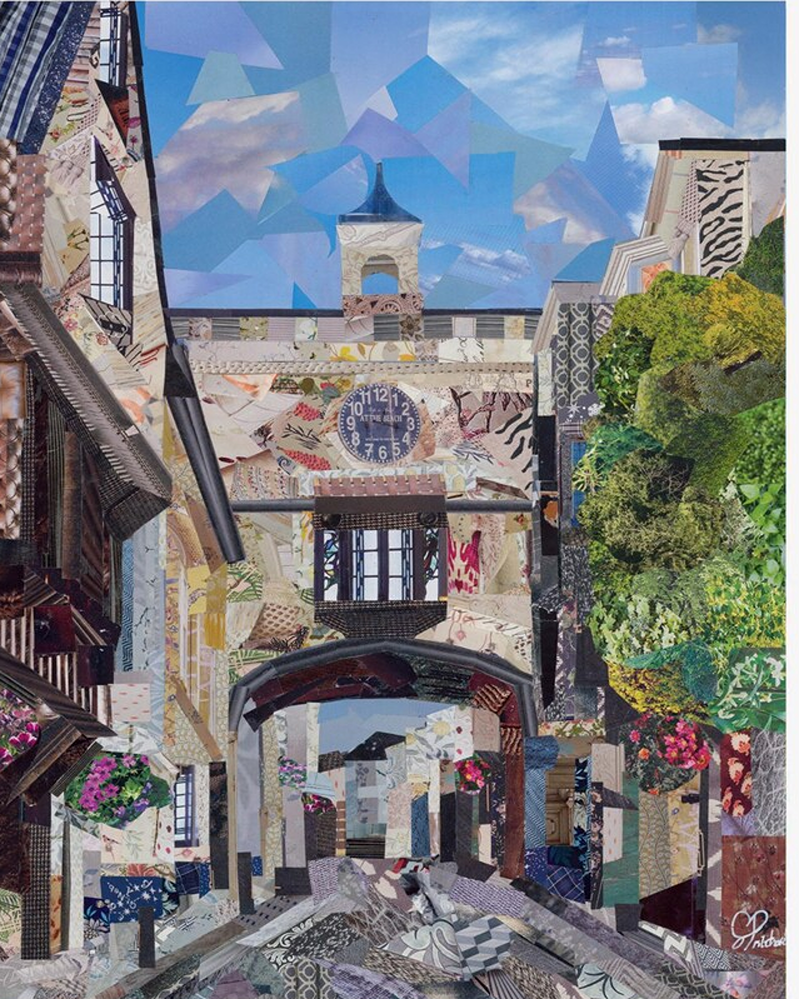
The historic high street is one of the best places to experience the character of Totnes. It climbs steeply through the centre of the town and is lined with historic buildings, independent shops and cafés.
One of the most distinctive landmarks is the Butterwalk, an attractive covered walkway dating from the seventeenth century. Its timber-framed architecture provides a reminder of Totnes’s importance as a historic market town.
The high street is also somewhere to explore without a strict plan. Duck into independent shops, browse second-hand books, look for local crafts or stop for coffee.
Totnes has a reputation for attracting artists, musicians, writers and people interested in alternative lifestyles, and this is reflected in the variety of businesses and events found around the town.
Above the town stands Totnes Castle, a Norman motte-and-bailey castle built following the Norman Conquest. Its elevated position provides impressive views across the surrounding countryside. The castle is a reminder that Totnes has been an important settlement for centuries.
The River Dart is another major feature of the town. Walking beside the river provides a quieter experience and offers attractive views of the surrounding countryside.
Hebden Bridge: A Creative Pennine Town

Hebden Bridge lies in West Yorkshire, surrounded by the steep hills and valleys of the South Pennines. The town developed during the Industrial Revolution, when the region became famous for textile manufacturing.
Today, Hebden Bridge has transformed itself into a vibrant and creative destination while retaining much of its historic industrial character. It is known for independent shops, cafés, galleries, arts events and a strong community atmosphere.
The surrounding Pennine landscape provided the water power and transport routes needed by early mills. The town’s old industrial buildings and stone architecture remain visible today.
Some former mills and industrial premises have been converted into modern businesses, studios and community spaces. This mixture of old and new is one of Hebden Bridge’s defining characteristics.
You can walk past a historic mill building and then find an independent café, artist’s studio or specialist shop inside. The result is a town where industrial heritage and modern creativity exist side by side.
The Rochdale Canal passes through Hebden Bridge and provides one of the town’s most attractive walking routes. The canal was an important part of the area’s industrial development, transporting goods through the Pennines. Today, the towpath provides a peaceful way to explore the landscape.
Glastonbury: England’s Mystical Town

If Totnes is known for alternative culture, Glastonbury is perhaps best known for its combination of spirituality, mythology and ancient history. Located in Somerset, Glastonbury has attracted pilgrims and visitors for centuries.
The town is closely associated with the legends of King Arthur, the Holy Grail and the mythical island of Avalon. Whether you believe the stories or simply enjoy folklore, they have contributed enormously to Glastonbury’s unique identity.
The town also has strong associations with modern spirituality. Shops selling crystals, incense, tarot cards, alternative books and spiritual goods are common around the centre.
This gives Glastonbury an atmosphere unlike almost anywhere else in England.
One of the town’s most important historic attractions is Glastonbury Abbey. The ruins provide a glimpse into the importance of Glastonbury as a religious centre during the medieval period.
The abbey was once one of the most important religious establishments in England, and its remains continue to attract visitors interested in history and architecture.
Perhaps no landmark is more strongly associated with Glastonbury than Glastonbury Tor. The distinctive hill rises dramatically above the surrounding Somerset Levels and is visible from miles away.
At the summit stands the roofless tower of the former Church of St Michael. The tower is one of the most recognisable sights in Somerset. The walk to the top is relatively short but can be steep in places. The effort is rewarded with panoramic views across the surrounding countryside.