Rye Nature Reserve & Camber Sands (Sussex coast)
The South Downs (East and West Sussex)
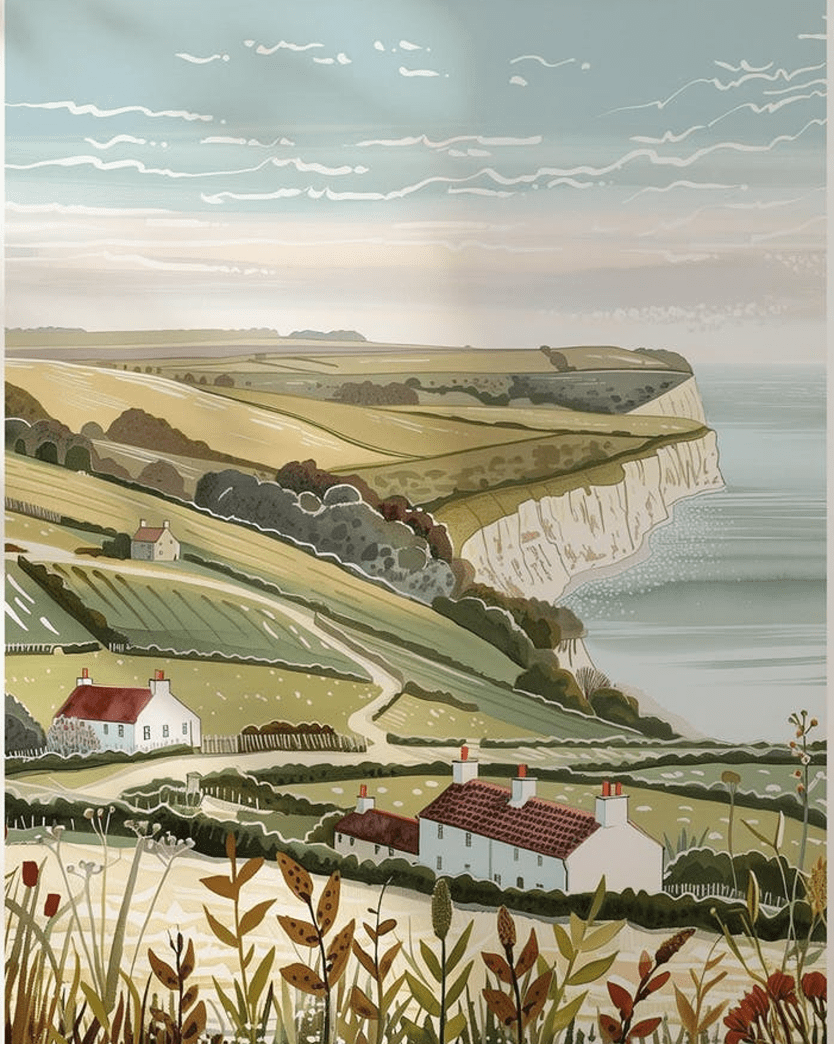
The South Downs National Park stretches from Winchester (Hampshire) to Eastbourne (East Sussex). It’s mostly known for its chalk downs, and beech woods that glow with copper hues, when autumn arrives. Many villages (like Amberley) lie nestled in the valleys, with old pubs and hidden churches are ‘old England’.
Out walking? Follow the Countryside Code to keep all creatures safe. Keep dogs away from steep banks, mushrooms (and other toxic plants/trees) and on leads during nesting season (and near barnyard friends and wild ponies).
At the coast, keep away from nesting birds and never walk on sand dunes. Learn how to keep dogs safe by the seaside (check beach bans before travel).
How to upright an overturned sheep
If when out walking you see a sheep on its back (due to pregnancy or rain-soaked wool), just firmly right it back (or it will die) then stay with it, until the rain has drained off.
This park is an International Dark Sky Reserve, free from light pollution. This attracts many wildlife species from butterflies to skylarks and shy deer (who hide in ancient woodlands). Barn owls can safely hunt at dusk, and local nature reserves help to protect rare bats, dormice and orchids.
The South Downs Way is a 100-mile national trail that runs across the heart of the park. It’s well-marked and open to walkers, taking you through open hills, secret valleys and quiet forests.
The long man of Wilmington
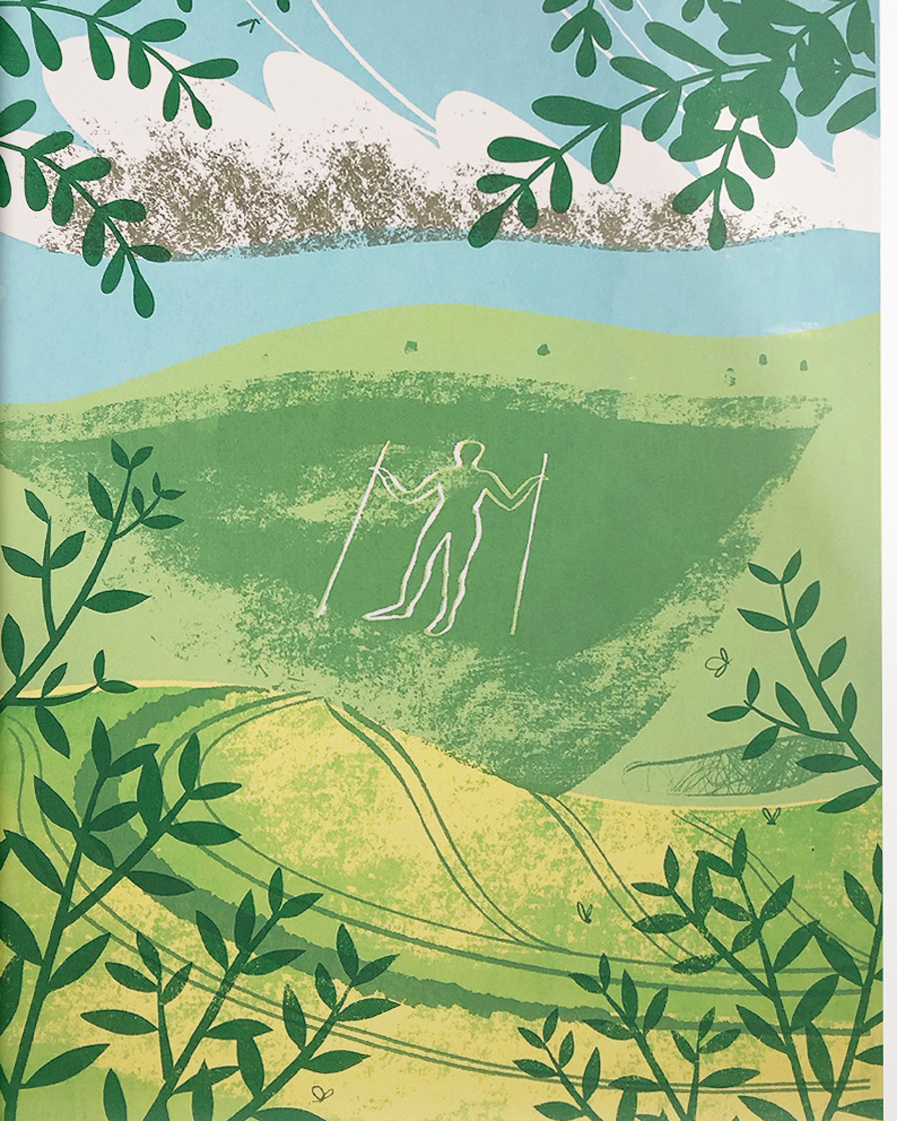
The Long Man of Wilmington is a 70ft giant man carved into the chalk hills of South Downs National Park near Alfriston (a pretty ancient Sussex village). His origin and reason for carving him have remained a mystery for generations.
We know he is over 300 years old (due to a sketch of him in 1710), and some believe he could have been carved as early as the Iron Age, or in Roman times.
In 1920, the chalk had faded, so locals and historians gave him a makeover with chisels and paint, and today there are surrounding concrete blocks, so he is easier to maintain!
The Long Man holds a stave in each hand, perhaps to symbolise his strength, to measure the land, or perhaps he was an astronomer? Or is watching over the fields? Nobody knows. One tale is that he marks the site of eternal rest, of two giant brothers who roamed the South Downs, and fell in battle.
If you wish to visit the Long Man without a big hike, it can be viewed from nearby Wilmington Priory. Nearby is the Litlington Chalk Horse, much smaller and carved into the hill in 1924.
The village of Litlington sits on the bank of the River Cuckmere, dating back to Domesday times. It’s home to one of the smallest churches in England, a charming architectural gem inspired by Gothic design, built in the 13 century. So is much older that its horse friend, by several hundred years!
Seven Sisters and Beachy Head
Seven Sisters and Beachy Head are the postcard views, and for good reason. The white cliffs rise cleanly from the sea, and the coast path gives one striking view after another. On a bright day, the chalk almost glows. In mist, the same coast feels softer and more distant.
This is one of the most photographed parts of the South Downs, yet it still feels spacious if you walk a little further. The cliffs are beautiful, but they need respect. Keep well back from edges, because chalk can be unstable. Also check the weather before setting off, especially if wind or low cloud is forecast.
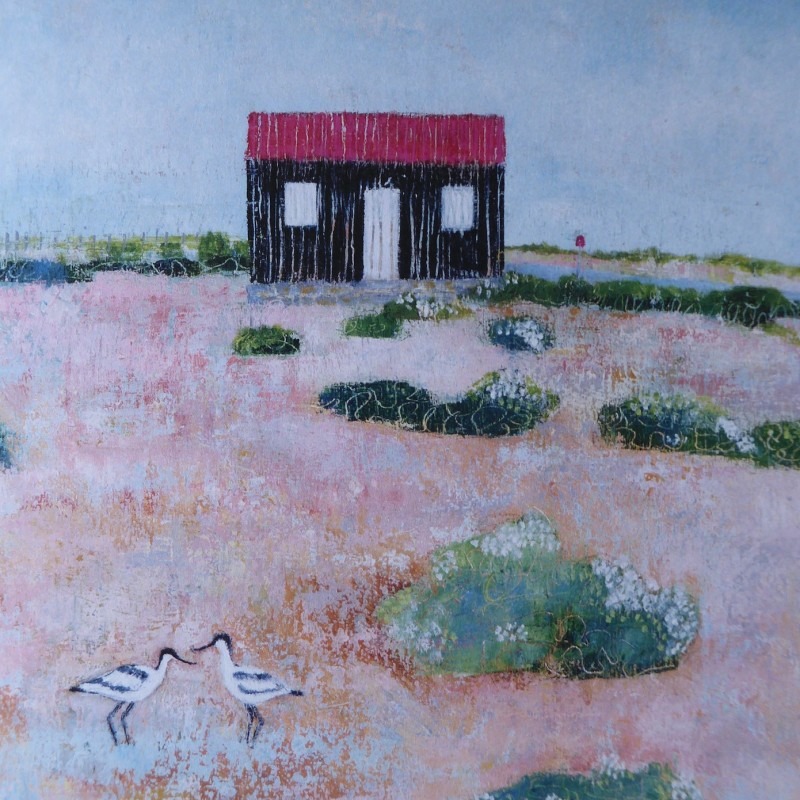
Rye Harbour Nature Reserve is near Camber Sands in East Sussex, home to over 4000 species of wildlife, including 300 rare species. The reserve features a variety of habitats including salt marshes, shingle ridges and woodlands.
Out walking? Follow the Countryside Code to keep all creatures safe. Keep dogs away from steep banks, mushrooms (and other toxic plants/trees) and on leads during nesting season (and near barnyard friends and wild ponies).
At the coast, keep away from nesting birds and never walk on sand dunes. Learn how to keep dogs safe by the seaside (check beach bans before travel).
Rye’s lakes, saltmarsh and bird hides
Rye Nature Reserve is best known for its mix of habitats. There are gravel pits turned to lakes, stretches of saltmarsh, reedbeds and shingle. That variety matters because different birds use different spaces.
Depending on the season, you might spot avocets, terns, marsh harriers or winter wildfowl. Spring and autumn can feel especially busy, with movement overhead and fresh arrivals on the water. In winter, the reserve becomes quieter in mood, though often richer in birdlife.
Keep at least 50 metres away from coastal birds, as flying away wastes energy that could be used for feeding (they need more space at high tide).
Preserving habitats for coastal birds
England’s coastal birds claim a mix of habitats:
- Mudflats: Feast grounds for sandpipers and whimbrels at low tide.
- Rocky shores: Perfect for turnstones to hunt amongst crevices.
- Estuaries: Sheltered feeding spots where many birds gather in flocks.
- Sandy beaches: The ideal racetrack for sanderlings.
It’s important not to disturb birds. RSPB Puffin Binoculars are designed for children (only cost around £30) and are small and lightweight, so pretty good for most adults too.
Camber Sands (sand dunes and big skies)
Camber Sands is one of the few places on this part of the coast with wide sandy beaches (never walk on sand dunes). The sea retreats nearly 1km at low tide (disposable barbecues are banned).
Towns and villages near Rye Nature Reserve
Bordering Kent are the historic towns of Rye, Battle and Hastings (where smugglers used to ply their trade) to Edwardian resorts like Bexhill-on-Sea and weald towns. Hastings is home to one of England’s few funicular railways.
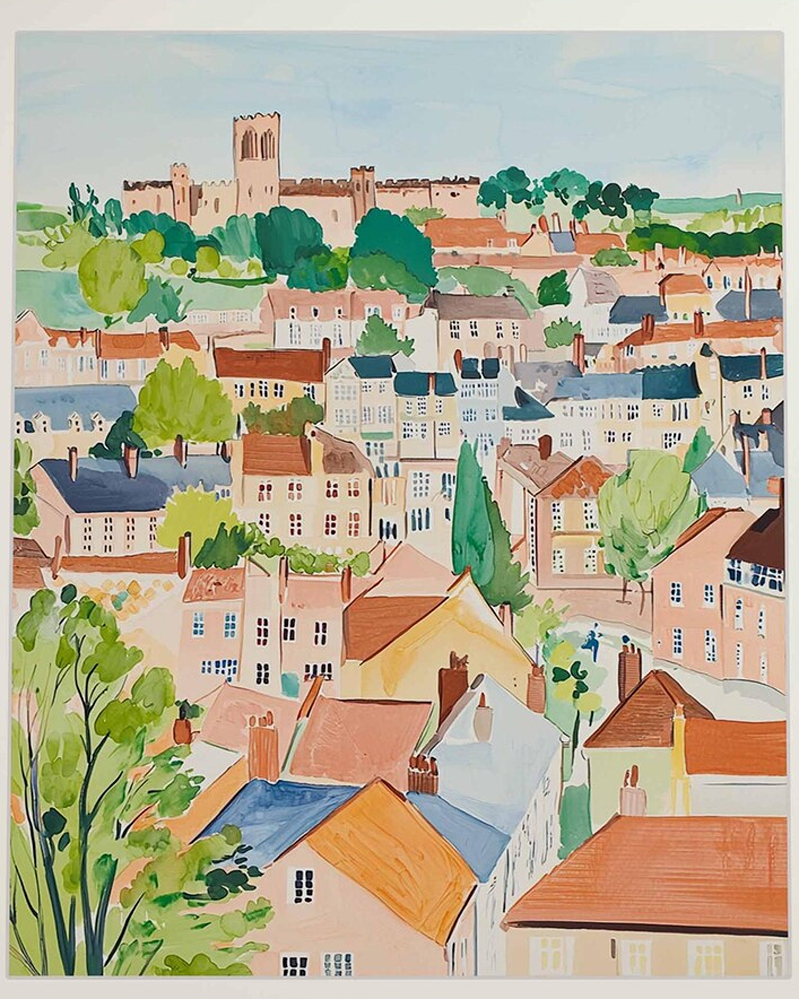
The nearby town of Rye is very hilly, with winding cobbled lanes, crooked Tudor houses and centuries-old inns. Mermaid Street is lined with sloping cottages, and home to many independent shops.
The village of Winchelsea, is where comedian Spike Milligan is buried. He has a Celtic inscription on his grave, after being refused his request for it to read ‘I told I was ill!’ Often classed as one of the funniest ever men, he fought a huge battle with depression, and often spoke on men’s mental health.
Also near Rye is Peasmarsh, a tiny village noted for being home to one of England’s few independent supermarkets. It’s not a ‘green grocery’ but does keep money within the community, and also runs several bakeries and cafes throughout the region.