Saffron Walden (a medieval market town in Essex)

Saffron Walden is a medieval market town in northwest Essex, named after the valuable saffron crocus that grew here in the 16th and 17th centuries.
Saffron crocus is highly toxic to pets, wildlife and barnyard friends (including horses). Read more on pet-friendly gardens.
Voted the best place to live in 2025, it’s known for its well-preserved Tudor buildings and a 12th century medieval turf maze. Nearby Audley End train station connects to Cambridge and London’s Liverpool street.
Always follow the Countryside Code to keep all creatures safe. Keep dogs away from steep banks, mushrooms (and toxic plants/trees) and on leads near birds, barnyard friends and wild ponies.
At the coast, keep away from nesting birds and never walk on sand dunes. Learn how to keep dogs safe by the seaside (check beach bans before travel).
It has England’s ‘best small outdoor market’
Saffron Walden outdoor market has been running twice a week since 1141! It must be doing something right, as it was voted England’s best.
Boasts over 300 listed buildings
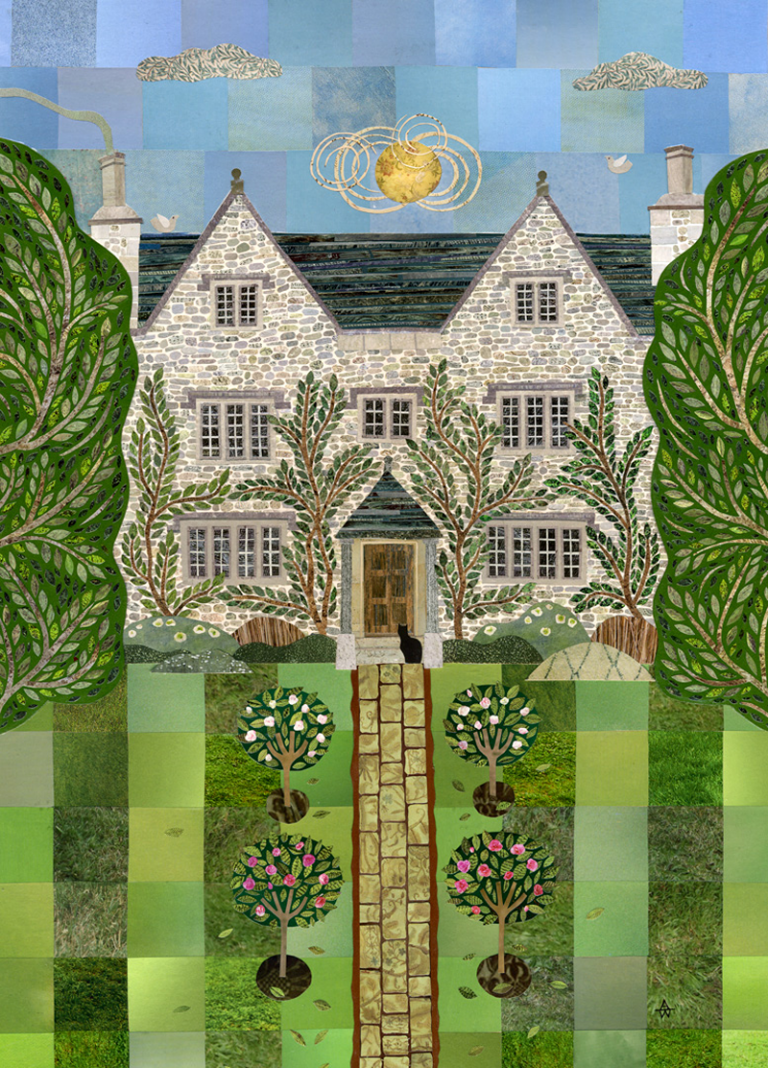
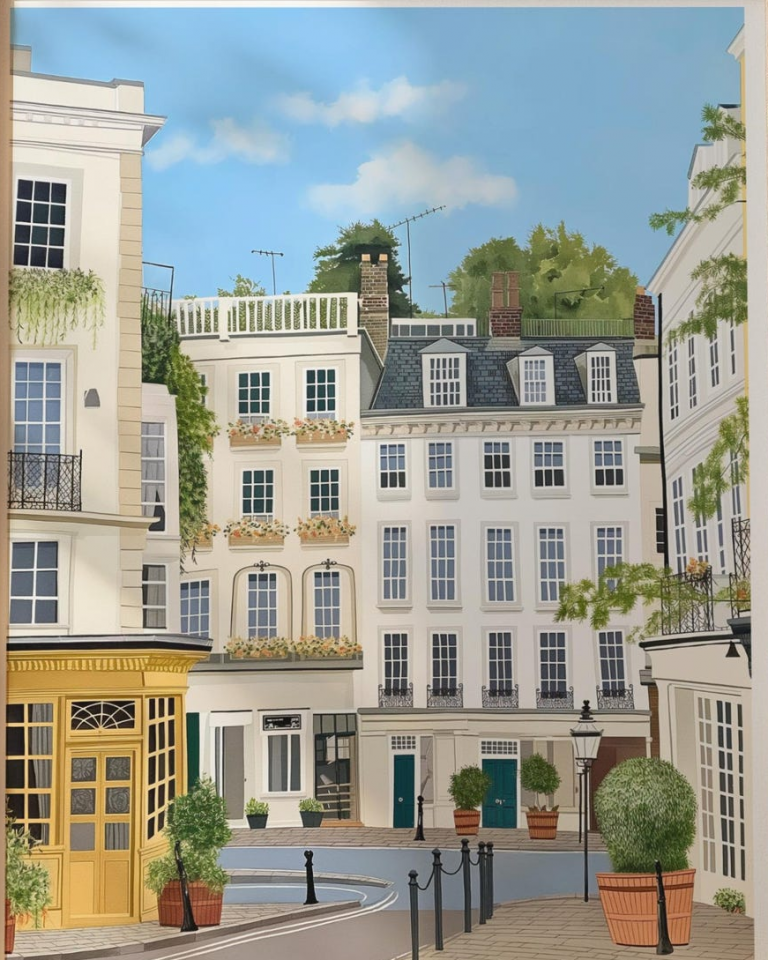
You won’t find ugly modern houses here, the stunning buildings feature pargeting (decorative plasterwork) and St Mary’s Church (the largest parish church in Sussex).
Strong ties to the Quaker movement
Saffron Walden used to be the town of the wealthy Gibson family, Quakers who helped to establish the local museum and library. Known as ‘the richest man in Walden’, Francis Gibson was a banker and brewer, but he was not mean, he helped develop the Victoria-era Bridge End Garden, which exists today.
He married Elizabeth Pease (daughter of railway entrepreneur Edward Pease) and together they partnered with other firms to create a major bank. He would no doubt be appalled that Barclays Bank now uses money to fund weapons (as Quakers are strict pacifists). He would no doubt encourage you to switch to a green bank.
Other pretty ancient towns and villages in Essex
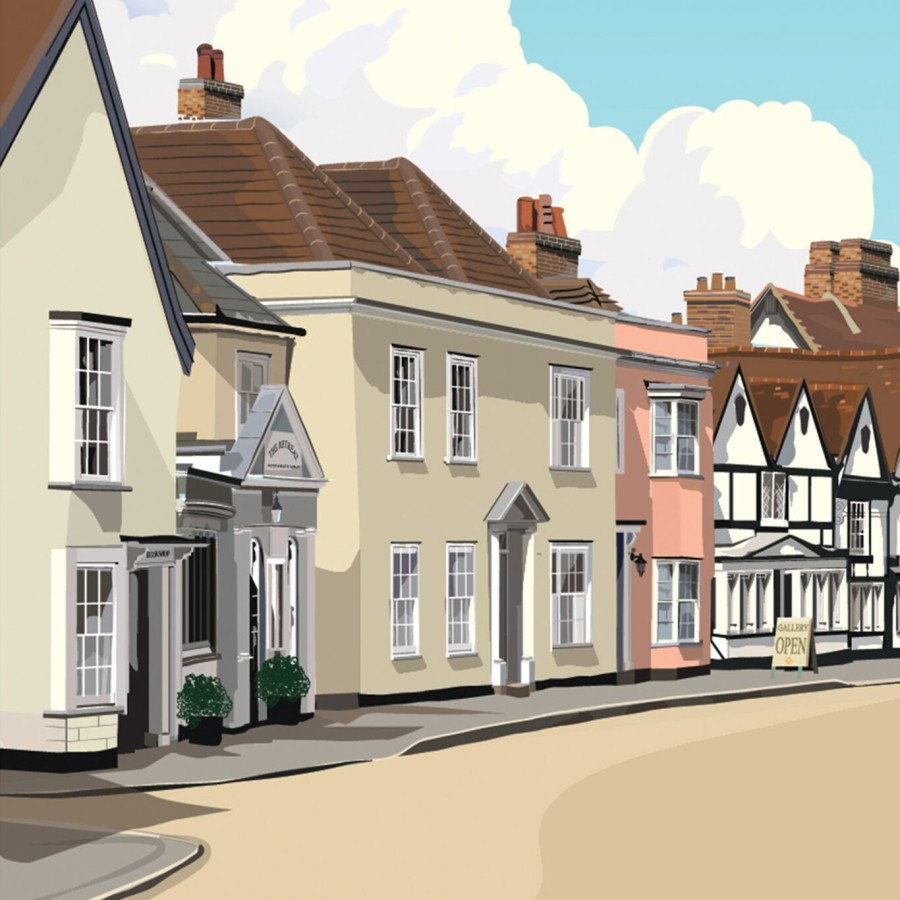
Dedham is a pretty village not far from Colchester and the River Stour. Take a riverside walk towards Flatford to view ‘Constable Country’, named after the painter John Constable.
Wivenhoe is a riverside area popular with writers and artists, and a quayside perfect for a stroll, then a pint in a local pub.
Maldon is of course known for its sea salt, and is home to historic Thames sailing barges and long views over the Blackwater’s mudflats and marsh edges.
Thaxted has the atmosphere of an old English story book. Cobbled streets wind past a grand church, timber-framed guildhall, and even a windmill. The market square has hosted traders for over 800 years.
Manningtree claims to be the smallest town in England, sitting on the banks of the River Stour. The high street is lined with Georgian homes, independent shops, and classic pubs.
Coggeshall is packed with history, from the old abbey to medieval buildings, and crooked cottages.
Finchingfield is known as Essex’s prettiest village. Thatched cottages, a duck pond, and a green give it a postcard look. Local bakers and cafes fill the air with the scent of fresh bread and coffee. The windmill overlooks the village.
Burnham-on-Crouch balances sailing culture with older riverside history. The waterfront has a clean, open feel, and the town rises gently behind it, with older buildings tucked among newer life.