Ideas to Help Save Our Independent Pubs
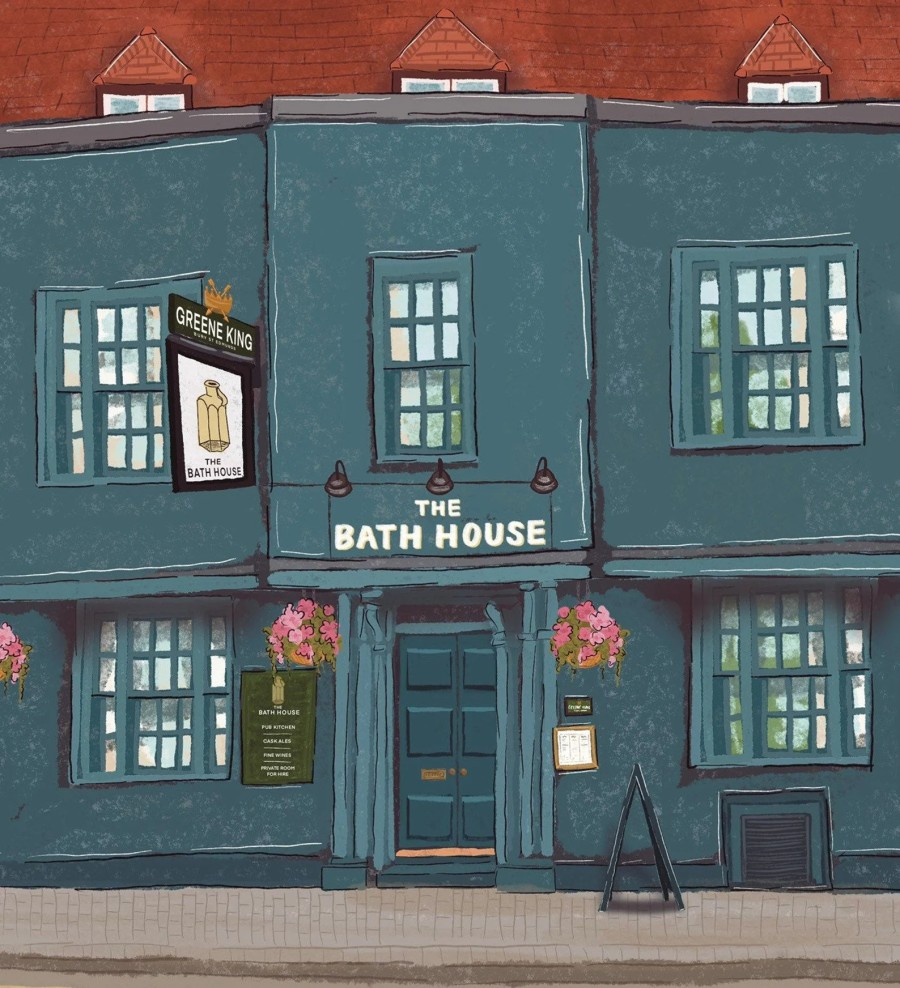
Walk past enough closed pub doors and you start to feel it. Not just the loss of a pint, but the loss of a place. In March 2026, plenty of independent pubs are still being squeezed, by higher energy bills, rent pressure, rising wages, and food and drink costs that don’t sit still. At the same time, habits have shifted, and household budgets feel tighter.
The hopeful bit is this, pubs don’t only survive on big gestures. They survive on small, steady choices, made by locals, owners, and councils, again and again. What follows is practical and current, ideas you can act on this month, without making it a second job.
Independent pubs keep people in work, support local suppliers, and offer a safe place to meet when home feels too small.
Plunkett is the organisation that helps to start or save community pubs (and shops). It can reach out with expertise help, and sometimes get you discounts on insurance and other perks.
Many pubs are going to the wall, sometimes due to rising rents. Other times due to high beer tax. And often due to being bought by big chains that remove the seats and turn the music up loud, so you sup up quickly, rather than sit down and engage in conversation, over a ‘beer an hour’.
A Few Ideas to Help Save Local Pubs
- Rent outside space to local farmers’ markets.
- Be the drop-off point for people collecting parcels.
- Be the place for musicians to perform acoustic concerts.
- If you have a license, use upstairs as an independent cinema.
- Offer a loyalty card (including no-alcohol drinks) for regulars.
- Offer board game nights and domino competitions!
- Be the venue for local repair cafes and similar initiatives.
Simple ways locals can keep their favourite pub open
If you want to support local pubs, you don’t need to turn every visit into a blow-out. What helps most is regular, predictable trade. In other words, the kind a landlord can plan staff and stock around.
A quiet Tuesday can matter as much as a lively Saturday, because it steadies the week. So, think less about spending big, and more about showing up in a way that fits your life.
Spend smarter, not just more: small habits that add up
First, pick one regular night a month and stick to it. Put it in your calendar like you would a haircut. That one habit can become a table that’s always taken, and that’s gold on a wet week.
If you’re not drinking, still go. Order a soft drink, a 0.0% beer, or a decent alcohol-free option, then stay for the chat. Many pubs make better margins on soft drinks than people expect, and your presence keeps the room alive.
Next, choose the pub for something you already do. Meet a mate for coffee. Swap a quick supermarket lunch for a pub sandwich. Book a table for a Sunday roast, even if it’s just once every six weeks. Those daytime covers can carry a kitchen through the week.
When you do eat, consider a small add-on. A side, a pudding, even a bowl of chips to share. It’s a gentle way to lift the spend without feeling like you’ve been rinsed.
Timing helps too. Go early in the week when pubs are quieter, because that’s when they most need the custom. Also, ask what they prefer for payments. Some pubs like card for speed, others like cash for fees and tips. A simple “Do you prefer cash or card?” is enough.
Show up and spread the word
Leave a kind, specific Google review if you’ve had a good visit. Mention the welcome, the clean loos, the roast, the fireplace, whatever stood out. Fresh reviews also help a pub show up when someone searches “pub near me”.
If the pub posts events, share one to your local group chat, or tag a friend who’d actually go. Keep it simple. “Quiz night Thursday?” works. So does bringing one new person along, because first visits often become habits.
In addition, consider starting a small meet-up. A book club once a month, a running group that ends with a lemonade, a parents’ catch-up after school. Pubs are built for this. The best ones feel like neutral ground.
Finally, give feedback with care. Tell the landlord what you love, and what would bring you back more often, like prices, music volume, lighting, or a couple of menu choices. Keep it respectful and clear. Good owners want to know, and vague silence doesn’t help.
What pub owners can try to boost trade
Owners don’t need a total reinvention. Most independent pubs already have something people want, a warm room, familiar faces, a decent pint. The task is to make those strengths easier to notice, and easier to choose, on a normal weeknight.
Not every idea suits every pub. A tiny bar can’t run like a village hall. Still, a few small shifts can lift takings, without turning the place into somewhere regulars don’t recognise.
Make the pub a place for more than pints: events that fit the room
Events work best when they match the space. Keep them simple, repeatable, and not too loud. Regular beats flashy, because people remember routines.
A short list of formats that tend to work in UK pubs:
- Quiz night: One host, a simple prize, and a start time that’s kept.
- Acoustic sets: Lower volume, earlier finish, and clear expectations for performers.
- Board game evenings: A small shelf of games plus one “host table” for newcomers.
- Darts and domino leagues: Friendly teams, predictable footfall, and steady bar spend.
- Local talks and clubs: History nights, craft circles, or a repair meet-up.
Pick one night a week and make it the night. Same day, same time, same basic offer. After a month, the room starts filling itself.
Offer value people can understand at a glance
Clear pricing helps, because customers make faster choices when they aren’t doing mental maths.
- Midweek deals can work, as long as they don’t feel like a trick. A set menu, a vegan pie-and-pint price, or a smaller plate option for lighter appetites can bring people in. Alcohol-free choices also matter now, so give them a proper spot on the menu, not a token line at the bottom.
- A decent low-price house soft drink helps too. If someone can get a pint of squash without feeling silly, they stay longer, and they come back.
- If prices have gone up, say so plainly, without a rant. A short line on a menu or chalkboard is enough, for example, “Supplier costs have risen, we’re keeping changes as small as we can.” People don’t love it, but they understand honesty.
- Waste hits margins hard, so tighten the offer. A smaller menu done well, plus a specials board that uses what’s in, can protect profit without looking stingy.
Make it easier to pop in: comfort, welcome, and modern basics
Many people choose a pub the way they choose a coat, by feel. Warmth, light, and comfort decide things fast.
- Start with the basics. Clean loos. Heating that works. Warm lighting, not harsh glare. Visible opening hours on the door and online, because nothing annoys locals like guessing. If you take bookings, make it simple.
- Contactless payment is standard now, and so is decent phone signal or Wi-Fi. People might not say it, but they notice when it’s missing.
- The welcome matters just as much. A nod, a “Hiya”, a quick pointer to where to order. Newcomers decide in 30 seconds if they’ll return. Clear, friendly rules help too, like where dogs can sit, whether kids are welcome early, and what time the vibe shifts.
- If you can, create one calmer option. A quieter corner, softer music at certain times, or a “chat table” away from the speakers. Small choices widen the crowd.
Use local powers and community ownership where it makes sense
If a pub faces sale or redevelopment, an Asset of Community Value (ACV) listing can help. In simple terms, it can give the community extra time to bid if the building goes up for sale. It doesn’t force a sale, but it slows things down.
In some places, community shares and co-ops have worked. Locals invest small amounts, then appoint a team to run the pub properly. Partnerships can help too, like sharing space with a post office counter, a café, or a village shop.
Community ownership can save a pub, but it also creates real duties, like repairs, staffing, and bills.
Get proper legal and financial advice, and be honest about running costs. A pub isn’t a charity box, it’s a business with boilers and roofs.
Back pubs that back the local economy
A pub that buys local keeps money circulating nearby. Stocking a local brewery, serving meat from a local farm, or using a local baker can build pride and a reason to visit. Pop-up stalls can help as well, like a Sunday market table in the car park, or a weekday food partner on a quiet evening.
Transport also shapes trade. Working with a nearby taxi firm, or promoting safe lift-sharing, makes it easier for people to come out, especially in villages. Accessibility improvements matter too, from ramps to clearer signage, because every barrier cuts out customers.
If you care about saving independent pubs, speak to your councillors about fair planning decisions, high street support, and business rates where possible. A short, polite email can go further than people think.
A Journey In Search of the Perfect Local Pub
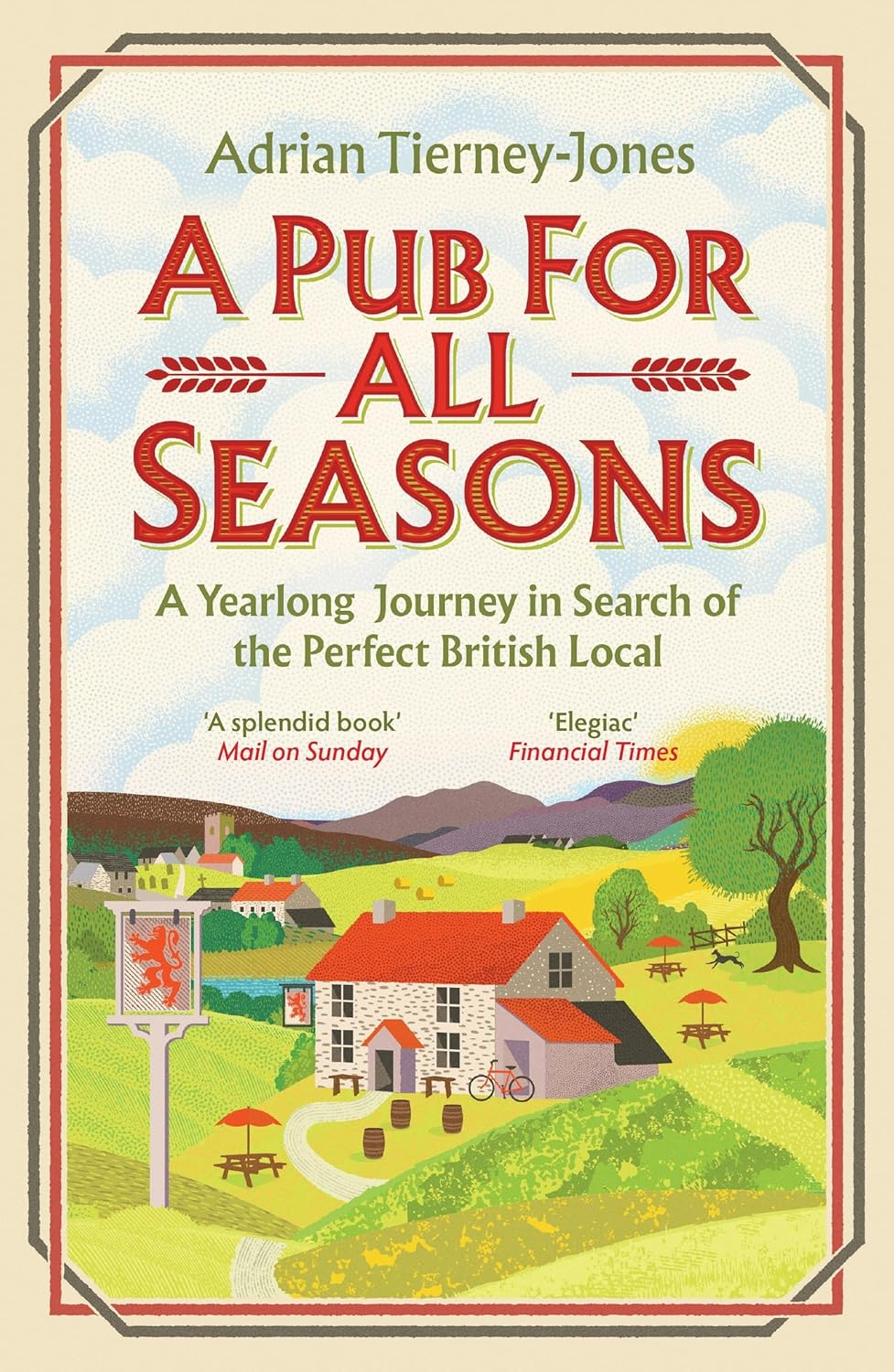
A Pub for All Seasons is a travel guide with a difference, the author on a mission to discover the best pubs in Britain.
Ever since he was old enough, the author has been visiting pubs all over the country. Join Adrian as he visits mellow gentle pubs, cosy spots, lively bars and buzzing garden pubs.
Along the way, he speaks to locals and landlords, hears unique sounds and stories, and notices the differences between pubs throughout his year-long journey.
And what started as a simple quest to find a nice place to sit and drink, ends up revealing so much more: the secret to what truly makes the perfect British local pub.
A poetic meditation on the public house, an appreciation of what makes a pub great. Spectator
Adrian Tierney-Jones is a journalist and writer on beer, travel and pubs. He can often be found with a glass, telling tales of drinking beer in bars across the world. He lives in Devon.