Somerset Levels (wetlands, water and wide skies)

The Somerset Levels feel simple at first, just flat land and open air. Then you notice the water, the way it sits in the fields, the way it threads through ditches and channels, the way the sky seems to take up most of the view.
One of England’s most important wetlands, they feature wide skies, rhynes, peat soils, winter floods, and the steady work of keeping a wet place liveable. They are a haven for local wildlife, thanks to reed beds and shallow lakes. Bitterns, marsh harriers and thousands of winter starlings call this place home. Along with cranes (England’s tallest birds) who have returned after 400 years.
If out walking, follow the Countryside Code to keep all creatures safe. Keep dogs on leads near steep banks (and away from toxic spring bulbs).
If at the coast, read how to keep dogs safe by the seaside (check for beach bans, before travel).
Wide skies (and the calm they bring)
The first thing that lands is the sky. Because the land is so flat, the horizon runs long, and the light travels without much to stop it. Even on a grey day, the cloud shapes feel close and readable.
In clear weather, the Levels can look almost spare. As a result, small changes stand out, a patch of mist, a line of willows, a flock lifting off at once. The space does a lot of the work, and you don’t need much else.
Wetlands that behave like a living system
The Somerset Levels are wetlands, but not the kind you only look at from a boardwalk. This is a working wetland, held in place by people and maintained over time, yet still full of natural motion. Water levels shift, plants spread, and birds arrive and leave with the seasons.
It helps to think in layers. There’s surface water, soaked ground, and deeper flows, and each layer shapes what can grow. Meanwhile, the wet ground holds its own kind of quiet, soft edges, muted sound, and slow changes.
Rhynes (drainage ditches store water)
Rhynes are the drainage ditches that run beside fields, lanes, and footpaths. They look plain, but they’re one of the key features of the Levels. Because they carry and store water, they help manage wet ground through the year, especially when rain stacks up over days.
The rhyme of them is visual as well as practical, water, grass, reeds, then water again. In addition, they act as wildlife corridors, linking ponds, fields, and bigger rivers. Stand by a rhyne long enough and you’ll notice the small life, beetles, snails, water plants, and the steady flicker of movement near the surface.
The River Axe (gathers rain from higher ground)
The River Axe matters here because rivers don’t just pass through, they collect. A catchment gathers rainfall from higher ground, then brings it down into flatter places, and that shapes flood risk and water quality. So even when you’re standing on low land, the story stretches back into the hills.
Along the Axe, the water can look gentle while it still carries force. After heavy rain, it rises and spreads, and that affects nearby fields and rhynes. In other words, one river links a lot of decisions, where water goes, how fast it moves, and what happens when it can’t drain away quickly enough.
Peat soils (stores carbon, holds water)
Large parts of the Levels sit on peat soils. Peat forms slowly, from layers of plant matter building up in wet conditions where it can’t fully break down. Because of that, it stores carbon and holds water, but it also changes when it dries.
Drain peat and it shrinks. Then the land surface can lower over time, which makes flooding and drainage harder. So peat isn’t just a soil type here, it’s part of the long balance between farming, water management, and keeping the land stable.
Read reasons to avoid peat compost (keep fresh compost away from pets).
Winter floods (happen a lot here)
Floods in the Somerset Levels aren’t a rare surprise. They’re part of how this place works, especially in winter, when rivers run high and fields hold water for longer. Sometimes the water looks almost tidy, a sheen across grass, a mirror for the sky, but the impact is serious for homes, roads, and livelihoods.
The hard part is time. A flood that lasts days feels different from one that lasts weeks, and recovery adds its own strain. Still, the Levels have always been about managing water rather than pretending it isn’t there.
Birds on the Levels (need space and wetlands)
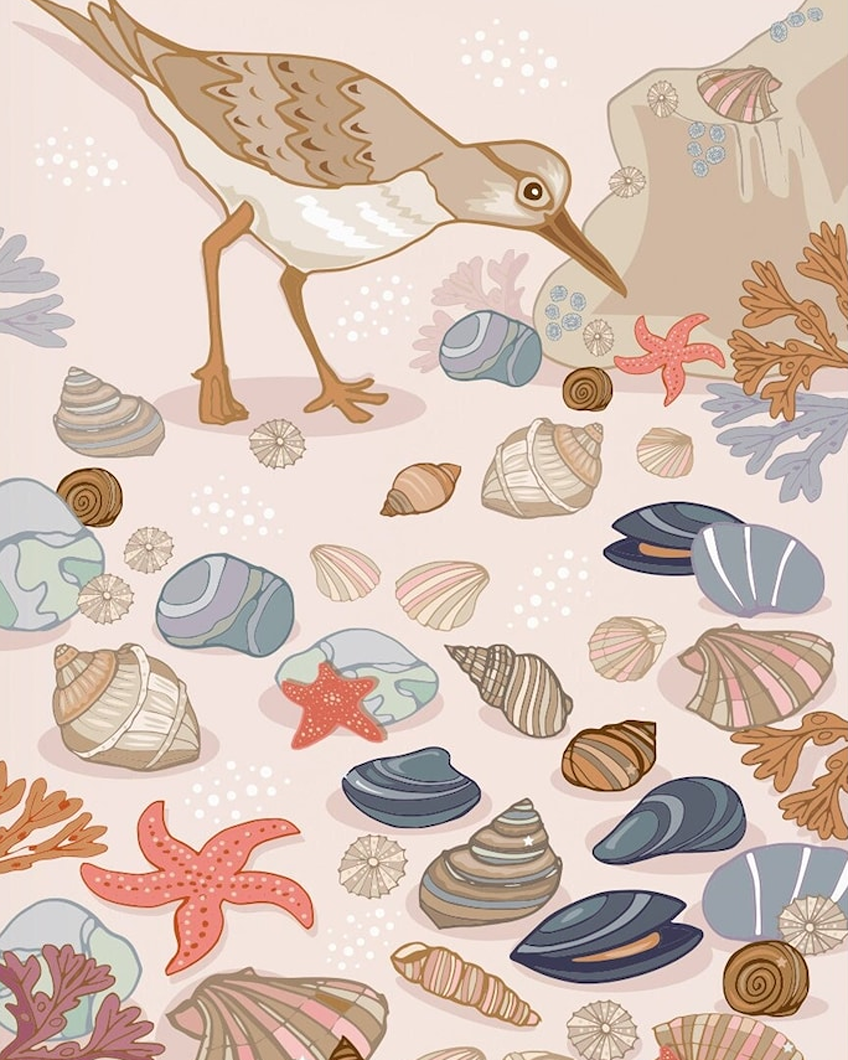
Birdlife fits the Levels because it needs room and water. Wet fields, rhynes, and reedbeds create feeding and nesting spots, and the open layout lets flocks move without much obstruction. As a result, you often see birds at a distance first, a shifting line, a sudden lift, a drift back down.
In colder months, the sense of scale grows. A big flock can turn a quiet view into something busy and alive, even when the rest of the scene stays still. Besides, bird calls travel far over flat ground, so you hear more than you see at first.
Raft spiders (the hidden hunters on wetlands)
The Somerset Levels are one of the few places in England where raft spiders live (they sit near bogs and ‘float’ while catching prey. They live around ponds, ditches, and slow water, and they can move across the surface by using surface tension.
They’re easy to miss if you rush. Still, a slow walk by a sunny rhyne can reveal a lot, reed shadows, water skaters, and the quiet, poised stillness of a spider waiting. If you spot one, keep your distance and let it carry on, because the point is watching (not disturbing).
Reedbeds and willows (soft borders)
The Levels don’t rely on big landmarks. Instead, they use borders, reeds fringing water, willows leaning over ditches, hedges breaking wind across fields. These features give shelter to wildlife and shape the feel of a walk, even when the route looks straight on a map.
Reedbeds, in particular, change the sound of a place. Wind passes through them differently, and birds hide inside, calling from cover. Meanwhile, willows often mark wetter ground, so they become a quiet signpost for where water sits and returns.
Managing water (sluices and pumps)
Water management on the Somerset Levels is ongoing work, not a one-off fix. Channels need clearing, banks need checking, and water levels need adjusting across seasons. Because the land sits low, small changes in flow can make a big difference.
There’s also a human rhythm to it. People monitor, maintain, and respond, especially after prolonged rain. So the landscape you see, tidy rhynes, defined drains, passable tracks, comes from routine attention as much as from nature.
How to protect the Somerset Levels
Stick to paths where you can, because soft ground and bank edges damage easily. Keep dogs under close control near livestock and ground-nesting birds, and close gates behind you.
Don’t drop litter, even small things like bottle tops, food wrappers, or fishing line. It ends up in water, and then it becomes a hazard for birds and animals. Avoid using drones as well, because they disturb wildlife and can stress flocks, especially in winter and during nesting season.
The Gwent Levels in Wales (a useful comparison)
The Gwent Levels are flat, wide and quiet with reens (drainage ditches), sea walls, and big birdlife if you pause long enough to view from afar. This Stolen Land tells the story of these wetlands that line the north shore of South Wales’ Severn Estuary.
Welsh wildlife TV presenter Iolo Williams is passionate about the Gwent Levels, and is very vocal about needing to protect them from development. He says they are a ‘jewel in the crown of Wales’ with fragile wetlands that need protection, as a matter of urgency. He once told former Prime Minister Boris Johnson ‘Keep your money-grabbing mitts of the Gwent Levels’.
Conclusion
The Somerset Levels don’t ask for much, time, attention, and a bit of care. In return, they give you wetlands that feel close to the skin of the land, water that shapes every view, and skies that make ordinary light look new. Rhynes, peat, raft spiders, river lines like the Axe, and the slow fact of floods all fit together here.
If you move through gently, and leave no trace, the place stays open for the next person, and for the wildlife that already belongs. The Levels stay what they are, wide, wet, and quietly alive.