Sustainable surfing (boards, wax and reporting pollution)

Surfers are a pretty sustainable bunch anyway, so it remains one of the most environmental-aware sports. Cornwall is one of England’s top surfing destinations, due to its high waves. If you’re a sustainable surfer, here are a few simple and affordable tips and swaps.
Respect coastal wildlife
- Never walk on sand dunes, and keep away from nesting birds. Check beach dog bans, and learn how to keep dogs safe by the sea.
- Also give seals space and join the campaign to ban flying rings.
- If you find an injured or distressed creature, call British Divers Marine Life Rescue for advice (the RSPCA or Coastguard can put you through).
Choose ocean-safe sunscreen that avoids harmful chemicals. Wash sunscreen off before pets kiss you, as zinc oxide is toxic to animals. Same for deodorants and cosmetics (and cocoa butter creams).
Otter wooden surfboards
Recycled surfboards may sound good. But could still release microplastics into oceans. Otter Surfboards handcraft beautiful wooden surfboards from responsibly sourced timber.
They can be shipped in Flexi-Hex packaging.
Rad Wax (eco surf wax)
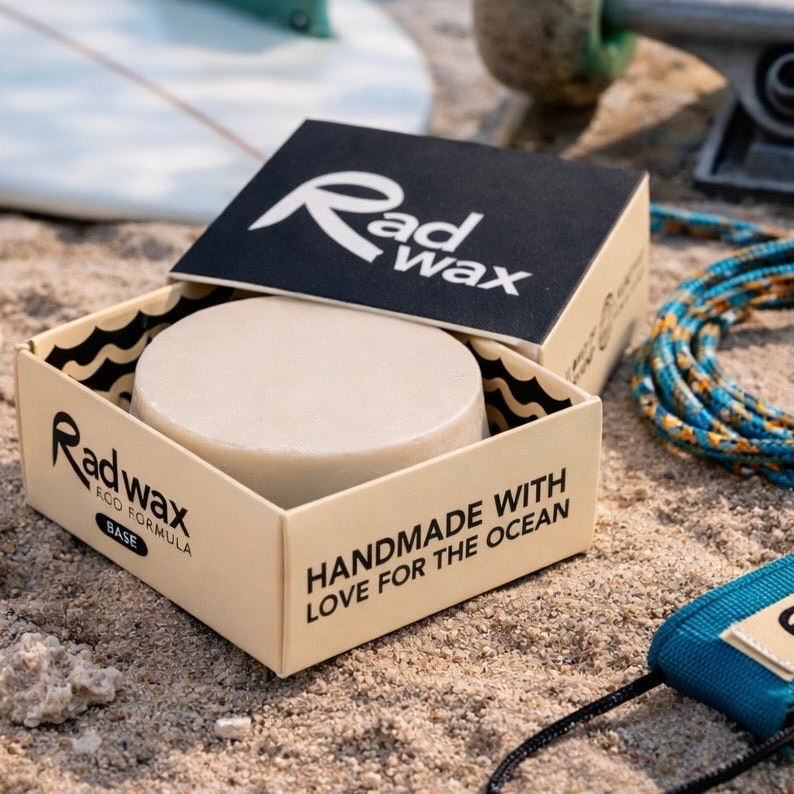
Rad Wax is made from biodegradable, plant-based ingredients. Rather than paraffin wax, made from oil. It has good grip in many water temperatures, and is easy to apply and remove.
Choose the fragrance-free option, to avoid synthetics entering the sea.
Kernow sustainable surf clothing

Surf Kernow (Cornwall) makes organic cotton surf clothing with green energy. Everything’s made to Fair-Wear standards in India.
Better wetsuits (with rental option)
All wetsuits are made from neoprene, at present there is no other alternative. But Finisterre (also for men) are better than most, made with some natural rubber and recycled materials.
They have warm flexible designs for cold-water surfing and blind-stitched to minimise water entry. Ethically made, this brand also offers wetsuit rentals, if you are not using one regularly.
Support Surfers Against Sewage
Founded in Cornwall, Surfers Against Sewage began as a small organisation to campaign against sewage affecting local beaches. Today it’s one of England’s leading environmental charities. This charity also:
- Organises beach cleans across the UK
- Campaigns against plastic pollution.
- Helped ban single-use plastic cotton buds
- Lets people to report sewage pollution and illness after swimming.
Suspect sewage pollution? Avoid entering the water if the water is brown and smells foul, has remnants of sewage waste (toilet paper, wet wipes, sanitary products) or you see dead/distressed fish and wildlife (call British Divers Marine Life Rescue or local wildlife rescue).
Sewage systems combine rainwater and wastewater. During heavy rain, water companies are legally allowed to release untreated sewage through storm overflows, to prevent flooding.g But these are now used more than necessary, usually to keep profits.
Swimming in polluted water can increase risk of gastroenteritis, hepatitis and infections caused by E. coli bacteria.
Support SAS (buy organic t-shirts!)

An easy way to support Surfers Against Sewage is to buy their branded organic cotton t-shirts and other casual clothing, when time comes to replace.
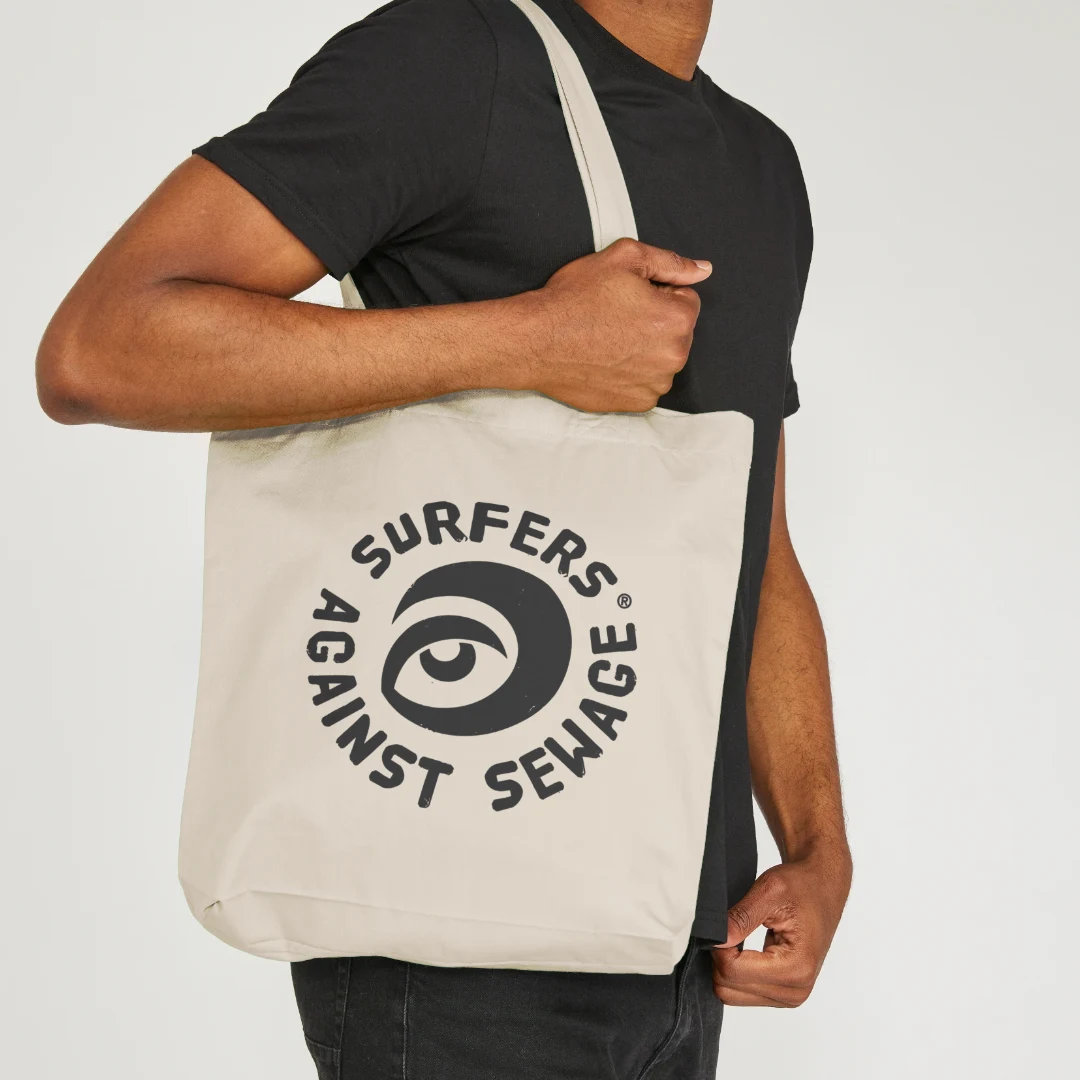
Everything is made with organic cotton, printed with green energy and sent in zero waste packaging. You can also buy organic cotton tote bags (for baseball caps, launder in a microfiber filter, due to recycled polyester fabric).