Designing for People, Not Cars: Walkable Urban Planning
Imagine a city where everything you need is just a short walk or bike ride away. This is the vision of the 15-minute city, a revolutionary urban planning model that’s gaining traction worldwide. As cities face growing populations and environmental challenges, this concept offers a fresh approach to sustainable living and improved quality of life.
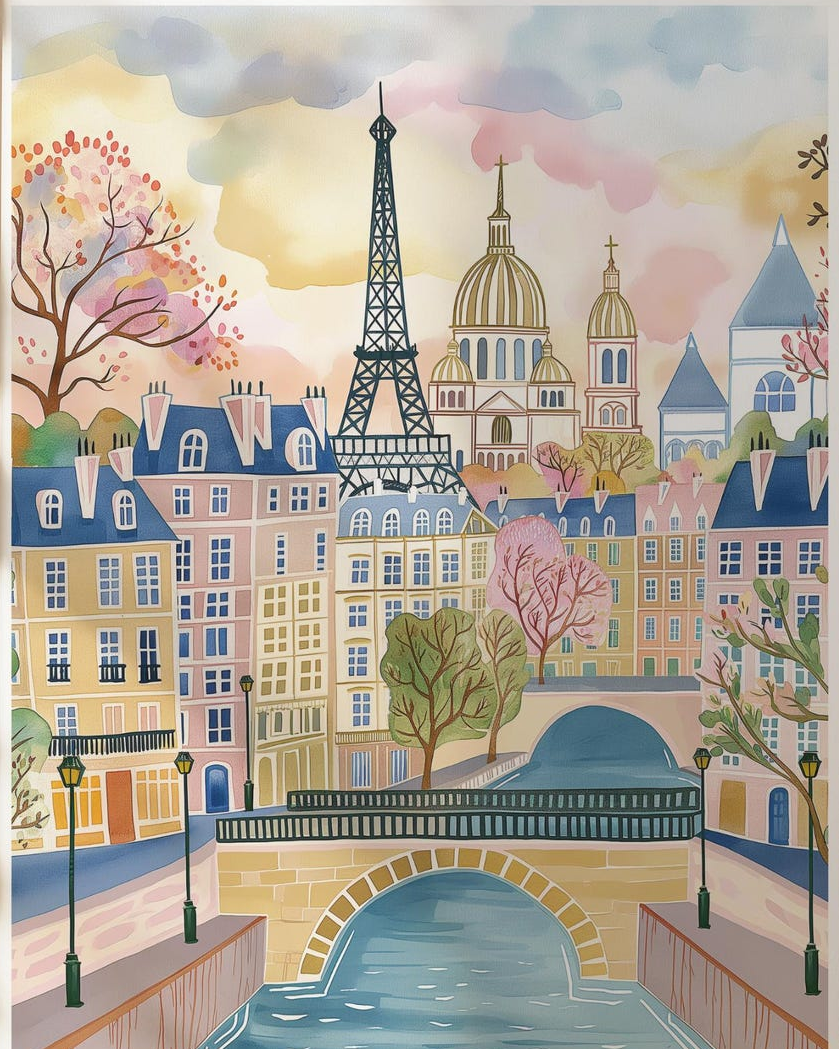
Paris is one of the world’s most walkable cities, with most buildings no more than four -stories so everything is at eye level.
The only ‘tall buildings’ are the Eiffel Tower and a few others, this is not a city of skyscrapers. But rather walkable streets and many beautiful public parks. Most people walk everywhere and take the Metro (like our underground) rather than drive. Which is a lot safer in France!
The central areas are divided into Arrondissements, and are built for people over cars, with over 100 walking-only streets. Along with many car-free areas along the River Seine and many narrow historic streets. Often it’s faster to walk, than waiting for a bus.
For rainy days, there are many passages couverts for people to pass the time having coffee or window-shopping. And it’s easy to explore popular areas like Montmartre, as cars are restricted.
And when French people get thirsty from all that walking, the city is full of public water fountains, that spew out fresh clean safe water, so they don’t have to buy bottled (or even carry reusable bottles).
Paris has been designated a ’15-minute city’, where everyone can walk from their home to work, the park, shops, the boulangerie and the patisserie, all in quarter of an hour!
Paris is the only city where you can step out of a railway station and see simultaneously the Seine with its bridges and bookstalls, the Louvre, Notre Dame, the Tuileries Gardens – nearly everything. What other city offers you so much, as you leave a train? Margaret Anderson
In the Alabama town of Mt Laurel, everything has been designed to be within walking distance. The trees that were uprooted to build the town were later replanted, and today everyone can walk to the local park (there are two dog parks – one for boisterous dogs and one for senior dogs who just like to potter and sniff).
People can easily walk to the local farmers’ market. If there’s a fire, you can even run to the fire station to report it!
Streetfight is a book by a woman who against big opposition, turned an area of New York City from gridlocked traffic, to a pedestrian paradise. Now it’s an area for walking, cycling, buses and green spaces. The book is a manifesto for other places to do the same, with practical tips to make streets safer and nicer to live.
Create mixed use developments
Examples include pocket parks in Mexico City and LA, walking-friendly communities in Auckland and Buenos Aires and bike lanes in Indianapolis and San Francisco.
One effective approach is the creation of mixed-use developments. These projects combine residential, commercial, and recreational spaces in one area, allowing people to live, work, and play without the need for long-distance travel.
Imagine waking up in a neighbourhood where shops, offices, and parks are just a short walk away. This not only reduces reliance on cars but also fosters a sense of community.
By clustering different types of spaces together, mixed-use developments can significantly decrease traffic volumes. When people can access amenities nearby, they’re less likely to hop in their vehicles for every errand. As a result, urban areas can experience less congestion and improved quality of life.