York (an elegant historic northern city)
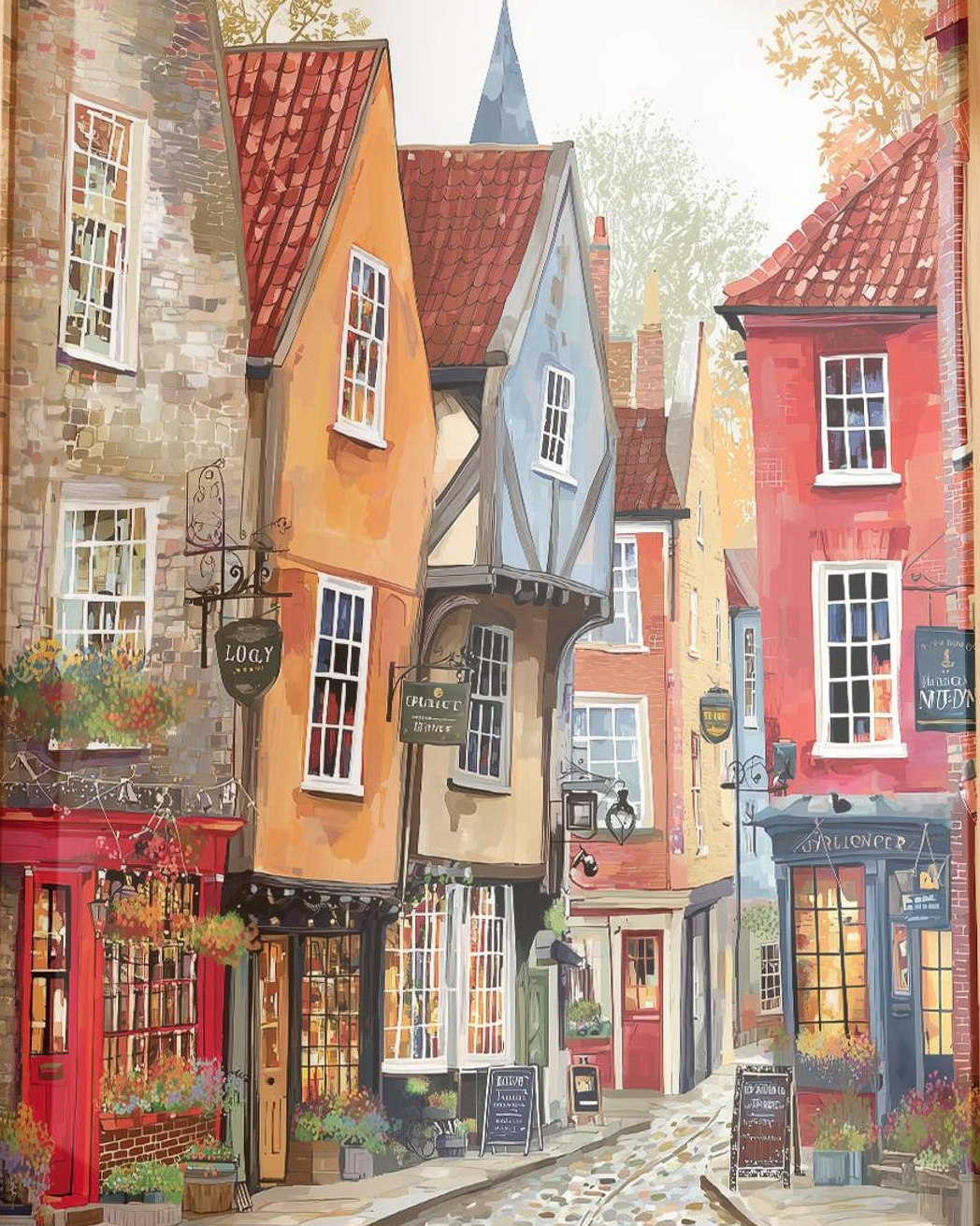
Stone walls, narrow lanes, bells in the air, and a river moving at its own calm pace, York has a way of settling the mind. It feels historic from the first few steps, yet never stiff or remote. Life still moves through its old streets with ease.
That balance is a large part of its charm. York carries Roman roots, Viking stories, medieval wealth, and later polish, all within a compact city centre. What follows is a closer look at its past, its best-loved sights, and the everyday grace that makes it one of the most appealing cities in the North of England.
If out walking, follow the Countryside Code to keep all creatures safe. Keep dogs on leads near steep banks (and away from toxic spring bulbs).
What makes York such an elegant and historic city?
York stands apart because its history is easy to see, and even easier to feel. Some cities keep their past behind glass. York folds it into daily life. A short walk can take you past Roman traces, medieval lanes, Georgian fronts, and busy shops, all without any strain.
The city also feels ordered in a way many old places don’t. Its streets bend and narrow, yet the centre still seems coherent. That mix of age and clarity gives York a rare mood, old, handsome, and quietly self-assured.
A past shaped by Romans, Vikings, and medieval power
York began as Eboracum, a Roman fortress and base of power in the north. That early role mattered because it fixed York as a place of defence, trade, and rule. Parts of the Roman past still sit beneath the present city, and the street plan still carries some of that early structure.
Later came the Vikings, who knew the city as Jorvik. They turned it into a major trading centre, connected to routes far beyond northern England. So York’s history isn’t only about kings and churches, it is also about markets, craft, and movement.
By the medieval period, York had become one of the richest and most important cities in England. Wealth from wool and trade helped shape churches, guildhalls, and grand homes. As a result, the city still has the look of a place that once held real weight.
Why the city feels refined as well as old
Age alone doesn’t make a city elegant. York feels refined because it has been cared for, and because its beauty works at street level. There are handsome townhouses, polished shopfronts, hidden courtyards, and small details that slow you down.
Its scale matters too. Big landmarks rise above the centre, yet most streets remain intimate. You notice carved signs, bowed windows, old brick, and the warm glow of tearooms. So the city never feels overblown. It feels lived in, composed, and gently stylish.
York Minster and the city skyline
At the heart of the city stands York Minster, and it is hard to overstate its presence. The building rises above the streets with a kind of calm authority. You see it suddenly between houses, over rooftops, or at the end of a lane, and each glimpse resets your sense of where you are.
The Minster is one of the great cathedrals of Europe, yet it doesn’t feel distant from the city around it. Its stonework is rich, its scale is immense, and its stained glass draws the eye with quiet force. Inside, the space opens upward in a way that feels almost weightless.
Outside, the broad close around the Minster gives the city room to breathe. Because of that, the building works not only as a landmark, but as York’s visual centre.
The Shambles and the charm of York’s old streets
Few streets in England are as instantly recognisable as the Shambles. Its timber-framed buildings lean towards each other, and the upper floors seem to hover above the paving. The street is narrow, uneven, and full of life, which is exactly why it works.
Still, the Shambles is only part of the story. York’s wider network of lanes and snickelways carries the same appeal. You turn a corner and find a quiet passage, a tiny shop, or a view of old stone catching the light.
Walking the walls for the best sense of the city
The city walls bring everything together. A walk along them offers views of towers, roofs, gardens, gates, and newer streets beyond the old core. In one circuit, you get a clear sense of how York grew and how the past still shapes it.
The walls are among the best preserved in England, and they remain remarkably accessible. You can climb up near one gate, walk a stretch above the traffic, and look down into the city as if reading a map made of stone. The River Ouse often slips into view as well, softening the scene.
That mix of old and new is part of the pleasure. Churches, shops, homes, and rail lines all sit within sight of each other. So the walls don’t just show York’s history. They show its character.
A compact city that is easy to explore on foot
One of York’s great strengths is its size. The centre is compact, so you can see a surprising amount without hurrying. That makes the city kind to first-time visitors and easy for a weekend break.
You don’t need a strict plan. Walk from the Minster to the Shambles, cross towards the river, then loop back along the walls or through a quieter street. Because distances are short, the day feels full without becoming tiring. That ease gives York much of its appeal.
The simple pleasures that make people want to return
Some places impress once. York draws people back because it is full of small pleasures. Afternoon tea in an old room, a browse in an independent shop, an hour in a museum, or a slow walk beside the Ouse can be enough.
Season also changes the mood. In winter, the city feels close and glowing. In spring and summer, the riverside and gardens open up. Then there are market days, church bells, and the low hum of a city that still works as a real place, not just a backdrop.
For culture lovers, weekend visitors, and anyone after a beautiful city break in England, York offers something steady and satisfying. It doesn’t push too hard. It simply stays in the mind.
York’s appeal is simple to state and hard to forget. It is a city where history stays present, yet never feels trapped in the past. Its streets, walls, Minster, and riverside all work together to create a place of beauty, warmth, and depth. If you want a northern city with grace as well as story, York remains one of England’s most rewarding places to visit.