The Disappearing Sounds of Nature in England
The English countryside carries a soundtrack all its own. Birds in the hedgerows, bats at dusk, and insects humming by rivers have filled these landscapes for centuries. In recent years, many of these natural sounds have faded, we need more organic farmers!
With habitat loss, rising traffic, and modern life, the songs of many wild creatures now belong more to memory than daily life. Below are the top ten disappearing sounds of England’s natural world, along with the reasons behind their decline.
If walking in nature, always follow the countryside code. If at the coast, read our post on keeping dogs safe by the seaside.
Water Vole Plops and Squeaks
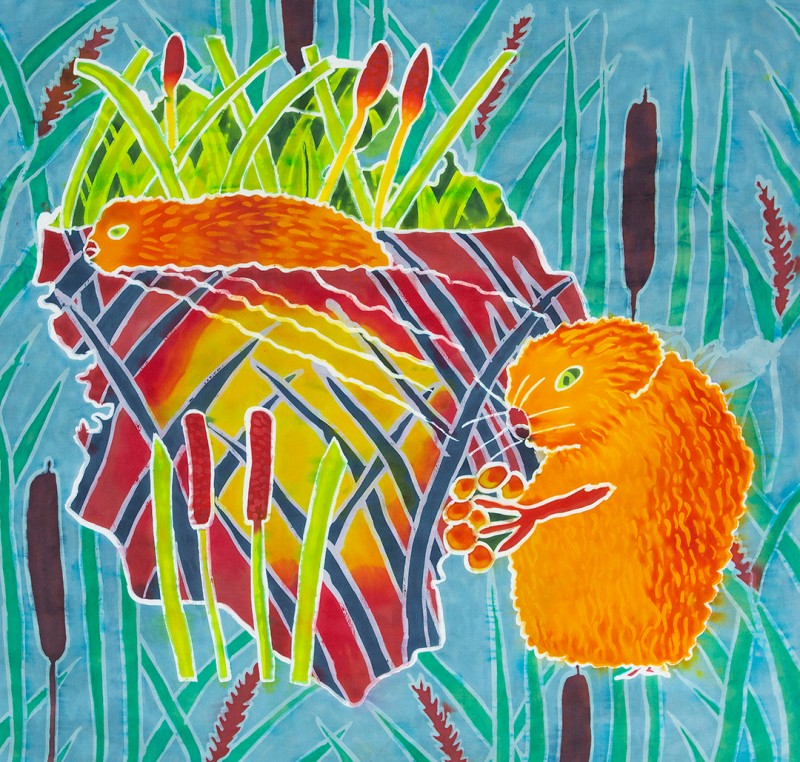
Water voles, sometimes called river rats, used to rustle and squeak in almost every English waterway. It’s true they are predated by American mink (brought over to England for the fur industry, another cruel decision by man). But modern farming methods are a big reason for their decline.
Learn how farmers can help tiny voles through wildlife-friendly farming practices. Also stop light pollution, as this disrupts their night-time activities.
Dawn Chorus in Ancient Woodlands
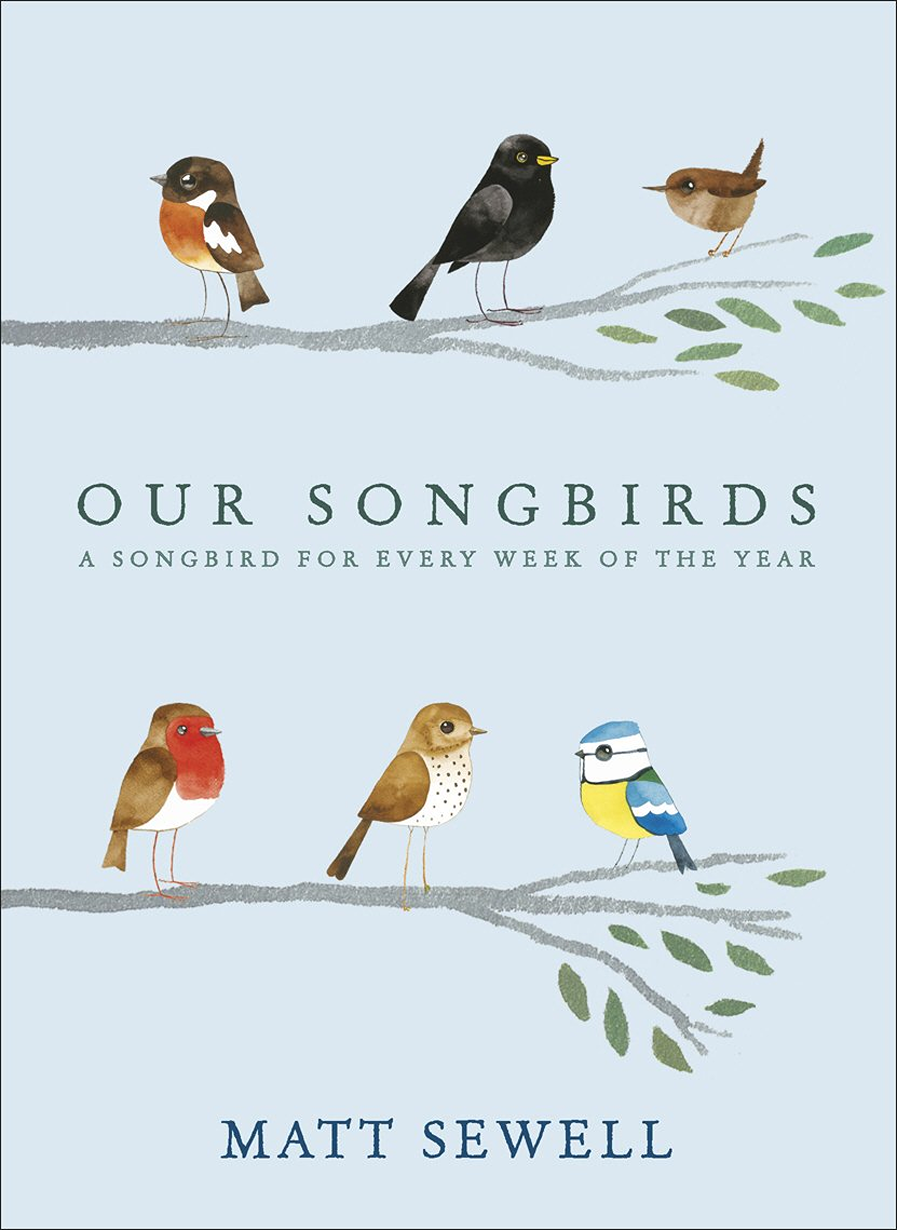
Britain’s famous dawn chorus, with many songbirds raising their voices before sunrise, is much quieter today. Woodlands have grown smaller and more fragmented.
Agricultural development and 24-hour lifestyles interrupt or replace the quiet hours birds need. Birds struggle to compete with the constant drone of trucks and cars, and there are fewer places left for them to nest.
Learn more how to create safe havens for garden birds, and how to stop birds flying into windows.
The Nightingale’s Song
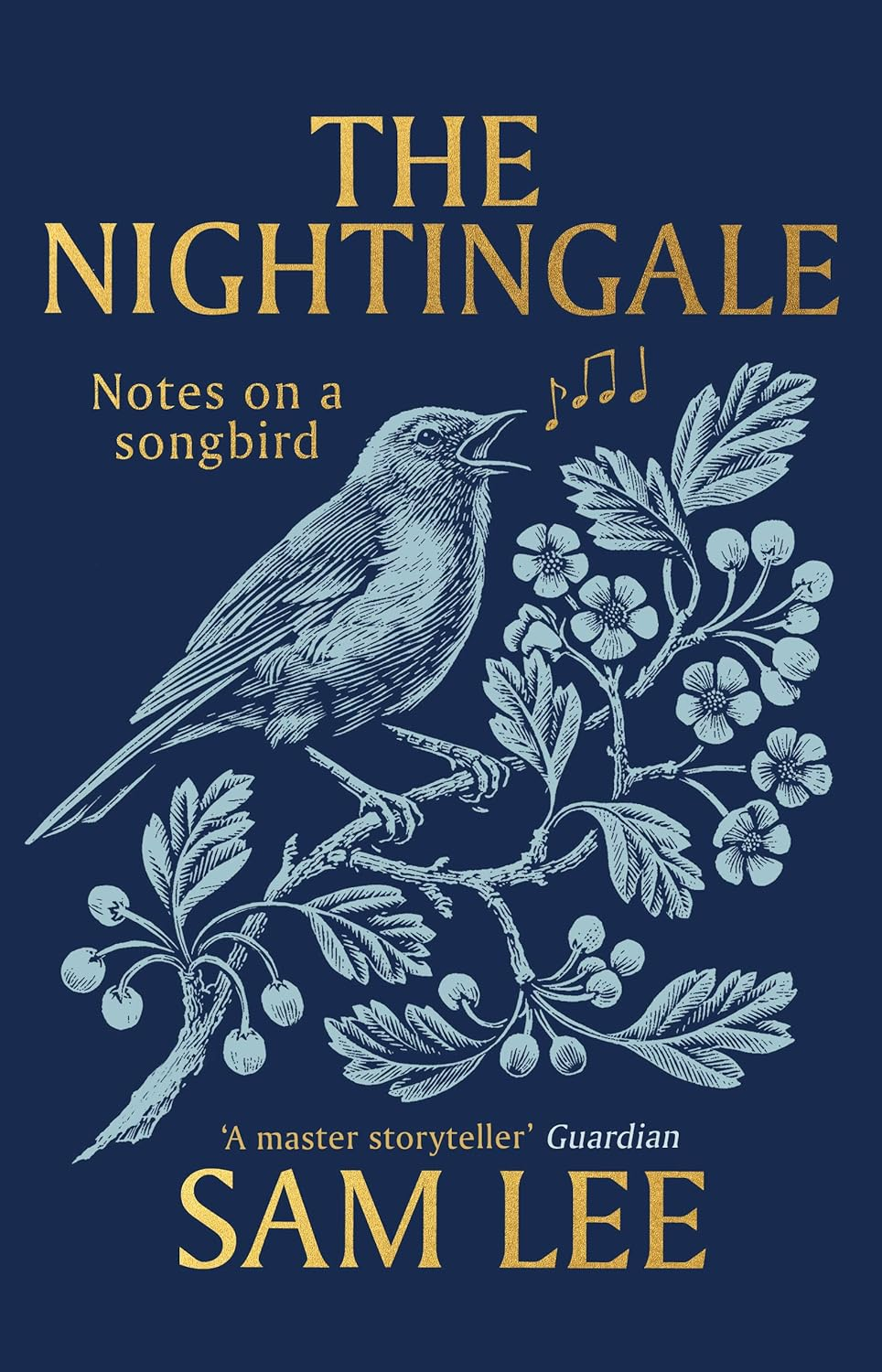
The nightingale’s song is known for being the most beautiful, and once could be heard through England’s woodlands each spring. Today due to habitat loss (the clearing of woodlands and wetlands drained for farming or housing) has driven nightingales away.
Road traffic and loud human activity add to the silence, making it hard even for these powerful little birds to break through. Read our post on making roads safer for wildlife.
Cooing Turtle Doves
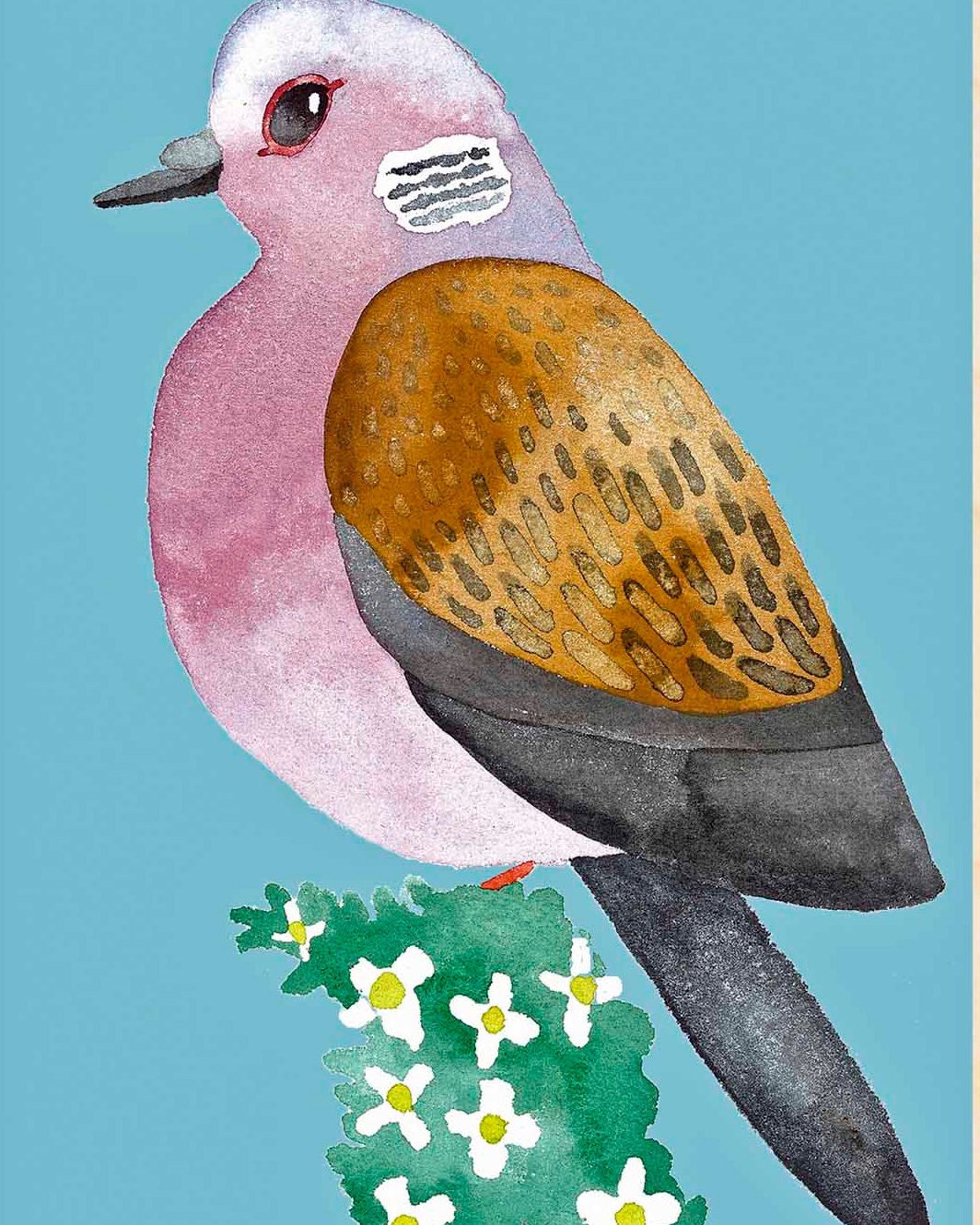
Turtle doves are famous for their gentle, rolling purr—a low, soft sound that marks the start of warm days. These birds are vanishing from much of Britain.
Changing farming, loss of hedgerows, and less available seed, cause numbers to crash. Turtle doves also migrate long distances and suffer from hunting and habitat loss far from England.
Read more on why urban birds (like pigeons and doves) deserve love too!
Cuckoo Calls
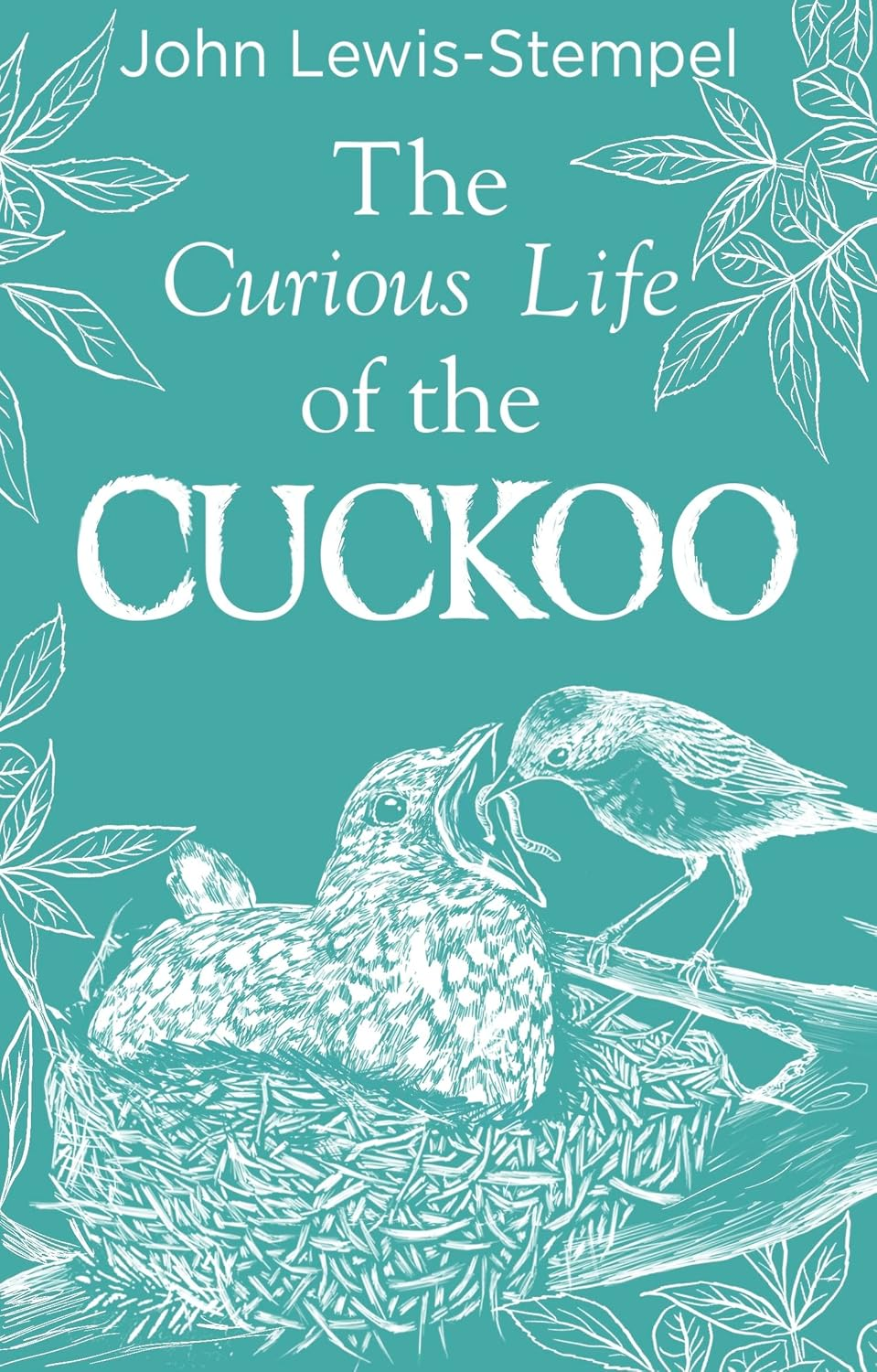
The familiar call of the cuckoo is missing from much of England each April and May. Cuckoos rely on healthy populations of host birds, like reed warblers, which are also declining.
Changing farming methods reduce suitable habitats, and climate change disrupts the timing of their arrival from Africa. These pressures leave fewer and fewer cuckoos to fill the countryside with their distinctive sound.
Read up on how to save our forests (to provide homes for woodland birds.
Buzzing of Bees and Hoverflies
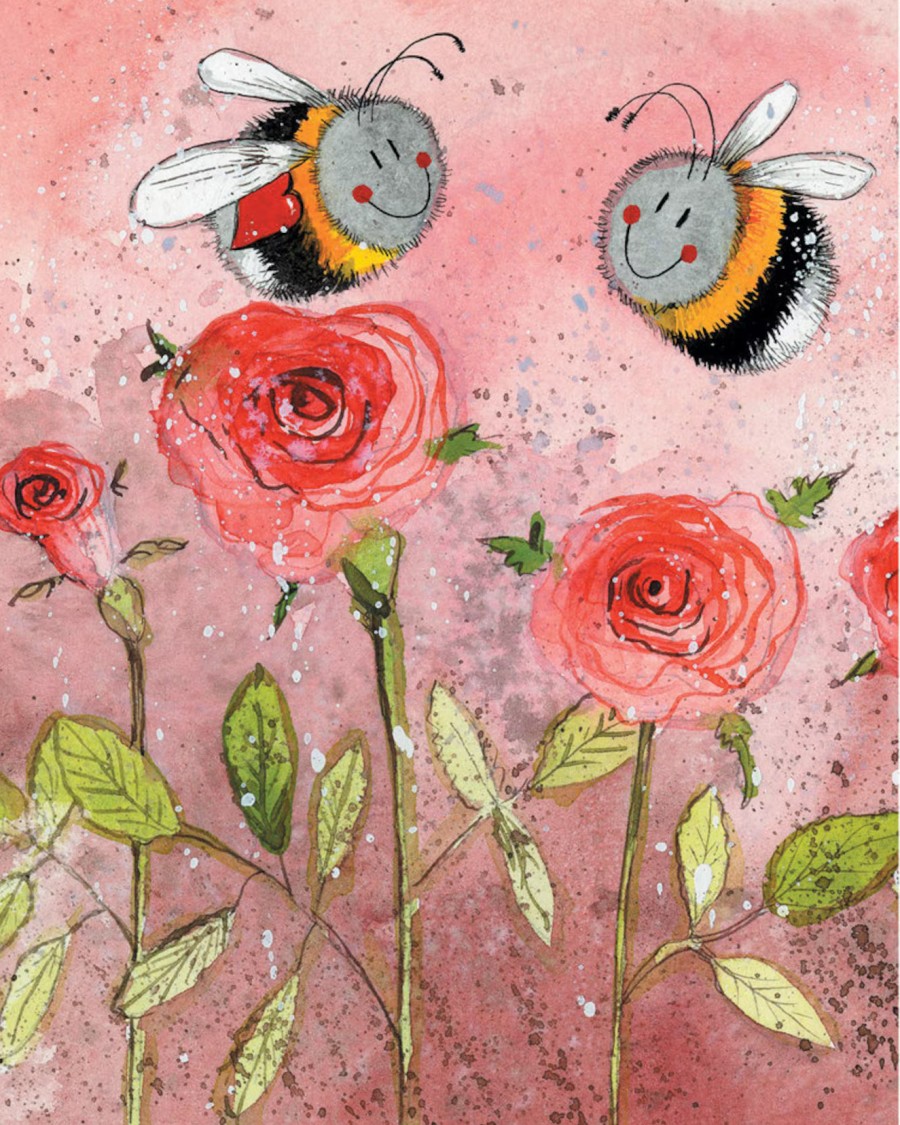
The persistent, gentle hum of bees and hoverflies once cut through summer meadows and gardens. Intensive farming, pesticides, and the loss of wildflower-rich grasslands have wiped out many insects.
People now hear less of this familiar sound, replaced with the noise of machines or the hum of distant roads. Pollinators matter for so many plants, but their numbers keep falling.
Read our posts on creating habitats for bees and butterflies. And how to save our wildflower meadows.
Some flowers (including for plantable cards’ are unsafe near pets. Read our posts on pet-friendly gardens and wildlife-friendly gardens.
Bat Chatter at Dusk
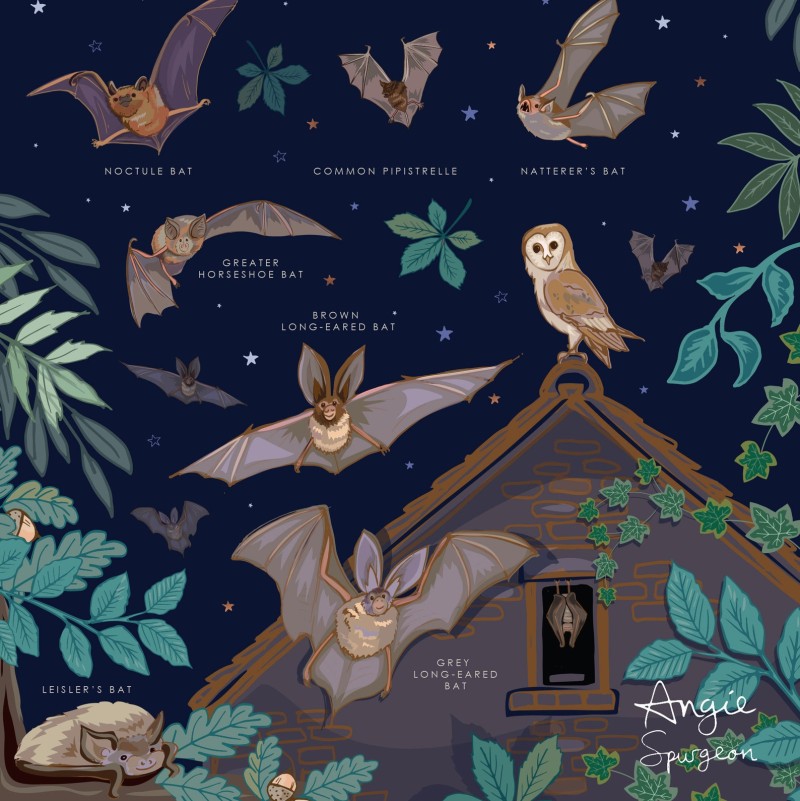
Bats (our only flying mammals) make a soft rapid clicking, as they hunt at dusk, and larger bats emit gentle chattering sounds. Since bats are sensitive to light and noise, 24-hour lighting, traffic, and construction scatter them. Old buildings and trees where bats roost are often destroyed.
These losses cause bat calls to disappear in towns and the countryside alike. Read more on how to help endangered bats.
Skylark’s Song in Farmland
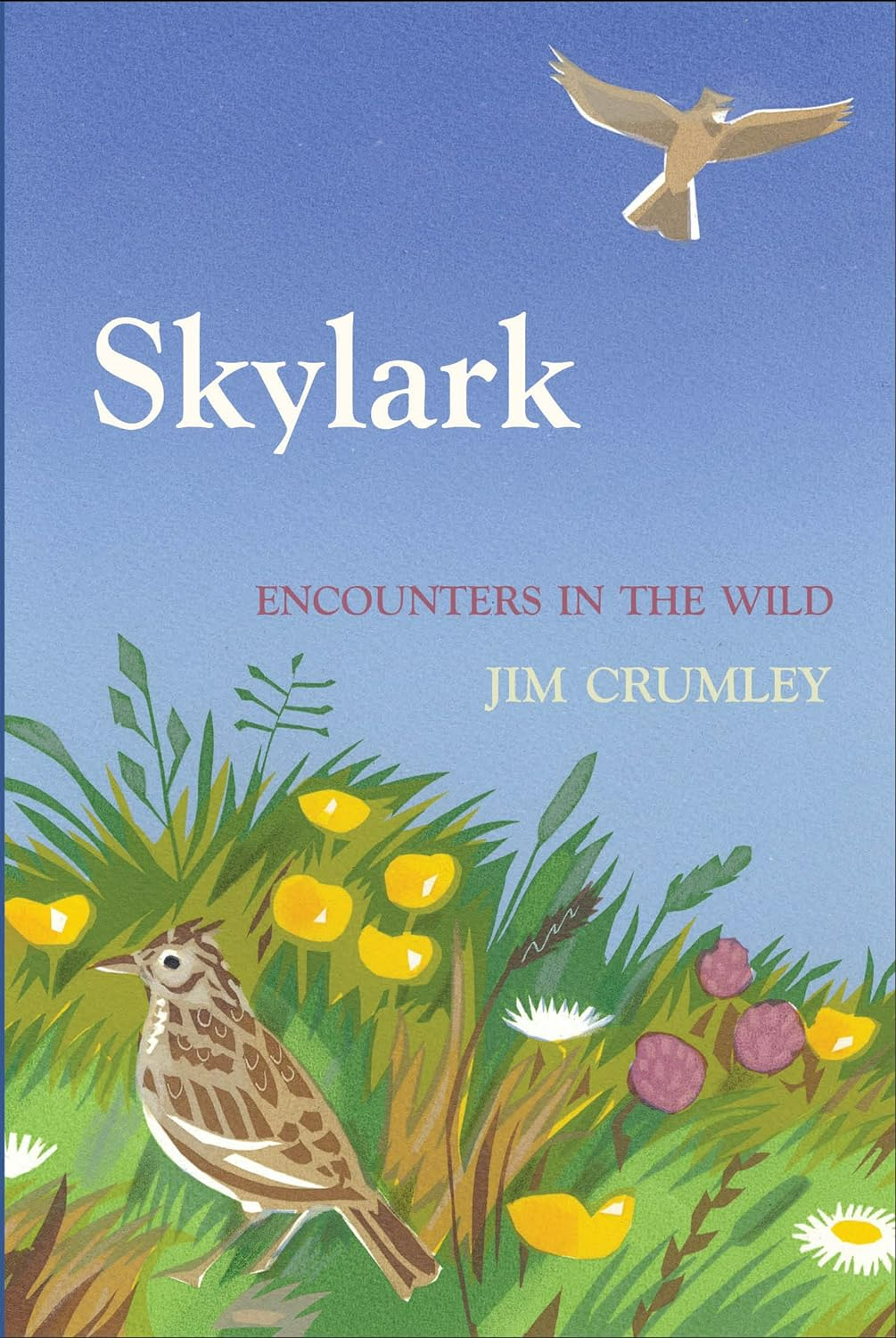
The cheerful, rising song of the skylark once poured out above fields across southern England. Modern farming practices, especially larger fields and fewer wild corners, mean less space for skylarks to nest.
Pesticides and the rush of machinery add to their troubles. Fewer skylarks means less music during spring and summer. Read our posts on how farmers can help the countryside and wildlife.
Frogs and Toads in Village Ponds

Spring nights used to ring with the croaks and trills of frogs and toads, especially after a rain. Many ponds have vanished through neglect, rubbish dumping, or being filled in for new buildings. Read our posts on helping amphibians and building wildlife-friendly ponds.
Chemical run-off from agriculture and garden products poisons what water remains. Read more on wildlife-friendly gardening and farming.
Cricket and Grasshopper Chirping

The soft chirrup of crickets and grasshoppers once coloured the evenings around hay meadows and grassy hedges. Today, these sounds are lost from places where wild edges have been mown or ploughed under.
High levels of noise pollution drown out what little chirping remains. Night-time insects find few quiet, dark corners to tune up their summer serenades. Read our post on tending organic lawns.