Help England’s groundhoppers, grasshoppers & crickets
England also has 3 species of groundhoppers. These good swimmers are found near ponds and streams, or in less grassy areas. Most species can fly (apart from common groundhoppers). They mostly live on moss and algae.
The Wildlife Trusts has a good visual guide to know your grasshoppers, groundhoppers and crickets.
England’s main species of groundhoppers
England has a few species of groundhoppers, which you rarely see but may hear ‘making music’ at night near meadows or boggy areas.
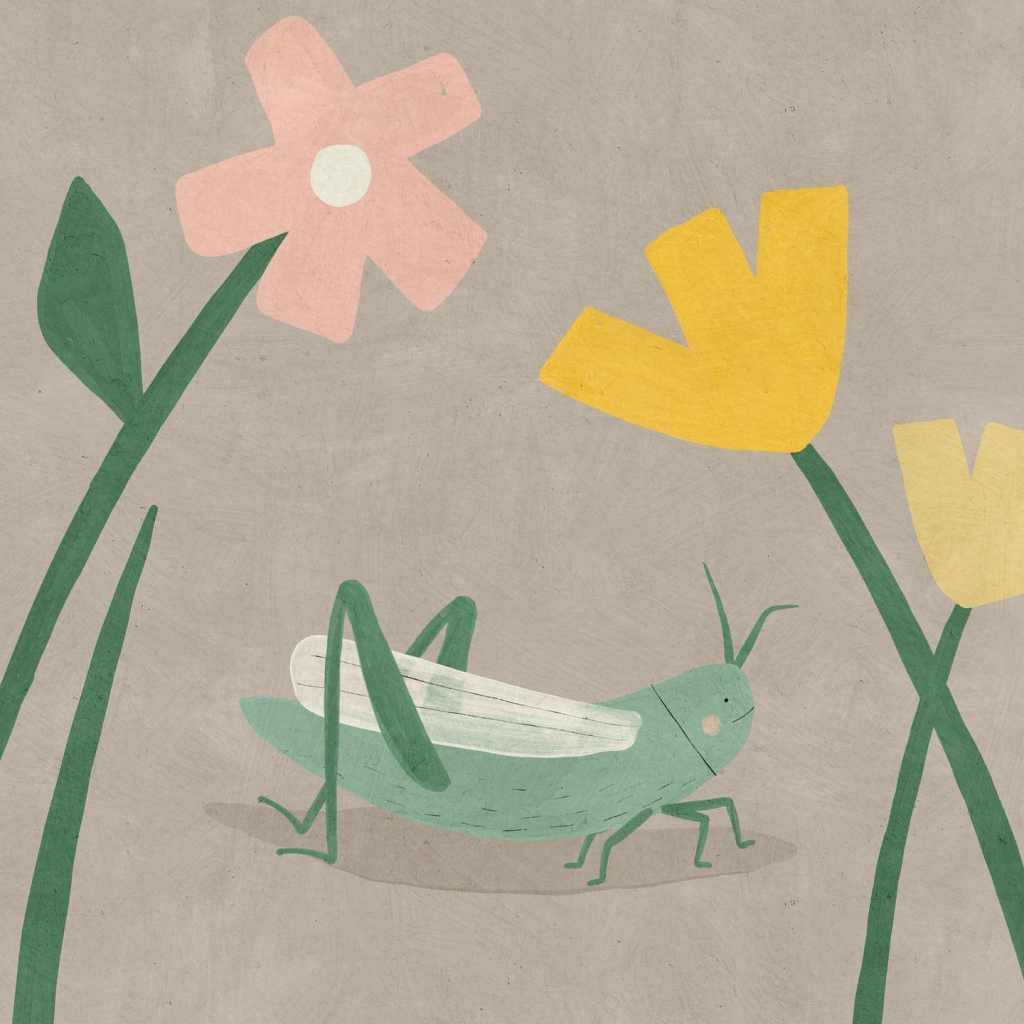
Grasshoppers are the most common species, with short antennae and strong back legs. They are green or brown, to blend into grassy spaces. They eat grasses and leafy plants, and make a noise by rubbing their legs against their wings. England has field, common and mottled grasshoppers.
Groundhoppers are smallers than grasshoppers, and stay on the ground. They have long antennae and short wings, so most can’t fly. Again their mottled brown or grey colours help them blend into soil, stones sand dead leaves.
England’s common groundhopper is happiest in damp places like boggy marshes or near the edge of wildlife ponds, in boggy marshes or on shaded woodland paths.
Crickets have longer anteanne and rounder bodies, and often sing at night. They make music by rubbing their wings together, a bit like playing the fiddle! They eat both plants and small insects. Bush crickets are green, brown or pink. Field crickets are endangered.
How crickets can tell the temperature!
Crickets are cold-blooded, so their body temperature matches the air around them. Warm air speeds up their wing muscles, causing them to chirp more often. For this reason, they can help you tell the temperature!
Simply count their chips over 15 seconds then add 40 (for Fahrenheit). Or count over 25 seconds and divide by 3 then add 4 (for Celsius).
How to help England’s groundhoppers
It’s important to help England’s groundhoppers. Not just for them, but because they form an important part of the food chain for birds, frogs and small mammals. They also help to recycle plants and keep the ecosystem in balance.
Pollution, lack of habitat and modern farming practices all impact groundhopper species. Ways to help include:
- Gardening organically to let insects thrive. Let parts grow wild (like leaving patches of long grass).
- Groundhoppers love damp soil and moss near stream banks.
- Be an organic wildlife-friendly farmer.
- Ensure wildlife ponds, bog gardens or shallow (non-slip) water dishes have a flat stone to provide a safe place to land, when drinking.