Why Leaving Fallen Leaves Helps Our Wildlife
When autumn arrives, many gardens and parks become covered in a blanket of fallen leaves. For many people, the first thought is to rake them up, clear them away, and make everything look neat and tidy.
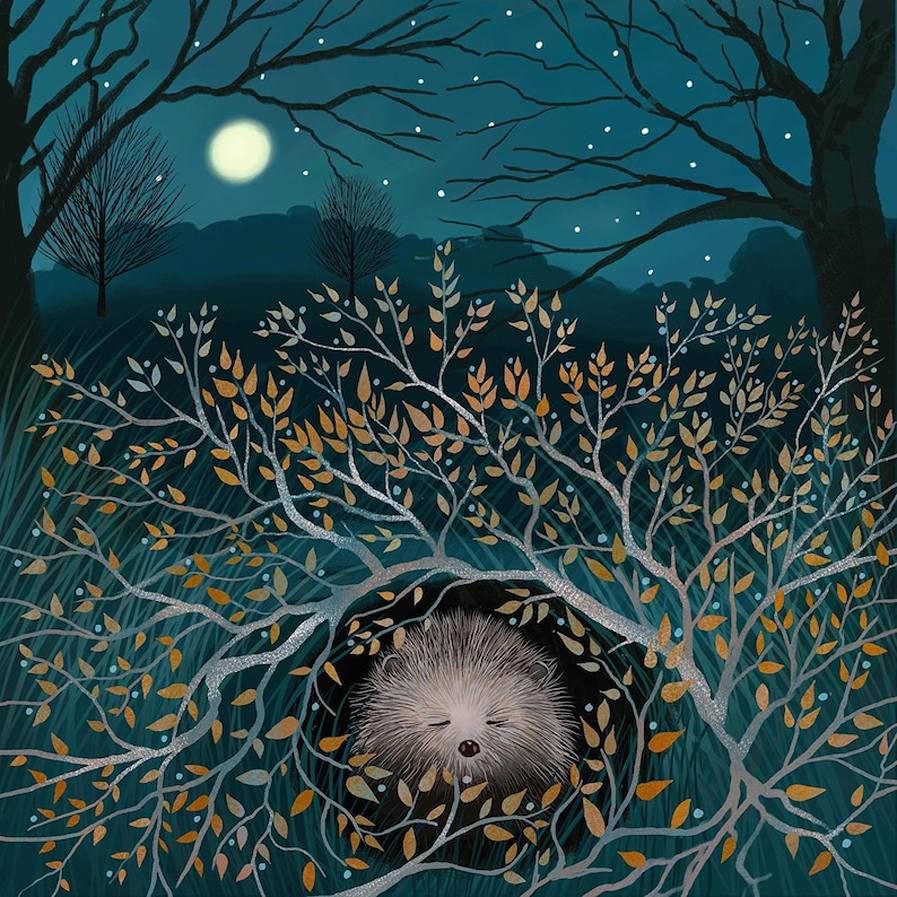
But fallen leaves provide food and shelter for many creatures. So always leave parts of gardens and parks a bit messy, as leaf litter provides crucial habitats, for wildlife like hibernating hedgehogs. Along with warm sheltered ecosystems for bumblebees and caterpillars.
If collecting to make leaf mould, scoop up carefully and place somewhere safe, for creatures to escape.
Keep leaf mould and fresh compost away from pets. Learn more on pet-friendly gardens. Many trees with leaves are toxic to horses including yew, oak and sycamore.
Fallen Leaves Are Wildlife Homes
A layer of leaves on the ground provides a safe hiding place for insects, spiders, worms, and other small animals. Many creatures use leaves as protection from cold weather, heavy rain, and predators.
Butterflies, moths, beetles, and other insects often spend part of their life cycle among fallen leaves. Some lay eggs there, while others hide as larvae or pupae until warmer weather returns.
Leaves Help Animals Survive Winter
Small animals need safe places to rest during colder months. A pile of leaves can become a cosy shelter for creatures such as hedgehogs, frogs, and other garden visitors.
Leaves help keep the ground warmer by acting like a natural blanket. They protect animals from freezing temperatures and give them hiding spaces.
Even a small corner of your garden left untouched can make a difference.
Fallen Leaves Support Birds
Birds rely on insects and other small creatures for food. When leaves are left on the ground, they support the insects that birds eat.
A garden full of natural materials can become a better feeding area for birds, especially during colder months when food can be harder to find.
Learn how to provide safe havens for garden birds (and prevent birds flying into glass windows).
Leaves Improve Soil Naturally
Fallen leaves are nature’s own recycling system. As they break down, they return nutrients to the soil and help plants grow. The leaves slowly turn into leaf mould, which improves soil quality.
Leaf mould helps the ground hold water, supports healthy plant roots, and creates a better environment for worms and other soil creatures.
Keep leaf mould, fresh compost and dangerous mulch (cocoa, pine, rubber) away from pets.
Leaving Leaves Can Help Trees and Plants
Trees drop their leaves for an important reason. The leaves that fall to the ground return nutrients back to the area where the tree grows.
In forests and woodlands, nobody rakes away leaves. They naturally form a protective layer that supports plants, fungi, insects, and animals.
How Leaves Work: Photosynthesis Lesson!
Leaves work like little solar panels, to ‘eat sunlight’ to convert water and carbon dioxide into food. They breathe with tiny pores, and breathe out oxygen, to help prevent climate change.
Leaves also have their own plumbing system. They release water vapour to cool and draw water up from the roots. Clever leaves!
Leaves don’t ‘go brown’ in autumn, they are always brown, it’s just the colour is masked by green chlorophyll. As daylight hours decrease, chlorophyll breaks down. They have a waxy ‘sunscreen’ to avoid disease or water.
In New England, there are lots of red and sugar maple trees, which is why there are so many beautiful colours in autumn. But climate change now means foliage is peaking a week later, than the 1950s.