Wild swimming (tips and healthy waters)
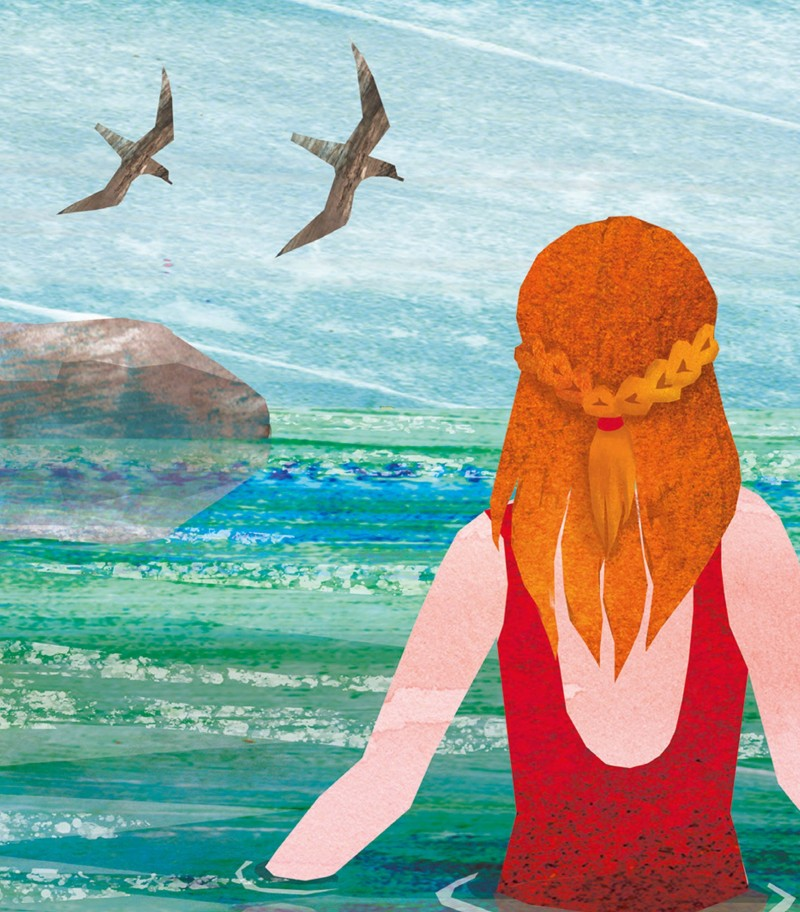
England’s seas and rivers are now so polluted, that just 60% are deemed safe for swimming, compared to over 80% in mainland Europe. Old networks can’t cope with litter and farm chemicals. Learn more on how to campaign for better sewage treatment.
Read where to find greener swimwear. And tips for sustainable surfing.
Keeping safe on wild swims
Read How to Wild Swim which includes safety tips:
- Check the weather before you and swim with others. Stick to public spots and follow local guidance.
- Carry a waterproof bag to store your phone (due to no lifeguards) and carry waterproof plasters, a whistle and foil blanket.
- If caught in a rip current, wade (don’t swim) parallel to shore, raise hand and shout for help. A tow float (and bright hat) helps.
- If phone is out-of-range, call 999 and 112 (diverts to a signal). Download RYA SafeTrx app (with an Irish version) to alert contacts.
Dogs and swild swimming
- Dogs may be at risk of currents and cramp (dogs will follow you, even if they are tired). Read more on keeping dogs safe by the seaside.
- Although quick swims for dogs are fine (rinse saltwater off with lukewarm water and dry with towel, dogs could be at risk from seals.
- Other dangers are seaweed (expands in the stomach as it dries) and blue-green algae. Ideally have a friend ‘dog-sit’ nearby.
- Never swim near marine creatures like seals, you could spook pups into the water, before they are ready to swim.
Keep away from stinging jellyfish
Jellyfish can sting (even when dead). In England, stings can be painful but are rarely serious, unless stung by sea urchins, stingrays, weever fish and Portuguese man-of-war. If so, leave water to warn others and lifeguard, then rinse with seawater.
Wear water shoes, and read how to stay safe near jellyfish.
If stung:
- Remove spines with tweezers (or edge of a bank card), soak in warm water for at least 30 minutes (or use hot towels/flannels) and take painkillers. Do not cover/close wound.
- For severe pain (or if stung on the face/genitals or from a stingray, visit minor injuries. For breathing difficulty, chest pain, vomiting, loss of consciousness, seizures or severe swelling/bleeding, call 999. Report jellyfish stings (this helps to monitor ocean health).
- If your dog is stung, rinse area with sea water, remove tentacles/barbs and seek immediate vet advice.
Good Tuesday’s eco wild swim journal

This wild swimming journal is made with recycled paper and sent in plastic-free packaging. It has swim trackers and log for 120 swims to record the conditions, duration, and swim buddies.
England’s utimate wild swim!
People are no longer smothered in goose fat to swim the English channel. And as the world’s busiest shipping route, it’s usually best avoided. If you do go, you still need your passport (carried by a boat) when you arrive!
The first attempt by 23-year old J.B. Johnson was in 1872. He hired a brass brand in Dover who played for three hours, before he set off. He swam for 45 minutes before downing some brandy, swam for another hour before having another brandy. After another 1 hour and 20 minutes, the cold water was too much, and he boarded the boat!
The first successful crossing was in 1875, when Paul Boyton wore a rubber suit designed for passengers on sinking ships. The first woman to complete the swim was American Gertrude Ederle, in 1926 (it took her just over 14 hours). Soon Amelia Gade Corson followed suit (her husband rowed alongside her, supplying her with hot chocolate, crackers and sugar lumps!)