The legacy of Jane Goodall (the champion for animals)
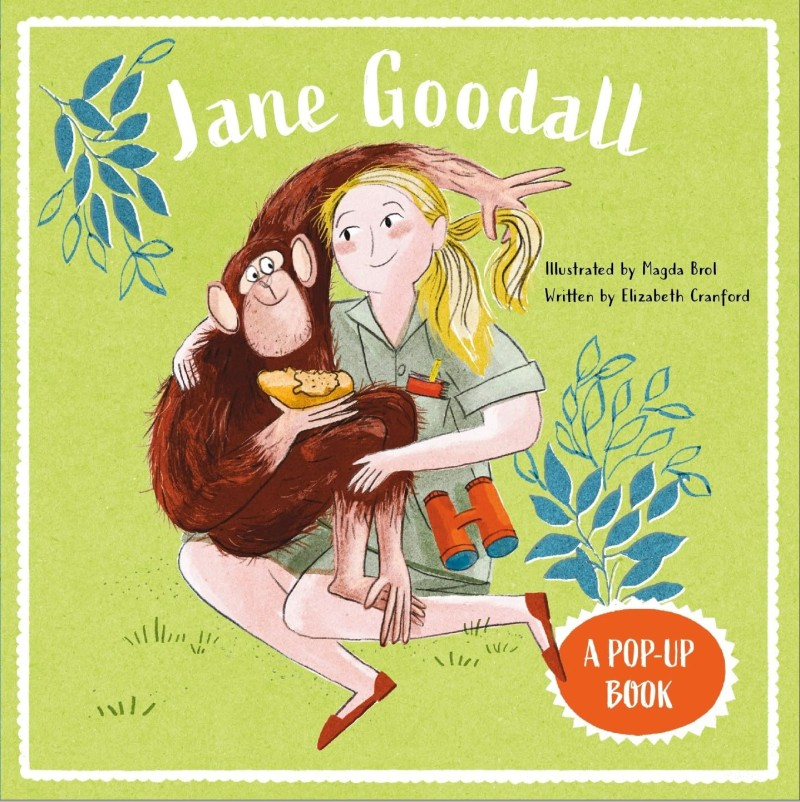
In October 2025, primatologist Jane Goodall died peacefully in her sleep, age 91. This unassuming and quiet beautiful woman had no ego, yet has left a legacy that has helped animals across the world.
Jane was born in London, but grew up in Bournemouth (her father was a racing driver, her mother a novelist). Always fascinated by nature, she enjoyed reading animals and watching birds, and had a toy chimp named Jubilee on her bed, a daily reminder of her dream to work with wild apes later in life.
After working as a secretary and waitress to save a ticket, she visited Kenya in 1957, and met archaeologist Louis Leakey, who sent her to what became Gombe Stream National Park in Tanzania. Her observations led to her becoming the world’s foremost expert on wild chimpanzees.
Jane her team rescued Wounda from the illegal wildlife trade, then released her to her natural forest home (she’s thriving, with a daughter of her own). Just before going off to her new life, she gives a big hug to Jane, it’s the most heart-warming video you’ll ever see!
Childhood dreams to African adventures
Jane’s most famous finding was when she observed a chimpanzee using a twig, to fish termites from a mound, and stripping leaves, to make the tool work better. Before that, people thought only humans could make tools.
She also discovered that chimps shared many human traits like grief, family bonds, grooming and even arguments and conflict. This led to beliefs that our differences were far less than previously thought. And her findings have caused many to switch donations to animal-testing medical charities to humane medical research.
Join the campaign to help release Wenka, who has been captive in a lab since 1954.
By the late 1970s, an older Jane was spending less time in the field, and instead speaking to others to build empathy for all creatures on earth. This resulted in creating the Jane Goodall Institute which even after her death, works on many projects worldwide, including:
- Mandrill rehabilitation and release
- Stopping illegal wildlife trafficking and crime
- Restoring wildlife habitats
- Funding eco fuel stoves (to stop deforestation)
- Caring for rescued captive apes (not in zoos)
- Snare removal
- Agroforestry
- Sustainable coffee production
You can donate anonymously with a Charities Aid Foundation account (personal or business use) or list Jane Goodall Institute as your cause as easyfundraising (anytime you buy things with listed companies, they donate a portion to the charity, at no cost to you). Or donate unwanted shares.
Inspiring the next generation
Roots & Shoots is Jane’s worldwide network for youth, to look after the planet and animals. Teachers can download free educational resources, and youngsters can access the My Local Area hub to focus on actions in your community (including environmental mapping and rubbish charts that impact local wildlife).
I hate hearing that ‘we’ve borrowed the Earth from our children’, because it’s a lie. We’ve not borrowed, we have been stealing. We’ve mad so many mistakes and it’s not the young people’s job to put it right. We have to work with them to fix it. We’re holding your hand, so that together we can make it better. Jane Goodall
Wise wisdom from Jane Goodall
The least I can do is speak out for chimpanzees who sit hunched, miserable and without hope, staring out with dead eyes from their metal prisons. They cannot speak for themselves.
My mission is to create a world where we can live in harmony with nature. And can I do that alone? No. So there is a whole army of youth that can do it. So I suppose my mission is to reach as many of those young people as I can, through my own efforts.
The biggest problem we have as environmental activists, is to fight the power of money.
I don’t have any idea of who or what God is. But I do believe in some great spiritual power. I feel it particularly, when I’m out in nature. It’s just something that’s bigger and stronger than what I am, or what anybody is. I feel it. And it’s enough for me.