Go Green for Great Apes: Simple Lifestyle Changes
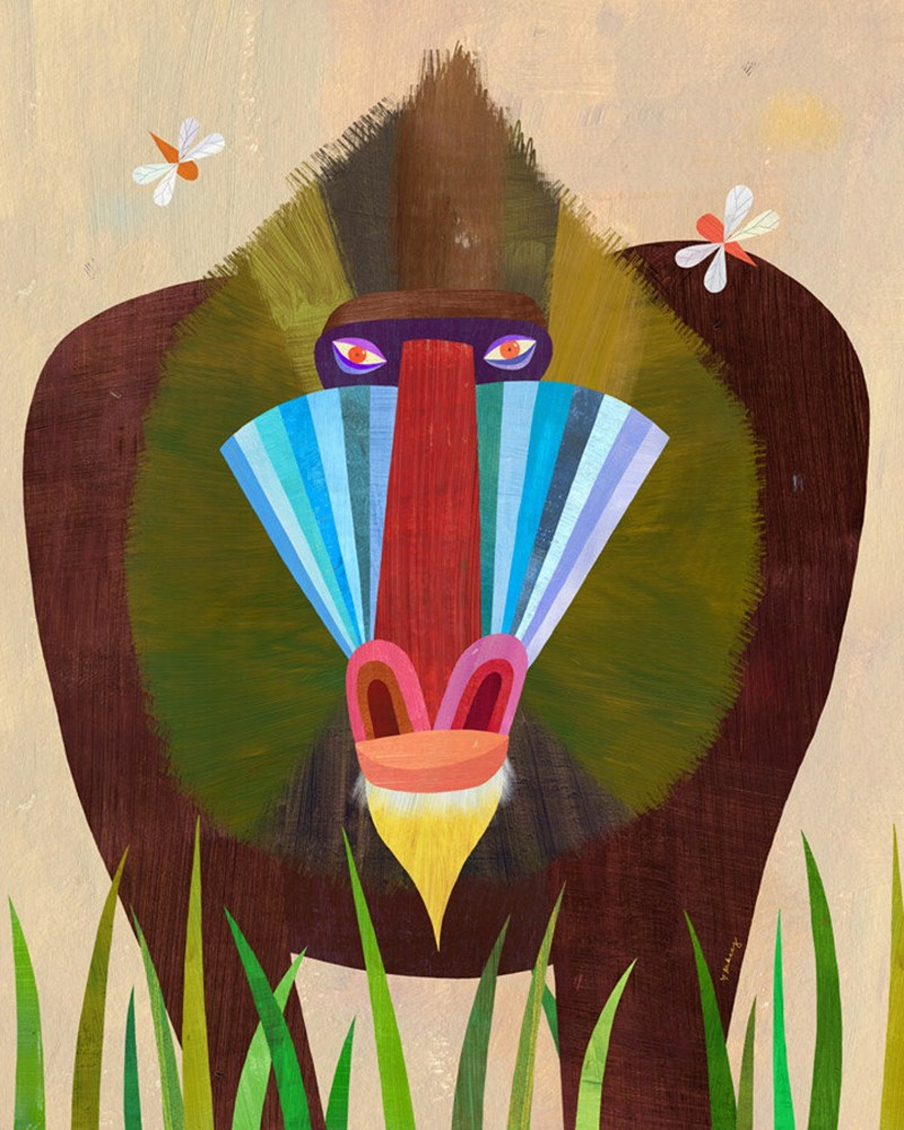
Great apes are of course our closest relatives, but are endangered due to loss of habitat, climate change, disease and poaching. Primates are a much larger order of mammals which includes other apes like pink-faced Japanese macaque monkeys, Barbary macaques (found on Gibraltar), African mandrills (who store food in their mouths, like hamsters and baboons (smaller with more brown fur).
Nearly all primates live in forests (apart from us) and like us, are one of the few species that can see in colours, and have hands with five fingers and flat fingernails (rather than claws or hooves). There are only a few great apes, of which we are one. The others are:
Bonobos (led by the females – girl power!)
Bonobos look similar to chimps, and share most of our DNA. But they are smaller and more peaceful – that’s because the groups are female-led!
Wild gorillas (Africa’s strong gentle giants)
Wild gorillas live in central Africa (eastern and western gorillas don’t see each other, as there is a rainforest between them). They move in ‘troops’ of up to 30 gorillas, led by the dominant silverback male. They are critically endangered, due to loss of habitat and poaching.
Mostly herbivores (they sometimes eat insects and snails), the silverback is 10 times stronger than a human man, but will only attack if trying to protect his family. Gorillas are so clever, the can make bamboo ladders to help babies reach trees, and cutlery from twigs to eat insects.
Silverback Gin is sold in three versions (mountain strength, clementine and strawberry), along with a vodka. A portion of profits benefits a gorilla conservation charity (helping to save remaining mountain gorillas – just over 1000 left).
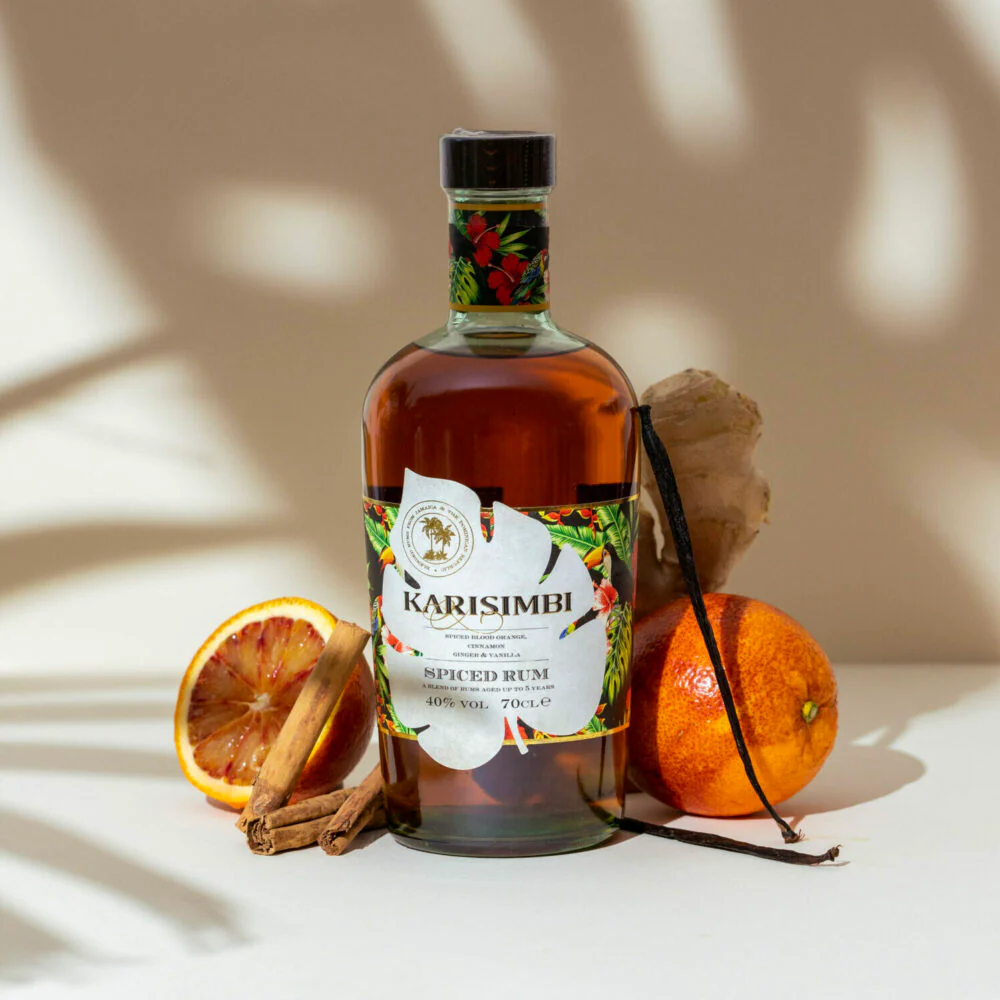
Karisimbi Rum also supports the same charity in spiced, golden and white.
If drinking with tonic water, avoid for certain medical conditions (liver failure, blood thinners, antibiotics and anti-depressants). It should not even be consumed alone for pregnancy/nursing.
Unless chopped up, corks are too dense to compost (and choking hazards, if left around). So recycle them at your local off license, or send off in bulk to Recorked.
Cheeky chimpanzees (like us, but covered in hair)
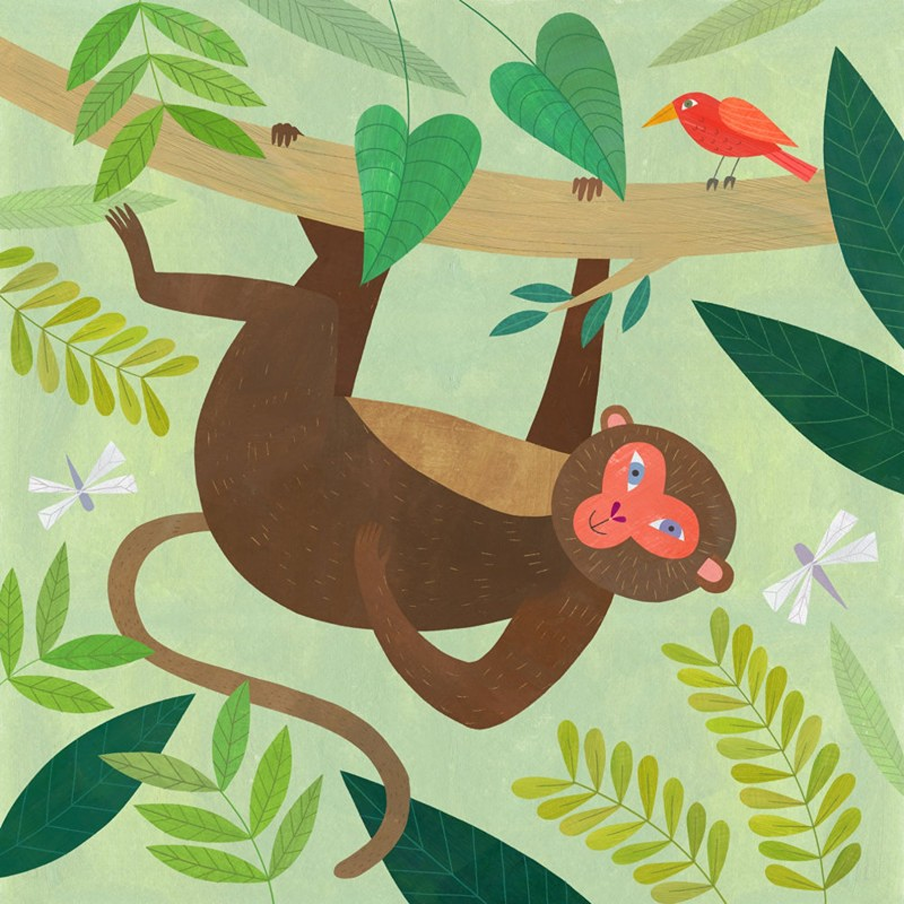
Chimpanzees again share most of our DNA, the only main difference is they are covered in hair on their bodies. Native to African rainforests, all monkeys have tails and can learn make and use tools, walk on two legs, form deep family bonds and can live into their 80s.
Some brands of coconut milk send terrified monkeys up tall trees to retrieve coconuts. So choose brands of monkey-friendly coconut milk (Biona and Nature’s Charm are good brands).
Don’t have photos taken with monkeys abroad (you wouldn’t rip a human child from its mother, take out its teeth and have it chained for photos.
Chimps are often used in vivisection experiments to cure AIDS, despite a cure never having been found in decades. 29 countries (including Austria and New Zealand) have now banned medical research on primates, but not yet the UK. So switch donations to humane medical research.
In the US, there is a campaign to release Wenka, the oldest chimp in a lab who is now in her 50s. Born in the lab, a third of all labs in the USA are elderly and have never known trees or love.
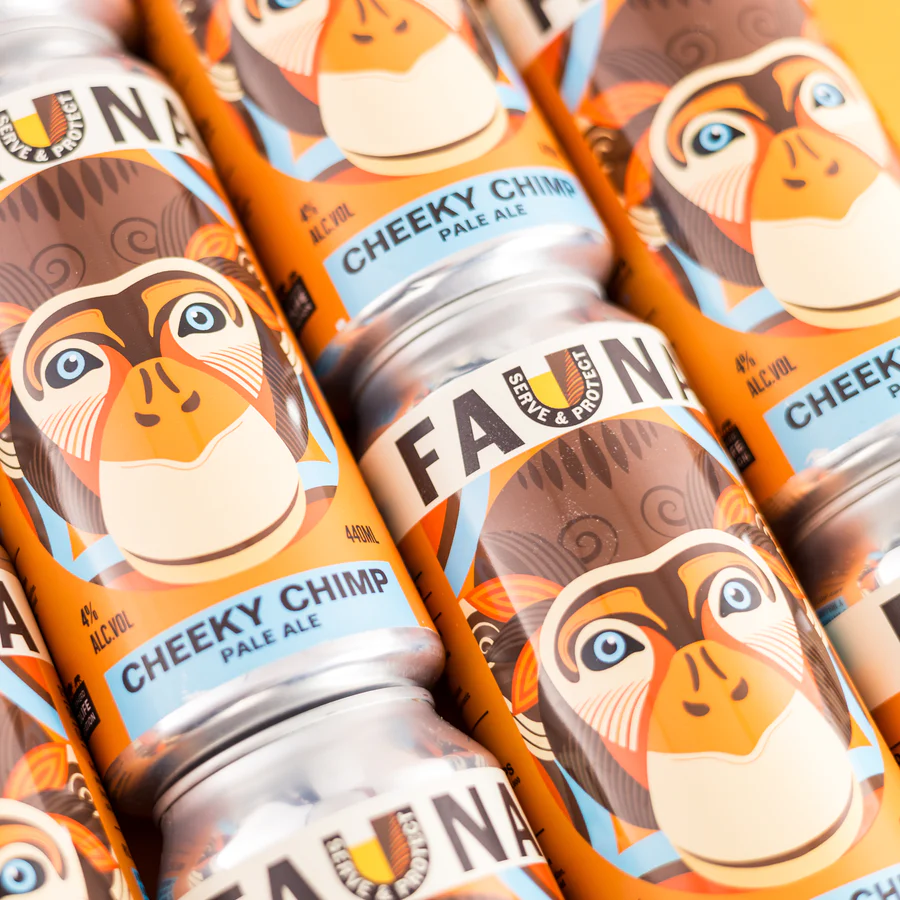
Fauna Brewing’s Cheeky Chimp low-alcohol pale ale, donates a portion from each sale to chimp rescue charities. All of their beers are vegan (each one helps a different species – African painted dogs, pangolins, cheetahs and red squirrels).
Pop ring-pulls back over can holes before recycling (and step on cans to pinch inner rims together), to avoid wildlife getting trapped.
Orangutans (from the forests of Borneo & Indonesia)
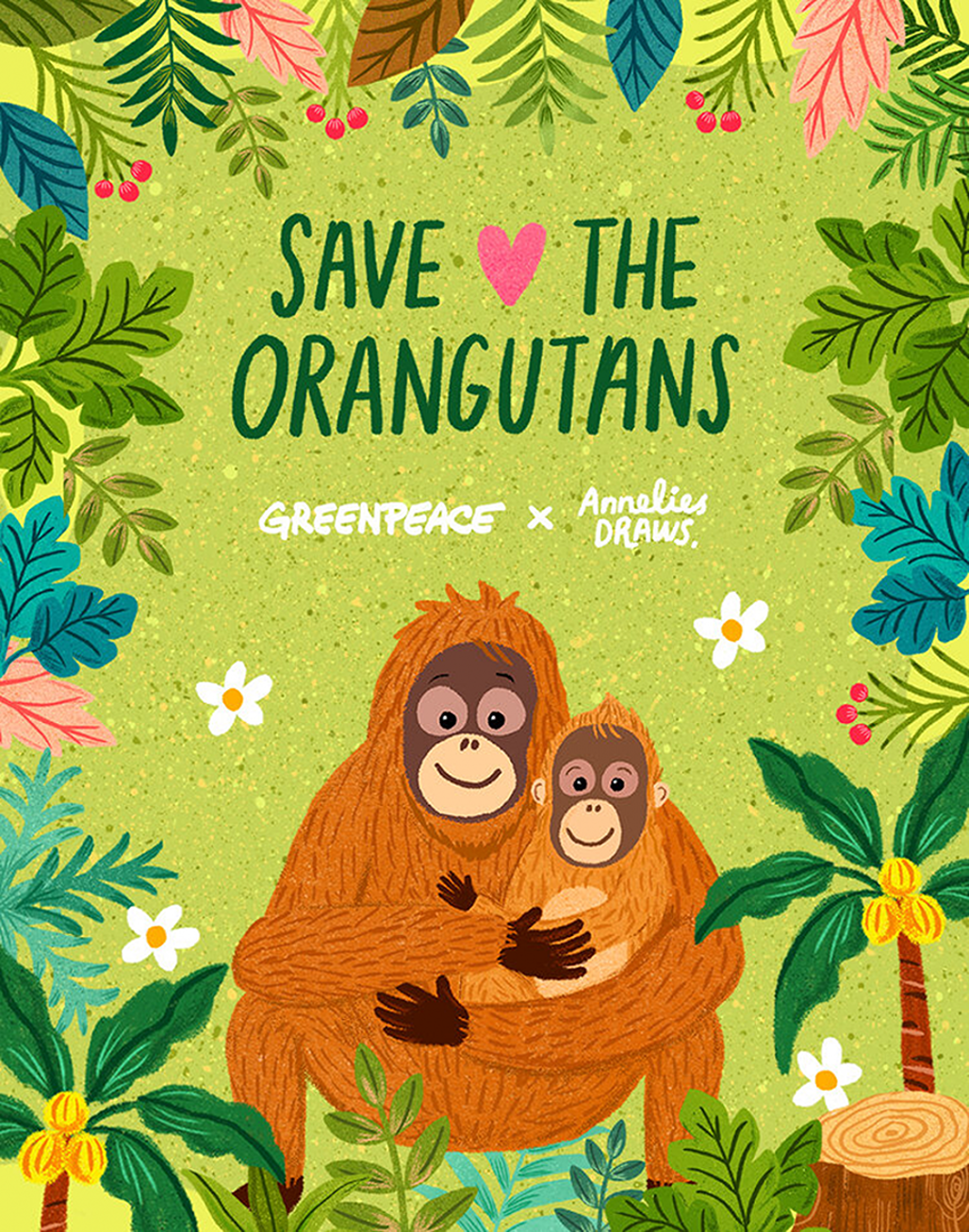
Orangutans are named after ‘the old man of the forest’, known for their orange fur. They also have big brains, able to make umbrellas from leaves, when it rains! The heaviest tree-dwelling creatures on earth, they are still agile enough to swing between trees, as their arms are longer than their legs.
They love figs, mangoes and lychees, but their favourite fruit is durian, so smelly that it’s banned on public transport in some areas of the world – likened to a combination of smelly socks, custard, sewage and rotting flesh! Some descriptions online are ‘carrion in custard , raspberry blancmange in a public toilet, or ‘garlic-tasting custard!’
Yet orangutans love it, and it’s packed with nutrients and hydration, to survive in the forest. So although we share most things with orangutans, perhaps not taste buds!
Orangutans build nests to sleep in, with youngsters sleeping in nests with their mothers until around 7 years. This is why the palm oil is causing such havoc. As when forests are burned to create fast-growing palm oil plantations, the mothers often die (some have been shot or burned to death) trying to protect their babies, which leads to those cute orangutan orphan documentaries you see on TV.
All in the name of profit. Palm oil is only used in the UK because it’s cheap (grocery brands and chip shops could use rapeseed oil, bar soaps can use olive oil). But instead they import a saturated fat from thousands of miles away, as it doesn’t cost as much.
The so-called ‘Round Table on Sustainable Palm Oil or RSPO) is just a self-policed organisation that Greenpeace says is as ‘useful as a chocolate teapot’. Orangutans have been killed in ‘certified forests’. If you make your own food and choose natural soaps without palm oil (and make your own chips), you don’t need it.
Read more on alternatives to palm oil.
Responsible Travel has a page of orangutan sanctuaries to support (and those not to). They adhere to international guidelines to ensure apes are cared for in happy suitable environments, with no direct contact with humans, which could spread disease.
A book of monkeys (and other primates)
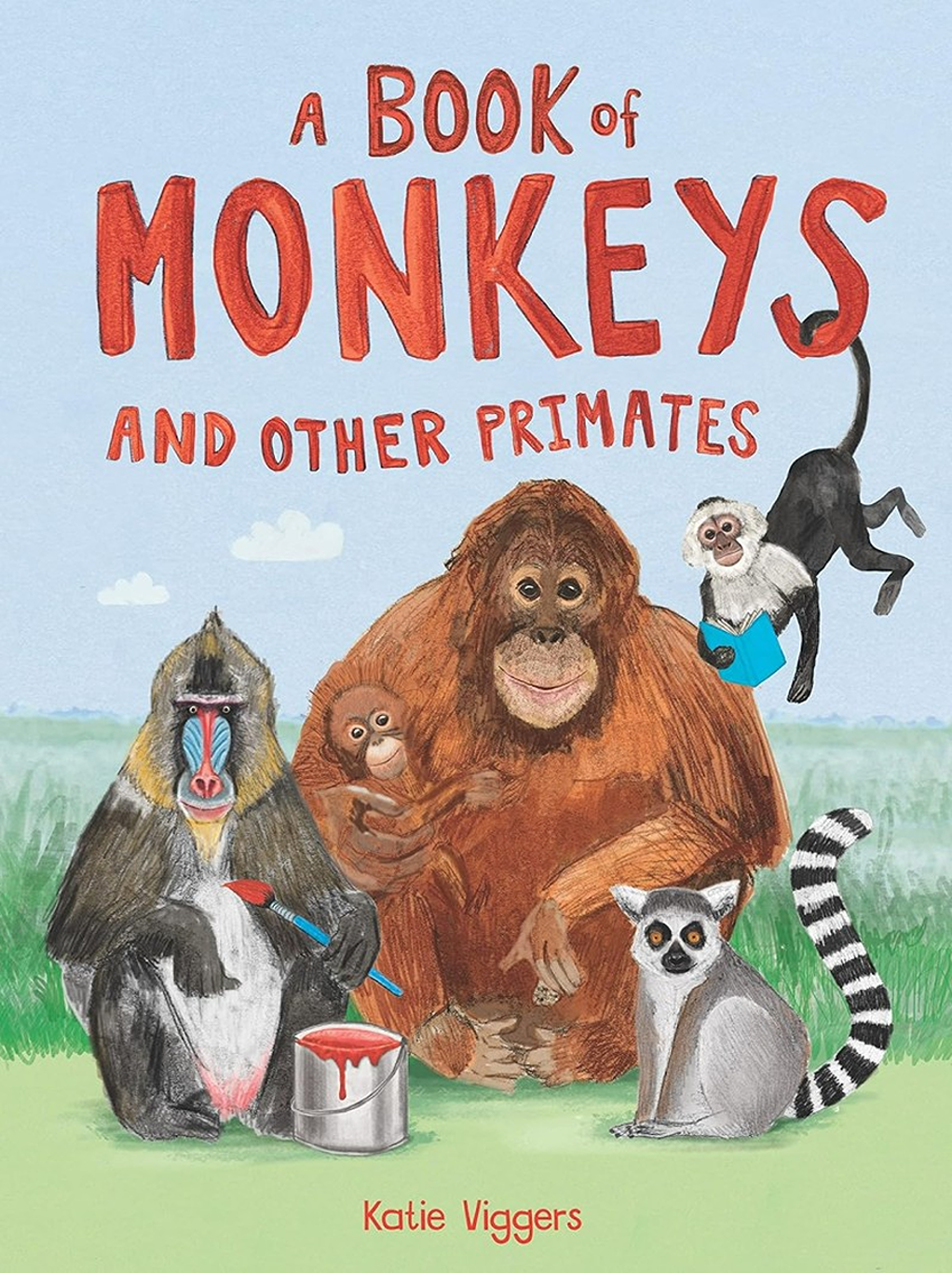
A Book of Monkeys (and other primates) is a charming book to teach about our closest relatives, from lemurs and tarsiers, to gorillas and chimpanzees. Learn their social and grooming habits (and how male gorillas impress female gorillas). And which monkey swims, and what macaques eat for lunch!
Support African conservation, not zoos
- Great apes live in social networks, and are bored out of their brains in zoos which don’t conserve endangered species (the average child spends 20 seconds with each animal – that’s not education).
- Also help stop the bushmeat trade to place rescued apes in sanctuaries.
- Dorset’s MonkeyWorld rescues apes from cruelty, to live out their lives in peace (you’ll remember the TV series years ago, before the sad death of Jim Cronin (his widow Alison continues their work today).