Avoid Palm Oil (in food and bar soaps)

The palm oil industry is absolutely huge, and despite not so long ago England not even using it, today it’s in a massive amount of ready-made food. From vegan butters and crackers to biscuits and peanut butters. And from the main oil used in chip shops, to nearly every bar soap sold in supermarkets and chemists.
Palm oil is grown on plantations in Indonesia. It’s shipped to England to be used as a cheap alternative to rapeseed oil (which would help support our farmers). Or in the case of soap, over more expensive olive oil.
And of course, the other main issue is that the palm oil trees are planted, after raising old-growth forests to the ground, which end up removing the homes of orangutans and other endangered creatures. Orangutan mothers who try to protect their babies are often shot or burned to death, which is why TV shows those cute orangutans ‘orphans’ raised by loving volunteers abroad.
Hope the orangutan passed away in 2025 after suffering a stroke. She had lived for five years at a rescue centre, after being shot 74 times, which left her with a broken collarbone, and blind in one eye. All due to defending her baby (who died) from those ‘protecting their crops’.
One argument often given from the palm oil industry is that it provides ‘local jobs’. In fact, slashing-and-burning old-growth forests also removes the homes of many local people. And these plantations are not organic, they use masses of chemicals, which pollutes local water and soil.
Palm oil is a saturated fat, which contributes to heart disease, diabetes and cancer. We don’t need more problems, from it being added to processed foods.
the ‘Round Table on Sustainable Palm Oil’?
This old cherry always comes up, when companies try to defend using palm oil. Aside from not being good to use oil that’s been shipped (or flown) from the other side of the world (local food miles?), the RSPO is simply a self-policed organisation that has no legal backing.
And just like England does not have enough land for everyone to eat free-range meat, the world doesn’t have enough ‘certified organic palm oil’ to feed a global appetite for junk food. Read Planet Palm on why ‘sustainable palm oil’ does not cut the mustard.
Greenpeace says that the RSPO logo to guarantee orangutan welfare, is as ‘useful as a chocolate teapot’.
How to Avoid Palm Oil (it’s pretty easy!)
You could spend your life reading labels to decipher if a food has palm oil. But there are five really easy ways to avoid it:
Make Your Own Food!
Most of us only eat around the same nine favourite meals again and again. So figure out how to make some tasty affordable recipes using real ingredients. Then you don’t need to buy ready-meals, which often contain hidden palm oil.
Choose Palm-Oil-Free Brands
Food brands that don’t use palm oil, tend to shout about it. So you should not have too much problem finding alternatives. Some good examples are:
- Lurpak vegan butter (no palm oil)
- Flora vegan butters (all plant-based, no palm oil)
- Meridian Nut Butters (no palm oil, ever)
Homemade Chips in the Air-Fryer!
Just like pubs, your local chippy is likely popular. But ask the owner to choose local rapeseed oil, as many now use palm oil (like Frymax).
And as Defra now allows chip shops to sell forty-six shark species under six ‘generic names’ (like rock salmon), you may wish to make your own meals.
Choose Palm-oil Free Soaps

This is more difficult, as even health shops tend to sell soaps made with palm oil (sodium palmate). Or even beef fat (sodium tallowate). But you will also find alternatives, just look at the labels.
Oliva soap is sold in most health shops, made from olive oil, salt and water. It’s not posh or scented, but it’s cheap and good for your skin. One woman who had skin problems after using a ‘beauty soap’ said her skin began to heal ‘in hours’, after using this. Read more on natural handmade soaps.
Choose unscented bars for pregnancy/nursing, and never use ‘human soaps’ on pets. Read more on how to give dogs a bath, naturally.
Avoid Fabric Conditioner (use white vinegar)
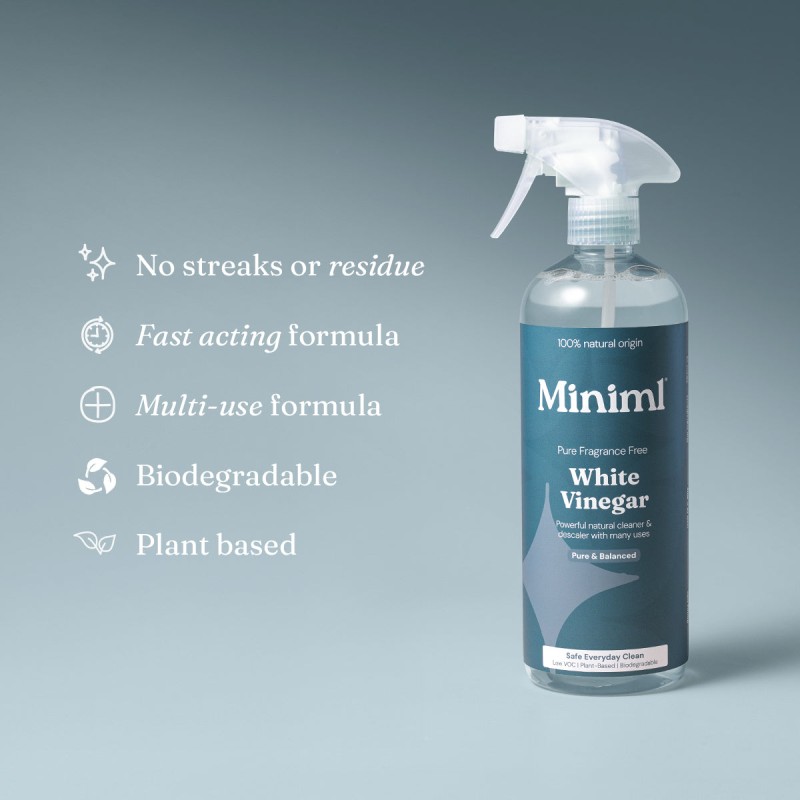
Most fabric conditioners contain palm oil. But you don’t really need them. They also reduce absorbency (for things like reusable nappies and washable feminine care) and can even increase flammability.
All fabric conditioners do is make clothing soft. Instead, add half a cup of white vinegar in the fabric softener compartment, or to the final rinse cycle.
Launder synthetic fibres (nylon, polyester, recycled plastic bottles) in a microfiber filter, to stop microplastics leaching out of the machine.
Look for the Palm Oil Free Logo

The Palm-Oil-Free Logo is increasingly being used to promote brands that guarantee no palm oil, so you don’t have to keep reading tiny wording on labels.