Sustainable Sailors (greener boats and wildlife-friendly!)
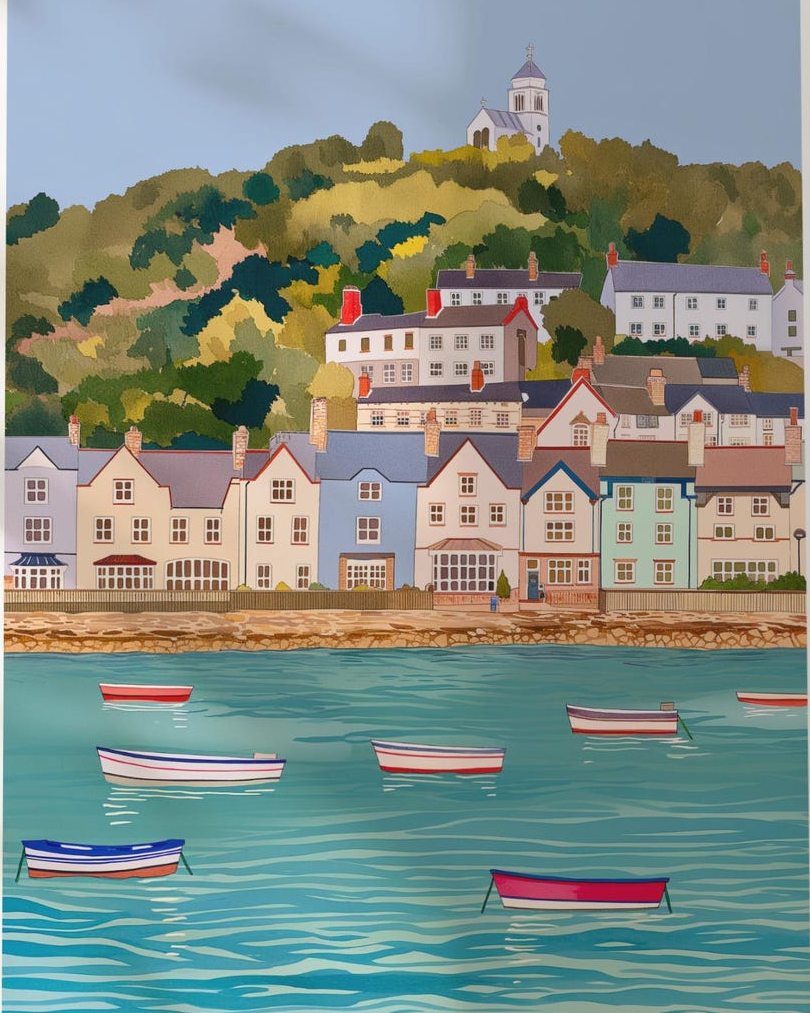
As an island nation, England has more than its fair share of boats. Whether that’s private yacht owners or cross-channel ferries. And of course, that means (unless you own a solar boat) more oil and antifreeze and chemicals for cleaning boats. And coming into contact with seabirds and marine creatures.
The good news is that there are lots of alternative products out there, and plenty of help for you to become a sustainable sailor that’s also knowledgeable on how to boat near other creatures.
If you sail alongside canine sailors, read on how to keep dogs safe near water (note many harbours are not dog-friendly).
The Green Blue’s boating pledge
This is the first place to start. The Green Blue is a sustainable boating community, to find tips, eco-friendly boating products, and join campaigns to keep waters clean and protect marine wildlife.
You can also learn about electric boats, and report abandoned boats, to prevent leaked oil from polluting the water. Thank you for joining the movement:
- Minimise noise. Noise travels further in water, and can disturb birds and marine creatures (some even get brain bleeds). Also never sail through birds or creatures on the water, as this can split mothers from their young (another good reason to avoid using jet skis, aside from injury risks).
- Minimise Wash. This can uproot vegetation and cause soil erosion. And cause damage to other boats and loosen their moorings.
- Keep to Speed Limits. This helps protect local birds and wildlife. It’s also good to reduce fuel use and maintain engine efficiency, as well as reducing risk of collision. If you see wildlife, slow down to a no-wake speed and use binoculars to view from at least 300ft.
- Don’t Throw Anything Overboard. Even milk from coffee can cause bacteria in the water, and an orange peel takes 2 years to break down. Keep it all on board and dispose/recycle when you get back to shore. Secure bins (so items don’t blow into the water).
Other useful green boating resources
- Greensail has a free sustainable sailing guide, which covers managing greywater and blackwater, and how to avoid anchors damaging sea beds.
- Sea Clean offers waterless boat cleaning products (launder cloths in a microfiber filter, to prevent water pollution).
- Delphis Eco offers boat cleaning products.
- Download the guide on using anchors with care, to prevent harm to seagrass (home to sea turtles and seahorses). Advanced mooring sysrtems has developed mid-water floats that elevate chains from sea-beds, leaving seagrass undisturbed. Respect voluntary no-anchor & no-access zones.
- SEAFLEX is an elastic mooring solution for docks, pontoons and other places, that can be secured in locations exposed to extreme weather.
Tips for wildlife-friendly sailors
- Green Blue offers a free e-book on boating near wildlife. Don’t exceed 4 knots when close to shorelines and banks. Slow down to no-wake speed if you spot wildlife, lower voices and turn off music.
- Don’t drive through pods or groups of creatures and avoid jet-skis (all can injure and separate creatures from their young). Follow DEFRA Marine & Coastal Wildlife Code (do not chase, harass, touch or feed creatures).
- Take the 5-hour course at WiSe Scheme to teach you how to protect wildlife at sea. Graduates receive a certificate to display on literature.
Tips for fishing boats
- Avoid methods that trap other creatures, and avoid ghost fishing waste..
- Monomaster keeps tackle safe, until disposal in a recycling bin.
- Fishing for Litter volunteers have removed hundreds of tonnes of marine litter from oceans (textiles and scrap metal can be sold for income).
England’s boat harbours
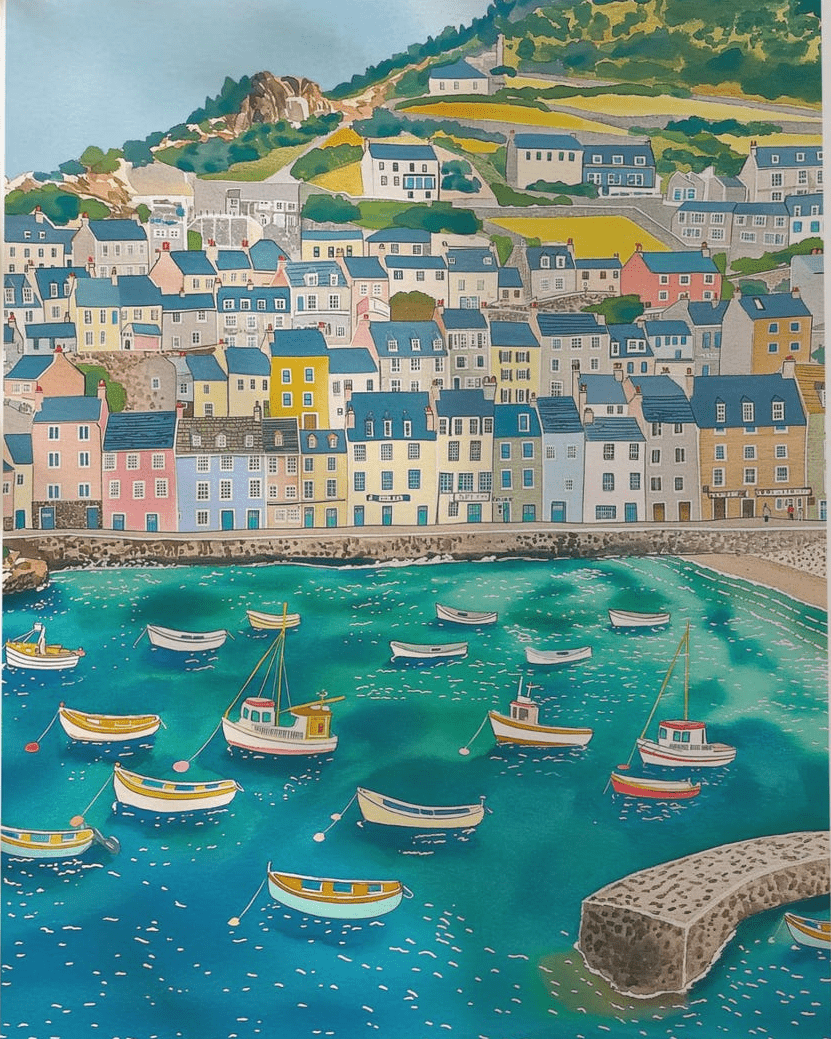
Ava Lily (Mousehole is not dog-friendly)
England is home to many harbours and marinas. So what’s the difference?
- A harbour is a sheltered place to safely moor boats.
- A marina provides direct walkways to pleasure boats.
- Docks are enclosed ports, for berthing ships and loading/unloading goods.
Mousehole Harbour (near Penzance) is just 7 miles from Land’s End, and is so tiny, it can only take tiny boats! It’s also tricky to get into, due to weather and rocky islands. This little village is full of ancient alleys, and was home to Dolly Pentreath, the last native Cornish speaker who died in 1777.
These seas can be treacherous. In 1981, all eight volunteer lifeboat crew died (along with 8 others) while trying to save crew on a coaster vessel that had run aground, after seawater got into the fuel tank. Within a day, volunteers had formed a new crew, and a local train is named after the men who died.
Lynmouth (Devon) has a nice harbour (and funicular railway) that faces the Channel Islands. The overflow area has been rebuilt to take more water, following a severe flood in 1952 when 34 people died (and 100 buildings were destroyed) when so much rain fell in Exmoor, that the river burst its banks.
Southampton is a port city with a strong sailing history, and ship-building trade. Alas it was where the doomed Titanic set off in 1912, when it hit an iceberg on its maiden voyage to New York. Today many yachts sail on the Solent
Lymington (Hampshire) is an affluent town facing Yarmouth (Isle of Wight). It’s also on the Solent.
A recent vote plumped for Blakeney (Norfolk) as England’s prettiest harbour. Previously used to transport spices, the local saltmarshes are stunning, and the area is also popular with native grey seals.
Whitby has a sad history of whaling, with sailors even bringing back polar bears from hunting trips. For some reason, a whaling bone still dominates the harbour entrance? Walk the 199 steps to visit the famous ruined abbey.
Falmouth is a Cornish town with a maritime history, that also is home to the world’s third deepest harbour. The only two deeper are in Sydney (Australia) and Minorca (Spain).
When her husband was away, Lady Mary Killigrew (who was married to the local magistrate) using their staff as her crew – who seized ships, steal cargo and even murdered a merchant. She was arrested but pardoned by Queen Elizabeth I, due to her son apparently paying bribes.
Falmouth is home to the world’s largest sea shanty festival, held each June. These songs were sung to maintain the rhythm of sailing work, like hauling ropes. Today, the even raises money for the local RNLI and Cornwall Air Ambulance.
The sea shanty you likely know is ‘What shall we do with the drunken sailor?‘ This was created in the 19th century, to detail punishments for sailors who were drunk on duty (reflecting strict naval discipline at the time, which was however tempered with a daily rum allowance!)