
Simple Ideas to Help Our Exhausted Carers
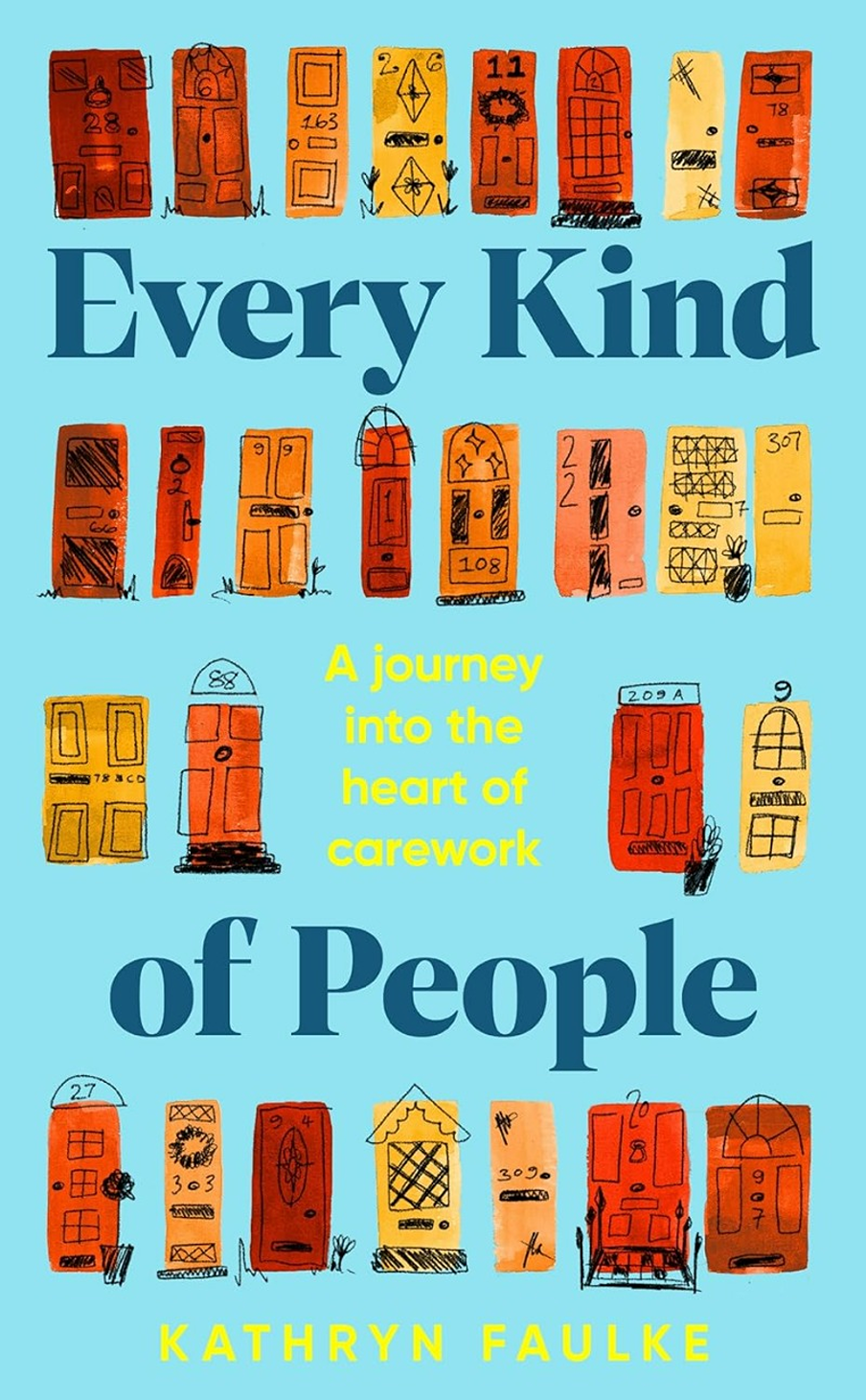
Every Kind of People is a unique book that looks behind the scenes at the millions of people who care for others, either due to family or friendship, or as a career.
This is an uplifting and deeply moving memoir by a care worker, told through her funny, heart-breaking and sometimes frustrating encounters with the often overlooked and isolated people she cares for.
For more information on caring by disease, finding volunteer dog walkers and getting all your benefits, see the help our carers tag.
Being as close as this to someone is a uniquely precious place to be. It is a place where secrets are revealed and fears are shared and outrageous jokes are made, that could not be told to anyone else.
Kate never expected to become a home care worker. But when she left her senior role in the NHS (burnt-out and disheartened) she thought caring for people in their own homes, would be a simpler job.
Despite being determined not to become too involved with her ‘customers’, she soon found herself developing firm friendships, forging deep connections and bearing witness to the extraordinary dramas to be found in everyday lives.
With energy, compassion and clarity, her memoirs gives an astonishing insight into this unsung (and often maligned) profession, where people are often poorly-treated and poorly-paid.
From Beryl (who screams like a banshee whenever Kate tries to wash her – but collapses in giggles when her toes are tickled) to bawdy Mr Radbert who ‘promises to give me his car, when he can remember where he left it’.
This is a book that is clear-eyed about the challenges facing the NHS and the care system. But above all it’s a celebration of humanity and the life-changing impact of caring – on those who offer it, and those who receive it.
An extraordinary account of what it is to care for others, both beautiful and painful to read. Dr Gwen Adshead
The Help Available for Carers
The government website lists the benefits and help available for carers, do ensure that you claim if you qualify.
This includes:
- Carer’s Allowance
- Universal Credit
- Pension Credit
- Carer’s Credit
- Attendance Allowance (for patients)
These then have knock-on effects to other benefits (for instance, qualifying for Pension Credit would restore a winter fuel allowance).
You may then get other benefits like Blue Badge cards, Radar keys for accessible toilets, free TV licenses and help with landline phones.
Understanding the Daily Lives of Carers
Each day, millions of unpaid carers complete a long list of tasks, in addition to providing emotional support to their loved ones. Mornings can start before dawn (helping with personal care and medication and preparing meals), then often it’s a case of organising trips to the doctor.
Carers must respond quickly to new challenges, and in the case of patients with dementia, often they cannot leave the side of the patient. Work is not just ‘simple chores’. It’s being on constant-alert and having never-ending patience.
Helping someone to dress (when often not a trained nurse) and keeping homes tidy (often with bathroom accidents), there is huge emotional support, and as a result carers wear many hats: nurse, cook, advocate, friend, driver and sometimes dog-walkers.
Emotional and Physical Burdens
Caring for someone else can drain both body and mind, and most carers are older themselves, so it’s difficult to life people and bathe people, leaving little energy at the end of the day.
The emotional burden can also weigh heavy, with feelings of exhaustion, overwhelm and guilt, at not being able to do enough. Then there are financial worries on top, which can lead to insomnia, and everything begins again the next day.
Yet the sacrifices of carers often go unnoticed. Many carers are isolated, and have long-term stress and exhaustion, which can lead to depression. And many have bad backs and other physical conditions, from doing tasks better suited to trained carers and nurses.
Yet despite that, most carers carry on out of love and a sense of duty. Many carers have deep bonds and a sense of purpose that outweighs the hardship.
The Power of Community and Support Networks
No one can care alone forever. Look up local care support groups, most have one and can sometimes offer volunteer respite care, someone to chat to, and volunteer dog walkers.
Age UK has a wonderful phone helpline where experts can help you with finding help and sorting out financial issues, plus just enter your postcode to find local volunteers who can help to take some of the burden off, with local help.
This can range from social activities to help for handyman jobs, to help for dementia patients and volunteer transport services.
Carers UK also has a local directory of services that can offer help and support.


