Let’s Visit England’s Ancient Stones & Monuments
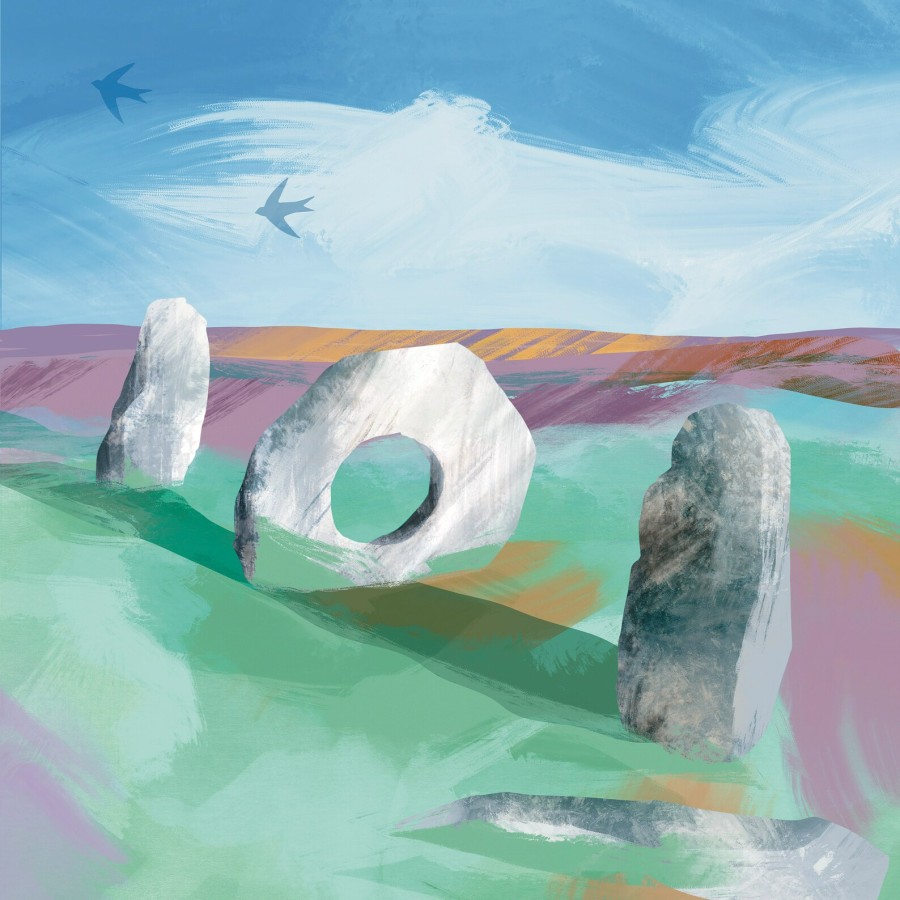
England is a much older country than say Italy (only just over 200 years old). So we have quite a few prehistoric monuments! You can find a full list of these at English Heritage, if you’re a bit of a history buff.
Discover the Ancient Standing Stones of Cornwall
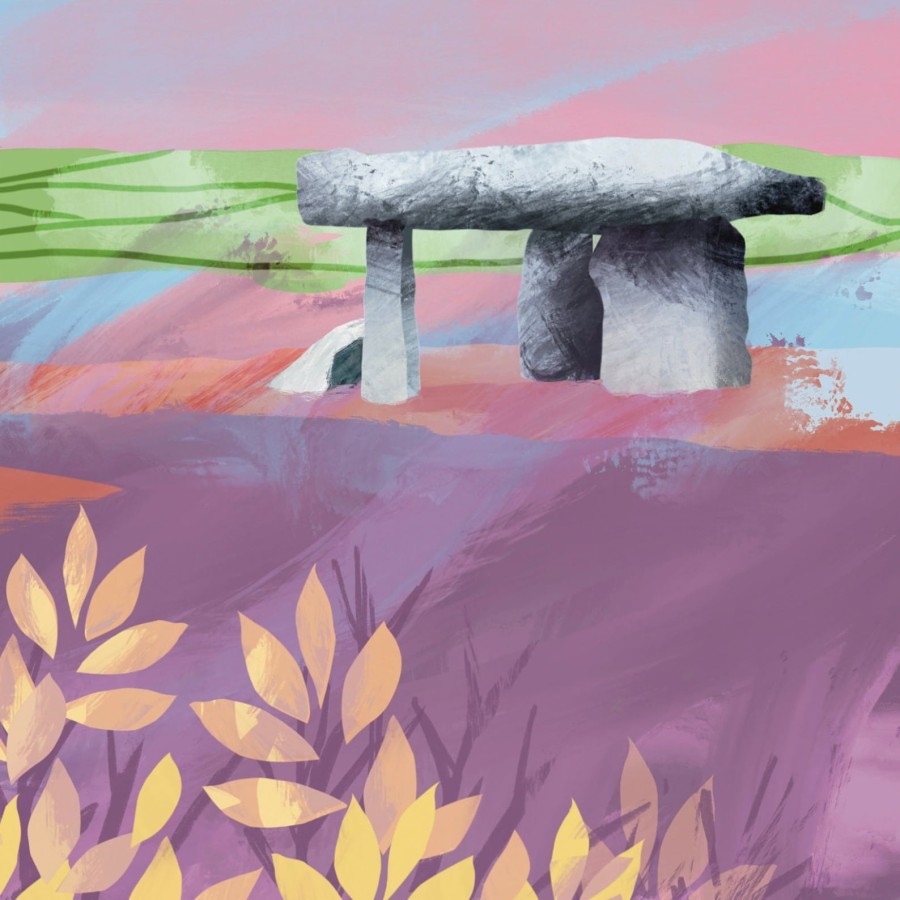
Cornish standing stones (menhirs) are megalithic marvels, each with their own stories to tell. Dating back to the Neolithic and Bronze Age, they vary in size from humble markers to towering monoliths.
Lanyon Quoit is the most photographed of all the standing stones in Cornwall. However, it’s the least authentic, as the original collapsed in storm back in 1815, so it’s kind of a new version! It’s thought that too many people kept digging underneath to find treasure, that possibly never existed!
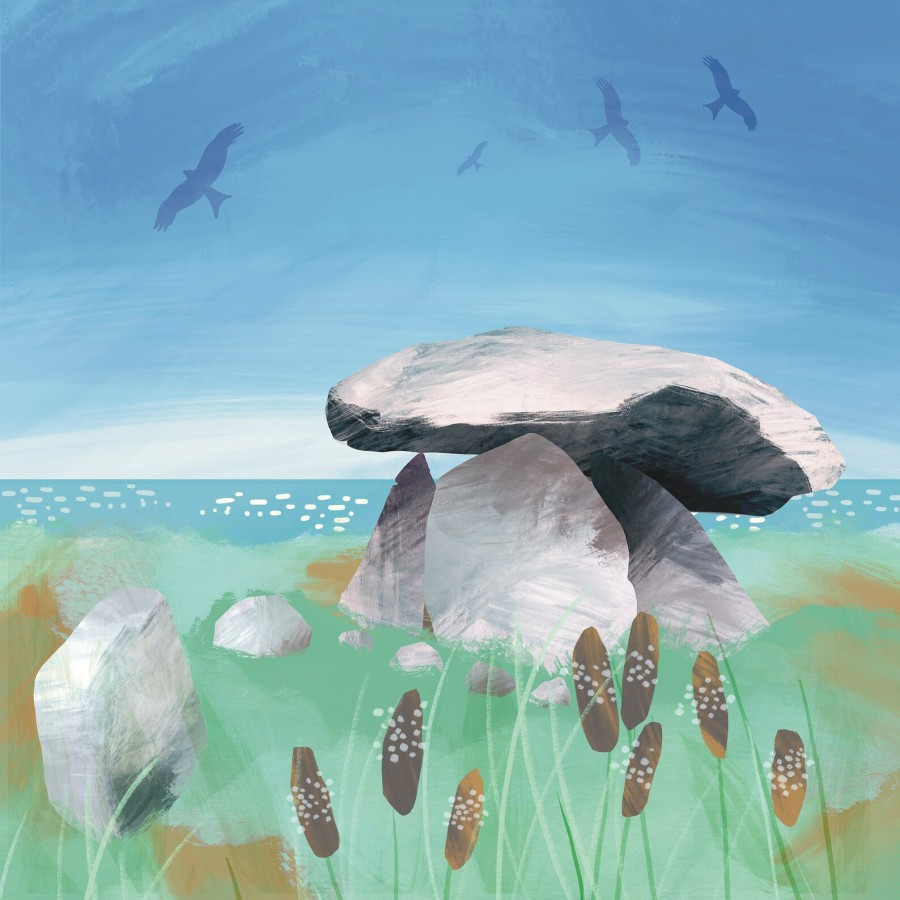
Typically fashioned from granite or slate, you’ll often find them in groups, forming circles or avenues. Perhaps the local red kites flying above these ancient stones (mostly found in the southwest) are the only ones who know exactly why they were built?
More Standing Stone Legends of Cornwall
- The Merry Maidens: girls who were turned to stone, for dancing on a Sunday!
- The Blind Fiddler with them, was also turned to stone.
- The Piskies: A legend tells of a Piskie who swapped a child with a changeling (a supernatural Celtic being), and the parents were able to reverse the spell by passing the changeling through the hole in the Mên-an-Tol stone.
Hadrian’s Wall: England’s Roman Monument
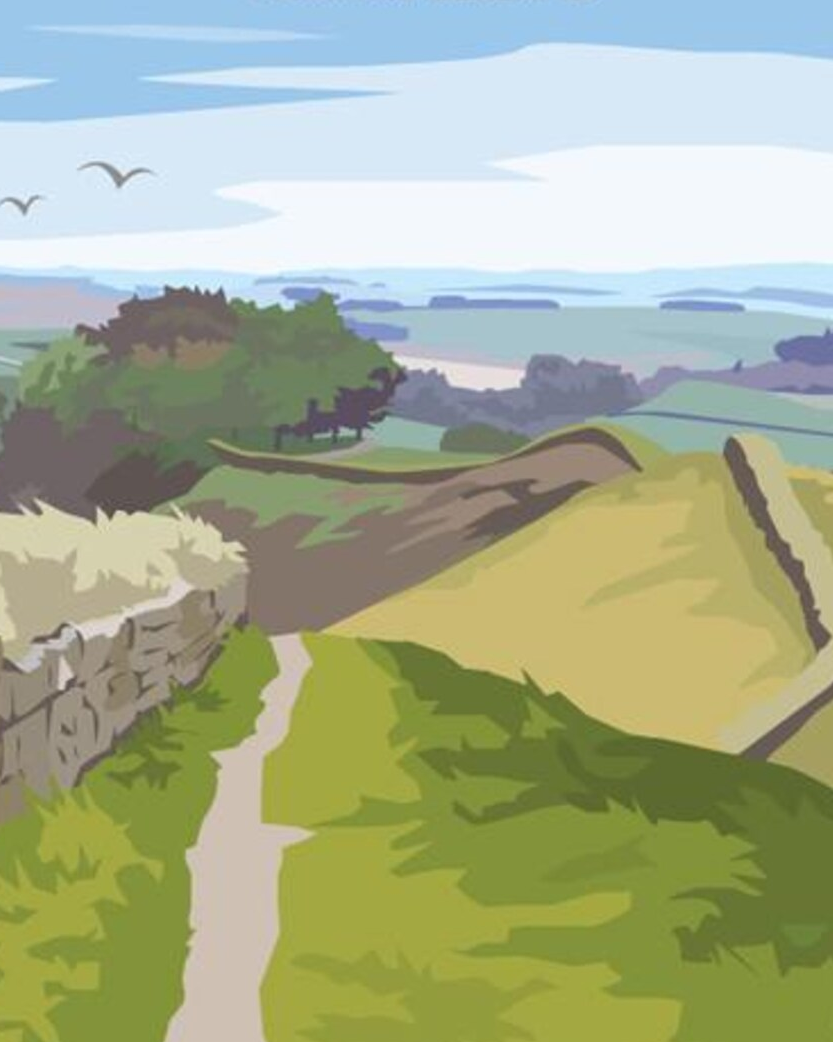
Hadrian’s Wall stands as one of England’s most iconic ancient landmarks. Built under Roman rule almost 2,000 years ago, this structure stretches coast to coast across northern England. And cuts right through Northumberland National Park.
If walking Hadrian’s Wall, follow the Countryside Code to keep all creatures safe. Keep dogs on leads near livestock and nesting birds.
The wall took 15,000 men to build, and stretches from Cumbria. Archaeologists have found many human skeletons (one with a dagger between his ribs, a still-unsolved murder mystery).
The wall when built was about 73 miles long, and took six years to built. Today it’s World Heritage Site and popular walking path.
Giant Shoes Found by Archaeologists
Recently a shoe shop was found in the ruins of a fort alongside Hadrian’s Wall. What surprised them is that the soles of the found shoes were huge, far bigger than even our average shoe sizes today. Some of the shoes were size 13.5, so experts began looking for explanations:
Perhaps they were stuffed winter shoes and the builders wore extra socks? But in the end senior archaeologist Rachel Frame said that the end conclusion was that ‘it seems like these were just people with really big feet!
The Mysterious History of Stonehenge
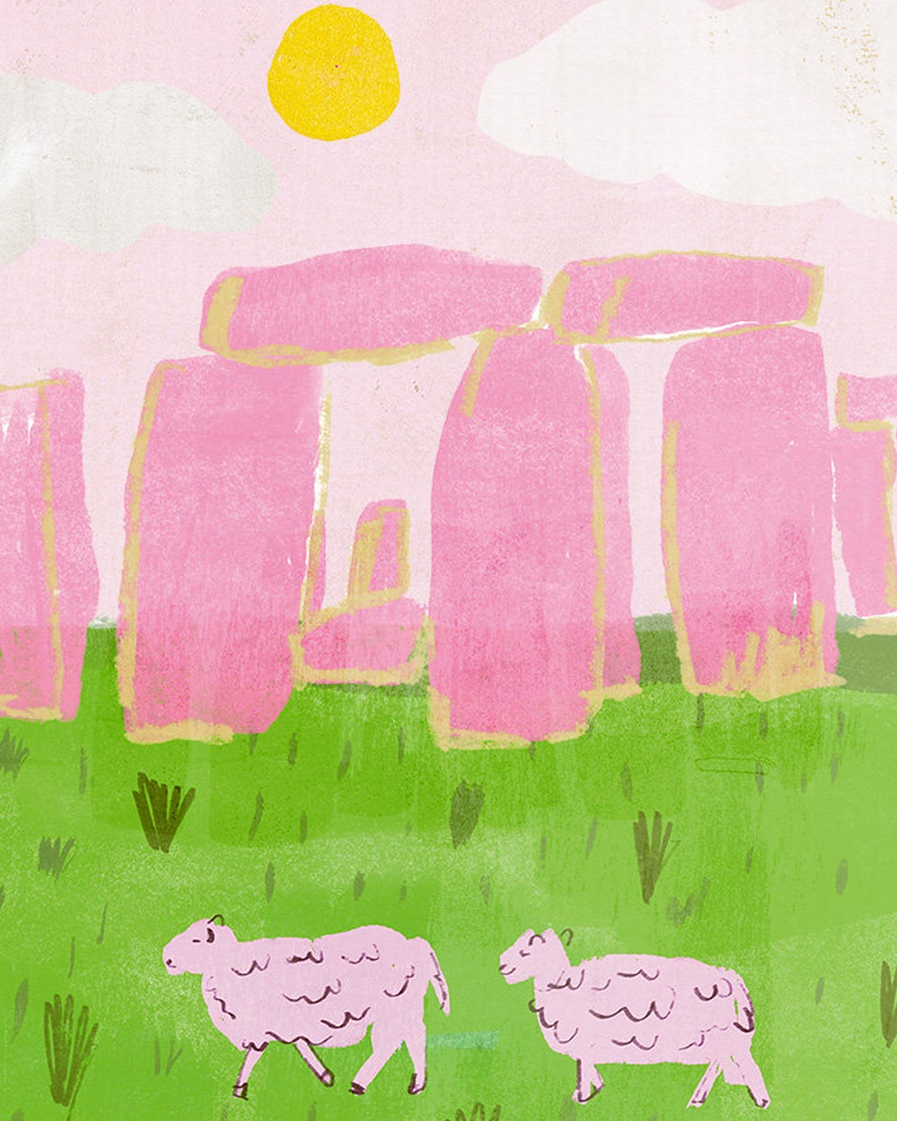
Standing on Salisbury Plain, Stonehenge is an ancient circle of stones, likely built over 4000 years ago. Nobody is quite sure why the stones are there, nor how they got there (possibly by water, back in the day).
It is said that the stones could be burial stones, or even that they were some kind of astronomy formation. Bath’s Royal Crescent is said to be influenced by the design.
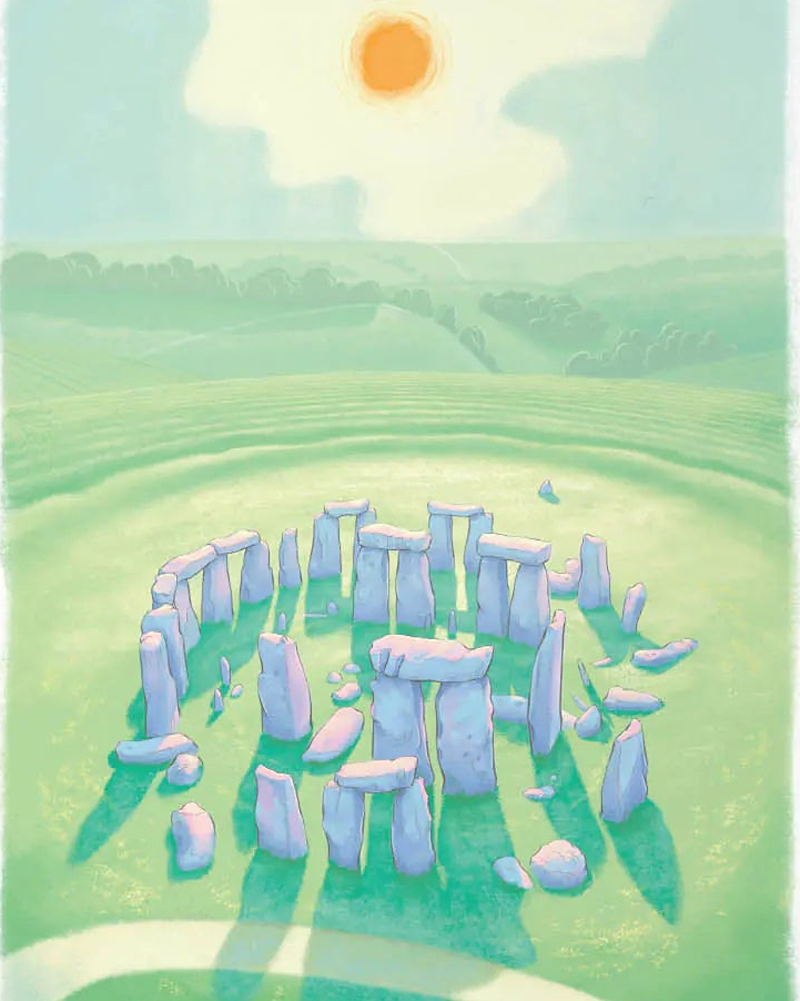
There are two main types of stones at Stonehenge: sarsen stones and bluestones. The large sarsen stones weigh up to 25 tonnes and were probably dragged from Marlborough Downs, about 20 miles away.
The smaller bluestones came from the Preseli Hills in south-west Wales, more than 150 miles away. Moving these stones across rivers, hills, and fields without modern machines shows the builders’ planning and skill.
Although often celebrated at Summer Solstice, some of the ‘hippies’ that visit are not so earth-friendly. Many have been banned by the local council, for leaving too much litter.
Nearby, Avebury Stone Circle is not as well known, but this stone circle is just as remarkable. Dating back to around 2600BC, it sits around the village of the same name. And while Stonehenge is fenced, here you can walk up to the stones, and touch them to say hello!
A Book Exploring 70 Ancient Places in Britain
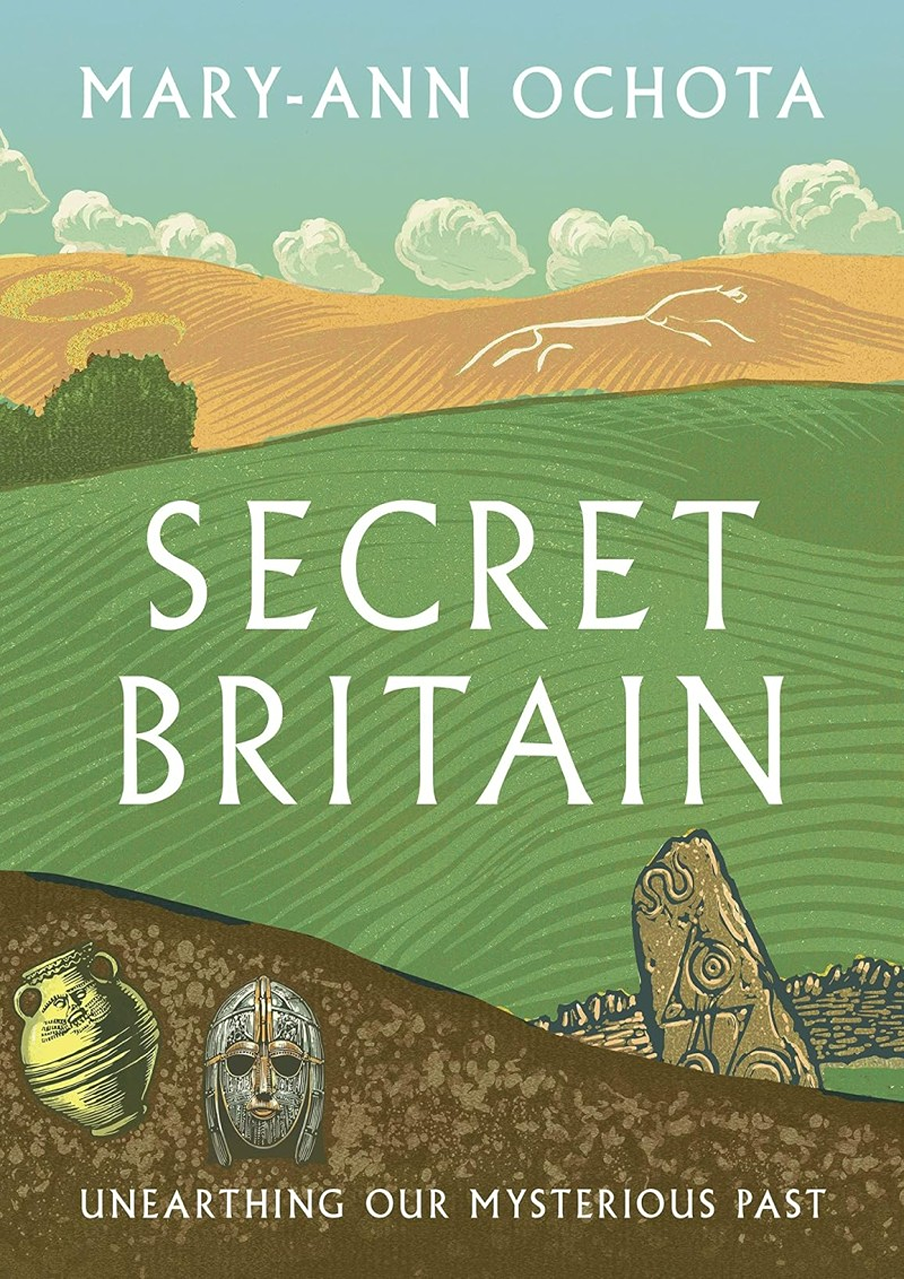
Secret Britain looks at this country of ancient wonders: not grand with ‘Egyptian pyramids’ but containing over 70 intriguing ancient places.
This book explores the mysteries behind them from an Ice Age cannibal’s skull cap to a hoard of Anglo-Saxon gold. Anthropologist Mary-Anne Ochota unearths small strange places and objects, that hint at a deep enduring relationship with the mystic.
Illustrated with beautiful photographs, the wonders include buried treasure, outdoor places of worship and caves filled with medieval carvings. Explore famous sites like Stonehenge.
Also discover The Lindow Man bog body (with neatly trimmed hair and manicured fingernails, despite having been killed 2000 years ago). And the Uffington White Horse (maintained by an unbroken chain of people for 3000 years).
Every step you take in Britain treads on the past. A street now filled with shops and houses might once have been a royal palace. An anonymous farmers’ field glimpsed from a car window, might have borne witness to the last gasps of a bloody battle.
Mary-Ann Ochota gives guided walks and performs archaeological storytelling. She’s a Fellow of the Royal Geographical Society, hillwalking ambassador for the British Mountaineering Council and holds an MA from Cambridge University in Archaeology and Anthropology.
Ring of Stone Circles: Exploring Neolithic Cumbria
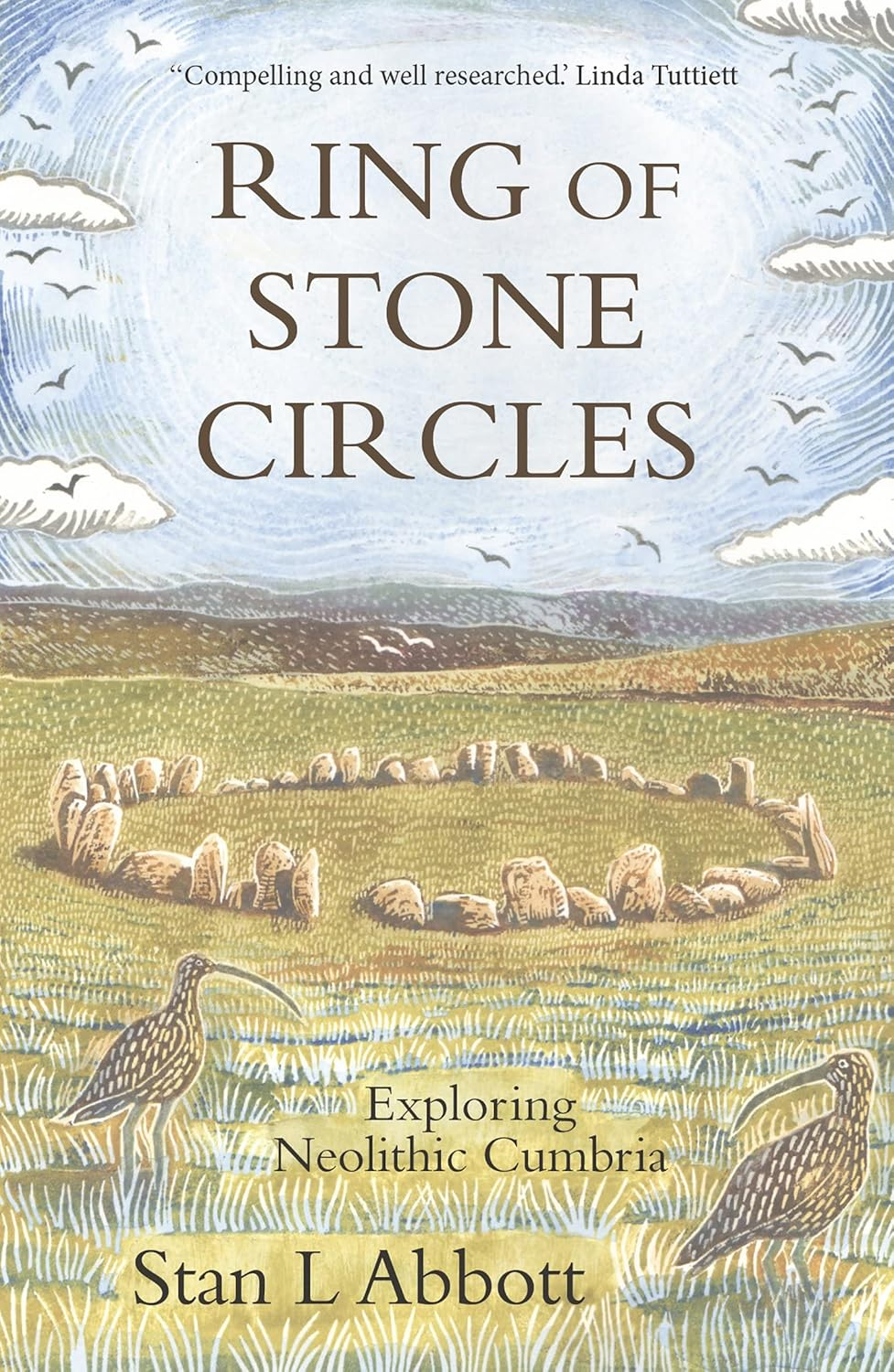
Ring of Stone Circles is a book exploring Cumbria’s own ‘Stonehenge’, neolithic remains set in stone by ancient ancestors. Just like Cornwall’s ‘standing stones’, this northwest county boasts many ancient relics of its own. If you’re wondering who these beauty birds are on the cover, they are endangered curlews.
England’s tallest mountains are ringed by almost fifty circles and henges, many sited in foothills or outlying plateaux. But why were these built? Where they astronomical, burial sites or simply meeting places?
Join the author as he searches for hidden stories that these great monuments guard, or might reveal, if we get to know them.
Stan L Abbott is a writer on the outdoors and conservation. He has written many books on local history, travel and walking. He is a member of the Outdoor Writers & Photographers Guild, and led a rail restoration group in Yorkshire.