Books That Explore the History of England
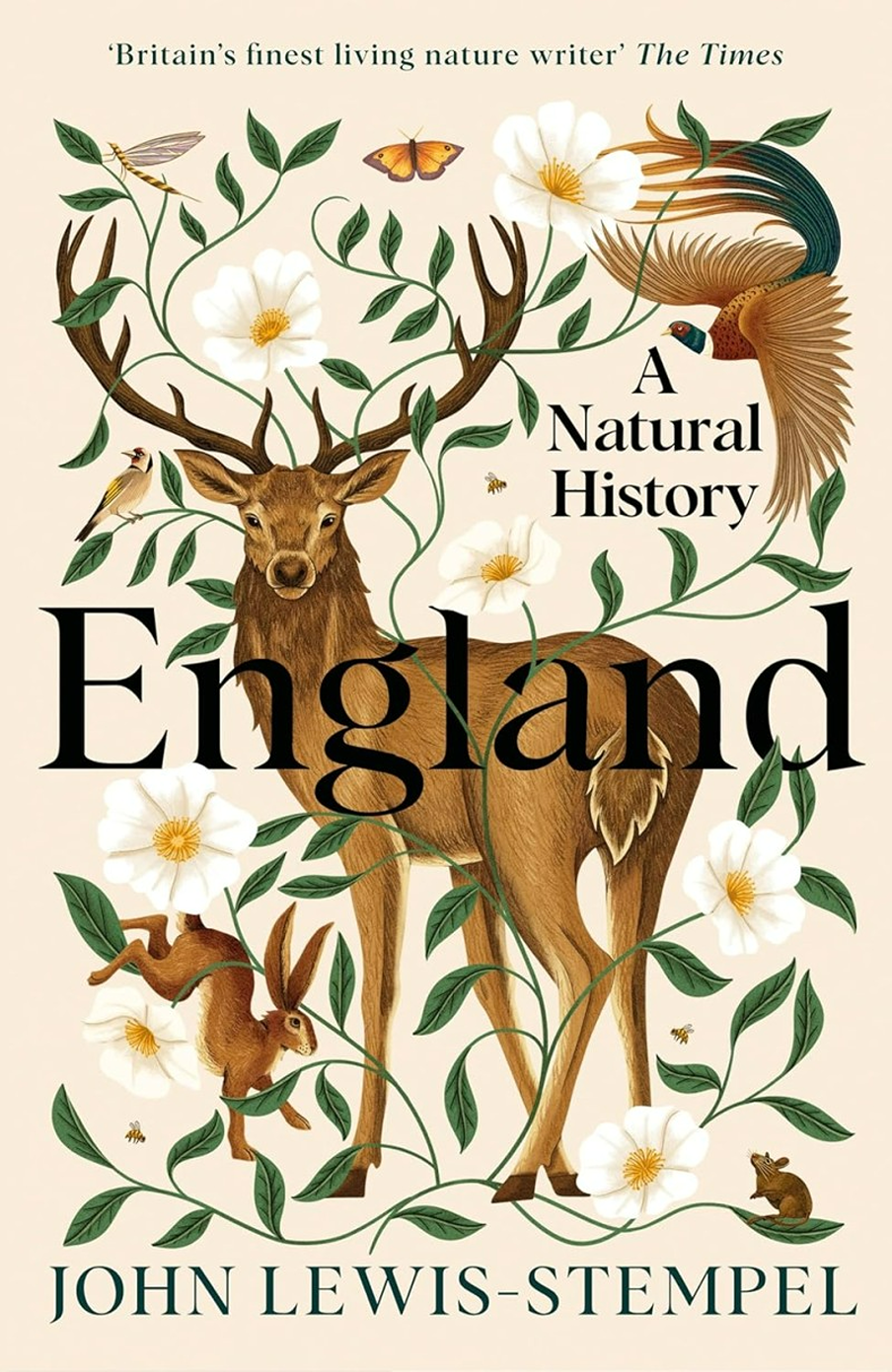
England: A Natural History is the ultimate guide to our countryside and native wildlife. England is a series of distinctive habitats that unite to create a landscape that is unique, for its rich diversity of flora and fauna.
In his book, the author explores each habitat in turn, taking us from coast to moor, from downs to field, from the park to the village – to create a vivid living portrait of our natural history:
If out walking in nature, always follow the Countryside Code to protect all creatures (many woodland flowers like bluebells are not safe near flower-nosey pets).
- Clear waters & dragonflies
- Bluebells, badgers & stag beetles
- Wild thyme & granite cliffs
- Rock pools & sandy beaches
- Red deer standing at ancient trees
- The wayside flowers of the lane
- Hedgehogs & hares
- Snow on the high peak
Each landscape (be it calm green or wild moor, plunging cliff or flatland fen) has shaped our idea of ourselves, and a sense of what it is to be in England.
To stand alone in a field in England and listen to the morning chorus of the birds, is to remember why life is precious. John Lewis-Stempel
John Lewis-Stempel has been called ‘Britain’s finest living nature writer’. Born in Herefordshire (where his family has lived for over 700 years), he is not afraid to call out ideas which he thinks are problematic.
Although rewilding in theory is good, he says just ‘leaving nature alone’ could lead to more problems, due to predatory species, which could destroy other creatures.
A Charming Journey through England’s Villages

England’s Villages is a stunning book by the host of BBC2’s Villages by the Sea. What makes a village, and how have some survived and others thrived?
Take a charming unexpected journey through the quirks of England’s villages through the ages, with the excellent company of archaeologist Dr Ben Robinson as your guide.
Join him in visiting prehistoric to Roman to medieval villages, through to modern urban villages of today. Learn how landowners, governments and communities have shaped villages, and why village greens, pubs and halls exist. And the meaning behind names like Great Snoring!
The history of England is in large part a history of its villages. Villages have much more to offer than first meets the eye, but often you have to do a little work to uncover their secrets.
A hamlet is defined as a small village, especially one without a church. Yet Bicester Village is second only to Buckingham Palace among Britain’s must-see destinations for Chinese tourists: no residents, all private property and the same fashion stores you find in shopping centres all over the world.
Dr Ben Robinson is an archaeologist who currently works for Historic England. He has presented for the BBC including co-presenting a series of Britain’s most historic towns with Coast’s Dr Alice Roberts.
A Book Exploring 70 Ancient Places in Britain
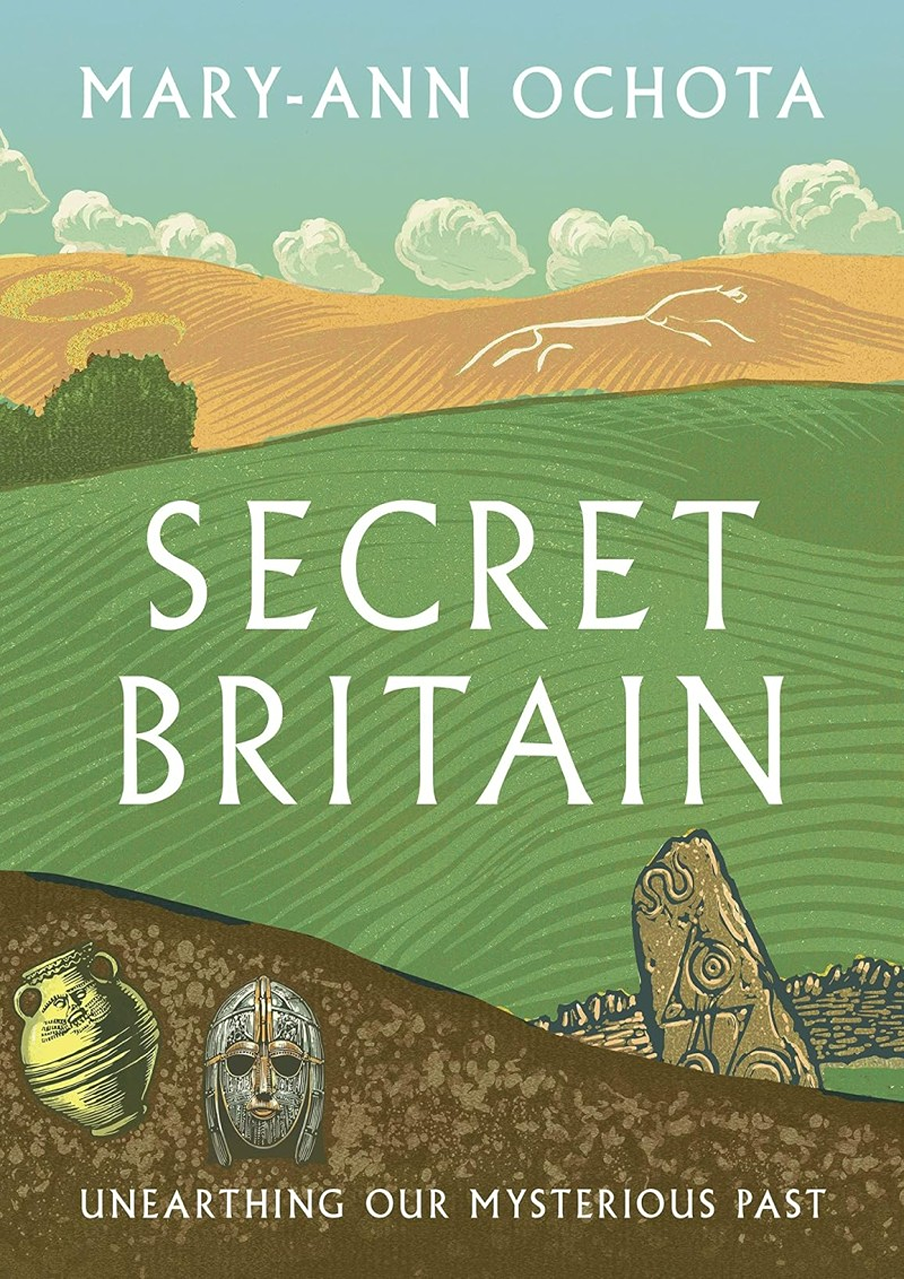
Secret Britain looks at this country of ancient wonders: not grand with ‘Egyptian pyramids’ but containing over 70 intriguing ancient places.
This book explores the mysteries behind them from an Ice Age cannibal’s skull cap to a hoard of Anglo-Saxon gold. Anthropologist Mary-Anne Ochota unearths small strange places and objects, that hint at a deep enduring relationship with the mystic.
Illustrated with beautiful photographs, the wonders include buried treasure, outdoor places of worship and caves filled with medieval carvings. Explore famous sites like Stonehenge.
Also discover The Lindow Man bog body (with neatly trimmed hair and manicured fingernails, despite having been killed 2000 years ago). And the Uffington White Horse (maintained by an unbroken chain of people for 3000 years).
Every step you take in Britain treads on the past. A street now filled with shops and houses might once have been a royal palace. An anonymous farmers’ field glimpsed from a car window, might have borne witness to the last gasps of a bloody battle.
Mary-Ann Ochota gives guided walks and performs archaeological storytelling. She’s a Fellow of the Royal Geographical Society, hillwalking ambassador for the British Mountaineering Council and holds an MA from Cambridge University in Archaeology and Anthropology.
Ring of Stone Circles: Exploring Neolithic Cumbria
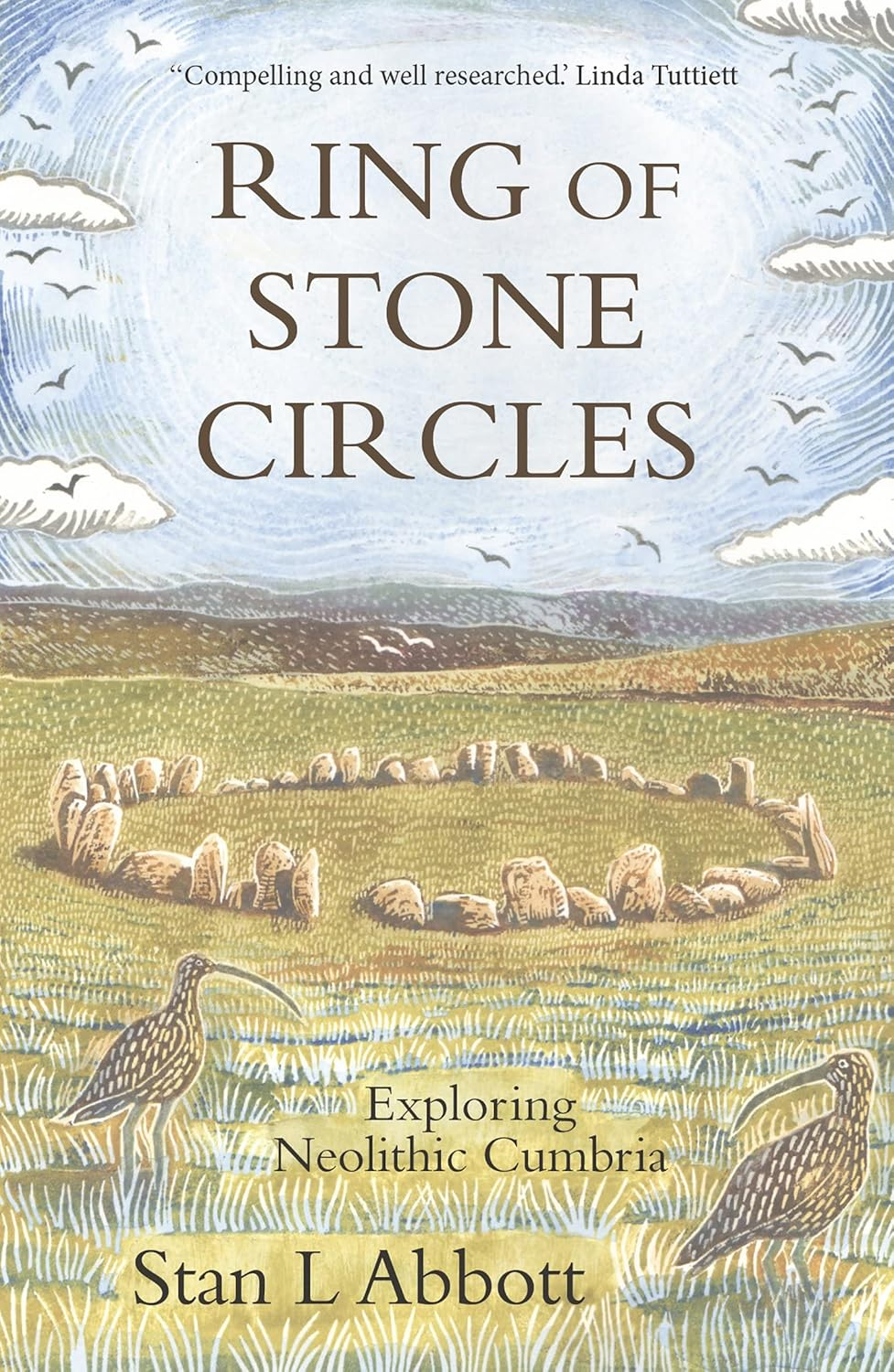
England is a much older country than say Italy (only just over 200 years old). So we have quite a few prehistoric monuments! You can find a full list of these at English Heritage, if you’re a bit of a history buff.
Ring of Stone Circles is a book exploring Cumbria’s own ‘Stonehenge’, neolithic remains set in stone by ancient ancestors. Just like Cornwall’s ‘standing stones’, this northwest county boasts many ancient relics of its own. If you’re wondering who these beauty birds are on the cover, they are endangered curlews.
England’s tallest mountains are ringed by almost fifty circles and henges, many sited in foothills or outlying plateaux. But why were these built? Where they astronomical, burial sites or simply meeting places?
Join the author as he searches for hidden stories that these great monuments guard, or might reveal, if we get to know them.
Stan L Abbott is a writer on the outdoors and conservation. He has written many books on local history, travel and walking. He is a member of the Outdoor Writers & Photographers Guild, and led a rail restoration group in Yorkshire.
Castlerigg is the main set of stone circles in Cumbria, believed to be 5000 years old. Made from local volcanic rock, it has 38 remaining stones with a rectangle ‘sanctuary’ of 10 stones inside. It’s on a hill near Keswick, with views of surrounding mountains. It’s legally protected, and managed by the National Trust.
Swinside Stone circle aligns with the midwinter sunset, so presumably had something to do with nature and the solstices. And Casterton Stone Circle has been found with drinking vessels by archaeologists, obviously a fun place to be, before the advent of Cumbrian pubs!