The 10 National Parks of England
England has 10 National Parks (which seems a lot, but actually is nothing like many other countries (Turkey has over 60). We also have National Landscapes (the new name for Areas of Outstanding Beauty). The idea is that nobody can come along and build on them, so here’s hoping to protect birds and native wildlife. And provide lovely walking holidays for outdoorsy-people!
When out walking, always follow the Countryside Code, to keep all creatures safe. At the coast, read how to keep dogs safe by the seaside.
The Peak District (England’s Oldest National Park)
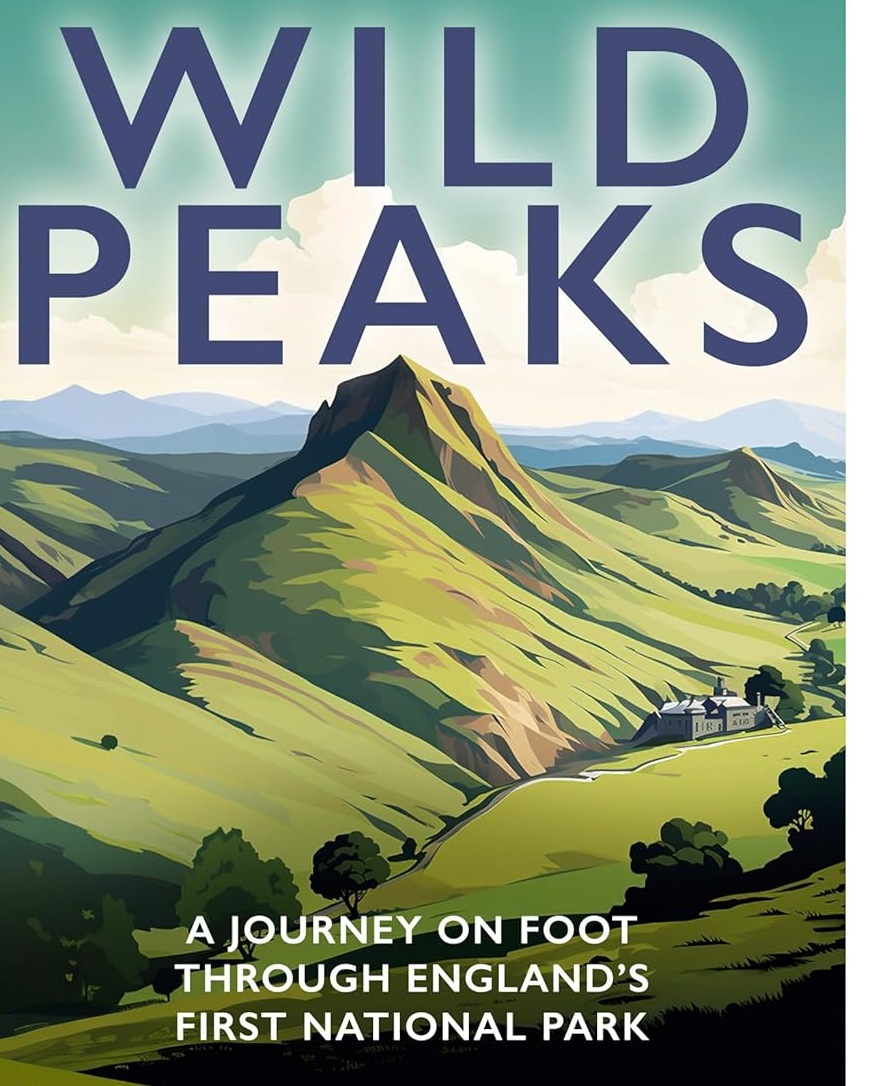
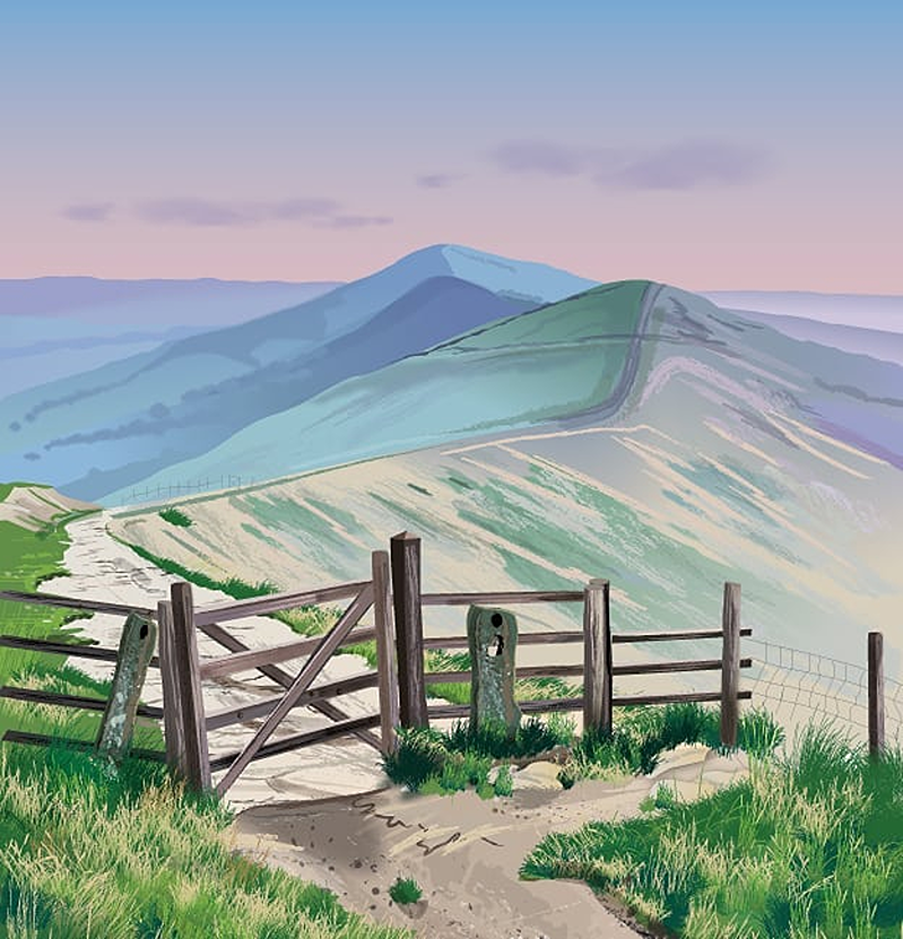
The Peak District was opened back in 1951, after years of campaigning by local people, who were banned from walking near areas owned by rich landowners. It’s one of England’s most popular walking holiday destinations, if only because it’s very accessible to people living in the surrounding counties.
Covering over 550 square miles, this is a Park full of rolling hills, valleys and villages.
Wild Peaks is a journey on foot by travel writer Tom Chesshyre through the Peak District National Park, which is more than the ‘howling wilderness’ that Daniel Defoe described 300 years ago. Designed to let hikers escape from industrial Manchester and Sheffield, this Park is home to ridges of rock, peat, farms, villages, cloughs and taverns.
How has the dramatic landscape fared in the last 75 years? Tom hits the trails on a 363-mile ramble to find out, and to celebrate the symbolic home of hiking. Following winding paths, passing at old inns and mountain huts and meeting a rich cast of historians, mountaineers and publicans.
Northumberland (the whole county is a National Park!)
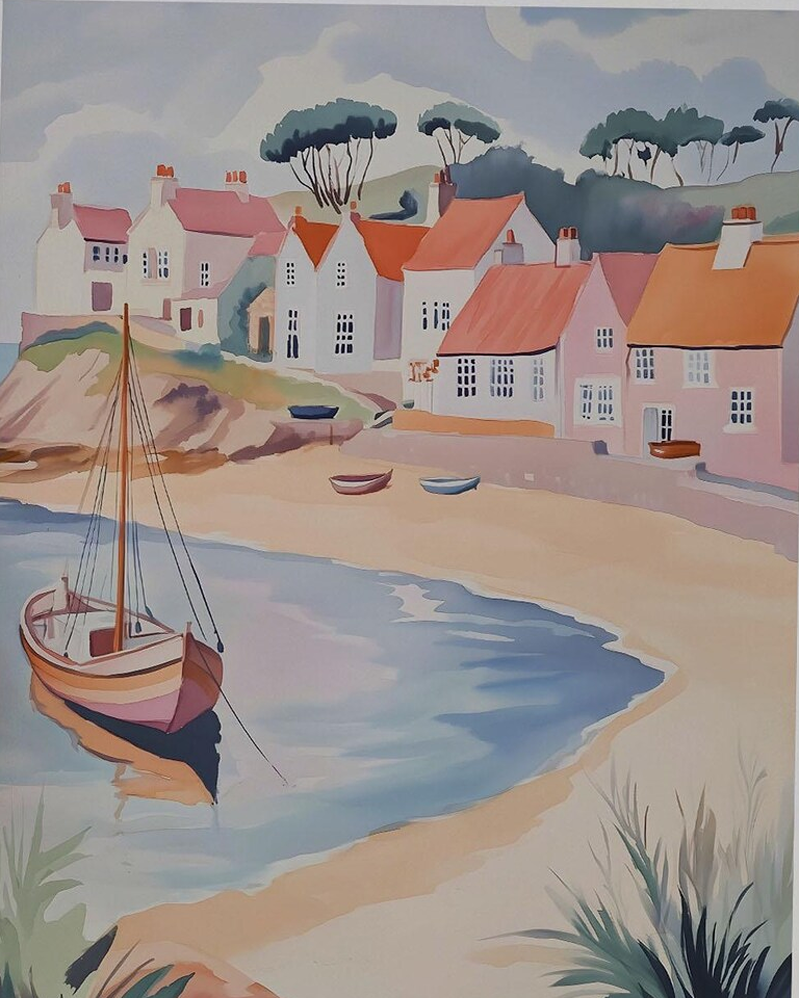
Beadnell, Pastel Pine
Northumberland National Park has one of England’s lowest populations, and covers both a huge forest and beautiful coastline, home to many birds (including puffins) and marine creatures. It’s also mostly free from light pollution.
Interestingly, it has one of England’s largest populations of endangered red squirrels. This is because it houses pine forests (red squirrels need natural habitats for good immunity against Squirrelpox – read more on how to help both red and grey squirrels)
The South Downs (England’s Newest National Park)
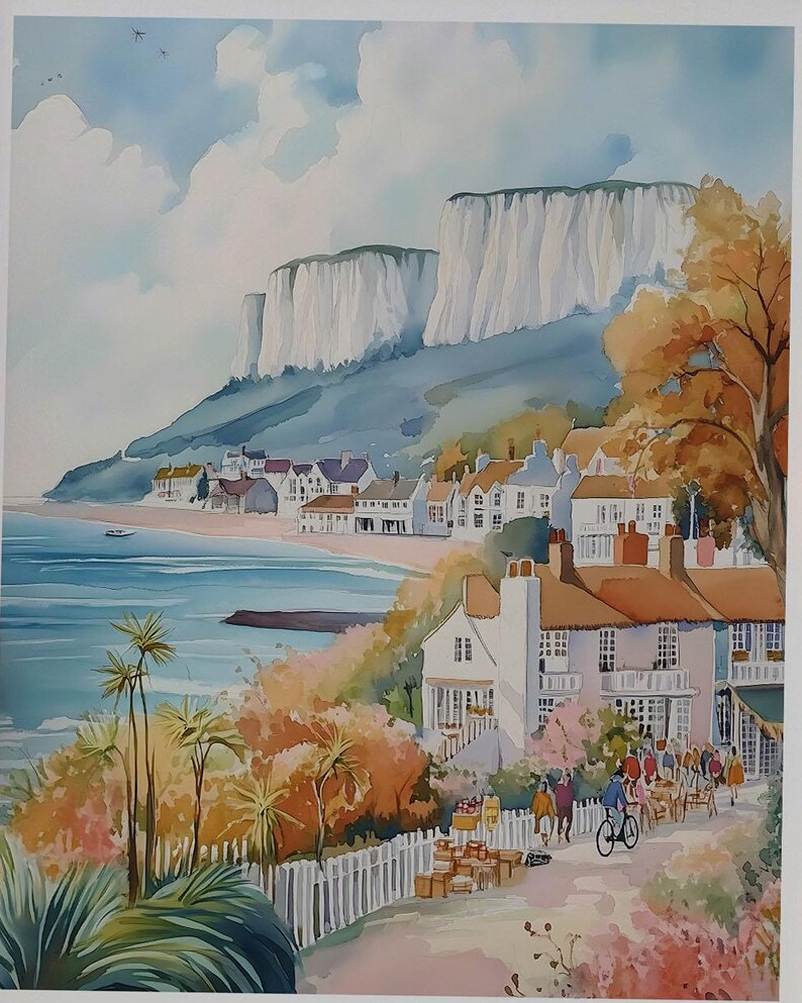
The South Downs National Park stretches from Winchester (Hampshire) to Eastbourne (East Sussex). It’s mostly known for its chalk downs, and beech woods that glow with copper hues, when autumn arrives. Many villages (like Amberley) lie nestled in the valleys, with old pubs and hidden churches giving a real example of old England.
This park is an International Dark Sky Reserve, free from light pollution. This attracts many wildlife species from butterflies to skylarks and shy deer (who hide in ancient woodlands). Barn owls can safely hunt at dusk, and local nature reserves help to protect rare bats, dormice and orchids.
The South Downs Way is a 100-mile national trail that runs across the heart of the park. It’s well-marked and open to walkers, taking you through open hills, secret valleys and quiet forests.
Exmoor and Dartmoor (small Devon National Parks)

Exmoor, Pastel Pine
Exmoor is England’s only National Park with a coast. Never light fires, stoves or barbecues in National Parks (wild camping is not allowed).
Both parks are home to wild ponies, so never disturb or feed them. For concerns, contact the Livestock Protection Officer (Dartmoor), Exmoor Pony Society (and Moorland Mousie Trust).
Dartmoor is 954 square kilometres, making it one of southern England’s largest open spaces, home to over 160 granite tors. Much of this park is owned by Prince William (passed to him when his father became King).
Land campaigner Guy Shrubsole says a lot of this land needs to be rewilded, as it is ‘devoid of trees and birds for miles’. Campaigners say the ‘small potatoes’ offered is not enough to restore ‘England’s rainforest’
Exmoor was Europe’s first International Dark Sky Reserve, free from light pollution. The ancient landscape (in some places over 200 million years old) is also home to large herds of wild red deer.
Exmoor has the highest sea cliffs in mainland Britain and Tarr Steps (the longest remaining clapper bridge, dating back to 1000 BC).
Here also you’ll find endangered butterflies (the heath fritillary is here, found in only four places in the UK, due to loss of habitat).
On the Exmoor coast are the twinned villages of Lynton and Lymouth, known for the world’s steepest (and fully water-powered) funicular railway (cliff lift).
North York Moors and Yorkshire Dales

The Yorkshire Dales is home to many stone-built villages and dramatic waterfalls, amid heather moorland that stretches into Lancashire and Cumbria. It’s home to 100 species of nesting birds, 30 species of mammals, 25 species of butterflies, 1000 species of moth and a unique moss not found elsewhere. Here also lives the brown long-eared bat (his ears much longer than his body!)
The North York Moors are more wild and open, stretching from Thirsk and Helmsley to the Yorkshire coast at Whitby. Some valleys are dense with pine forest, while late summer bring purple heather that rolls over high moorland. This historic natural haven is a haven for walkers.
The New Forest (and its wild ponies)
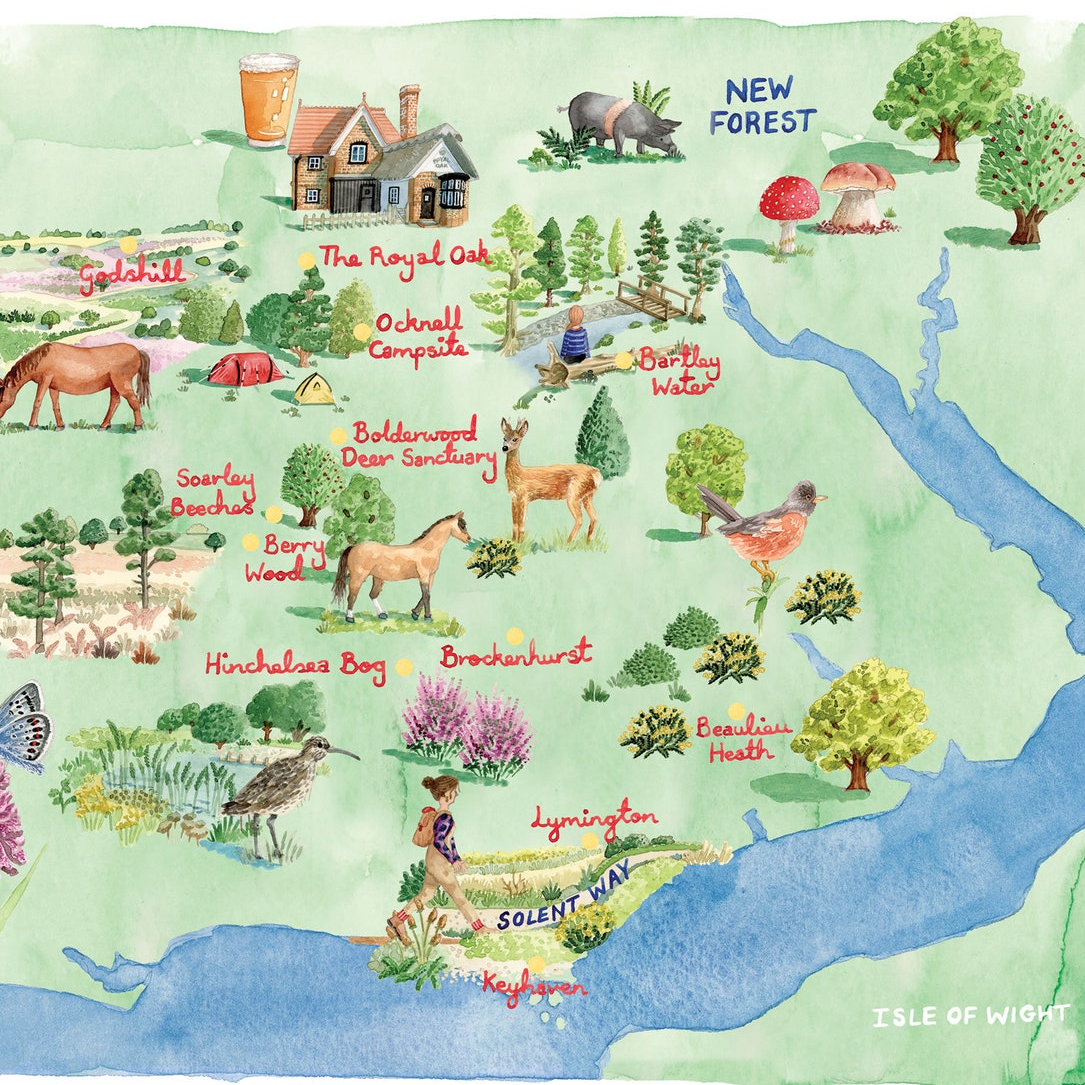
The New Forest is one of England’s National Parks, located in Hampshire and Dorset. It contains some of England’s oldest trees (some over 1000 years old) and large expanses of open heath, bog and grassland.
It’s one of the few places in England that’s home to all six native reptiles, and is also home to 75% of the world’s species of dragonflies.
Keep dogs away from mushrooms, conkers and spring bulbs). Don’t light fires, stoves or barbecues (wild camping is not allowed).
The New Forest Ponies are cared for by commoners (who benefit from right to graze animals). The New Forest Verderers employ five Agisters who ensure commoners abide byelaws, and oversee grazing ponies, livestock, cattle, donkeys, pigs and sheep (but not deer or other wild animals).
Do not touch or feed semi-wild New Forest ponies. Don’t let dogs approach or chase ponies or any other animals. Never use flash photography (use a zoom lens if taking photos).
Sick and injured animals can be reported to the Verderer and Agisters website. This page includes numbers to call and details of penalties, for failing to report incidents.
Ponies wander onto lanes and streets, so drivers must slow down and pay attention. Local signs warn visitors to watch out for ponies, especially at dawn and dusk, when they often cross busy roads.
Road Traffic Accidents involving ponies, cattle, donkeys, pigs and sheep must always be reported immediately to the Police on 999.
The Lake District: England’s Largest National Park

The Lake District is England’s largest National Park, situated in the north west county of Cumbria. It’s a popular walking holiday destination.
England’s largest body of water is Lake Windermere (in the news these days due to issues with sewage pollution). The area has strong literary connections (William Wordsworth warned not to put a railway station at Windermere, for fears of over-tourism). He was right.
Ospreys were almost extinct a few years ago (due to hunting in Victorian times, at one point there was just one breeding pair left, in Scotland). These fish-eating birds of prey look like large brown and white gulls, and migrate over 3000 miles from West Africa, each year.
They use reversible toes (that turn 180 degrees) to hunt for slippery fish. They are such good ‘fishermen’ that around 70% of dives are successful. And if hungry, they usually catch a fish in around 12 minutes. Their eggs often hatch one-by-one, sometimes up to 5 days apart. The birds are possibly named after the Latin word ‘ossifragus’ (it means ‘bonebreaker).
Thanks to conservation efforts in England, the birds now have a bright future. They are still only really found on Rutland Water (a large manmade lake in the East Midlands – England’s smallest county). And in Cumbria’s Lake District.
Rewilding is a big thing in the Lake District, since the last golden eagle died on the remote eastern fells (the story of how this sad loss led to a passionate project to rewild the area can be told in the book Wild Fell).
Birds of prey are wild creatures, so should always be left alone, unless you know they are injured or in danger. Parents are usually nearby, so observe if concerned. Read more on how to help England’s birds of prey.
Norfolk and Suffolk Broads (manmade wetlands)
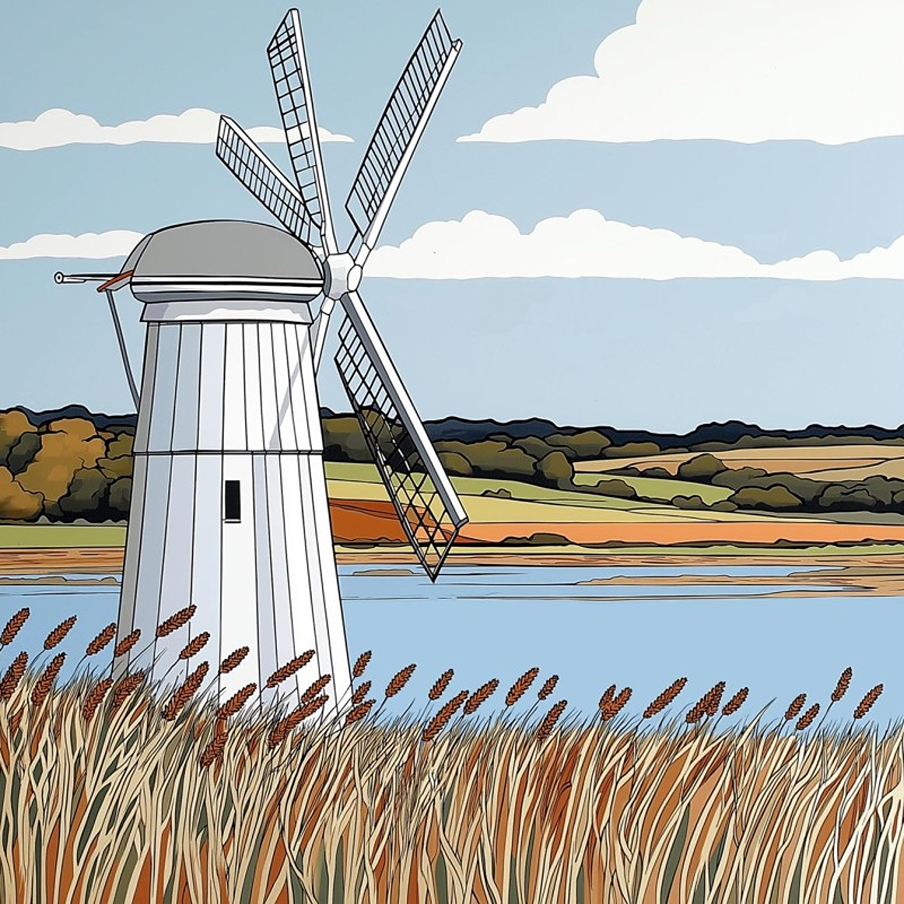
Known as ‘England’s Amazon’, the Broads are home to many creatures you likely won’t find elsewhere in England these days: bitterns, marsh harriers, swallow butterflies and fen raft spiders all find safe haven here. As do avocets, wading birds with unique upturned beaks.
The Norfolk Broads (manmade wetland waterways) are home to 25% of England’s birds and native wildlife (including rare Swallowtail butterflies). There are seven rivers and over 60 broads (bodies of water). They span over 120 miles of rivers and lakes, created from flooded medieval peat diggings.
Wildlife thrives here, from kingfishers to the haunting calls of bitterns in the reeds. The Suffolk Broads were also filled with water hundreds of years ago, and again provide essential habitats for wading birds.
Wherry boats are the traditional way to get around here. Most rely on human power or wind, so they don’t pollute the water either. They also don’t have engine noise, a bonus for local wildlife. Read our post on how to be a sustainable sailor!