The Best Brands of Sustainable Gin
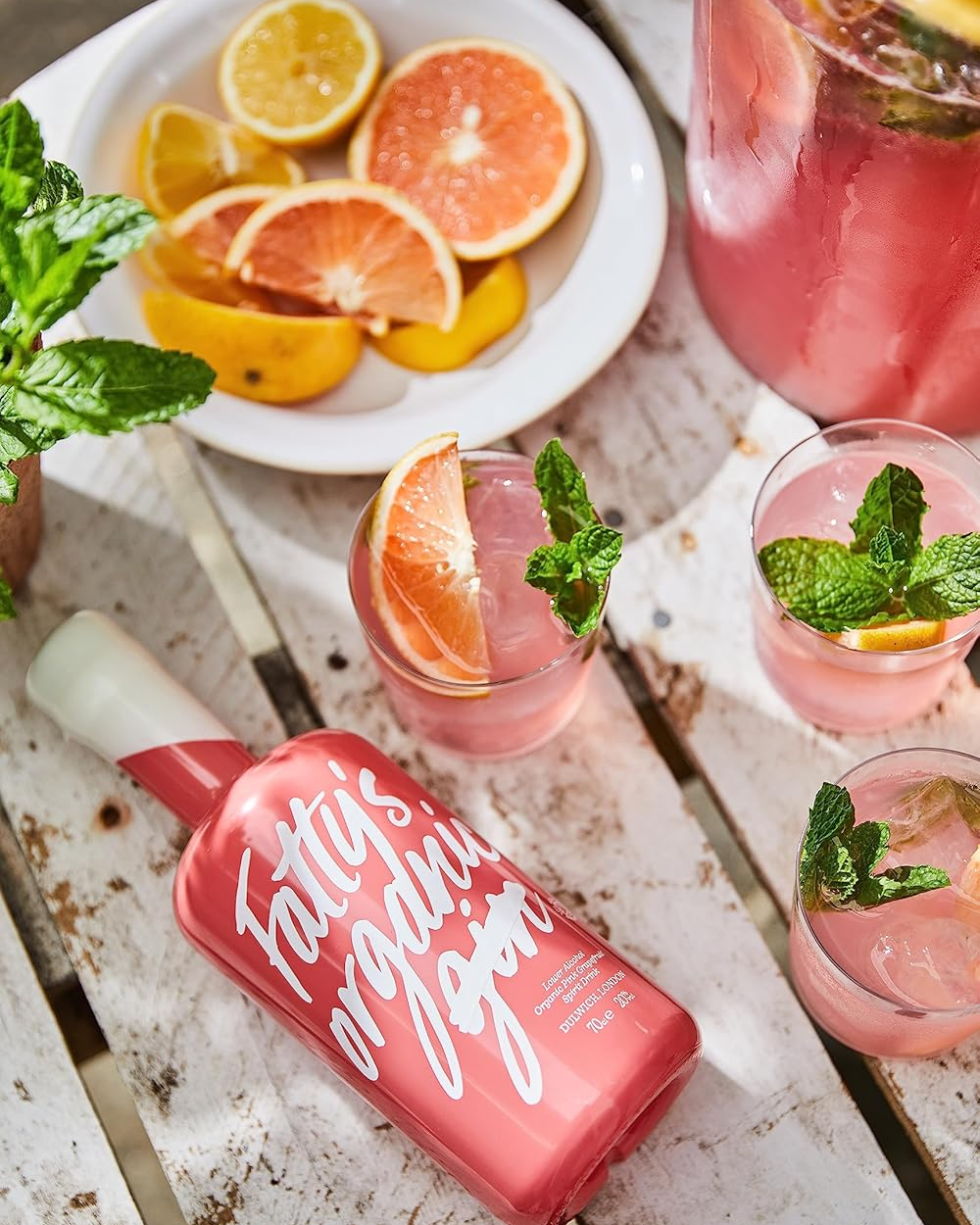
Fatty’s Organic is a small range of spirits founded in Dulwich (London). ‘Fatty’ is the childhood nickname of the founder (given to her by her two older brothers) and she turned her hobby into a business, enabling her to leave her previous career as a sports agent.
Fatty’s Organic Gin uses dill as the key botanical. Dulwich (an affluent borough of southeast London) literally means ‘the meadow where dill grows’. There’s also a winter spiced gin with cinnamon and nutmeg.
The low-alcohol version is based on pink grapefruit; serve with lime and pink grapefruit juice with crushed ice, garnished with a wedge of pink grapefruit.
Muddle 50ml of Fatty’s organic gin with four lime wedges, two springs of fresh dill and one teaspoon of sugar. Add to a glass half-filled with ice and 2 slices of diced cucumber. Stir and top with soda water.
Check medication, before consuming grapefruit gin. Choose soda water mixer (over tonic water due to quinine) for some medical conditions (liver failure, blood thinners, antibiotics and anti-depressants.
Corks are too dense to compost (and choking hazards if left around). So recycle them at your local off license, or send off in bulk to Recorked.
Gins to Help Local Animal Sanctuaries

Hedgerow Gin is made with blackberry, hawthorn, elderberry, apple, rosehip and meadowsweet, with profits benefiting Isle of Wight Donkey Sanctuary. Learn more on how to help our donkey friends!
The same company makes Wildheart Sanctuary Gin, again to benefit a local animal sanctuary. This has subtle aromas of lemon grass, chilli, ginger, yuzu and orange.
Juniper Green: An Organic London Dry Gin
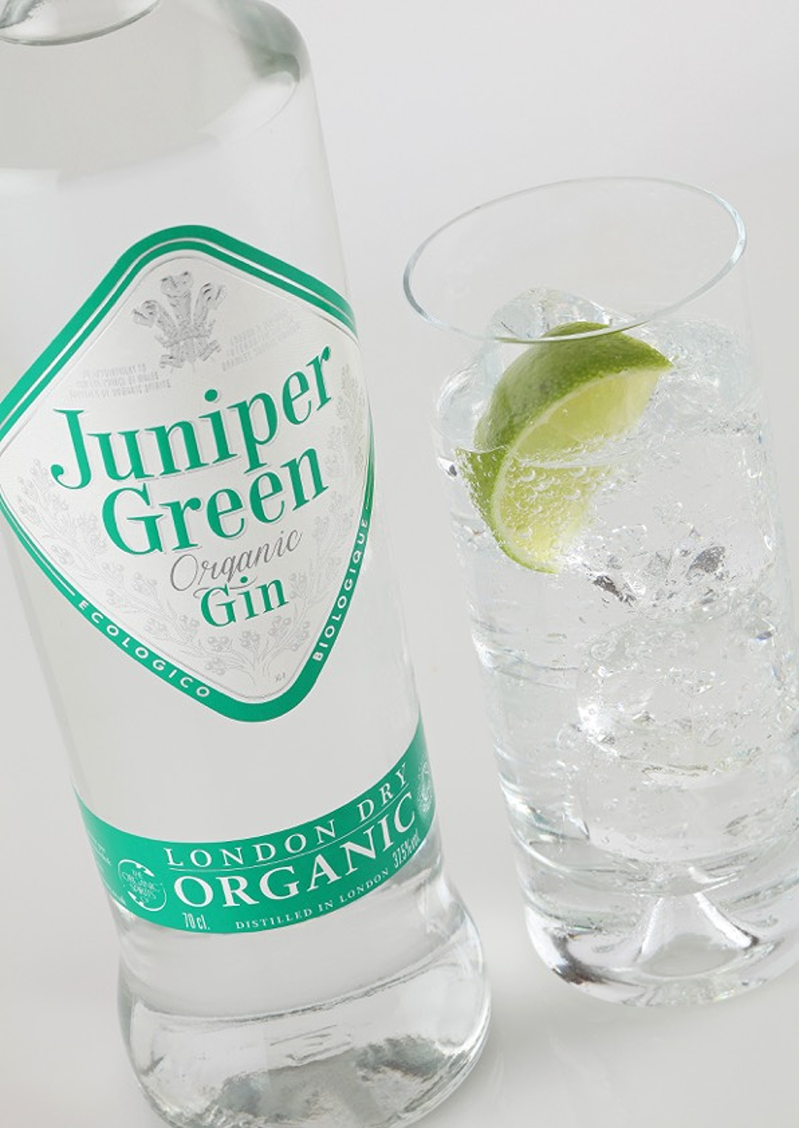
If you like London dry gin, then try Juniper Organic. Distilled at the Thames Distillery (near Clapham), this is the world’s first organic gin, from a place that’s made this popular drink since the 18th century.
This gin has tasting notes of green pine and leafy herbs, with bold flavours of woody spice and clean citrus notes. Store in a dry cool place, then serve with tonic water and a slice of lemon.
The organic juniper for this gin is gathered from a Bulgarian forest, where the FairWild certification means the harvesters are paid properly too. Harvesting is also done in a sustainable manner.
Artisan Fruit Pudding Gins from Cornwall

Atlantic Distillery is an organic maker in Cornwall. It offers a range of orange, grassy and citrus gins, along with signature gins.
The range includes:
- Gooseberry & Elderflower
- Blackcurrant & Mint
- Rhubarb Vanilla
- Earl Grey
- Smoked Green Tea
- Pudding Gin!
The Best Brands of Artisan Tonic Waters

Tonic water is mostly served as a mixer for gin and vodka, or sometimes alone as a refreshing drink. But it was originally used to help prevent malaria, as it contains quinine (from the bark of the cinchona tree).
It was so bitter that medics added gin, to make it more palatable. Modern tonic waters don’t have as much quinine, and are generally sweeter.
- Fentimans (Northumberland) makes a wide range of botanically brewed tonic waters, made with herbal infusions from lemongrass to Sicilian lemon oil.
- Luscombe (Devon) blends Dartmoor spring water with wild or organic fruits, and Indian quinine. Also in flavoured versions (elderflower and grapefruit) and a Light version (sweetened with fruit sugar, with Japanese yuzu).
- Daylesford makes organic tonic water with dandelion, instead of quinine. Containing far less sugar, it’s bottled on a family farm in Devon. Choose from Light, cucumber, wild elderflower or Damescena rose.
Tipsy Wight: Foraged Vodkas from Isle of Wight
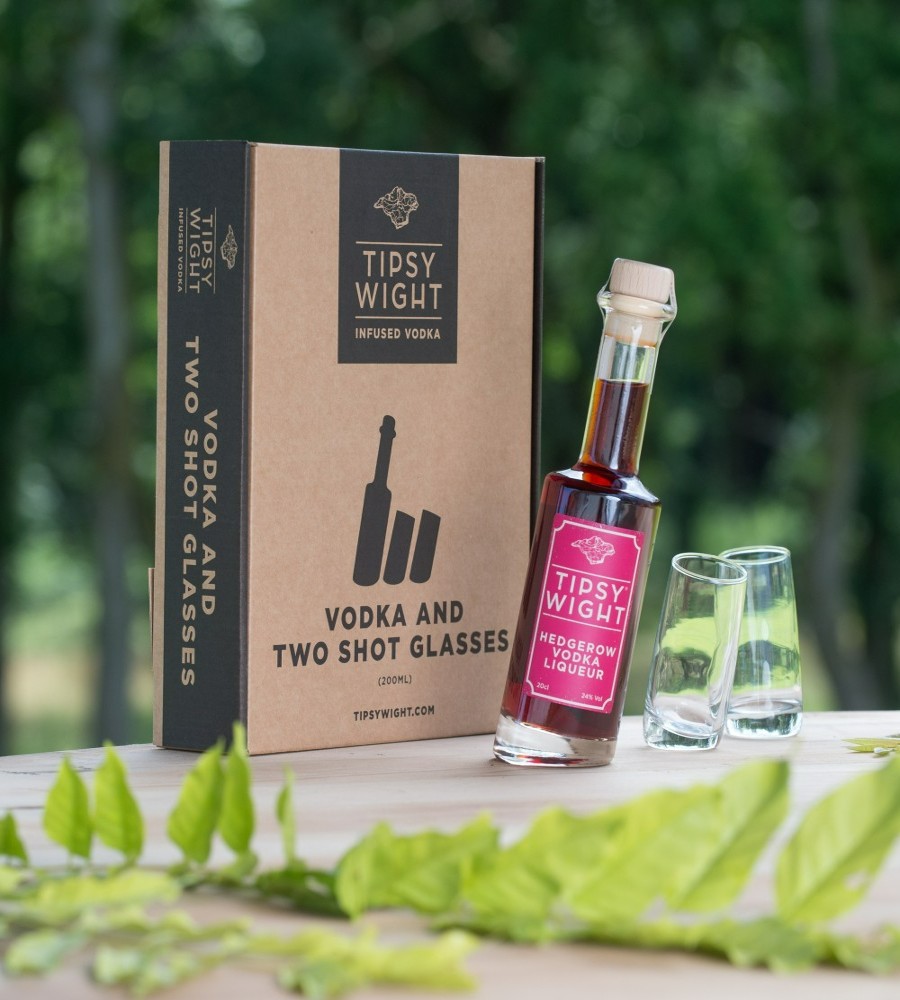
Tipsy Wight makes nice hedgerow vodkas, from ingredients foraged on the Isle of Wight. Locals pick ingredients like sloe, wild cherry, plum, and crab apple each season.
The infusions taste like the fruit itself, not a synthetic syrup. You’ll catch subtle notes of blossom, green leaves, and stone fruit, plus just the right amount of sweetness. The range includes:
- Cherry
- Damson
- Elderflower
- Medlar
- Quince
- Wild Plum
- Wild Garlic
Artisan Gins from St Ives (Cornwall)
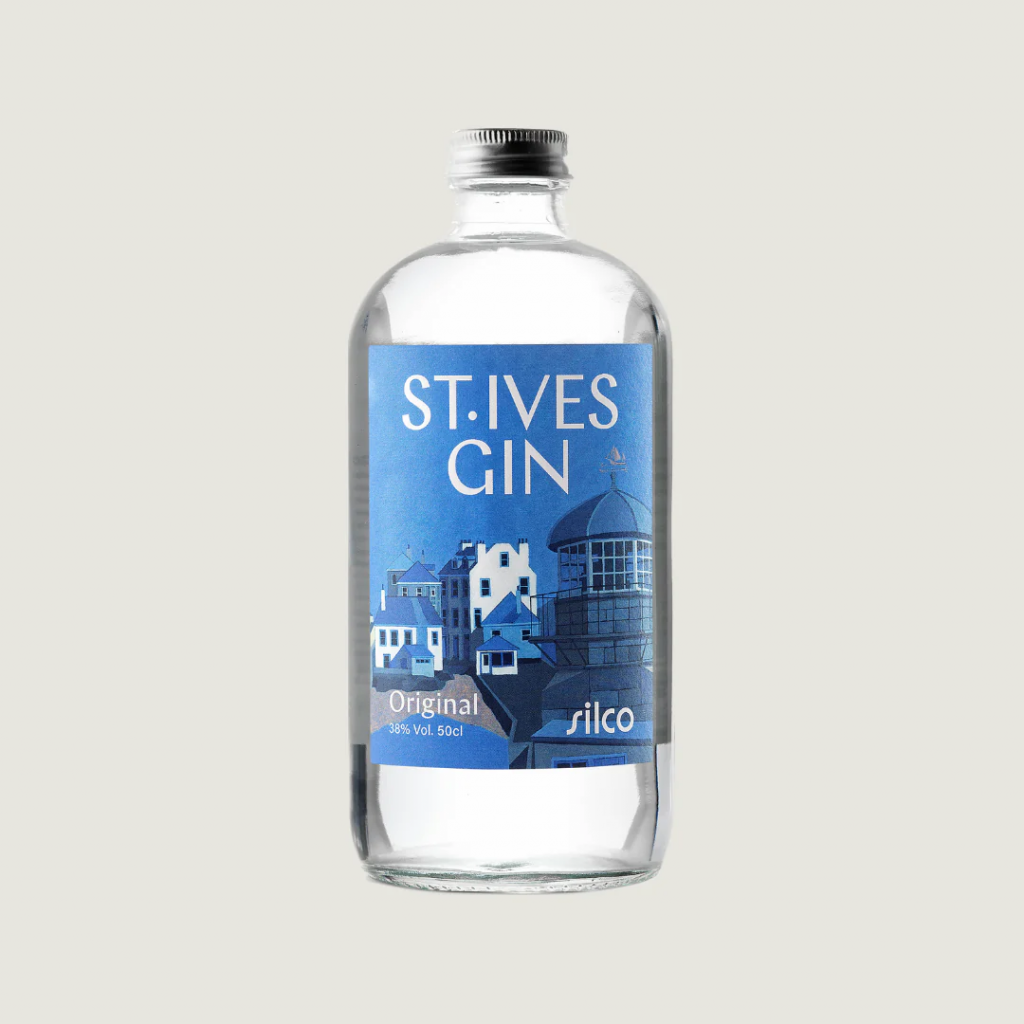
St Ives Gin is sold in glass bottles that use 30% less glass per 100ml than standard UK spirits bottles, with compostable tamper seals made from cellulose (renewable wood pulp), plant-based varnished labels and sent in plastic-free packaging.
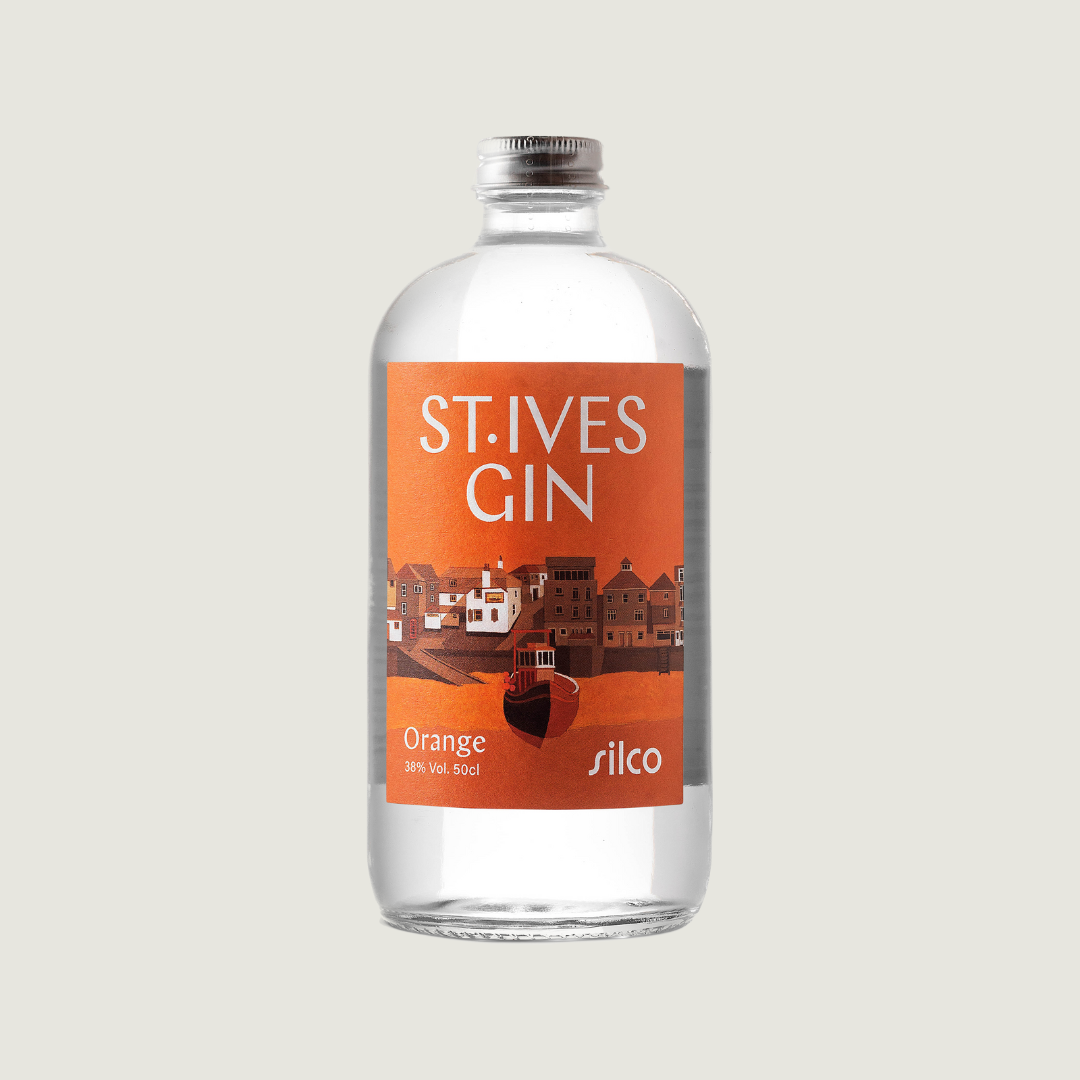
It’s made from a blend of 13 botanicals, all gathered from the Cornish coastline. Including foraged gorse flowers, fresh basil, thyme, rosemary and bladderwrack seaweed. Made in traditional copper pot stills.
Serve with a slice of grapefruit and a pinch of basil. Berry Gin is made with ripe English red berries, rosehip and kaffir lime leaves.
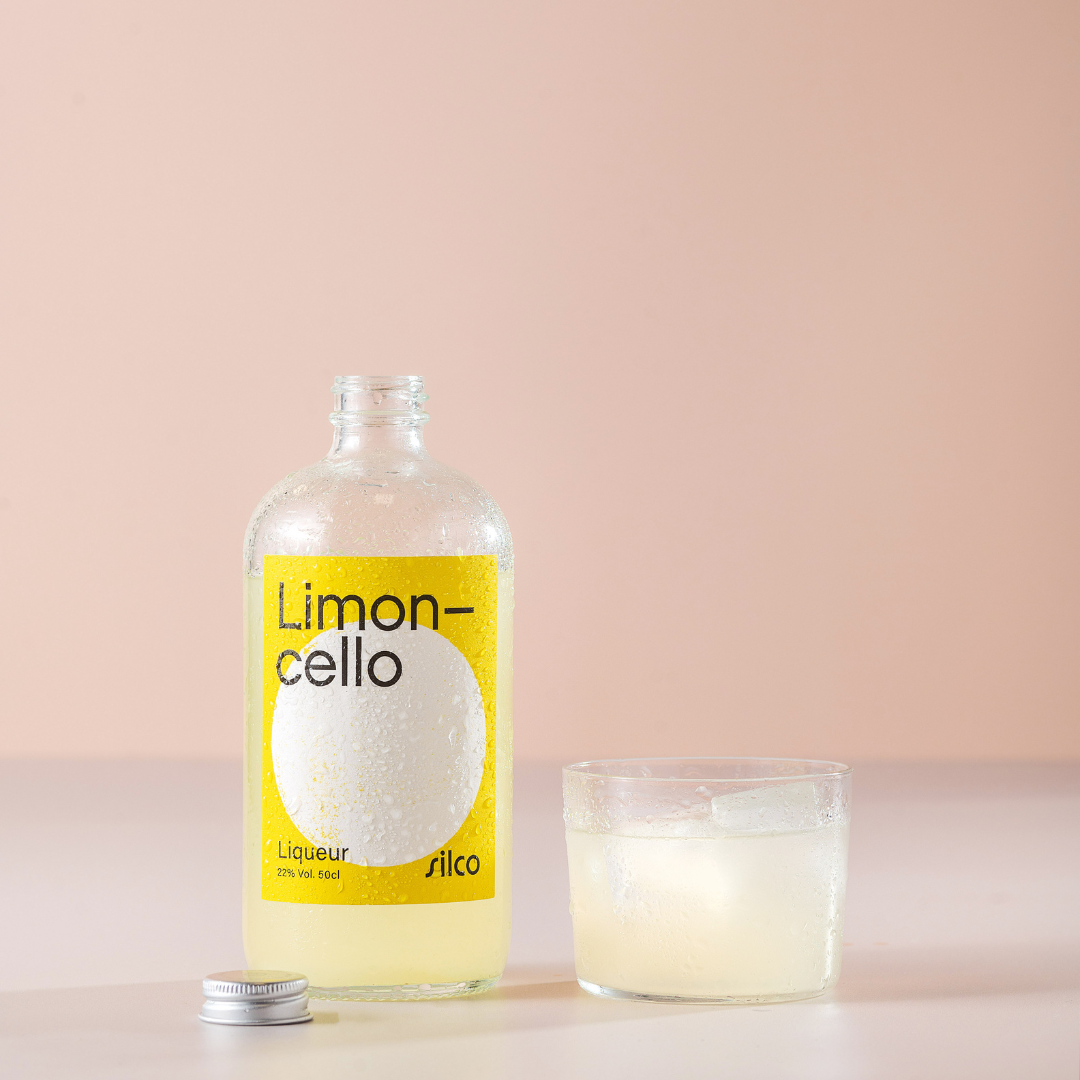
This brand even makes a Cornish Limoncello! Despite St Ives being warmer than most of England, the lemons do have to be imported – it’s not that warm!
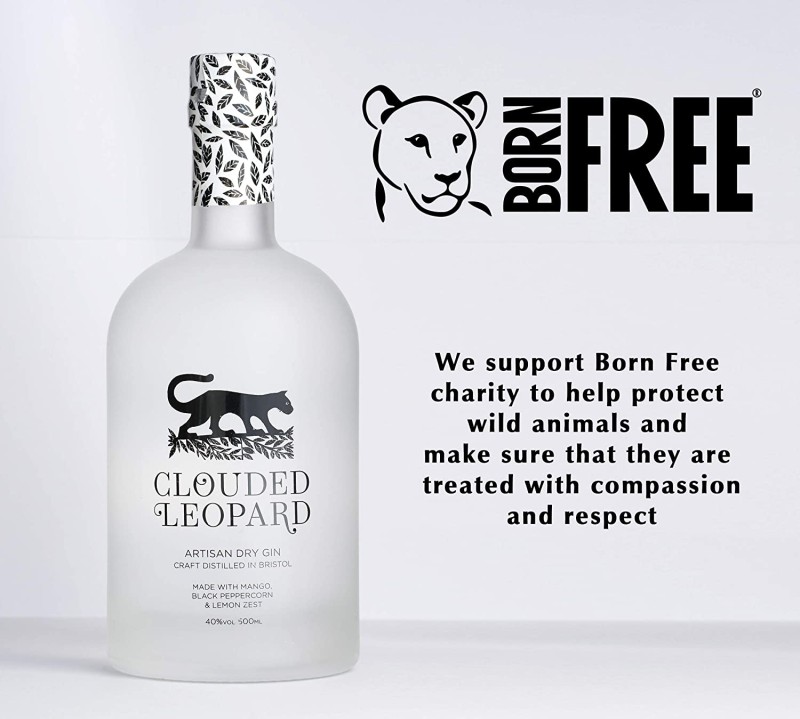
Clouded Leopard offers artisan gins, with profits helping Born Free, the charity that campaigns against caged animals in zoos and circuses, and helps to restore conservation via wild habitats worldwide.
This gin contains the classic juniper flavour, with a bright zingy kick of fresh lemon zest, fruity notes of mango, and fragrance black pepper spice.
Elephant Gin (a tipple to help endangered elephants)

Elephant Gin uses profits to help protect habitats for endangered elephants. Everything’s plastic-free with lighter bottles, natural cork, hemp stress and cardboard boxes. The online store is presently closed, but you can search for stockists, or ask for it in local shops.
Elephants are still endangered, due to illegal poaching. Supporting sanctuaries that protect them in the wild is far better than taking children to visit elephants in zoos, where they have very little space, the weather is not natural for them (say in London zoo).
And in the wild, they live in herds of sometimes hundreds, roaming hundreds of miles. Read more on helping elephants.
The range includes:
- London Dry Gin
- Orange Cocoa Gin
- Sloe Gin
- Elephant Strength Gin!
- Negroni (Italian liqueur)
- Coffee Liqueur
A Californian Gin (to save the whales)
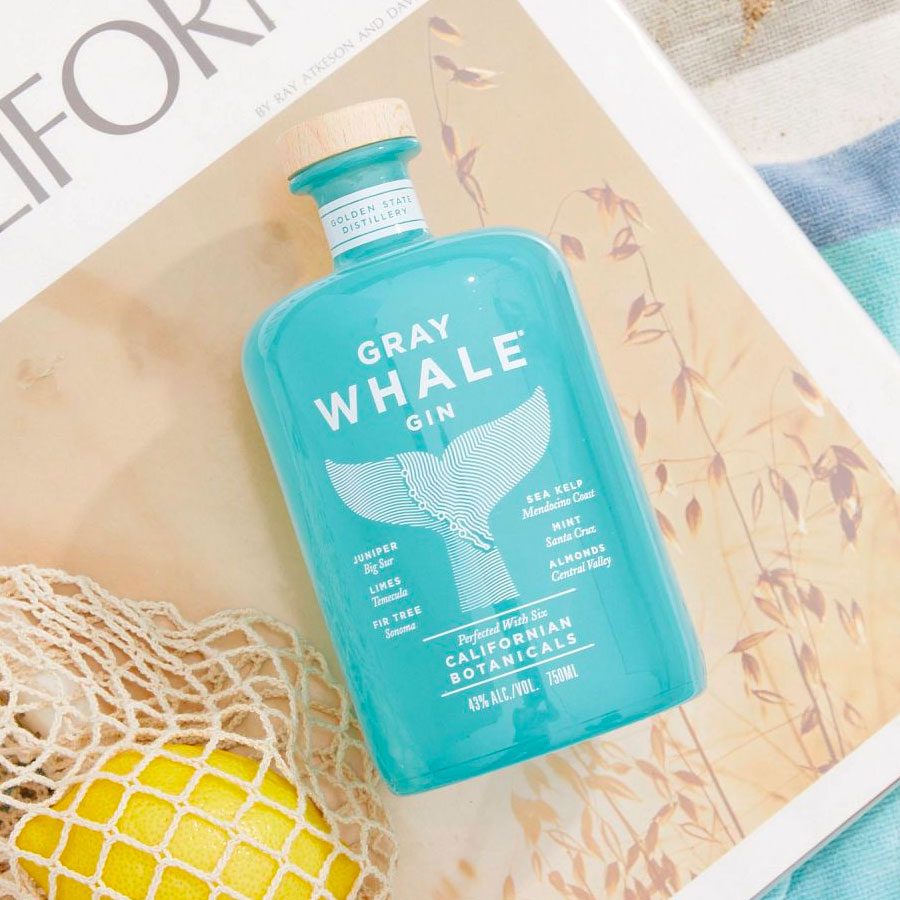
When we write a post about good brands in England, we always look over the border too, to see if brands across the water are doing anything to inspire. Gray Whale Gin is a California tipple, with profits helping to save this iconic giant mammal, that swims the local coasts.
More American Boozy Spirits to Help Animals
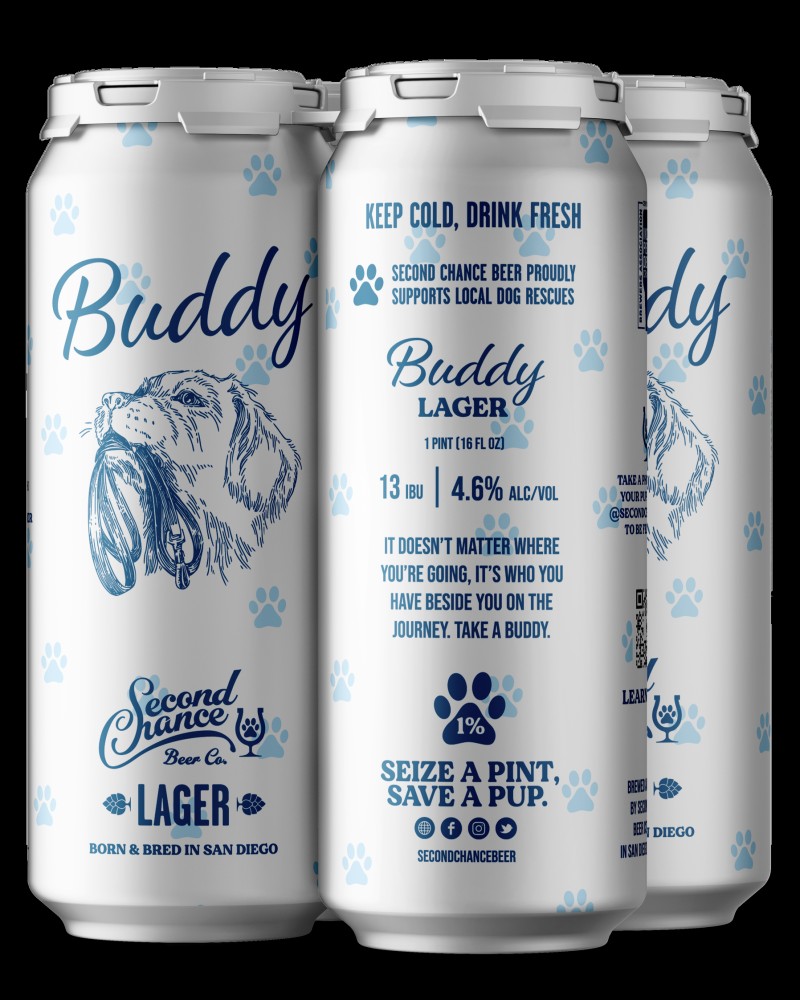
- Second Chance Beer Company helps anyone save a pup, each time they sup a pint. Profits help to support dog rescue sanctuaries in California and Arizona. So far, it’s raised over $250,000.
- Hera the Dog Vodka (say it aloud, get it?!) says the world does not need more spirit brands, but does need more brands with spirit! This was the case of two animal rescuers who needed a sure-fire way to raise more funds!
- Rescue Dog Wines donates 50% of profits to animal rescue organisations. The wines are vegan and grown on an eco-friendly vineyard.