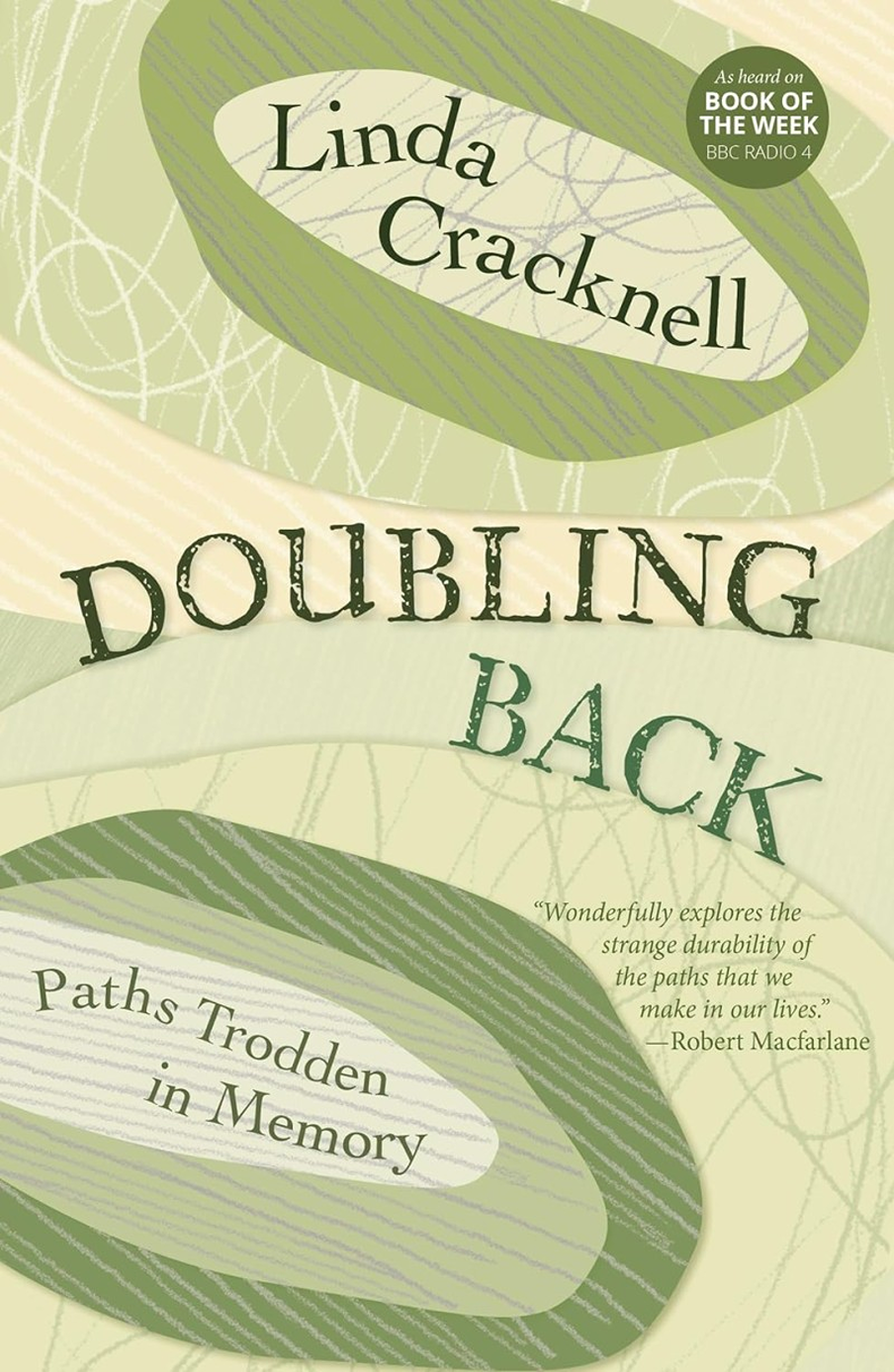
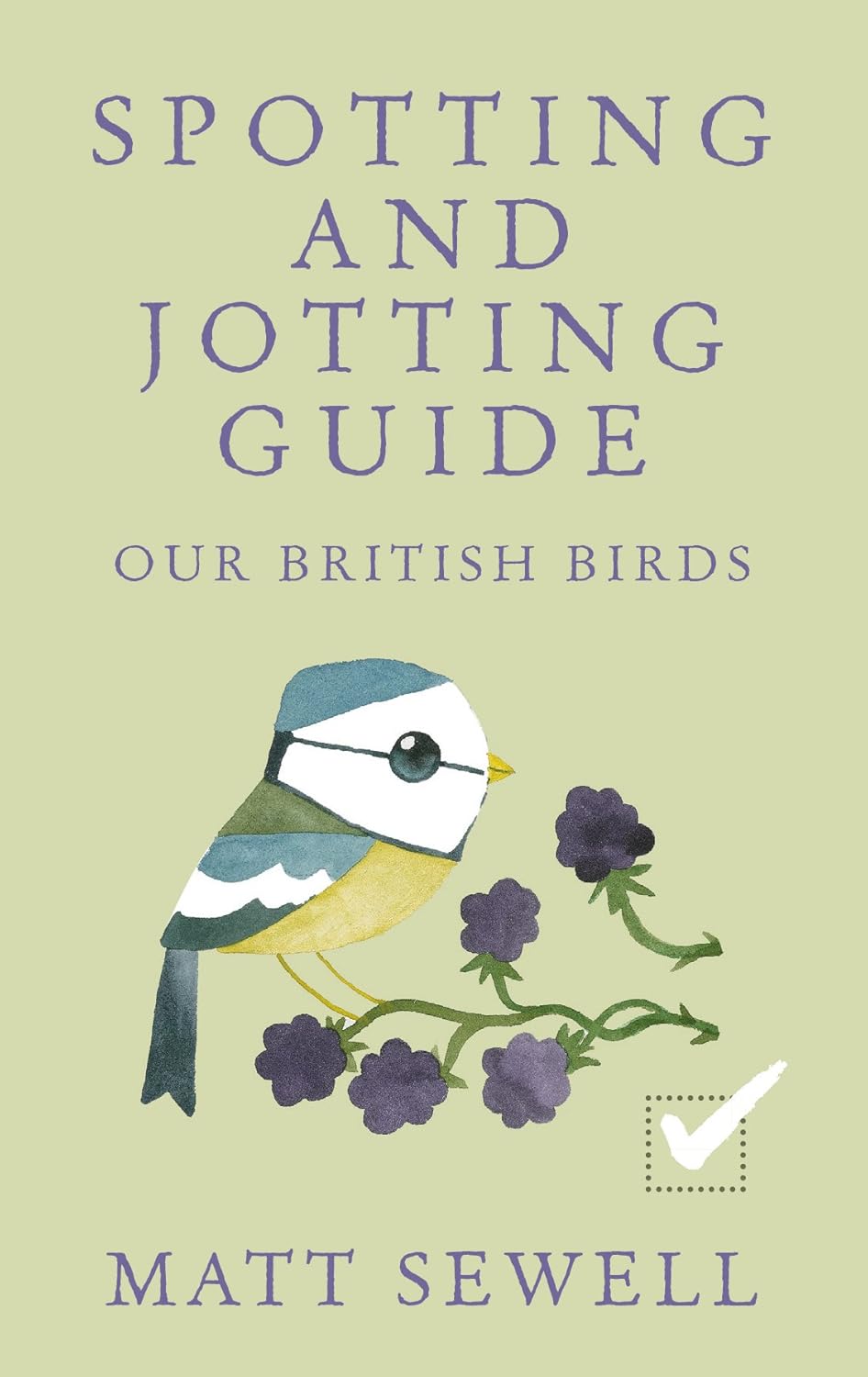
Extraordinary Books on the Natural World

Against the Machine is the latest publication from writer Paul Kingsnorth. Now as interested in his newfound Christian faith as the natural world, this is kind of a blasting of both philosophies together, an almost terrifying account of where we could end up, if people don’t retain their personal boundaries with everything to do with Paul calls ‘modernity’:
Internet billionaires controlling what we watch and know, big media, AI-gone-wrong, techno-capitalism, and a refusal to see the link between our survival and both spirituality. And a respect that Nature is more important than technology.
The internet and its consequences have been a disaster for the human race. This is an extreme statement, but I’m in an extreme mood.
Of course (like electricity), the Internet can be used for good (that’s what this site hopes to do!) And Paul needs the Internet to share his writing and feed his family.
But we’re talking here about ‘big Internet’ – youngsters who can’t be apart from their smartphones for more than a few minutes, bots controlling what we see and how we learn, what we buy and how we vote. We’re talking about online porn and cyber-bullying.
A terrifying account of what modern people have sacrificed, in exchange for technology’s promise of power and autonomy. Christianity Today
This is the most powerful and important book I have read in years. It is simply brilliant. This book should be required reading not only for politicians, technocrats, teachers and all who help shared our world. But for every still-living soul in this terrifying age of the Machine. Iain McGilchrist
Kingsnorth has done something extraordinary. He has captured the spiritual crisis of our time in language so compelling, I could not put the book down. Mary Harrington
Thank God for Paul Kingsnorth! Serious, furious and always consistent, this is a Christian thinker who does not sugar-coat his convictions. Justin Smith-Riui
Paul Kingsnorth is an English writer (who has been nominated for the Booker Prize) who now lives in the west of Ireland, where he has transitioned from an environmentalist activist to more spiritual writer, interested in how faith and nature collide.
He has been described in various terms (his favourite is ‘environmental activist turned apocalyptic mystic’). But two things he has been called (to inspire you to read the book!) are ‘furiously gifted’ (The Washington Post) and ‘England’s greatest living writer (Aris Roussinos). High praise indeed!
Find Paul’s writings on Substack.
Footnote: If you’re at this site due to a passion for the small, local and meaningful (and are aghast at how the corporate world and media/politics is destroying it all), you’d likely wish to read Paul’s previous book Real England(which meets local people in independent shops and pubs, plus visits our disappearing canals and orchards). It’s so good – it’s was what first inspired this website, many moons ago!
A Year in the Woods with a Norwegian Writer
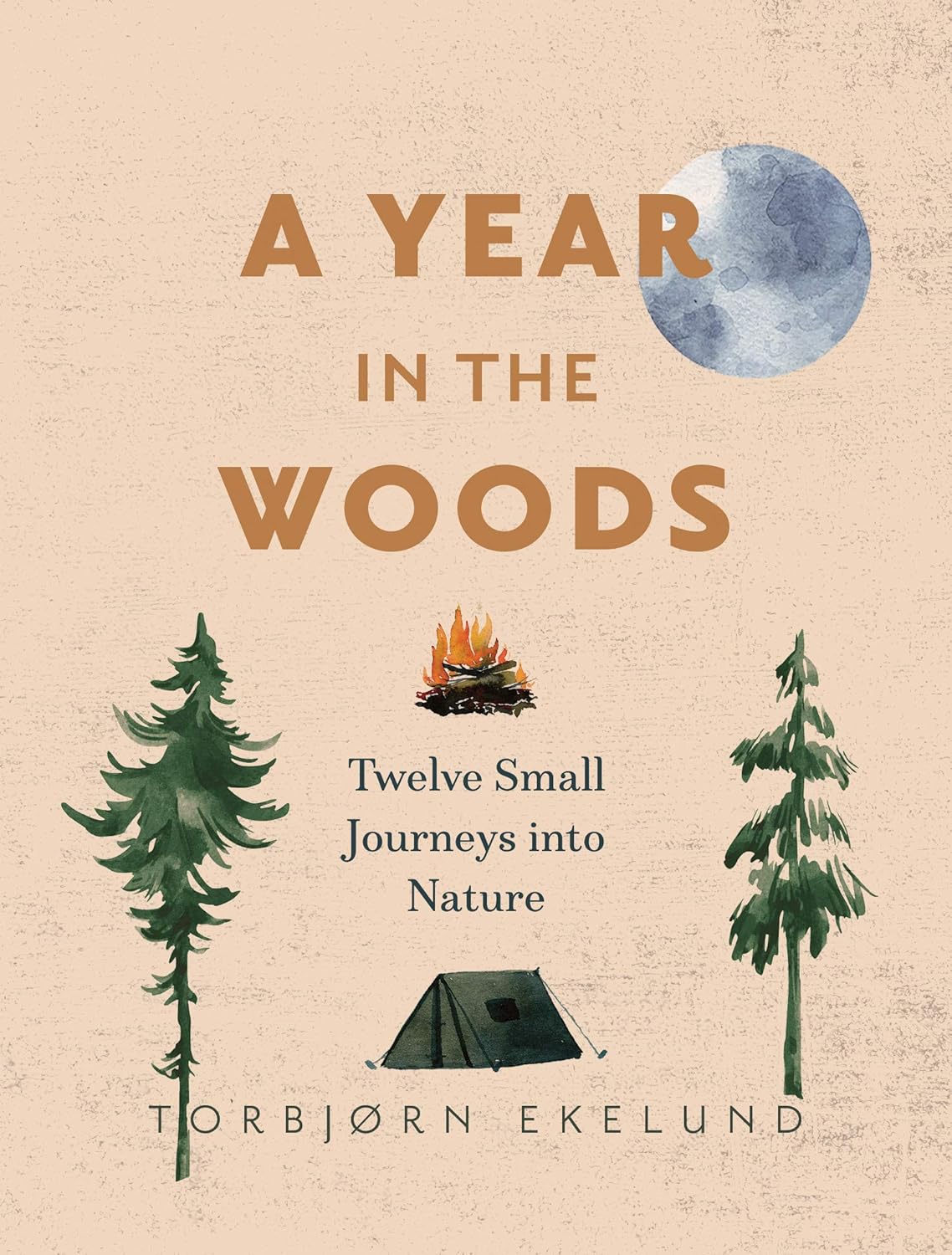
A Year in the Woods is the story of a Norwegian writer, who spent a whole year taking a little time away each month, to spend alone in the woods.
He communes with nature in quiet reflection, leaving the city after work one day each month to camp near the same tiny pond in a forest, then returns to work the next day.
Being alone is something that many people used to do a lot anyway. Getting away from the rat race does not have to mean becoming a hermit, but being a hermit for just a little while is good! The ritual is far from rigorous and never perfect.
One evening, Ekelund grows so cold in his tent, that he hikes out before daybreak (it’s Norway!)
But as Torbjørn greets the same trees and boulders each month, he begins to appreciate the sameness alongside their quiet beauty. He wonders how long they have stood silently in this place, and reflects on his own short existence among them.
The book asks us to reconsider our relationship with nature. Are we anxious wanderers or mindful observers? Do we honour the seasons, or let them pass by? The perfect book for anyone who longs to connect with nature, but is realistic about time.
Maybe it is not true at all, that when you go alone into the woods, your head fills with great thoughts. Maybe it is the opposite? Maybe your head is then simply emptied of great thoughts. And what is precisely what seems liberating to us. Because the thoughts that arise in the woods are always very primitive. Warm, cold. Easy, hard. Wet, dry. Happy, sad. Hungry, full. Tired, awake.
Walking Through Time & Nature
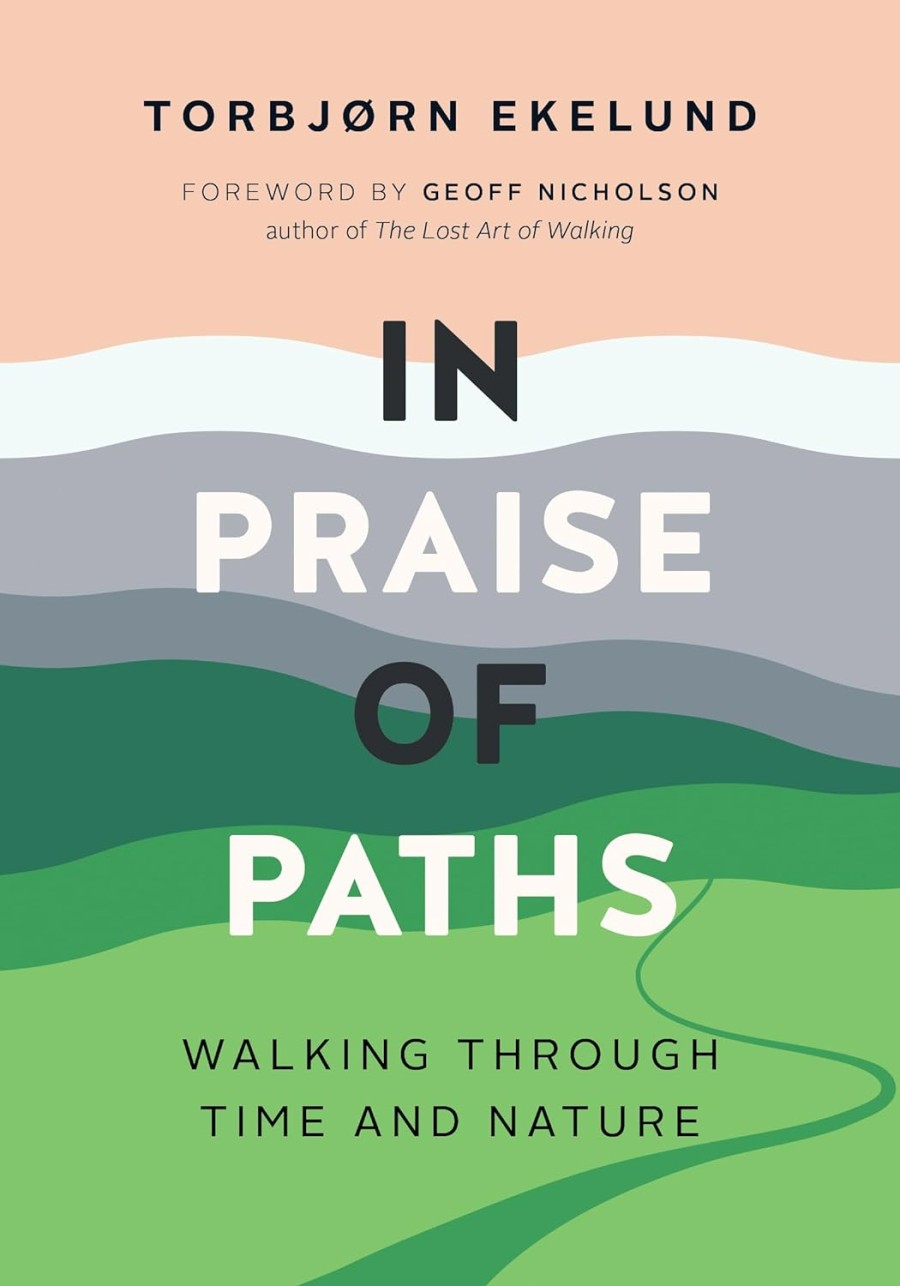
Also read Torbjørn’s other book In Praise of Paths. This tells the story of how he took up hiking, when an epileptic fit prevented him from driving. He began to venture more into nature, and walks with shoes and Torbjørn Ekelund started to walk everywhere, and the more he ventured out into nature, and walks through forest creeks and across urban streets.
Contemplating the early tracks made by ancient snails and traces the wanderings of Romantic poets, amongst other musings. He asks ‘What do we lose in an era of car travel and navigation apps? And what will we gain from taking to paths once again?’
Torbjørn Ekelund writes for a daily newspaper, and is co-editor of a small independent book publishing house. He is also co-founder of the online magazine Harvest, where he writes on adventures in the wilderness, and the relationship between humans and nature. He lives in Oslo, Norway.
A Beautiful Lyrical Love Letter to Nature

Something in the Woods Loves You explores the crucial role of nature on our emotional and physical health.
Written by a man in Ohio (who lives between a forest and a cemetery), he found comfort in the natural world, when life took him to a painfully dark place.
Deliberating watching plants and animals, helped him see the light at every turn.
From appreciations of a single plant to optimistic contemplations of mortality, he also learned that ‘bats can hear shapes, plants can eat light and bees can dance maps!)
A lyrical love letter to nature.
Jarod K Anderson is a writer of fiction, non-fiction and poetry. His work explores his lifelong struggle with depression, through a lens of love and gratitude for nature.
The Edge of Silence: Disappearing Sounds of Nature
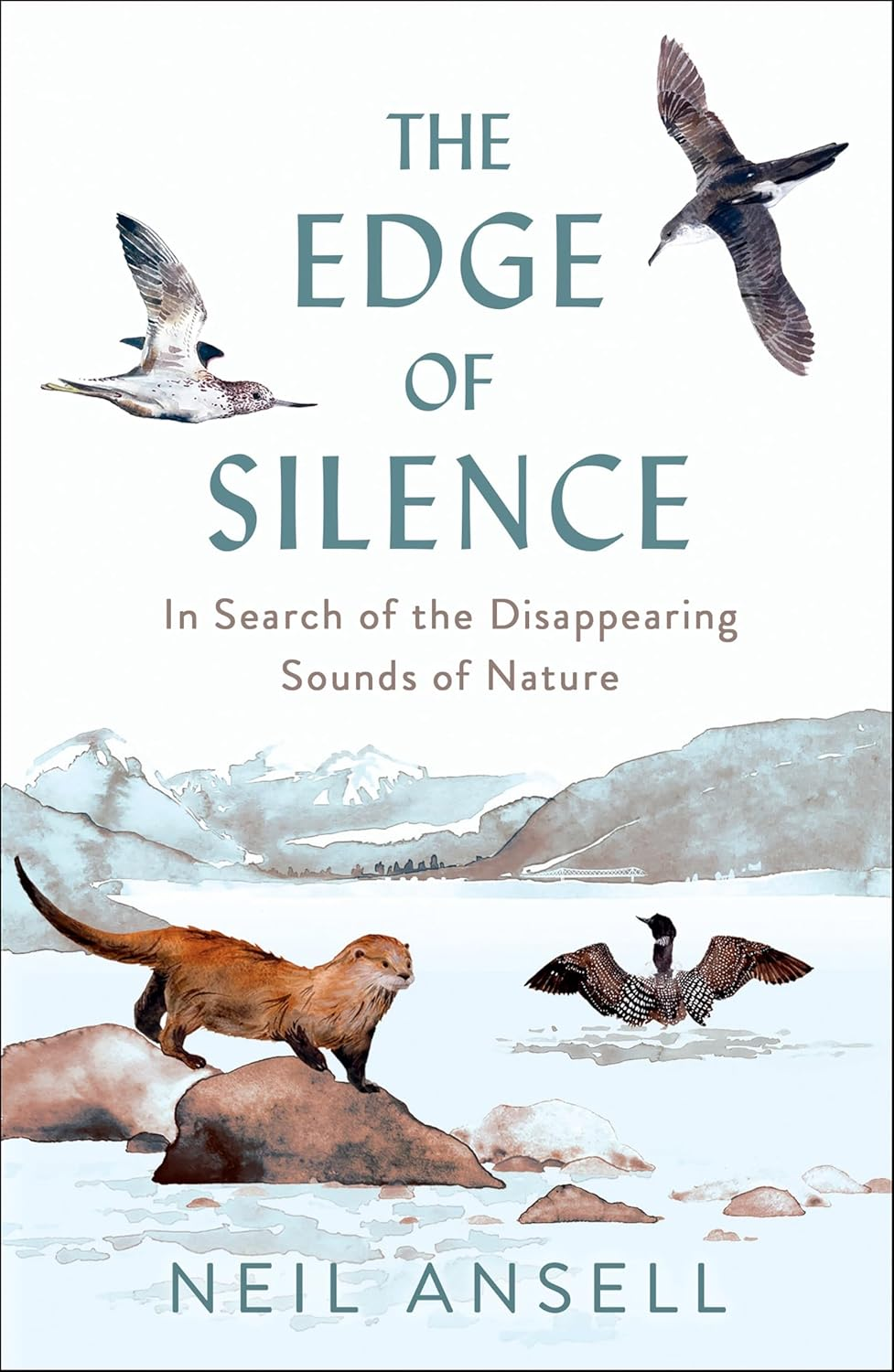
The Edge of Silence is a unique book by an acclaimed nature writer, who has suffered from progressive hearing loss his whole life. As his world becomes ever more silence, he suddenly hears the haunting call of the northern driver (a larger water bird that migrates here from Iceland, Greenland and North America).
This extraordinary experience makes him realise that the sounds of nature are still within his reach, if he can find himself in the right place, at the right time.
This is a moving book that charts the author’s mission to hear rare elusive creatures, from the mountains and islands of the Scottish Highlands to he marshes of England, and hills of Wales. Many of these species are in danger of extinction, so it’s important that we fight to prevent that.
When I was being fitted for an updated hearing aid, my audiologist commented to me that it was surprising how often his patients mention birdsong. You might think that their focus would be primarily on their ability to communicate with others, to manage at work, to speak on the telephone.
But when people begin to lose their hearing, only then do they realise just how much the sound of birds singing can be integral to the quality of a life well-lived.
You’ll learn about the calls of creatures in the Scottish Highlands, from ptarmigans (ground-nesting birds), grebes, greenshanks, red-throated divers and otters.
Then it’s up to the Shetland Isles to hear storm petrels and whimbrels (wading birds with seven whistles!) Then back down to Perthshire to hear red kites.
On the Inner Hebridean island of Coll, you’ll meet corncrakes and snipes, and on Rum the manx shearwater. And puffins on Canna and Sanday.
Then it’s down to England to hear bitterns (Morecambe Bay, not safe for humans to walk on due to quicksand), endangered natterjack toads (booming sounds in The Wirral) and finally over to Wales to meet black grouse.
The lesson in this absorbing lyrical book is simply to listen. To sit still, turn off your phone, and rejoice in sounds. Country Life
Neil Ansell is an award-winning journalist who has worked for the BBC, Guardian, Big Issue and New Statesman. He is author of two other books:
The Circling Sky charts his journey over one year exploring key natural habitats in Hampshire’s New Forest, where he spent his childhood.
Deep Country is Neil’s unique story of how he spent five years living alone in a Welsh cottage, with no transport or phone. A place so remote that he did not see another soul for weeks on end, so wild creatures became his society. A place where the weather could be so bad, that it rained sideways!