Wild Churches: What They Are and How They Connect
Picture a small circle of people on damp grass, mugs warming hands, a few children poking at a stick pile, and a short prayer held in the open air. Nothing flashy. Just a bit more space and a sense that worship can happen without a roof.
Wild church gatherings are growing, because many people want faith that feels simpler and more grounded. Some are tired. Some are curious. Some just find it easier to be present outside than inside a building.
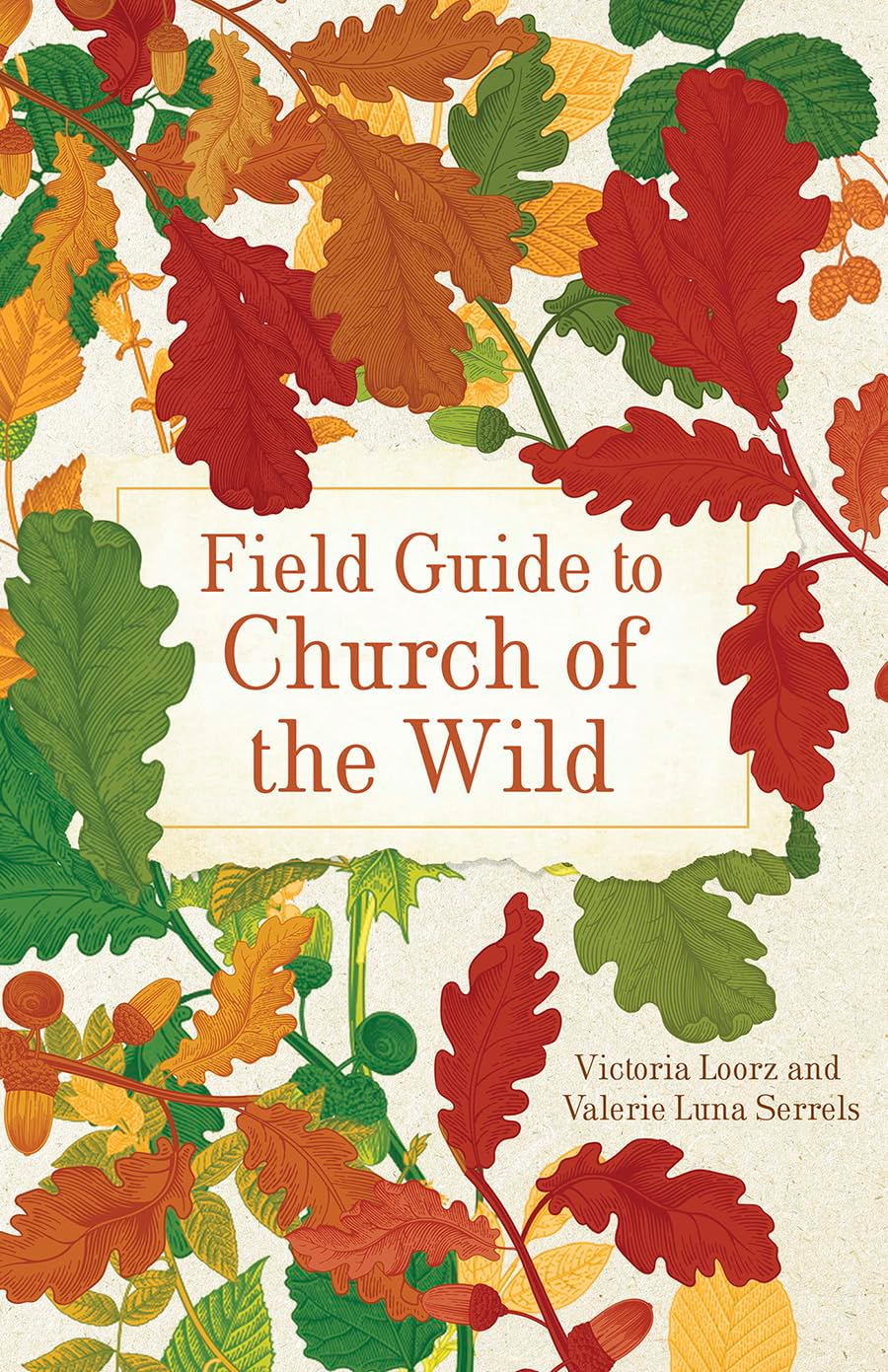
Field Guide to Church of the Wild is written by the founders of the Wild Church Network, which has lots of case studies and tips to inspire.
How is a wild church different?
Wild church is still church, just with a different setting and rhythm. People meet in a wood, park, churchyard, or community garden. Then they pray, listen, notice what’s around them, and share time together.
Some groups keep a clear liturgy. Others keep it looser and more reflective. Most hold onto a simple centre: scripture, prayer, and a shared sense of welcome.
It also helps to be clear about what wild church isn’t. It’s not just a picnic with a Bible verse. It’s not just a nature walk with religious branding. It’s also not an anti-building statement, or a protest against ‘normal church’. Many people who come also attend Sunday services, and see wild church as a second doorway.
Common features at wild churches
No two gatherings are identical, but many share a familiar pattern. It tends to feel like a well-held session rather than a long service.
- Welcome circle: names and a warm welcome
- A short Bible story or theme: often told, sometimes acted.
- A few minutes of silence: listening, breathing, noticing w
- Sensory noticing: colour, sound, texture, weather.
- Simple songs: sometimes call-and-response.
- Prayer prompts: short invitations
- Creative response: leaves, clay, mud, drawing, weaving, stones
- Shared food and hot drinks: basic, comforting
- A closing blessing: to fit outdoors
Who leads, where it meets, how often?
A vicar might lead. A lay leader might lead. Sometimes a small team shares the session, with trained volunteers supporting children, newcomers, and anyone who needs a quieter pace.
Because it’s still church, safeguarding still matters. Groups usually follow the same safeguarding policies as their church or denomination.
Locations can be very local: a churchyard with a wilder corner, a bit of woodland with permission, a school field, a nature reserve with agreed access, or a community garden that already has public trust. In towns and cities, parks and green corridors can work well, as long as leaders plan for noise and passers-by.
As for timing, many meet monthly or seasonally. Sunday afternoons are common, because it avoids the Sunday morning pattern. Others meet midweek after school. A wild church usually comes with an honest weather plan, a simple risk assessment, and clarity about what happens if someone gets cold, lost, or overwhelmed.
Some wild churches use seasonal outlines (Advent outdoors, Lent walks, Easter dawn), prayer ideas that suit open spaces, and activity prompts that work with minimal kit. Mentoring can be part of it as well, especially for new leaders who want to start small but don’t want to guess their way through.
Grief can sit differently outdoors too. Trees and seasons don’t rush you. Wind and birdsong can soften a heavy silence. That doesn’t remove pain, but it can make the moment bearable.
How wild churches can deepen faith
The Bible already speaks the language of the outdoors. Seeds, storms, wilderness, birds, water, hunger, shelter, bread, vines. When you’re outside, those images start being familiar things you can touch and notice.
That can deepen faith without needing long talks. A handful of soil can become a prayer about growth. A sudden shower can become a prompt for trust. Even a bare tree can give language for waiting.
Many groups use simple practices: gratitude for what’s good, confession for what needs changing, lament for what hurts, and hope for what might still be healed. Nature doesn’t replace Scripture, but can sit alongside as a quiet echo.
Intergenerational learning is one of the strengths here. Children notice details adults miss. Adults can give words to what children sense. Side by side, faith becomes less like a lesson and more like shared attention.
How Churches Can Help Bats and Owls

England has almost 40,000 churches, many of them ancient buildings with old eaves and barns, and thick-leaved trees with big branches. Although both species are at risk, there are millons of bats and possibly around 70,000 pairs of owls in England. All needing food, shelter and habitats to hide, breed and sleep (and in the case of bats, hibernate for the winter).
One bat can eat thousands of midges and mosquitoes each night, while owls naturally keep rodent populations under control.
The main risk to both species is habitat loss, due to ancient hedgerows and old barns disappearing. So old churches play a huge part in providing sanctuary to both species, as you often have exactly what these lovely creatures want! And then some!
From churchyards to belfries and from cemeteries filled with trees, places of worship provide ideal quiet sanctuaries for both nocturnal species. Churches are pretty quiet also during the week, and can act as proper wildlife corridors for both rural and urban areas.
How churches can help bats
- Mount wooden bat boxes high on exterior church walls or hidden within the belfry, for safe roosting sites. It’s important to keep access points open so bats can enter without letting rain or large birds inside.
- Use wildlife-safe brands and turn off lights so bats can fly and forage in peace.
- Bat Conservation Trust has heaps of advice (plus emergency help if you need it). Plus info on choosing, installing and cleaning bat boxes (it’s illegal to disturb them unless you are registered). The website Bats and Churches can also provide specialist help.
- Plant bat-friendly night-scented plants like evening primrose, honeysuckle and jasmine in churchyard borders to attract moths and midges, which provide food for bats. Also let church grass grow tall, which boosts insect populations to create food-rich habitats. If your church has resident dogs or cats, avoid pet-toxic plants (stick to safer ones like evening primose and herbs like basil).
How churches can help owls
- Avoid pruning or cutting down old hollow churchyard trees during spring nesting season (ideally don’t cut them down at all).
- Barn Owl Trust is the site to visit, to find out how to help owls, safely set up and clean owl boxes, and what to do if you find an injured owl or chick.
- Fix specialist nest boxes inside church towesl and belfries, or high up on mature trees. Leave areas of graveyards uncut, this creates a nature in balance where owls can hunt for mice, rats and voles. Never use rat poison.