How to Grow Your Own Organic Lettuce
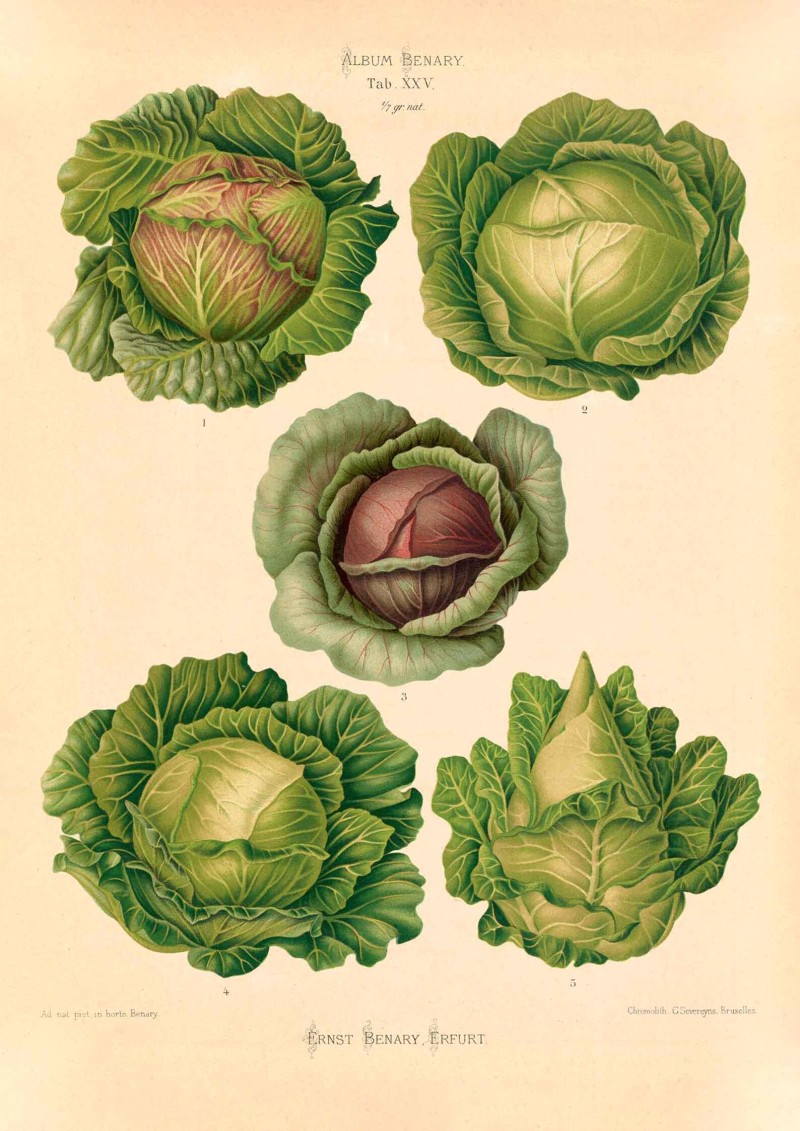
Lettuce is a popular salad vegetable in England and very hydrating (95% water). Cultivated for thousands of years, ancient Greeks and Romans believed it had sleep-inducing properties (it was even called ‘sleepwort’ in Anglo-Saxon times.
Related to sunflowers, Iceberg lettuce was named after California farmers would transport it under thick mounds of ice. Romaine (or cos) lettuce is named after the Greek island of Kos, where it was originally grown. China grows half the world’s lettuce!
Never store lettuce next to apples, bananas or pears, as ethylene gas will cause it to go off quickly.
What you need to grow organic lettuce
Lettuce is easy to grow in England, as this crops loves our damp cool climate. It needs well-drained good soil, and is easy to grow using a no-dig method (spreading compost on beds as mulch). It likes neutral PH soil, use organic lime if too acidic.
It’s possible to grow lettuce year-round in England, if you stagger planting successfully. Keep the soil moist but never waterlogged (watering early morning helps keep leaves dry and prevent fungal disease). Space plants 15 to 30cm apart, to prevent grey mould. Snip the outer leaves to let inner leaves crop again.
- Read up on pet-friendly gardens for plants and mulches (like cocoa) to avoid
- For indoor plants and greenhouses, use Feather Friendly bird tape to stop birds flying into windows (avoid facing indoor plants to face gardens).
The biggest hurdle with growing lettuce in England is other creatures! But avoid netting (it traps birds and wildlife) and also avoid chemicals. Use humane non-toxic methods to deter slugs/snails (these inventions are very effective without harming any creatures). Growing in raised beds is better.
Adding Straw mulch has a smell and sharp texture that slugs actively avoid. Straw mulch can only be digested by ruminants. Most pets won’t eat it, but of course some do and it would cause digestive upset, so avoid use in this case.
Some gardeners suggest to simply ‘grow a lettuce patch for slugs’ elsewhere in the garden, and let them eat that one instead! Then if you find any slugs, you can just transfer them there! Keep the patch well-watered to entice them to stay there, away from your prized beds!
Where to buy sustainable lettuce
If you can’t find sustainable lettuce seeds locally, you can buy from Tamar Organics or The Real Seed Company.
Ways to eat fresh organic lettuce
Lettuce should be avoided for people with IBS and other digestive conditions, along with people with weak immunity (due to risk of E.coli, salmonella and listeria). For the same reasons, it’s best to avoid for older people, children and pregnancy/nurisng (everyone should thoroughly wash lettuce with fruit and veg wash).
Young infants should not be fed high-nitrate foods (leafy greens, root veggies, celery, broccoli and green beans) also found in processed meats.
If feeding (thoroughly soaked and rinsed) cos lettuce (never feed iceberg lettuce) to rabbits or guinea pigs, only do so as a treat (their main diet should be quality grass hay with Timothy pellets – and vitamin C rich produce for guinea pigs).
- Vegan BLT: Serve with vegan bacon and sliced tomato in a bun with vegan mayo.
- Caesar salad: brush halved Romaine lettuce hearts with a little oil, and sear face-down on a hot pan for 5 minutes until charred. Drizzle with vegan creamy salad dressing.
- Mexican taco salad: Top a base of chopped romaine lettuce with warmed black beans, sweetcorn, cherry tomatoes, mushy peas (England’s ethical alternative to diced avocado) and crushed tortilla chips). Dress with fresh lime juice, salt and salsa.
For canned peas and salsa, pop ring-pulls back over cans or fully remove lid and pinch tins at top before recycling, to stop wildlife getting trapped.