How to Grow Your Own Organic Asparagus
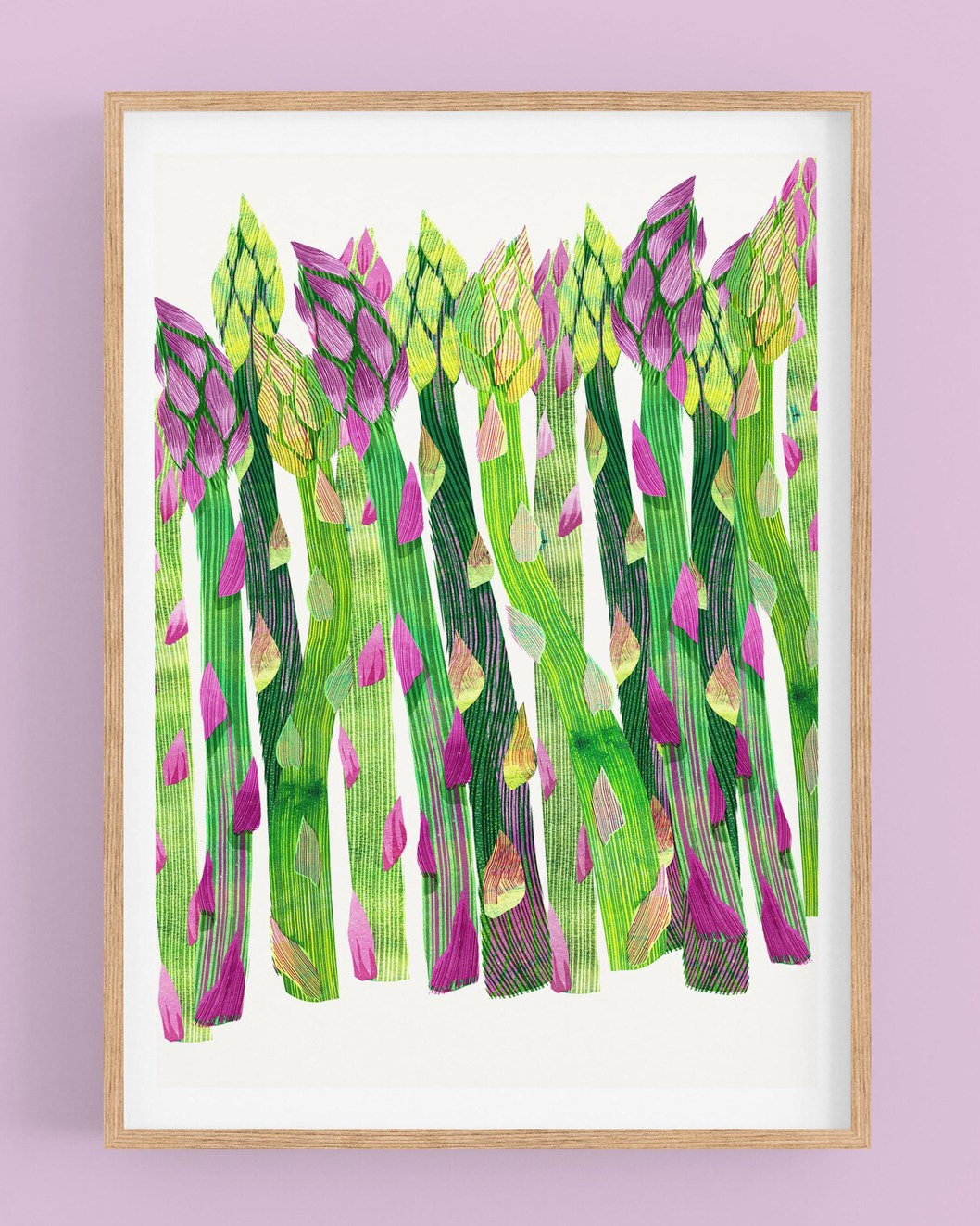
Asparagus is a popular vegetable in England, but not that common as it’s only really in season for eight weeks each spring. Packed with nutrients, this vegetable (related to garlic and onions) dates back 2500 years.
It’s kind of like ‘England’s bamboo’ as stalks can shoot up to 18cm in a single day. Yet blink and you miss them, as despite growing for three years before harvesting, if you miss the harvest, you’ll have to wait a whole year again to enjoy fresh asparagus.
Unlike most vegetables, asparagus can’t be picked by machines, as the spears grow at different rates. So special knives are used instead. One bed can producie tasty spears for up to 20 years, so it’s well worth growing your own.
There are three types of asparagus (white versions are grown underground so never produce the green pigment chlorophyll) and purple asparagus is sweeter but turns green when cooked. Of course the main type is green asparagus.
It’s often sold in plastic bands. Always cut these up before secure disposal in a container, as dropped and littered bands can harm wildlife (birds even feed them to chicks, thinking they are worms).
Supermarkets prove they don’t know about food, as bands around asparagus cuts off circulation and traps moisture, so spears go slimy.
Fresh asparagus should be stored like a bouquet of flowers, in water in the fridge.
If you’ve never tried asparagus before, know that the acid can break down into sulfur-containing compounds, which gives a disinctive odour – in other words, it can make your pee smell! But it only lasts for a little while, and does not affect everyone! And some people have genetics in that they can’t smell it anyway!
What you need to grow organic asparagus
Growing asparagus is not the easiest task, and it’s a long-term game. You’re hoping for 20 years of harvests, all lasting around eight weeks. Choose a warm sheltered spot with full sun or light dappled shade for your asparagus patch, as emerging spring spears are sensitive to late frosts.
Asparagus needs free-draining soil, so if you have heavy clay soil, build a raised bed instead to fill with good peat-free compost. Most experts suggest buying one-year-old organic bare-root crowns rather than seeds.
- Read up on pet-friendly gardens for plants and mulches (like cocoa) to avoid
- Use humane non-toxic methods to deter slugs/snails
- For indoor plants and greenhouses, use Feather Friendly bird tape to stop birds flying into windows (avoid facing indoor plants to face gardens).
Before planting, hand-weed any perennial weeds and test the soil is slightly alkaline (6.5 to 7.5). If your soil is too acidic, apply organic dolomite lime. Add good compost to enrich the area with natural nutrients.
Regularly hand-weed the beds (don’t use a hoe or fork, as asparagus has shallow roots that are easily sliced – no-dig gardening is also safer for worms and stag beetles. Each Marsh, top-dress the bed with plant-based fertiliser.
The main issues will be asparagus beetles and slugs, but organic gardens will attract creatures (like ladybirds) to naturally eat them. In autumn, cut yellow foliage to 2.5cm above ground level and top the bed with a thick 5cm mulch to protect the crowns and suppress winter weeds.
Let asparagus spears grow tall before harvesting, only cuttiing them for 2 to 4 weeks each spring. The ‘cut-off- day is usually Midsummer (21 June), so the plant can rejuvenate the following year.
Where to buy sustainable asparagus crowns
If you can’t find sustainable asparagus crowns locally, you can buy from Carbeth Plants.
Ways to eat fresh organic asparagus
Asparagus should be avoided for people on blood thinners (due to vitamin K), and people with kidney stones or severe gout, people with IBS and those taking the diuretic lithium. Also avoid if you have a lily allergy (includes onions, leeks, garlic and chives).
Stovetop Sauté: Chop stalks into bite-sized pieces and cook in a little rapeseed oil (or Flora vegan butter) on medium-high heat. For around 5 to 7 minutes until bright green and tender. Toss with a spoonful of mince garlic or grated vegan cheese.
Roast: Snap the woody ends off and drizzle stalks on a baking tray with rapeseed oil, salt and black pepper. Roast at 200°C (400°F) for 10 to 12 minutes until tender. Squeeze with fresh lemon juice before serving.
You can serve these spears with a vegan Hollandaise sauce:
Blend 1 cup of silken tofu with 1 tbls each lemon juice and nutritional yeast, 1 tsp Dijon mustard, 1/2 tsp Kala Namak (black salt) and 1/4 tsp turmeric. Until smooth. Reduce speed to slow and slowly stream in 2 tablespoons of melted vegan Flora butter. Heat the sauce in a pan for 2 minutes (don’t boil).