Bodmin Moor (granite tors, wide skies, quiet Cornwall)
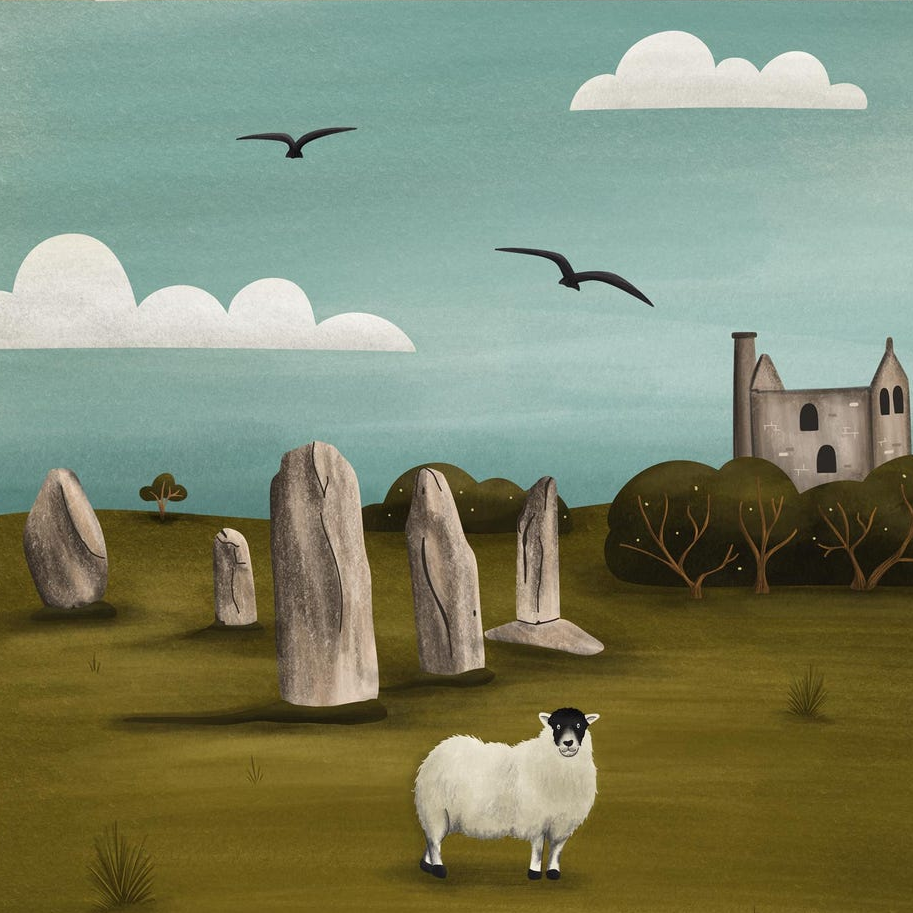
Bodmin Moor is one of Cornwall’s most wild areas, granite tors rising above sweeping grasslands, and wide open spaces with ancient stone circles. Walking trails cross the moor to landmarks like Brown Willy, Cornwall’s highest point.
Out walking? Follow the Countryside Code to keep all creatures safe. Keep dogs away from steep banks, mushrooms (and other toxic plants/trees) and on leads during nesting season (and near barnyard friends and wild ponies).
At the coast, keep away from nesting birds and never walk on sand dunes. Learn how to keep dogs safe by the seaside (check beach bans before travel).
Dogs are not allowed inside Bodmin Jail, as the dark space with loud noise could frighten them. Keep distance from wild ponies, and never touch or feed. Bodmin Moor Pony Rehabilitation lists numbers, for any concerns.
Does the beast of Bodmin exist?
Just like the Yeti in the Himalayas or the Loch Ness monster in Scotland, for years there have been reports of a large black panther-like cat on Bodmin Moor, but no evidence of its existence. The government launched an official investigation back in 1995, and found no proof, saying that reports of sightings were likely of other animals (perhaps large dogs or deer).
One concern would be the illegal release of an exotic animal. Blue Cross and Born Free both are calling for an urgent review to update the Pet Animals Act 1951, to enforce regulation over the purchase of wild animals (especially due to endangered species and the Internet).
Five Acre Nature Reserve (no dogs permitted due to wildlife) is a small but rich patch of green that feels a world away from city buzz. Managed by volunteers, it supports a lively mix of habitats.
Tor to Shore is Cornwall’s project to protect the county’s amazing nature and wildlife, with volunteers helping to rewild local areas and promote sustainable farming around Helman Tor, Par River and St Austell Bay.
Granite, tors, and beautiful landscapes
A moor shaped by people too
The moor isn’t just wild ground, it’s worked ground too. Prehistoric communities left stone circles, standing stones, and hut circles. Some sit close to modern tracks, which makes the time gap feel even stranger.
The Hurlers stone circles are a good example. You can stand beside them and sense a planned space, not random stones. Nearby, Trethevy Quoit shows a different kind of building, a burial chamber made from heavy slabs. It’s practical work with big materials, done without modern machines.
Later centuries left quieter marks. You may spot old field boundaries, banks, and traces of medieval farming. Old crossing points also matter, because the moor sits between coasts and towns. Routes formed where the land allowed them, then people kept using them because they still worked.
Easy-to-moderate walk ideas
These aren’t strict routes, more like solid starting points. Most people can shape them into a 1 to 4-hour outing.
- Rough Tor and Brown Willy (longer, higher ground): Best for confident walkers who want ridge walking and big views. Choose a loop if conditions are good, or do an out-and-back if wind picks up.
- The Hurlers and the Cheesewring (history plus open moor): Suits beginners who want a clear goal and a strong sense of place. You get both archaeology and tor scenery in one area.
- Golitha Falls (gentler underfoot): Good for families and anyone who prefers woodland and river paths. It’s not the open moor on top, but it pairs well with a shorter tor visit nearby.
- Colliford Lake area (flatter paths, wide horizons): A steady option when you want space without steep climbs. It’s also handy when weather looks changeable.
Stay safe and tread lightly on the moor
Weather is the main thing to respect here. A mild start can turn cold fast on exposed ground, even in summer. Wind also changes how hard walking feels, especially on ridges.
Pack like you expect surprises. That usually means layers, a waterproof, grippy footwear, and enough food and water. Tell someone where you’re going, then stick to that plan. If you’re heading into higher or more open areas, add a hat and gloves, because wind chill bites.