Tyne and Wear (Newcastle, Gateshead, Sunderland and beaches)
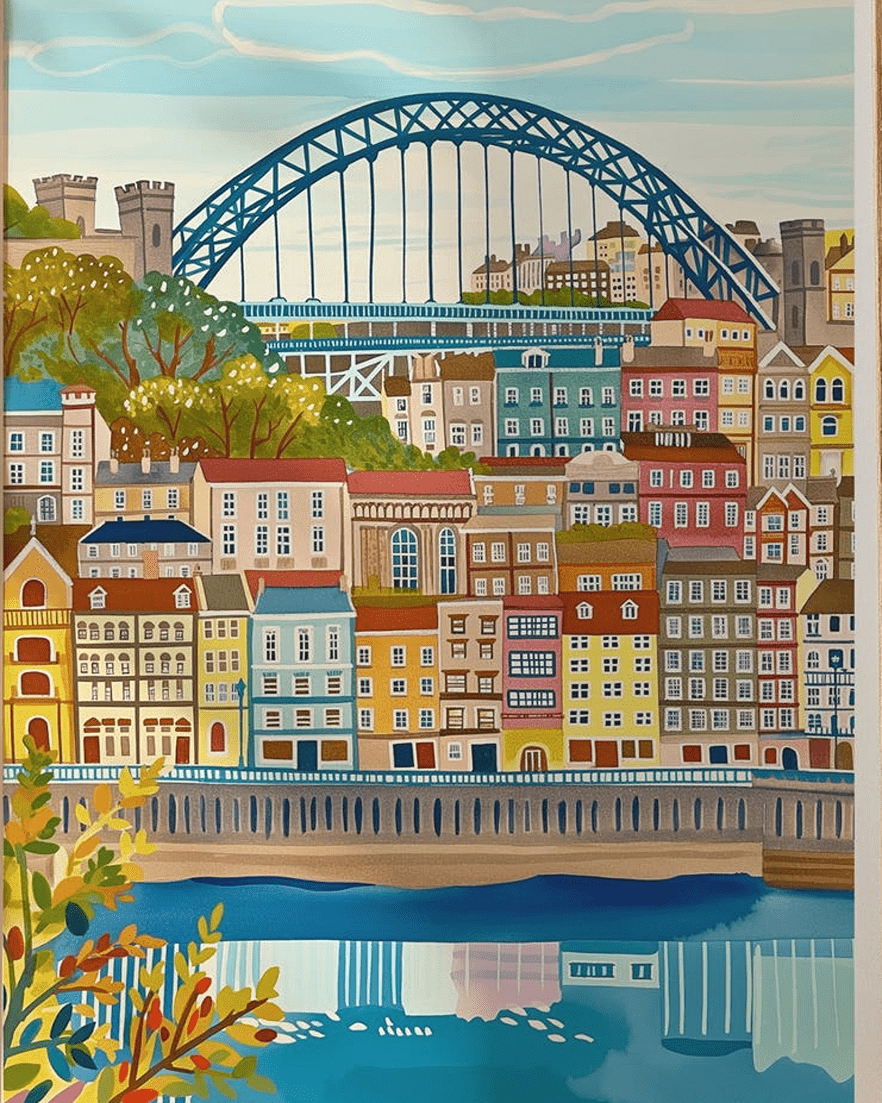
Tyne and Wear is one of England’s ceremonial counties, situated in the north east of England. It’s one of the coldest areas, lying on the same latitude as Scandinavia (only the Gulf Stream keeps it being from covered in snow every winter, like Sweden!)
In fact, up until a few years ago, you could sail from the coast nearby to Scandinavia. But due to stricter environmental laws, that’s no longer possible (only by freight ship, and that will cost you around £800!)
Of course the main city is Newcastle, linked to the town of Gateshead by the Angel of the North, a big ugly statue that some liken to a Nazi propoganda statue with its outstretched wings that are supposed to ‘look over the city’. Others call it ‘the Gateshead flasher!’
Newcastle has a rich political past, and is home to Grey Street, an ‘architectural jewel’ designed back in the 1830s. Nearby is Jesmond Dene, a quiet Victorian park.
The main public park is Town Moor, a 1000 acre green space jointly owned the council and Freeman of Newcastle. Formerly a site for coal mining with bell pits, the land is protected.
When out walking, always follow the Countryside Code to keep all creatures safe. Keep dogs away from steep banks, mushrooms (and toxic plants/trees) and on leads near birds, barnyard friends and wild ponies.
The River Tyne and Tyne Bridge
River Tyne (73 miles) begins where two small rivers meet near Hexham (Northumberland). It moves east towards the North Sea, passing through Newcastle and ending between the towns of Tynemouth and South Shields.
Tyne Bridge is a feat of Victorian engineering. Opened in 1928 to great fanfare, it took three years to build (one man sadly died during construction, when he fell into the river).
The arch shape looks similar to Sydney Harbour Bridge. But in fact this bridge was built first, so it’s likely the Aussie bridge was influenced by Tyneside, not the other way around!
Formerly the world’s longest steel bridge, it’s so strong it survived Nazi bombs.
Tyne Bridge is the surprising home to the world’s largest inland number (around 700) of nesting kittiwakes (our three-toed sailor gulls). Local wildlife experts have been instrumental in persuading those restoring the bridge to avoid netting (that could trap nesting birds) and use alternative methods to keep them safe.
The other city of Sunderland sits on the North Sea, and like Newcastle, has a rich ship-building history. It has its own patron saint (Benedict Biscop founded a local monastery; the ruins now a Grade 1 listed building).
The Sunderland Empire Theatre is where Carry On actor Sid James died of a heart attack in 1976. Les Dawson refused to play there, after saying he saw Sid’s ghost in his dressing room?
The Tyne Coast surrounding Newcastle
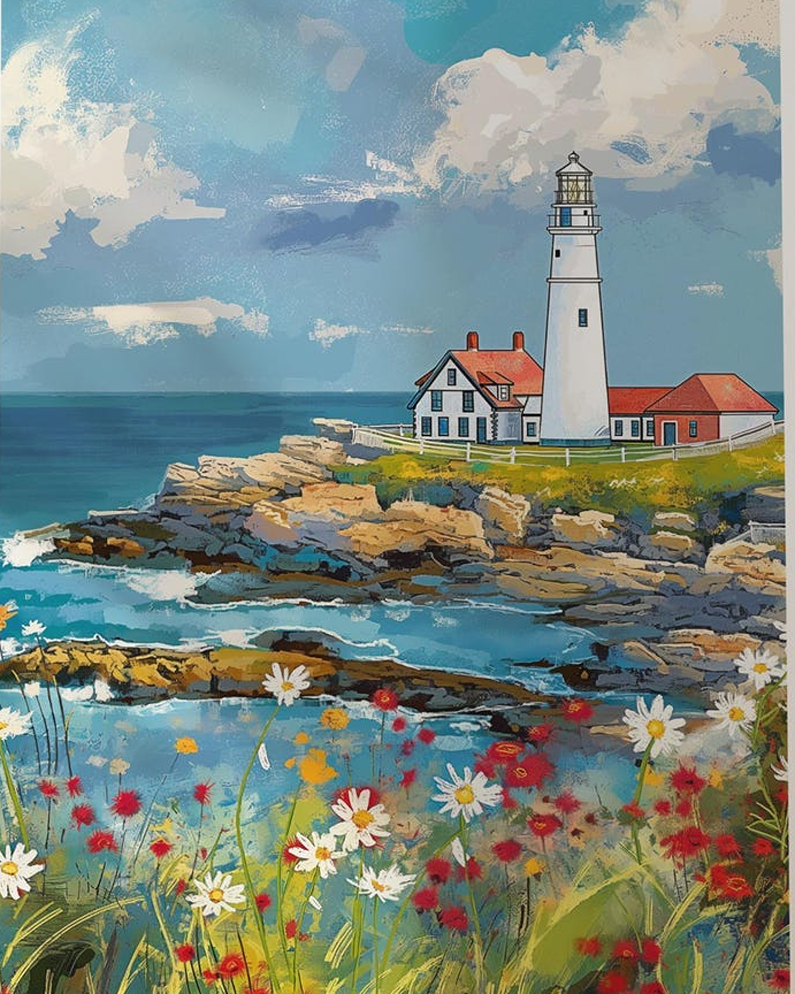
You may not equate Tyne and Wear with sandy beaches, but there are quite a few. The main one is Whitley Bay, which has a long beach with views to St Mary’s Lighthouse.
At the coast, keep away from nesting birds and never walk on sand dunes. Learn how to keep dogs safe by the seaside (check beach bans before travel).
- The beaches of Roker and Seaburn are split by a headland, each has its own charm. Roker Pier lighthouse offers great views, as does Marine Walk at sunset.
- Painter LS Lowry spent his holidays at Seaburn. He holds the record for rejecting honours (five times, including a knighthood). Devoted to his mum, he explained ‘There seemed little point, once Mother was dead’.
- Longsands has a long open curved beach with a wide sand run at low tide. On windy days, it can feel exposed, so bring an extra layer and a hat that stays put!
- Cullercoats Bay is a small curved bay with a built-up edge, with local shops and places to grab something warm to drink, after a short walk.
- King Edward’s Bay (a sheltered sandy cove) sits below Tynemouth Priory. Due to steep steps, it’s not accessible for limited mobility, and dog bans are place much of the year (and may not be safe at other times).
At high tide, this beach narrows fast, and the rocks take over. So be sure to check tide times before travel, to avoid getting stranded.
Geordie accents (voted the friendliest in England!)
Although a strong Geordie accent may be one of the most difficult to understand, a recent survey found it’s the one we like most, to put a smile on our faces!
Like Brummies, Geordies are known for being welcoming to strangers, and like to have a chat! So here’s a quick guide so you know what they are talking about, if you visit!
- ‘Pet’ or ‘hinny’ (terms of endearment like ‘dear’ or ‘love’)
- ‘Canny’ (nice and good)
- ‘Marra’ (a warm term for a friend)
- ‘Howay man!’ (hurry up!)
- And the one we all know:
- ‘Wey aye! (yes, of course!)