Affordable rental accommodation (including pet-friendly)
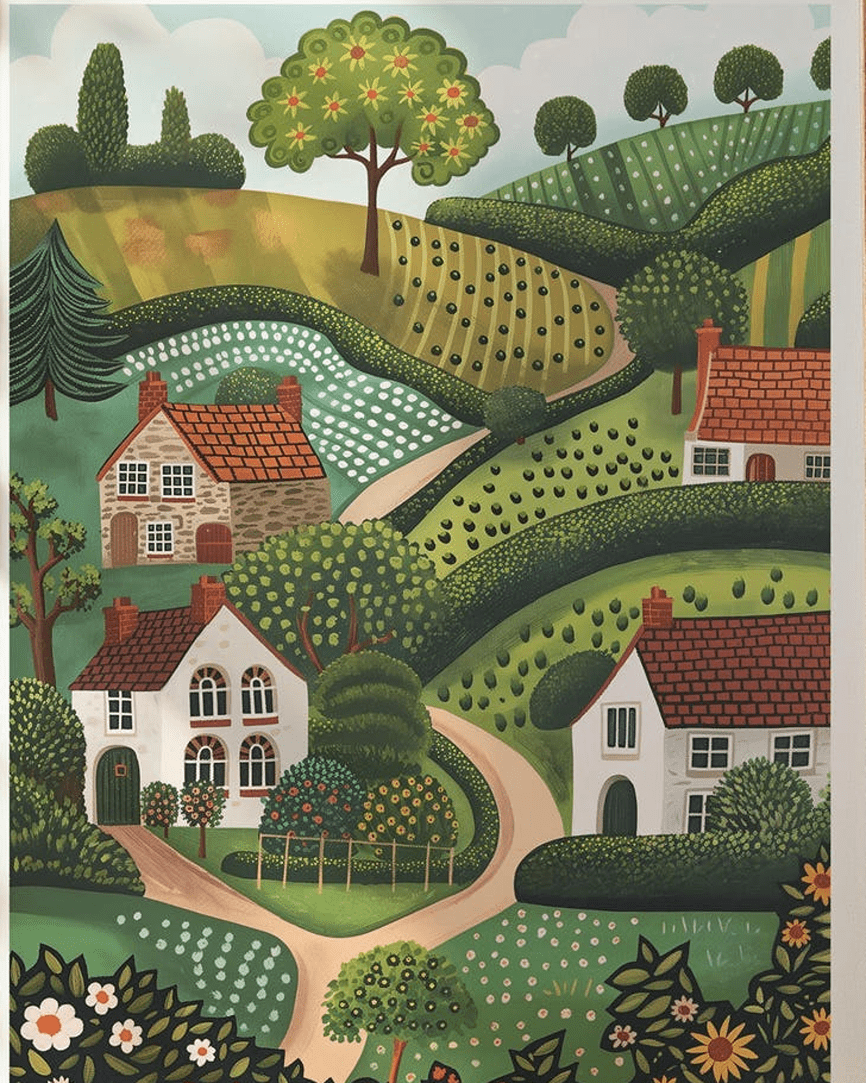
Unlike mainland Europe (where renting is often the norm, so it’s pretty easy to find affordable accommodation with good landlords), it’s not so easy in England. In a country obessed with buying homes and house prices.
In fact, rental homes in England are so expensive. That with rising rents (not in line with salaries), it’s one of the main causes of homelessness.
In Finland (on course for zero homelessness), non-profit landlord Y-Säätiö owns 20,000 M2-Kodit homes which are fully-furnished, affordable and safe with access to green space, public transport and laundry. Why not the same here?
Affordable rent is classed as no more than a third of your monthly income. Good housing also has added bonuses like being near public transport and in-house laundry.
Hello Neighbour (a better kind of renting)
Hello Neighbour already has over 2000 landlords on board, where tenants can book viewings, make offers, pay rent and log repair/maintenance requests. Fees are lower due to being online (a typical landloard can save thousands as there are no tenancy renewable fees, and discounts on gas/boiler safety certificates).
A better letting agent in Yorkshire
My Landlord Cares was founded by a family fed up of hearing about ‘nightmare landlords’. It promises fair pricing, honesty and help for repairs. Prices are kept low as it does not subscribe to RightMove (instead it works with councils to find affordable homes for local people).
Homes for Good (inspiration from Scotland)
Homes for Good is a non-profit letting agent which charges fair rent and has in-house plumbers and others to fix problems swiftly and affordably.
This agency put a single mother with depression on a repayment plan for arrears, got her housing benefit safeguarded and helped decorate her home (she is now at college). Their flats in Glasgow are way more affordable than most on RightMove.
The zero deposit scheme
The Zero Deposit Scheme replaces the cash deposit, just one week’s rent (plus a £60 set-up fee on moving in) then £17.50 a year. Regulated by the Financial Conduct Authority, for peace of mind.
Goodlord (find more ethical rental properties)
Goodlord is a site for ethical landlords/landladies to simplify renting and referencing. Use the software to:
- Offer letters and contracts
- Payments and signings
- Corporate lets
- Tenant referencing
- Rent protection & legal expenses
- Liability & insurance
Renting with pets?

- Start searching for suitable property weeks beforehand (within walking distance of work, if you can’t afford a dog walker).
- Write a pet CV including references from friends, vets and previous landlords. Also introduce to prospective landlords.
- On arrival, take dogs for a nice walk, and keep familiar smells nearby (pet beds, clothes – not socks as these are choking hazards).
- If moving by car, Driving with Dogs lists walks near motorway exits, in case you get stuck in a traffic jam.
- Read up on train travel with pets (animals must be kept on leads or in carriers, and bring water and treats – pets are not allowed on escalators (they must be carried) and never allow animals near trains.
- If moving in or out, ensure pets are safe for pets (includes indoor plants to avoid – avoid to outdoor gardens, to stop birds flying into glass
- Lets with Pets (run by Dogs Trust) offers a free Good Practice Handbook for landlords (Endsleigh Insurance provides landlords with pet cover).
- PetsLets (London) educates landlords and estate agents, to inspire them to allow pets.
Tiny Homes (are pocket-sized properties for you?)
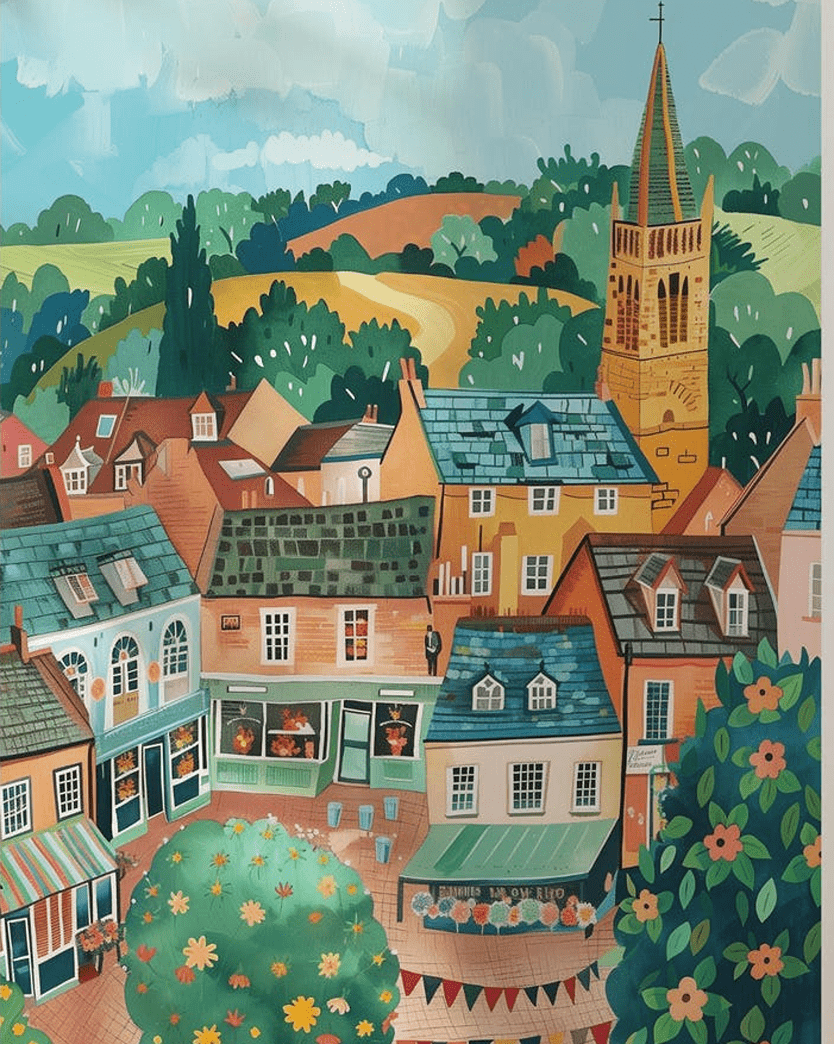
If you’re on a budget, an American idea that is becoming popular in England is the tiny home movement, where people build small but perfectly-designed homes (often on wheels) that feature on mod-cons, and you can take them with you, if you move.
They don’t ‘increase in value’ like most homes, but they are far more affordable, and are very popular in the US island of Nantucket (30 miles from Cape Cod) where most properties are over $1 million.
Read The Big Tiny. This is the story of Dee, an American who had spent years doing up a big dilapidated home in the Pacific Northwest. After having a heart attack in a grocery store (age just 40), she sold it and built/built a tiny home.
Today she has a far better quality of life, it takes 10 minutes to clean her and her bills are around $10 a month. And in the evening, she sits on her (tiny) porch and enjoys watching the sun go down with her dog (and a cold beer).
BoKlok homes (from Sweden)
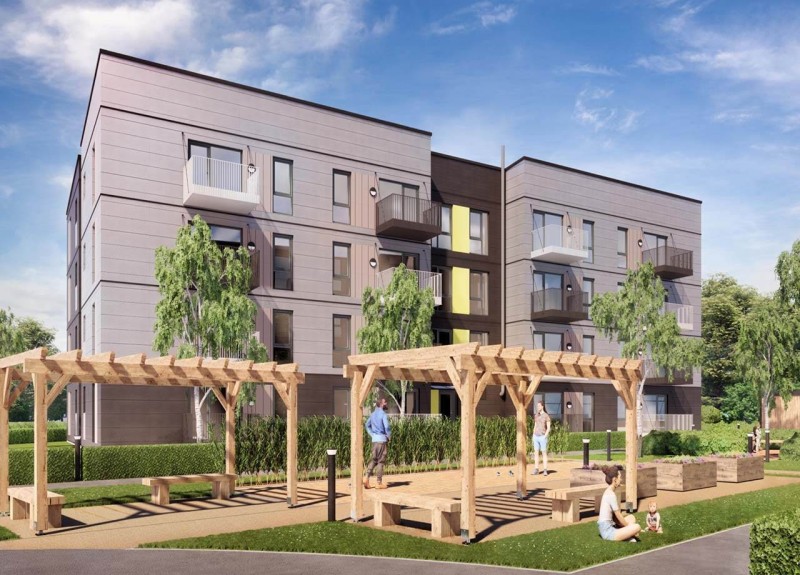
The most well-known prefab home company is BoKlok which was created by Swedish furniture giant IKEA. They are already being built in England, from Bristol to Littlehampton.
These are quite beautiful, and most of us would likely enjoy living in such homes. These are bright, clean and light and although small, beautifully designed so each spare inch of space is used. They either have gardens, or blocks of flats have communal green space.
BOKLOK homes are designed to be energy-efficient and have beautiful kitchens with built-in appliances as standard. This is not only better than dingy bedsits with dodgy gas ovens. But it has a knock-on effect.
If you have a nice home and a nice kitchen with good appliances and worktops, you’re likely to spend less on food as you can buy fresh food to cook yourself, which also benefits long-term health for all who live there.
The homes also have good insulation to keep homes warm and cool (insulation also protects against outside noise).
They also feature water-saving taps, showers and toilets. They are fitted out with high-spec lights and fittings, and carry a warranty of 10 years. People who live there even enjoy the services of a free ‘handyperson’ service.
Prefab tiny homes!
Prefab homes are made in a factory, then delivered on-site and can be moved again on wheels, if you move. The only bugbear is finding suitable land to live on, year round.
Prices start at £30,000 and should last decades, though likely won’t increase in value, but are a good option if you just want a stable affordable home to call your own, with low maintenance fees.
Most include thick insulation, double-glazed windows and eco-heating, for far lower energy bills and comfort in different weather.
- Heb Homes offers 40 designs, all made with green materials. Airigh design is inspired by Scottish Highland huts, and often allowed, when conventional house builds are not. They also good for outbuildings, home offices and annexes.
- Tiny Eco Homes supplies ‘tiny homes on wheels’ which include beautiful bathrooms, heated towel rails and underfloor heating, along with a nice lounge, bedroom and kitchen..
The Nest Pod (from a Scottish tiny house designer) has gone viral, and for good reason. If you want to be tempted by the joys of tiny house living, just take a look at this gallery!
Decorated in natural woods and pastel colours, this features a lounge with a wood-burning stove, a full-size couch and roll-out desk, along with a loft-accessible bedroom, tucked away from the main living area.
In the living area is a wood-burning stove, full size couch, and a roll-out desk. The bedroom loft is accessed by stairs that are tucked away from the main living area. Who would not want to live here?
Molly of Slow Scottish Stories writes one of Substack’s most popular blogs, and lives with her boyfriend and dog in a tiny home in the Scottish Highlands. Her life seems idyllic, and you’ll be drawn in, within a few posts! Look for her upcoming book on slow living.
How to convert empty spaces to affordable homes
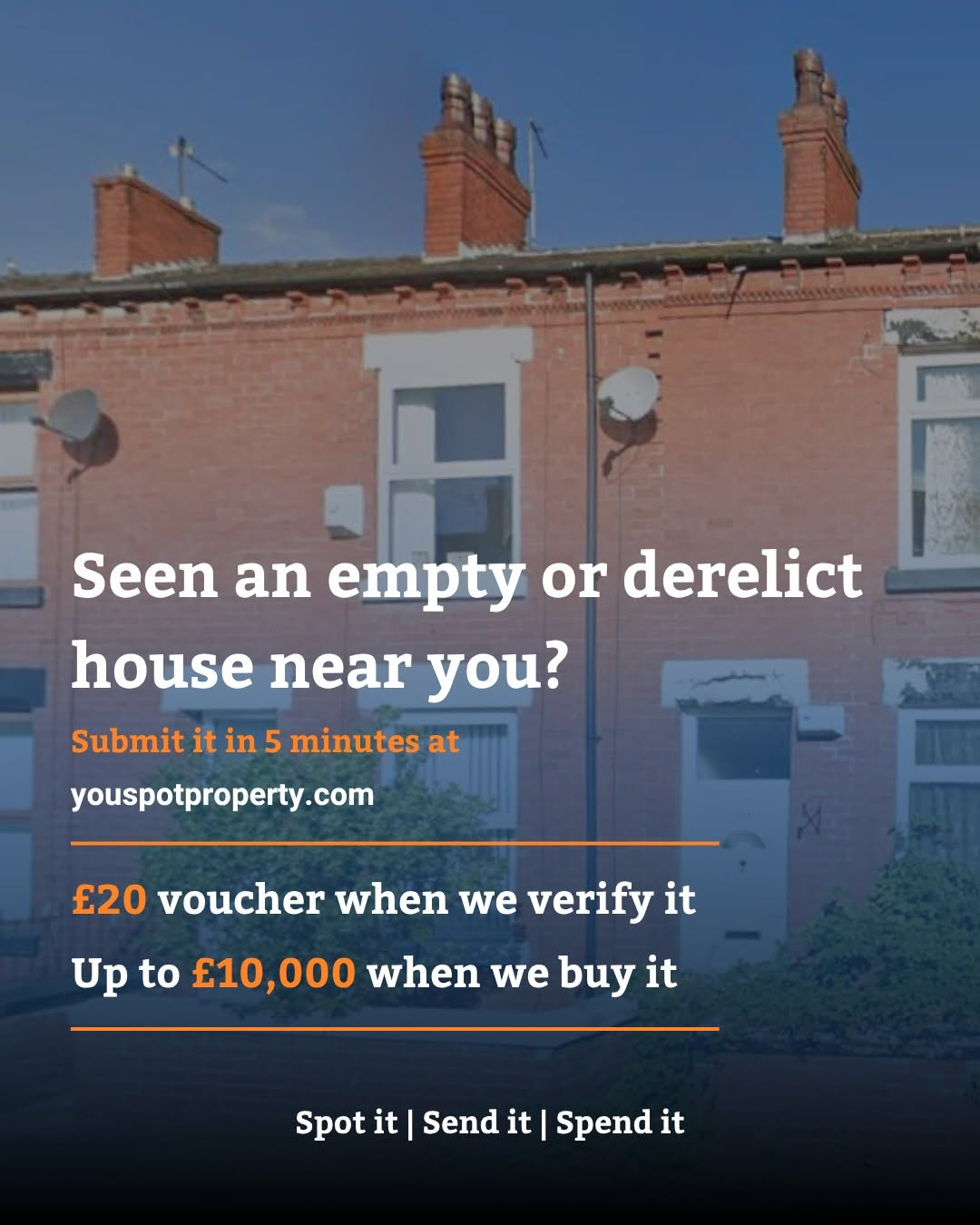
Did you know that there are around 600,000 empty properties in the UK? This is around three times more than the official homelessness figure. It doesn’t take a genius to work out that something is seriously wrong.
Squatting is not rthe answer. This does not give people stable homes, and usually costs tens of thousands of pounds in repairs to property owners, who then hand them over to property guardians, that rent them out cheaper to tenants. It’s like a constant merry-go-round.
Action on Empty Homes says the nearer figure is 1 million, if you include holiday homes. It works to retrofit empty homes so they provide affordable accommodation to those that need homes, rather than bulldoze green spaces, to build new ones. You can report empty homes to them.
Vacant properties also become eyesores, attracting antisocial behaviour. Broken windows, graffiti and overgrown gardens are signs that no-one cares, and this causes local properties to lose value.
There are enough empty homes in the wealthy county of Surrey, to house all England’s homeless people five times over.
Make money spotting empty properties
You Spot Property rewards you for spotting empty properties. If it meets their criteria, you get a £20 voucher. And if they sell it, you receive 1% of the property price (capped at £10k).
If you see a derelict eyesore, just take a photo and send to the address. For each property sold, the company donates £500 to a local charity.
I have now received 2 vouchers for M & S. And walk around with my eyes wide open. Anything that looks a bit scruffy is being reported. Who knows, I might even do this full-time. Mrs Charles
Why are properties in England left empty?
You might wonder why so many homes stand unused, when people need shelter. The reasons are usually:
- Absentee owners: Sometimes overseas investors buy properties and leave them idle, waiting for prices to rise.
- Inheritance issues: Families caught in legal disputes, may leave homes empty for years.
- Speculation: Owners keep properties empty, hoping to sell when the market peaks. The house becomes more like a lottery ticket, than a home.
- Disrepair: Major fix-ups are costly. Sometimes owners just give up.
Some councils now tax empty homes
Bolsover (Derbyshire) is one of the first towns to introduce an ’empty home tax’, to discourage people from buying second homes that sit empty most of the year.
Owners will have to pay more than one council tax if homes are not occupied for most of the year. This law does not apply to the Armed Forces, as some may have to leave homes empty, while serving abroad.
Seaside resorts that price out local people
Many popular seaside resorts have priced out local people, as wealthy outsiders buy second homes. Rich people from London buy homes in St Ives for two weeks surfing.
The Devon sailing town of Salcombe has developers building £1 million homes. Yet local people can’t afford to buy. Developers promise to build ‘affordable homes’, But not in the centre, which is where many local people grew up.
Again some councils are doubling council tax, or only letting people buy homes, if they are residents of several years.
Many want to close the loophole. Which means that holiday home owners can claim 100% tax relief, if they pay business rates (rather than council tax).