Cool Roofs to Green Spaces: Combat Urban Heat Islands
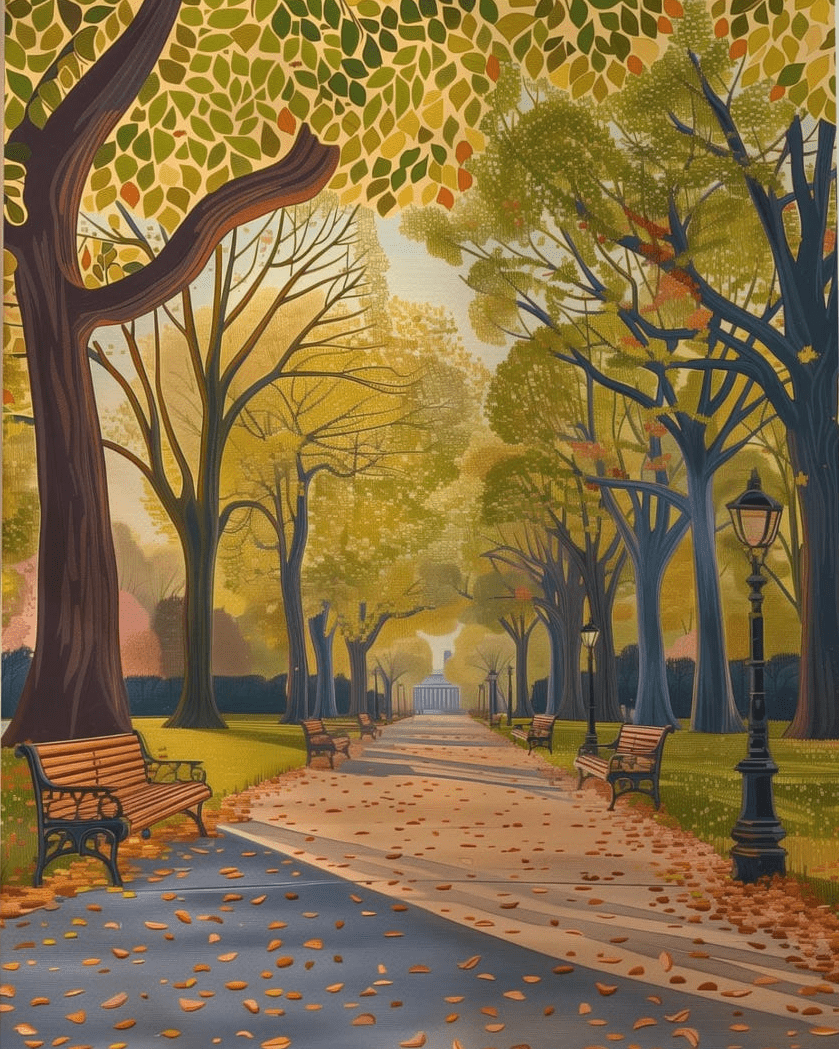
Hyde Park London, Ava Lily
Urban heat island effect is when towns and cities are warmer than the rest of the country, due to lack of green spaces and increased temperatures due to buildings and roads etc. For instance, asphalt roads and dark roofs absorb solar radiation, and this combined with fewer trees heat up areas. Tall buildings and air conditioners also prevent trapped heat from escaping at night.
This causes all kinds of issues, from people using more air conditioning to cool down areas in warm weather. To pavements becoming too hot for paws, on dog walks. But there are simple solutions, especially in a rainy and often cool country like England.
Create cool and green roofs
Town planners and private buildings can plant ‘green roofs’ on buildings which provide natural insulation and shade, and cool the surroundings. Ensure if accessible (say on enclosed safe roofs that are open to the public or residents) that only pet-friendly plants and mulches are used).
Builders and town planners can also use special coatings to reflect solar energy (to keep areas cool). Also avoid too much glass (and turn off lights when not in use), to help stop birds flying into windows.
Plant more urban trees
Street trees (again ensuring they are pet-safe) provide natural shade on city streets, which blocks solar radiation from heating up asphalt and concrete pavements. Thus creating naturally cooler neighbourhoods.
Switch to cooler pavements
Permable pavements let water soak into the ground, and this reduces surface temperatures on pavements, roads and even parking lots. This can replace standard asphalt which keeps surfaces hot.
Build more local green spaces
Turning vacant concrete lots into community gardens and public parks can help to reduce heat, and produce ‘cool zones’ for local neighbourhoods. Grass and soil can break up heat-absorbing asphalt.
DePave is a volunteer organisation in Portland, which breaks up old asphalt to replace it with community spaces. This has to be done carefully, due to pollution and sump oil under paving stones. Download its free ebook ‘How to Depave’ to learn more.
Build for natural wind corridors
Proper green architects can design buildings that allow natural wind corridors through the city, so buildings don’t trap hot air at street level. This means place are naturally cooler, so don’t have to rely on air conditioning.
Reduce street heat (vehicles!)
Electric vehicles emit less heat than combustion engines. And upgrading to energy-efficient appliances can en-masse reduce heat as well. Of course creating walkable communities (so less cars are needed) is even better.