Tree Planting in England: How to Get Involved
England has around 60 species of native trees, including of course the English oak (Major Oak in Nottingham’s Sherwood Forest is around 1000 years old). The nation cried when eco-vandals choppsed down Northumberland’s Sycamore Gap (now shoots are signing signs of recovery) and we also have many other native species.
Trees in forest are now known to ‘talk to each other’ using an undeground web of fungi, to share essential nutrients, and even warn neighbouring trees of possible inset attacks! English trees do all kinds of wonderful things from preventing floods and heatwaves, providing homes to birds and mammals. And some trees (like holly) even use their tiny leaf spines as mini-lightning conductors to protect landscapes from lightning.
England has millions and millions of trees (over 8 million alone in London, classifying the city as an urban forest). However England has lost most of its ancient woodland, which is why there are campaigns to preserve remaining trees. And get involved in tree planting campaigns, especially in urban areas.
Planting trees in town and cities helps to prevent floods, buffers wind, helps reduce urban heat island effect. And generally makes the world a nicer place to live in!
Tree safety tips
Trees are terrific. But it’s important to know a few safety tips!
- Some trees are not safe near pets (neither are conkers, bulbs around trees, nor some mulch like cocoa). Read more about pet-friendly gardens. Also don’t leave windfalls on the ground, as fruit seeds and pips are toxic to pets.
- Also know trees to avoid near horses (including yew, oak and sycamore).
- If planting trees, avoid netting. There are fruit tree protectors instead that still stop nibblers but don’t trap birds and wildlife (remove during pollination for insects, or you’ll get no fruit). Read more on wildlife-friendly gardening.
Trees for Cities (become a tree watering champion)
Sign up at Trees for Cities and give your local tree around 50 litres of water, pouring slowly into the base, to let it soak into the soil. Water at night or early morning, to minimise evaporation and let the roots take in the optimal amount of water. Adding (pet-safe) mulch also helps to retain moisture.
Trees for Streets (sponsor a local tree)
Trees for Streets is a scheme for residents, businesses and councils to plant more street trees. Every £1 spent saves £7 in health, environmental and energy costs. It also runs crowdfunding to plant a cluster of say 20 trees on one street.
Each planting scheme is on land owned and managed by local councils. They plaint, own and maintain the trees, the scheme is to raise money to plant them. Your council must survey the location and verify approved schemes.
Learn how to read a tree!
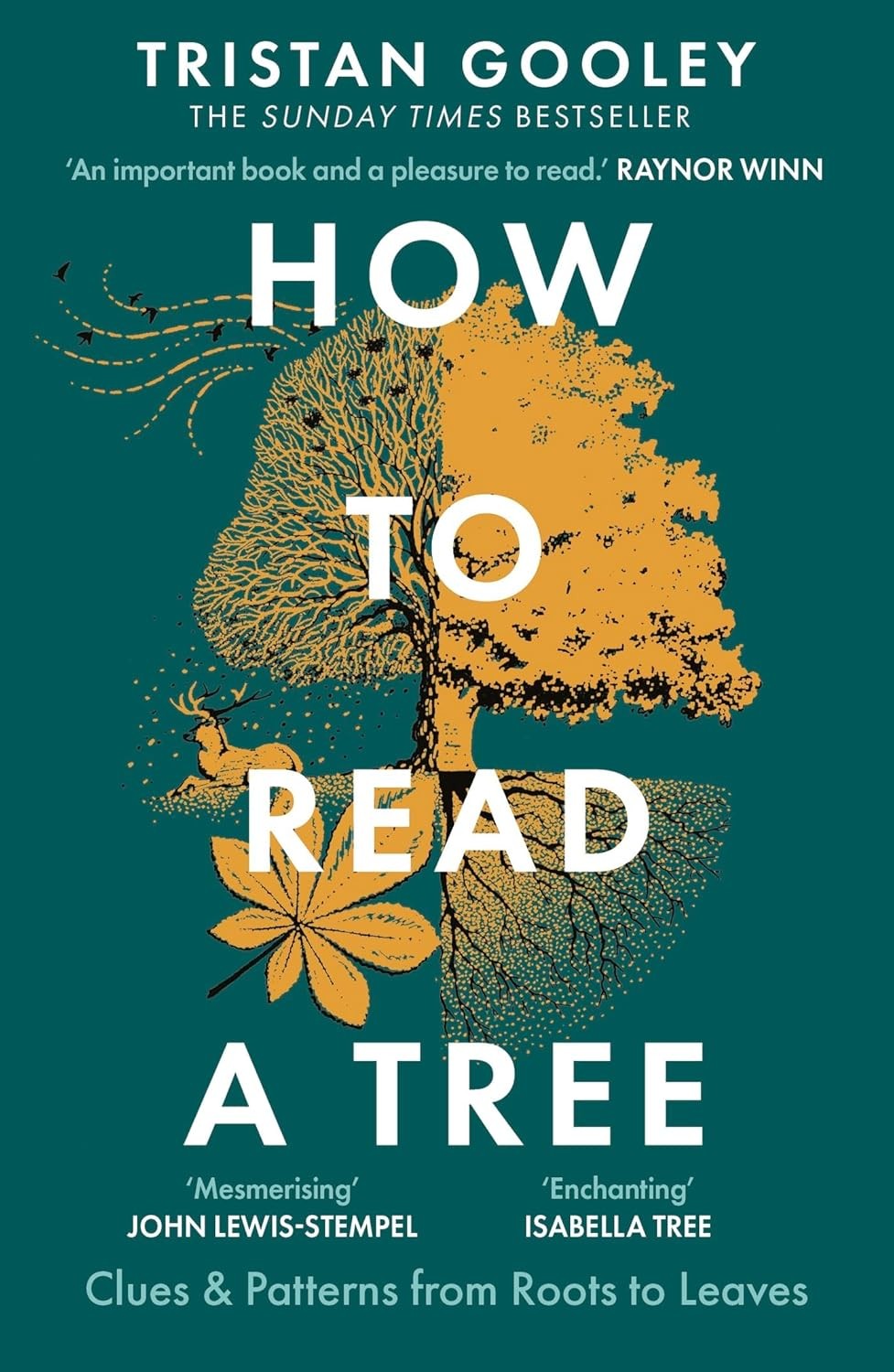
How to Read a Tree is a book by Tristan Gooley, a man who can find his way anywhere without a map, by looking at which way a tree faces, or looking at a puddle! He says the clues are easy, when you know what to look for!
Learn rare skills that can be applied, each time you pass a tree – whether in town or country. Trees can tell us about the land, water, people, animals, weather and time.
Read our interview with Tristan Gooley, the natural navigator!
Trees for Life (plant trees in the Scottish Highlands)
Trees for Life is a lovely non-profit. Ideal for memorials, you can donate to plant a tree in honour of a beloved human or animal friend. You don’t get a plaque (and you can’t visit your tree). But know that the planting will provide food and shelter for wildlife for decades to come).
Ecosia (a search engine that plants trees)
Switch to Ecosia search engine (it’s free). Used by 20 million people worldwide, sponsors help to plant trees (this is now the largest tree-planting organisation in the world). It produces fast private results, and only takes a minute to switch over!