Leave No Trace: The Ultimate Guide to Zero-Waste Hiking.
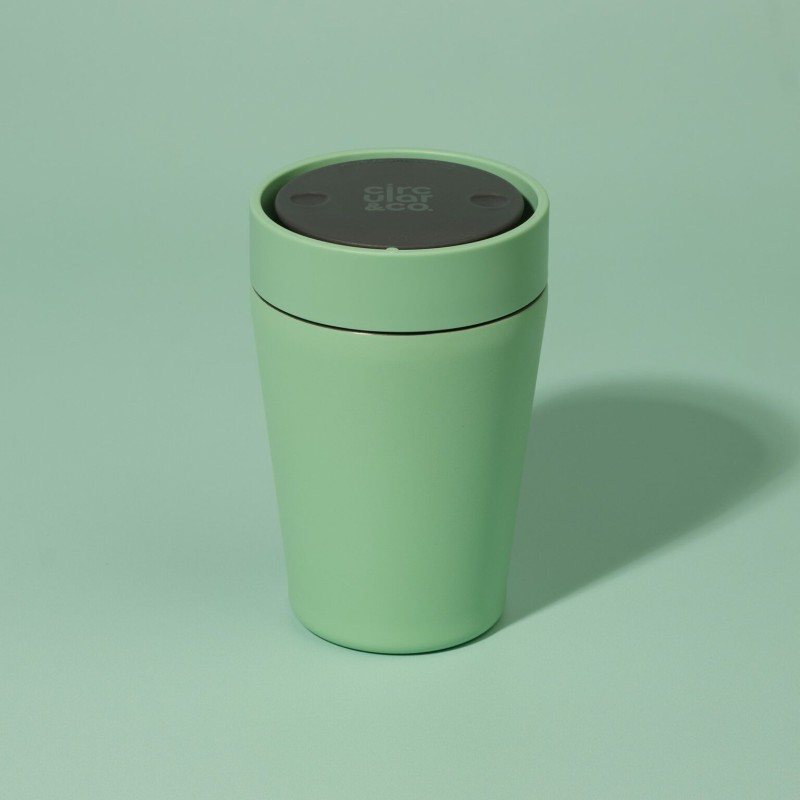
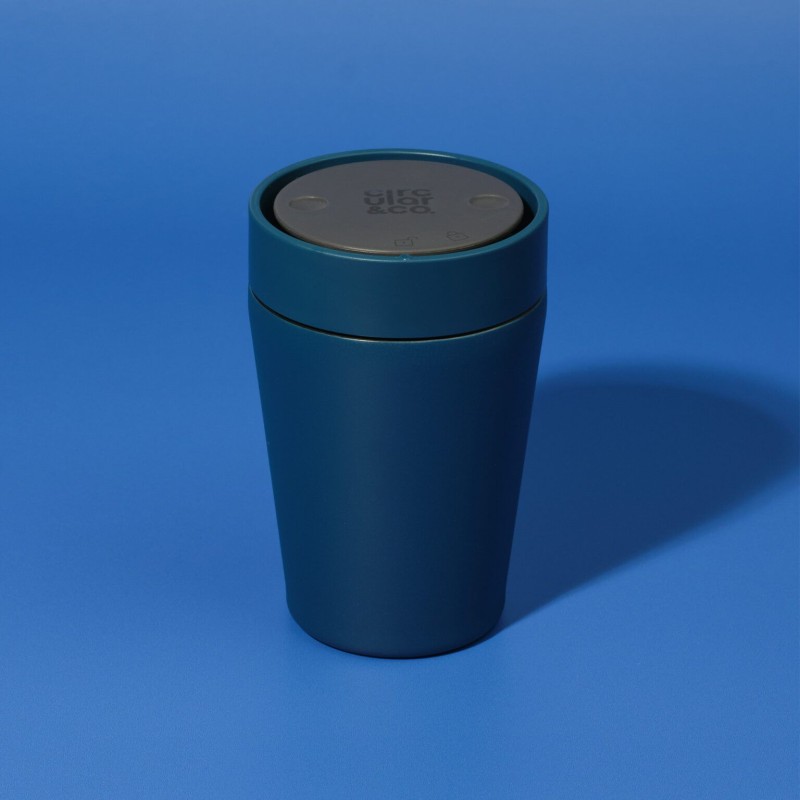
Circular & Co Reusable Travel Mug is the ideal zero waste swap, for a daily commute or if you use a coffee shop for your morning brew. Made from 90% post-consumer recycled stainless steel, this durable mug is thermally insulated to keep drinks hot for 6 hours or cold for 12 hours.
Sold with a 2-year guarantee (though designed to last 10 years), it’s sold in two sizes, and easily recycled, at end of use. The mug is designed with a sip lid for easy drinking from any angle, and has an easy one-hand opening. Perfect for life on the go! Dishwasher-safe (do not microwave).
Use code EnglandNaturally for 10% discount.
Read our interview with Circular & Co!
Both size cups (8oz or 12oz) are designed to fit most barista machines (you’ll likely get a discount too!) and the trust-lock lid helps it to stay safe in your bag without leaks. Available in many colours. You can also buy spare lids, should you lose or break yours.
NHS says that pregnant/nursing women should have no more than 1 cup of coffee/tea/cola daily (most coffee shop drinks are higher in caffeine, so it’s likely safer to choose decaff).
Why choose reusable travel mugs?
Disposable travel mugs and coffee cups are made from paper (which uses up trees). And nearly all of them are lined with plastic, which means they are very difficult to recycle, due to mixed materials. This leads billions of coffee cups to be littered not just in England, but worldwide.
If you visit a coffee cup for your morning brew, nearly all coffee shops now offer discounts for people bringing their own cup, and this saves you money.
Not litter coffee cups also is safer for wildlife. To prevent them getting their heads stuck (often attracted by sweet caramel liquids).
Vegan Waterproof hiking boots
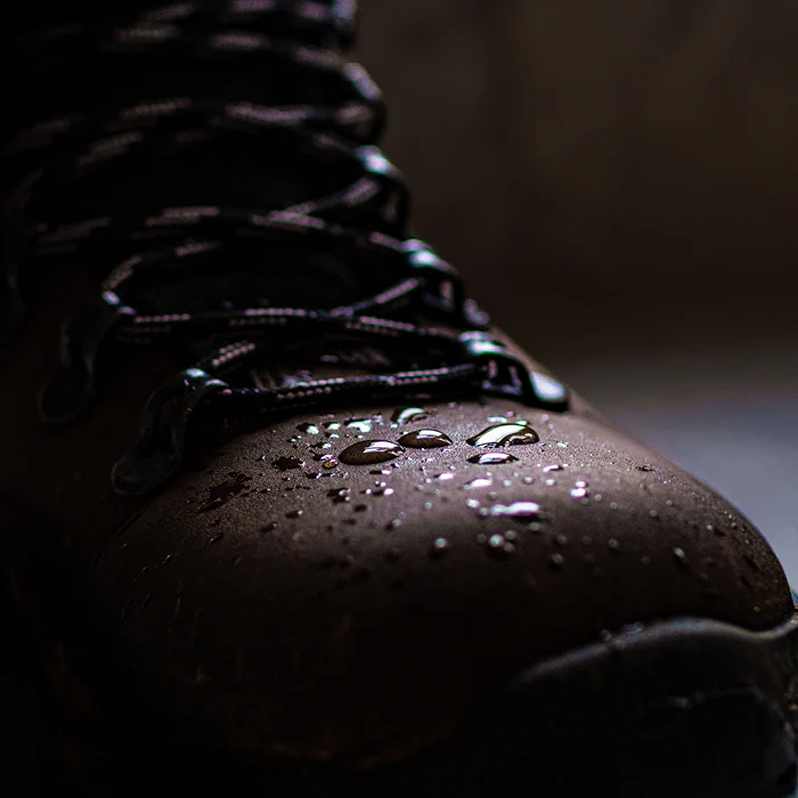
V.GAN Waterproof vegan hiking boots are the ideal sustainable swap, if you like climbing England’s mountains or going on walking trails. These boots are top-quality, easy to clean and will last for years.
Ethically made in Tunisia, the uppers are scuff-resistsant and the boots themselves are fully waterproof, with sealed seams, a bellows tongue and a special breathable membrane.
The Vibram rubber injection outsole has been designed for grip, traction and stability. And the footbed is super comfortable. Also in black.
Use this discount code for automatic £10 off your order.
Why choose vegan hiking boots?
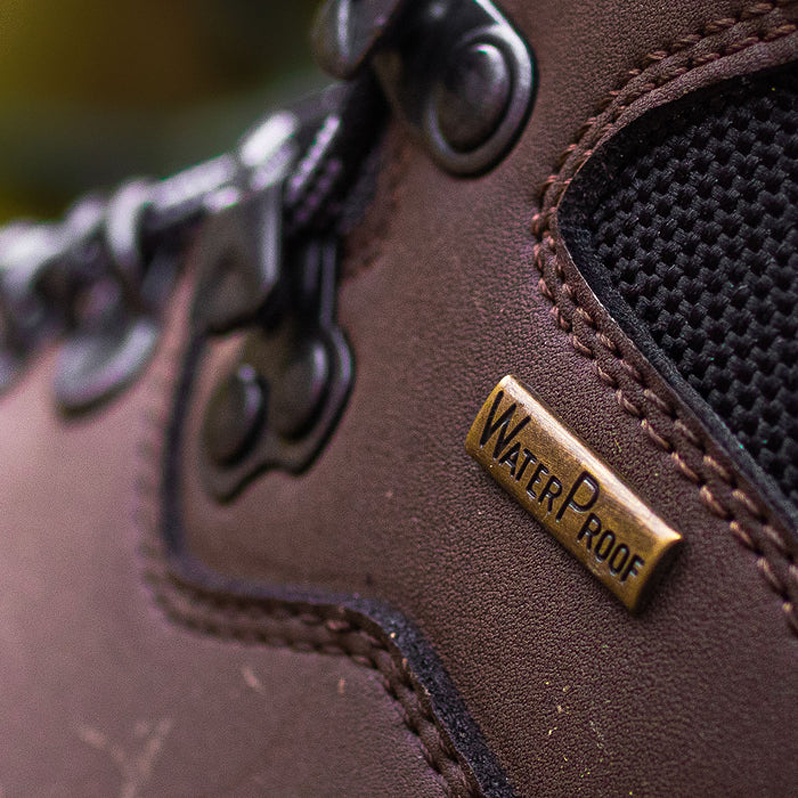
Hiking boots should be good quality to feel comfortable and avoid blisters (and also waterproof to protect from England’s changeable weather).
But conventional leather is not always a by-product of meat. And most brands are made in the Far East, which has few or no animal welfare laws. Plus the leather-tanning industry is polluting to both planet and people.
Instead, choosing quality vegan boots is a better choice. These are made from quality microfibers (not plastic!) so let your feet breeathe. They are easy to clean with a damp cloth (to remove oil stains, just apply a little baking soda to absorb). Remove stubborn stains with a zero waste cotton bud dipped in rubbing alcohol.
Dry wet boots in the shade (avoid direct sun or heat).
Zero waste hiking (leave no trace)
- Never leave litter (not even fruit peels or nut shells as they take a long time to break down). Don’t light fires or barbecues and if you smoke, use a personal ashtray to immediately extinguishe cigarettes.
- Choose biodegradable non-scented beauty/cleaning/laundry products (use at least 70 adult steps away from streams, lakes and rivers). Same for going to the loo!
- Follow the Countryside Code to keep all creatures safe (it’s the law to keep dogs on leads on Open Access land from 1 March and 31 July). Keep them away from high peaks (Nearly Uphill has safety tips). At the coast, keep dogs away from nesting birds and sand dunes (learn how to keep dogs safe by the seaside (check beach bans before travel).
- Sheep on their backs (due to pregnancy or rain-soaked wool) will die if nobody uprights them, due to fermenting grass, as they can’t right themselves. To help, grab a handful of wool on the sheep’s side and gently roll it away from you, to right it back up. Then stay with it, until the sheep recovers and rain has drained off the wool.
- Report farm animal concerns to farmers with a friendly work. If no joy, call RSPCA or Crimestoppers (anonymous).
The Lake District is home to all of England’s tallest mountains. Standing at over 900 metres (around 3000 feet in old money), Scafell Pike is England’s tallest mountain (the nearest town is Keswick), with a rocky exposed summit.
Only for experienced climbers. All mountains should be climbed with care, due to changeable weather (rain, wind, fog and slippery areas). Only climb mountains if you’re fit, and carry proper gear.
Scafell Pike is not a mountain to consider if you hike with dogs, due to steep rocky terrain. For gentler fell walks, Nearly Uphill has an excellent post on dog safety.
There are various ways to climb the mountain, the two most popular being from Wasdale (the most direct route but with a steep path) and from Seathwaite (a longer less direct route).
If you do attempt to climb this (or any other mountain), ensure you take not just usual climbing gear (layers, waterproofs, map, compass and first aid kit), but a torch and food/drink, in case it gets dark before you arrive back.
Also check Met Office mountain forecast, as wind on the ground can be treacherous at the summit. Let people know your plans, and when you expect to be back. In emergencies, call 999 and ask for Mountain Rescue.
Composting toilets on Scafell Pike?
Although composting toilets are a great environmental idea, there are kerfuffels over plans to install them on Scafell Pike. A petition by 100,000 people has now gone to the local council.
Many local residents (and climbers) say that up to now, people who climb the mountain simply bring their ‘waste’ back with them. Just like you would, when walking dogs!
One local says ‘Alfred Wainwright wouldn’t have accepted this, and neither will we. I hope they’re ready for a fight. Hasn’t anyone heard of ‘leave no trace?’ Everything you take with you onto the mountain, you take off with you. And that includes your own s***’.
Other lake District mountains and fells
There are far too many to list here. A fell is simply a small mountain, so combined there are well over 200 of them. The other three mountains over 3000 feet are:
- Sca Fell is next door, and slightly less tall, but more rugged and mountainous.
- Helvellyn is a big classic mountain, with views over Ullswater. The narrow ridges and steep drops are not good in high winds or ice. And don’t climb this if you don’t like heights!
- Skiddaw has a long steady ascent, with broad panoramas that open up as you climb. It’s less bouldery than some, which some walkers prefer while they find their ‘mountain legs’.
The Old Man of Coniston stands about 803 metres tall, making it one of the taller peaks in the southern Lake District. With a rich mining heritage, you’ll see old copper mine remains on your way down (or up, depending on which way you’re going). The easier ascent is from a nearby car park (the route from the village is much steeper).
The reward is views across Coniston water. Very appealing to those who like mountain scenery and a touch of industrial history, beneath their feet.
Haystacks may not be the tallest (just over 597 metres) but holds a legendary place among Lake District walkers. It was a favourite of Alfred Wainwright (his ashes are scattered near the summit). This author of fell walks called it a quiet and lonely place’, that he nonetheless adored.
Catbells is a gentle introduction to the Lake District fells, one of the best for beginner hikers at just 451 metres. However there are still gaps between pillars, so always take care.
Langdale Pikes form a sharp and striking group of peaks. They rise somewhat higher but remain accessible for those with moderate walking experience. Harrison Stickle and Pike of Stickle have exciting ridges and dramatic shapes that are hard to miss.