Tech to textiles (how to recycle nearly everything)
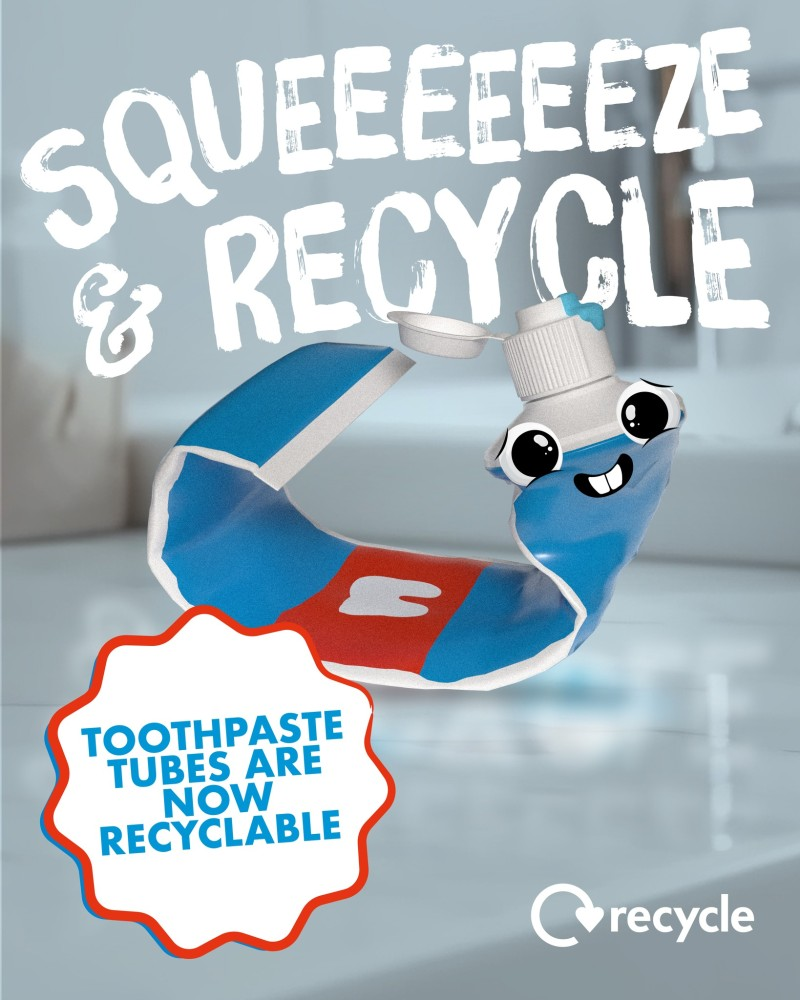
Most councils now recycle a lot of things (even soft plastics – if not, you can take them to supermarket bag bins). But if you have things you don’t know what to do with, here is a quick guide.
It’s good to ask your council to send an up-to-date leaflet, as each one differs. Some also offer food waste bins.
If you don’t have a food waste bin, then just bin pepper and allium scraps (onion, garlic, leeks, shallots, chives) and tomato, citrus and rhubarb scraps, as acids could harm compost creatures.
Same with tea and coffee grounds due to caffeine. Use a SinkShield to prevent clogged sinks.
Enter your postcode at Recycle Now to find where to recycle anything. Avoid ‘wishcycling’, as machines can’t guess, and wrong items end up getting binned.
Most councils collect:
- Paper, card and magazines (remove greasy parts of pizza boxes – you CAN recycle window envelopes, machines can separate the plastic).
- Glass (lids stay on, rinse to avoid tempting wildlife). Read which glass you can’t recycle.
- Before recycling cans, rinse and remove lids (or pop ring-pulls over holes). Then step on upper parts to pinch rims together, to avoid trapping wildlife. Set up a can/foil recycling scheme to raise money for communities. You can also recycle empty aerosols (others must go to hazardous waste).
What other places collect for recycling
- Boots and Supermarket accept beauty packaging in bins.
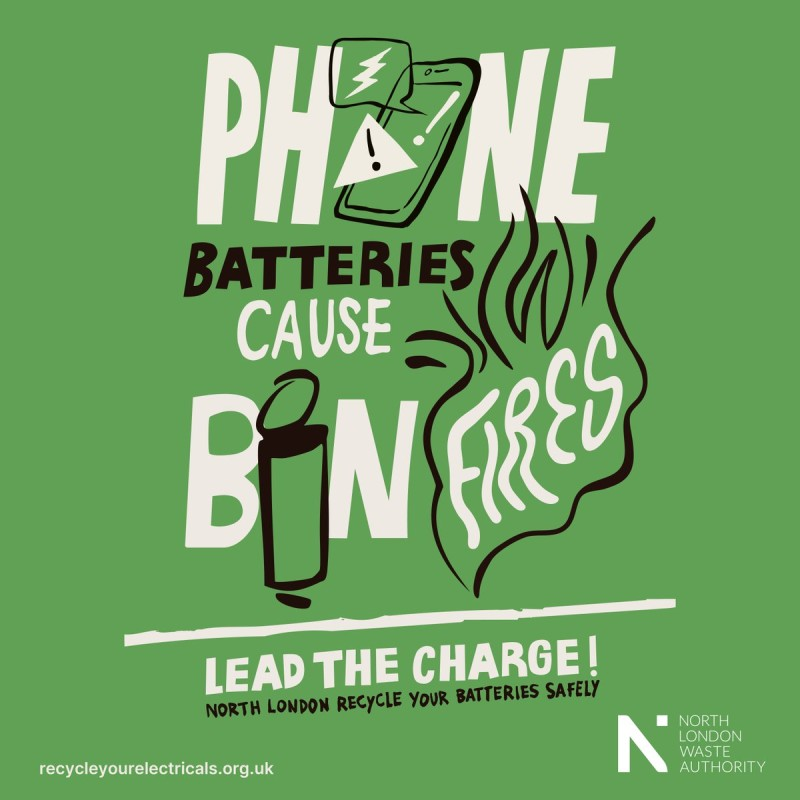
- Learn how to recycle mobile phones and printer cartridges.
- Bin small amounts of cooking oil in kitchen towel. For larger amounts, use an oil recycling bin.
- Community Repaint accepts paint from households & businesses.
- Recycle medicines and supplements at pharmacies.
- Recycle spectacles and contact lenses at opticians.
- Stores that sell batteries (including watch batteries) and electronic goods must take items back by law (even if you don’t buy new). Companies selling mattresses/carpets offer take-back schemes.
Donate clean good condition clothes to charity shops (that don’t test on animals). Stained/damaged clothing (even undies) can be deposited at textile banks and recycled into industrial goods.
For hard-to-recycle items, offices/communities/schools can order TerraCycle (some are paid by sponsors, others charge). When full, they are sent off in prepaid boxes for making into other things.
You can also order a Zero Waste Bag holds 7 litres of waste. Sent off by InPost, it can take:
- Coffee capsules & pods
- Medicine blister packs
- Plastic packaging, crisp packets & wrappers
- Beauty, dental and contact lens packaging
- Office supplies and storage media
- PPE (disposable face masks etc – snip strips beforehand)
- Fabrics & clothing
- Food & drink pouches (and pet food packaging)
- Water filters
- Non-electronic toys
Things that you have to bin
- Dirty nappies and feminine care
- Black bin bags (use eco bin bags)
- Disposable coffee cups & porridge sachets
- Half-empty cleaning bottles (take to hazardous waste).
- Plastic sticky tape (use paper packing tape).
- Christmas crackers (due to plastic and glitter)
- Disposable cotton wool & cotton buds
- Old pots and pans & Pyrex dishes
- Batteries, vapes and gas canisters (recycle in shops)
- Animal poop and anything with food, oil or paint
- Mirrors & drinking glasses)
- Old lightbulbs (wrap in thick paper and bin, stores take LED bulbs for recycling)
- COVID-19 tests and PPE (‘snip strips’ of disposable face masks, to avoid tangling wildlife at landfills). Do the same if you see any littered (place in a covered bin).
- Bin old toys, baby mattresses and car seats (these could contain mould and be dangerous if passed on).