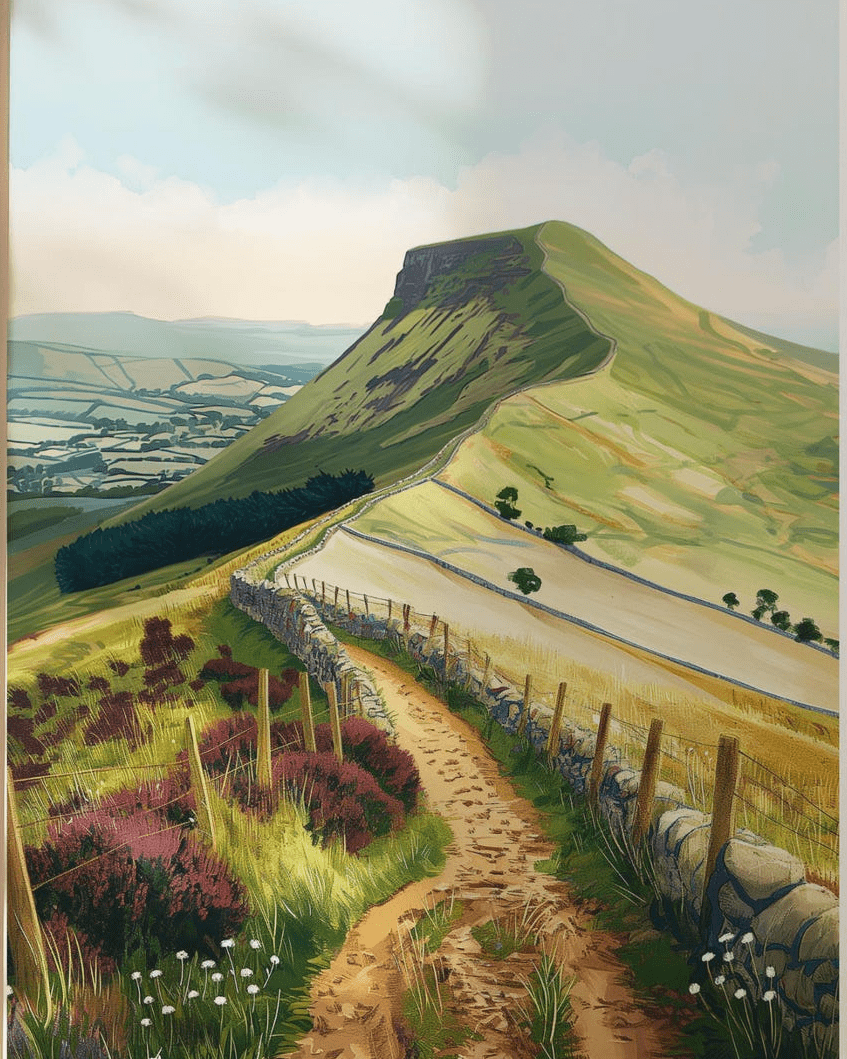
England’s Rainiest Places (where are they?)

Here’s a list of the wettest places in England (Preston nearby is apparently the wettest city). But you’ll find that nearly all the wettest places are in The Lake District (England’s largest National Park).
While in the south, the pavement can be dry in a few hours, here you can be soaked to the skin in a downpour, and it just rains and rains and rains!
How to Upright a Sheep (on its back)

If you are out walking and find a sheep on its back, you must act immediately, or the sheep could die, before the farmer finds him/her.
In many places (like Cumbria) there are more sheep than people out-of-season. And farmers have a constant struggle looking after sheep, due to the grass never drying out (causing foot rot).
Although many sheep fall over due to pregnancy, others do so, due to wool coats becoming soaked with rain.
Always follow the Countryside Code, to keep dogs & livestock safe.
Sheep don’t sleep on their backs, due to having four stomach chambers.
To help:
- Gently approach the sheep on its back.
- Grab a handful of wool, and upright. Here’s a quick video.
- Keep hold of the sheep if it fell due to rain, to ensure heavy rain has drained off the wool.
- Say goodbye. The sheep will run off and likely join the flock.
- Alert the farmer, if you can. He or she will most definitely thank you!
Why Does it Rain So Much in the Lake District?
The Lake District (England’s largest National Park) is officially the wettest place in England. Here you can be soaked to the skin within minutes of a downpour.
So why is this area of northwest England rainier than everywhere else? It’s all to do with the nearby Atlantic Ocean, which carries large amounts of moisture from the wind. Mountains (all of England’s highest ones are here) force air to rise. This causes ‘orographic lift. As air rises and cools, it can’t hold moisture, so water vapour then condensed into rain clouds – and lots of them!
Many areas of southern England instead have ‘showers’ which usually fall from individual clouds, with dry sunny intervals in between. In Sussex say, you could have a downpour and the pavement will be dry within an hour.
But in Cumbria, that doesn’t happen. The ground stays wet for ages, which is why farmers have a constant battle using sprays to prevent foot rot on sheep, as the grass never dries out in winter.
The Met Office will always describe this kind of heavy rain in forecasts as ‘prolonged’ or ‘persistent’ rain.
So it’s time to don your natural rubber wellies and sustainable raincoat, and put up your windproof brolly.
Here’s a quick lowdown on England’s rainiest places!
- Seathwaite, Cumbria (in the Borrowdale Valley) is the wettest inhabited spot in England, with over 3,500 millimetres of rainfall (four times the national average).
- Sprinkling Tarn, Lake District. Perched high above Borrowdale, this has rain in thick sheets, and surroundings peaks (Great End and Seathwaite Fell), scoop up Atlantic storms.
- Grasmere, Lake District. Wordsworth’s home is also one of the wettest areas, that’s why it’s so green! Just shy of 2,800 millimetres a year.
- Keswick, Lake District. Sitting under Skiddaw’s dark slopes and beside Derwentwater, the town collects just over 2,600 millimetres of rainfall a year.
- Whinlatter Pass, Cumbria. The high ridge, carved into the northern Lakes, acts as a net for rain from the west. This narrow pass receives nearly 2,500 millimetres each year.
- Shap, Cumbria. High on the eastern edge of the Lake District, Shap feels the full force of passing weather fronts. Here, over 1,500 millimetres of rain a year falls on open ground.
- Honister Pass, Lake District. This is carved by carved by ancient glaciers and constant streams. Rain collects here, drawn in by the surrounding peaks. The pass sees above 2,700 millimetres of rain.
- Glenridding, Ullswater. The village of Glenridding, at the southern tip of Ullswater, soaks in the rain and keeps its lakeshore bright. Almost 2,200 millimetres of water fall every year.
- Buttermere, Lake District. Tucked away between high ridges, Buttermere stays wet. It averages more than 2,000 millimetres of rainfall a year.
- Capel Curig, Snowdonia. Just across the Welsh border, this has over 2,900 millimetres of rain, puffy clouds tumbling in from the Irish sea.
How to Stay Safe During Thunderstorms
- Keep a safe distance from trees and metal objects (umbrellas, golf clubs, motorbikes, wheelchairs, tent poles).
- Stay inside cars (fabric tops could catch fire, if struck).
- If exposed, squat close to the ground with hands on knees, and tuck head between them, touching as little of the ground with your body (don’t lie down).
- If your hand stands on end, drop to the above position immediately.
188 Words for Rain (a damp tour of the British Isles)

Rain is more than just water from the sky. And in England, we have lots of rain, and like to spend a good portion of our lives talking about it!
Here’s a book to expand your vocabulary, so you can make your weather conversations even more interesting
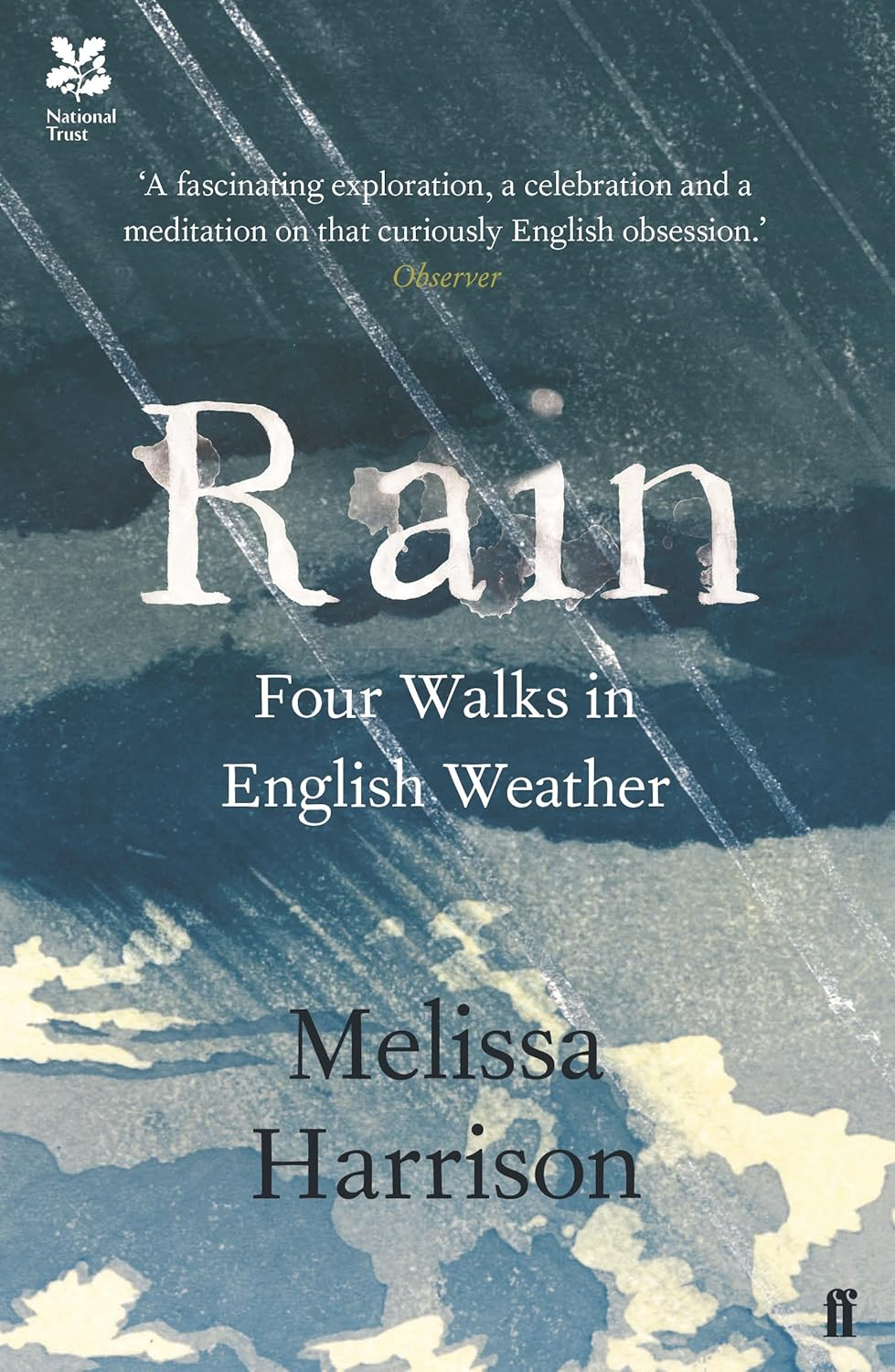
188 Words for Rain takes us on a delightfully damp tour of the British Isles. England and surrounding islands have so much drizzly weather, that there are hundreds of words for the rain. From a ‘light smirr’ in Aberdeen to ‘it’s raining knives and forks’ in the Brecon Beacons.
Write and puddle-splasher Alan Connor digs deep into the meaning and quirky histories of words for rain. He gets caught in a ‘plash’ in Northumberland, and ponders why people picnic-in-the-car when it’s raining. In this charming and witty celebration of our national obsession.
Like many of rain words, kelsher is not said only in the west country. It’s used in Lancashire, and by earth scientists and minerologists, and always means the same thing. Heavy and brought on by strong wind.
Petrichor is the name that two Australian scientists came up with, when they saw that the English language lacked a word for the aromas released, when rain hits soil, catches its scent and bounces it into the winds.
Not Much Rain
- Drizzle. This is light rain with small drops that fall close together, on a blurry damp day, where you can go for a walk, without getting soaked.
- Spitting. This is so light, you can almost count the drops!
- Sprinkle. This means a few drops, just a sprinkle, you may even wonder if its’ raining? It rarely lasts and won’t stop your plans.
- Mizzle. This is soft rain, even finer than drizzle. This is common in southwest England, where it’s ‘damp’ but not always raining.
- Shower. This is a short burst of rain that can be light or heavy, when the sun soon peeks out. Common in southern England as ‘scattered showers’.
- Pattering. This is rain that makes soft sounds as it drops on leaves, the ground or windows. It paints a cosy picture of gentle rainfall, often in mornings and evenings.
- Smattering. This is the same, but with even fewer drops, hardly enough to dampen the ground.
- Mist. This is not rain, but makes everything wet! Mist forms when tiny drops in the air settle on skin, clothes and hair. Common in mornings and evenings, leaving the grass (and roads) damp.
- Liquid Sunshine. This cheerful term is when it’s raining but the sun still shines. Ideal conditions for to spot a rainbow.
- Squall. This is rain with sharp wind, which can turn ‘gentle rain’ into chaos in seconds.
Lots of Rain!
- Downpour. This is heavy rain that falls fast and hard, and soaks you to your undies. Common in Cumbria, this is when people run for cover!
- Rainstorm. This is a serious amount of rain, often with wind and sometimes thunder. Stay inside with a good book, as this rain can last for hours, and sometimes cause floods.
- Sleet. This is a mix of rain and snow, which can make roads slippery. It’s not pure rain, as it partly freezes on the way down from the sky.
- Torrential Rain. A huge amount of rain in a short time, which soaks you to the skin, and makes for poor visibility.
- Cat-and-Dogs Rain. It’s raining cats and dogs’ is a slang phrase for heavy rain. But it’s not scientific!
- Deluge. A flood of rain, much heavier than a downpour and covers vast areas, can even cause streets to flood and rivers to burst their banks. This is rain that appears on news bulletins.
- Bucketing Down. This again is a slang phrase, a playful term of ‘sheet rain’ like someone is pouring a bucket of water over your head!
- Cloudburst. This is an extreme downpour that comes out of nowhere. Clouds open up, and let everything go at once!
- Dreek. This is a Scots word for dull, damp and chilly weather. When someone says ‘it’s dreek outside’, expect persistent rain and grey skies.
- Monsoon. We don’t have this kind of rain in England, it comes with seasonal winds in Asia and Africa. Can last for several days.
The Waterlands (follow a raindrop from source to sea)
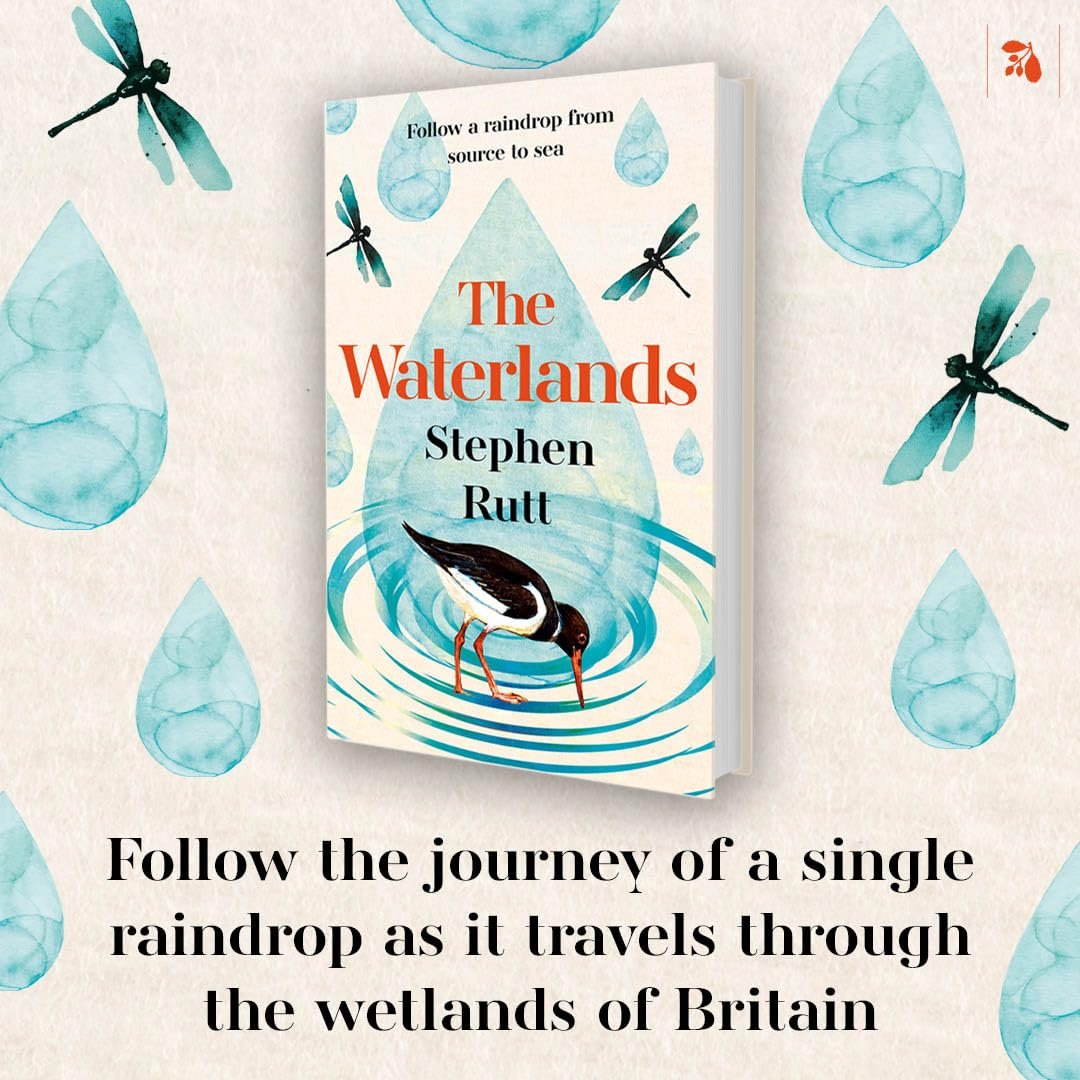
The Waterlands has been described as ‘a masterpiece’, as the author explores how water falls to the earth from the sky as raindrops, and splashes into hillsides to merge with rivers, to reach the sea.
This is the story of one of the world’s most miraculous substances: water. Follow a raindrop as it flows through diverse landscapes:
- River sources in the upland moors
- Saltmarsh-flanked firths and estuaries
- Serene and spectacular lochs
- Crystal-clear chalk streams
- Blanket bogs and peat
On this epic journey, you’ll join the raindrop to discover how water shapes the land and shapes our lives – and how we shape it in return. Beautifully blending geography, ecology, climate writing and social history, this is an urgent call to protect our planet’s most essential resource.
You’ll never look at a raindrop the same way again!
This is a book that leaves you looking at rain, rivers and land itself with fresh wonder and responsibility. Ruby Free (conservation biologist)
In an age of floods, droughts, polluted rivers and shrinking lakes, this imaginative retelling of the water cycle beautifully illuminates the vital importance of water and wetlands to all life on earth. Julian Hoffman
Heartening evidence of how quickly our wetlands can start to bounce back, once left to their own devices. Birds and insects return, grass grows longer and trees take root. Financial Times
Stephen Rutt is a writer and book reviewer, who lives in Scotland.
The Science of Raindrops (not shaped like tears!)
Raindrops are something we are used to in England, as it rains quite a lot! The north west of England by far has most rain (you’ll get soaked to your skin if caught in a downpour). While in the east it rains less. And in the southeast it rains more, but the sun tends to dry up pavements within hours.
Contrary to myth, raindrops are not shaped like tears, they just appear that way when they land on a window. They are actually small and flat (like a bun) or the shape of a jellybean. You can also get ‘phantom rain’ that evaporates before hitting the ground.
Caught in a downpour? Invest in a windproof umbrella that won’t blow inside out and lasts for years (as long as you don’t leave it on a bus).
Some raindrops are actually snowflakes, that melt as they fall into warmer air. They also leave a lovely scent (petrichor) caused by oils released from plaints and soil-dwelling bacterial. That’s why you get that lovely earthly smell from after rainfall.
How much rain does England get?
Not nearly as much as you’d think (around 135 days on average, so a third or so?) This is nothing like say some places in India (in 1861, Cherrapunji had the heaviest on record, 905 inches in one year).
January is England’s wettest month, followed by February and late autumn. And while the northwest is the rainiest, again we don’t get nearly as much rain as Scotland, by far the wettest part of the UK.