How to Grow Your Own Organic Pears
Pears are a fruit that it’s always best to find homegrown, as most supermarkets pears are rock-hard, under-ripe and shipped frozen from abroad. Related to roses, there are over 3000 varieties of pears worldwide, and unlike most fruits, they ripen best off the tree (which is why they are often are sold unripe in stores).
Cultivated since 1100 BC (they are from China), they are often called ‘butter fruit’, as a fresh ripe juicy pear has smooth melt-in-the-mouth flesh. They are also highly digestible, which is why they are one of the ‘first mashed foods’ for babies and also good for sensitive tummies.
Low in calories but high in fibre, they are also good for fibre (potassium is good for blood pressure and lowering cholesterol). Ancient Greeks used pears to treat nausea.
What you need to grow organic pears
A tree! Like many English fruits, pears grow on trees, although in England it’s important to choose disease-resistant varieties to suit our cool damp climate. Concorde is a good organic choice, as is Conference (especially for northern cooler regions). For smaller patios and pots, buy smaller trees!
Plant bare-root trees during the dormant season between November and March, to avoid waterlogged or frozen soil. Pick a sunny sheltered spot (pear trees flower early spring, so blossoms are vulnerable to frost damage – a south or west-facing wall is ideal.
- Read up on pet-friendly gardens for plants and mulches (like cocoa) to avoid
- Use humane non-toxic methods to deter slugs/snails
- For indoor plants and greenhouses, use Feather Friendly bird tape to stop birds flying into windows (avoid facing indoor plants to face gardens).
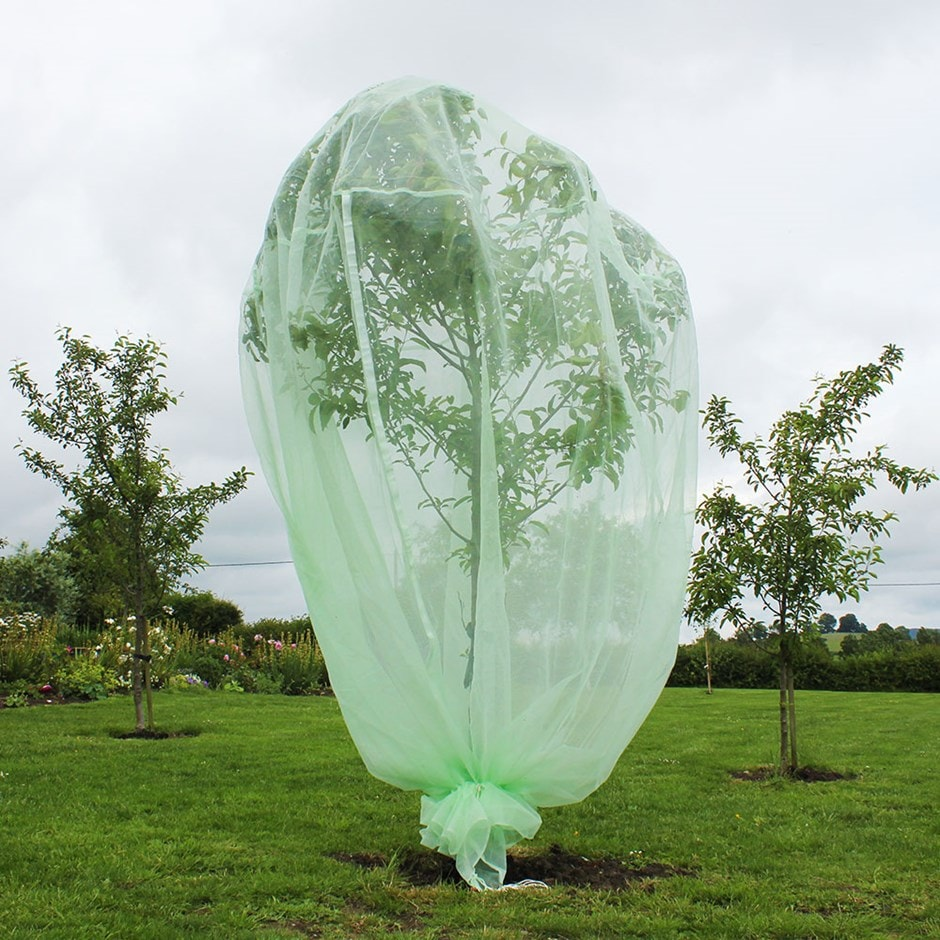
Use fruit tree protectors (never use netting as this can trap birds and wildlife). Remove during flowering to let bees pollinate, or no fruit will develop.
Pears thrive in deep fertile, well-drained loam soil, with lots of good garden compost to enrich the soil. Apply a thick layer of organic mulch around the base each winter to lock in moisture and suppress weeds (keep a 2 to 3 inch gap between the mulch and trunk to prevent bark rot, and water deeply during dry summer spells).
Pears shed some young fruit in mid-summer. After this, thin out remaining clusters to leave one pear per cluster, for larger fruits and to prevent heavy branches from snapping. Organic gardens will naturally attract birds and other wildlife to eat up unwelcome visitors.
Where to buy sustainable pear trees
If you can’t find sustainable pear trees, buy from Tamar Organics (pear, medlar and quince trees).Pear trees can also be found at Tree 2 My Door and Tom the Apple Man.
Just over the border in Wales, Tyn Y Berllan Nursery offers sustainable apple and pear trees, grown by a couple who offer this wonderful online wildlife-gardening course!
Ways to eat fresh organic apples
Pears are best avoided for people with ISB (can trigger gas and bloating). Same for Crohn’s disease, colitis or diverticulitis. They should also be avoided for people with birch pollen allergies, people on blood-thinners and diabetes.
Avoid pears for small children and swallowing difficulties.
Keep pears away from pets due to fruit/pips seeds with natural cyanide. Domestic rabbits and guinea pigs should only have as occasional treats (remove the core and seeds). Cut into a thin slice for rabbits or tiny 1-inch cubes for guinea pigs.
- Eat them as they are – organic pears are delcious!
- Slice and pair with good vegan cheddar
- Also pear with good vegan blue cheese (avoid for pregnancy/nursing).
- Grate raw pear directly into oatmeal.
- Layer diced pear with thick plant-based yoghurt