How to Grow Your Own Organic Peaches
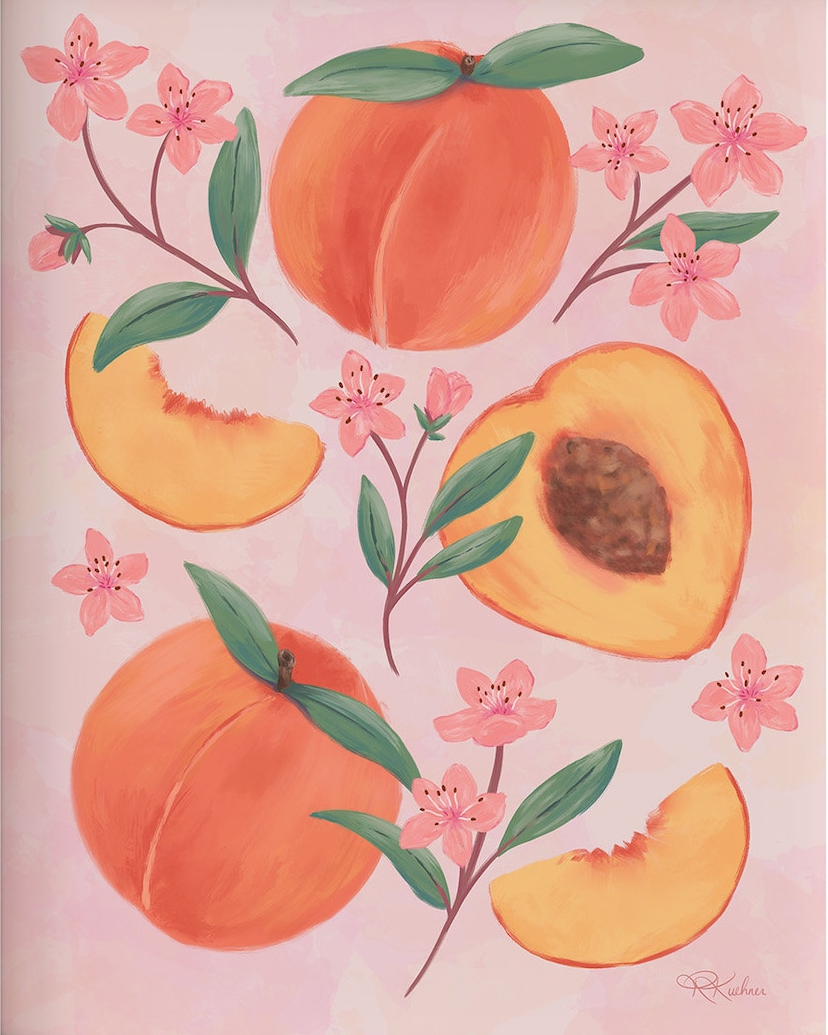
Peaches are often a favourite fruit for many (nectarines are biologically the same, just without the fuzzy skin). Related to roses, they originate from China and are packed with vitamins A and C (antioxidants to keep you young and beautiful!) A fresh peach is nearly all water, so it’s a great hydrating snack for summer days.
Peaches also contain natural compounds to help anxiety (in Hungary they are called ‘the fruit of calmness!’) In Georgia (USA), the fruits are so popular, it’s even called ‘the peach state!’
If you buy peaches that are too firm, pop them in a brown paper bag with a banana for 24 hours, to speed up natural ripening.
What you need to grow organic peaches
Ooh – not the easiest fruit to grow! Peach trees flower early in spring, so our rainy climate means they are vulnerable to late frosts and peach leaf curl (a fungal disease). The best choice is Avalon Pride as this boasts the highest natural resistance for organic growing. Rochester is also pretty hardy, as it flowers later. You can also find miniature peach trees for small spaces.
Most peach trees need extra help in England, unless you live somewhere like the Isles of Scilly! So use the ‘warm wall rule’ (plant your tree against a sheltered south or southwest facing brick wall or fence, which can absorb solar rays and radiate warmth back to the tree at night). Growing mini-peach trees in a polytunnel or greenhouse is another option.
- Read up on pet-friendly gardens for plants and mulches (like cocoa) to avoid
- Use humane non-toxic methods to deter slugs/snails
- For indoor plants and greenhouses, use Feather Friendly bird tape to stop birds flying into windows (avoid facing indoor plants to face gardens).
Use fruit tree protectors (never use netting as this can trap birds and wildlife). Remove during flowering to let bees pollinate, or no fruit will develop.
To prevent peach leaf curl, buy a temporary clear lean-to-tent over your wall-trained tree (keep the ends open so pollinating insects can still enter and exit (never use netting). Keeping budding twigs dry breaks the fungal lifecycle. Strip off any red puckered blisters (bin them, don’t compost). And rake up fallen foliage to prevent spores from overwintering in the soil.
Plant bare-root peach trees during winter between November and Marsh, in deep fertile moisture-retentive loan that drains well (to avoid root rot). If planting against a wall, place the base 30cm out from brickwork and lean the trunk slightly back towards the wall.
Peach trees like deep watering at least weekly during dry spells, with a top-dressing of rich compost in early spring (avoid high-nitrogen fertilisers). Manually thin clusters to ensure good space and branches snapping. Like plum trees, peach trees should never be pruned in winter, as this exposes open wounds to silver leaf disease (instead, prune after your summer harvest).
Where to buy sustainable peach trees
If you can’t find sustainable peach trees, buy online from Tree 2 My Door. The range includes a tiny peach tree for tiny spaces!
Ways to eat fresh organic peaches
Avoid peaches for stone fruit allergies, IBS and medicines that cause your body to retain potassium (also moderate for gout, due to uric acid).
Avoid peach chunks for small children and swallowing difficulties.
Keep peaches away from pets due to fruit/pips seeds with natural cyanide. Domestic rabbits and guinea pigs should only have them as occasional treats due to sugar (remove the stone and all seeds). Feed maximum 1 tablespoon to rabbits and one small thumb-size slice for guinea pigs.
- Eat them as they are – organic peaches are delcious! To avoid getting covered in peach juice, run a sharp knife around the peach, twist to separate, remove the pit and eat with a spoon. Or sliced into wedges. Or just go for it – leaning over a plate so drips go on that instead of your clothes!
- Slice into thick plant-based yoghurt
- Dice into morning porridge
- Grill halved pitted peaches for a few minutes, and serve with vegan vanilla ice cream
- Blend with a banana, oat drink or yoghurt for a smoothie
- Muddle a few peaches slices in a glass, before pouring in iced tea or lemonade.