Helping to Preserve England’s Village Ponds
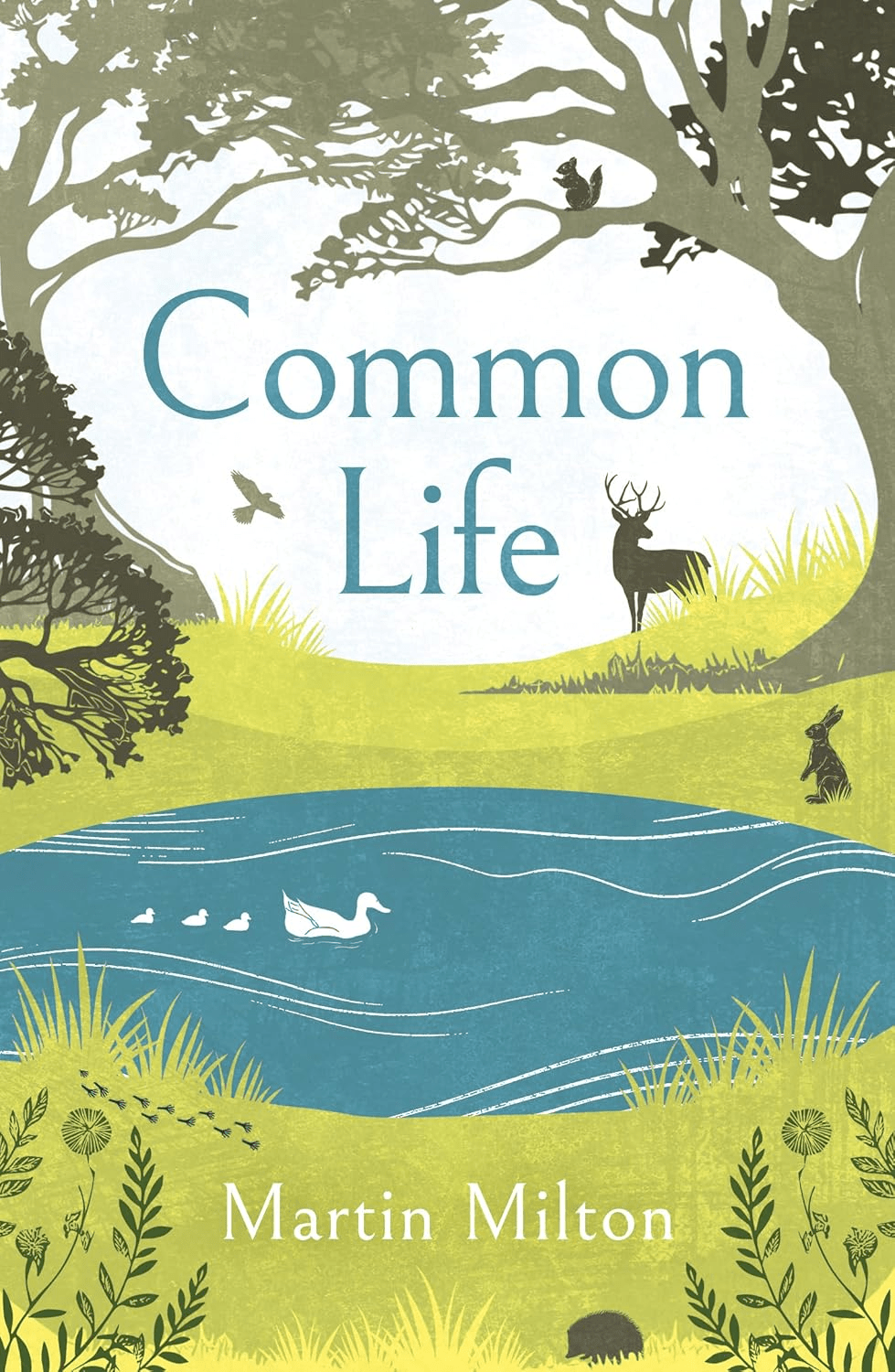
Common Life is a unique book by a man who observes the life at local common ponds. He watches a fragile yet determined duckling emerge into the world. From the best to Middledown Pond, each step is fraught with danger. As rustles in the underbrush and ripples on the water, pose potential threats.
Above, a young squirrel tests her instincts, leaping confidently from branch to branch. Below, swans shepherd their cygnets, scanning the shoreline for danger.
Summer arrives. And now (the book was written after the pandemic lockdown), wildlife who have become accustomed to human absence, face new chaos. Along with birds of prey that adjust their hunts, as unfamiliar feet flatten the grounds. The woods become a refuge, but also somewhere new with unfamiliar voices.
Autumn calls for mating. The deer rut begins, with hooves pounding and antlers clashing. However, this time the ritual is disrupted by crowds and phones, causing a proud stag to falter and his harem to scatter, breaking the old order.
And in winter, the squirrels form an alliance with crows, to adapt to human presence. Foxes thrive in urban sprawl, rewriting territory and the rules of success. And with told ways broken, how will the common recover?
This is a wonderful book to see the sometimes negative effect that humans have on the wild order. Of course during the pandemic, we saw countless examples of wild creatures thriving.
In the Mediterranean sea, orcas kept ramming boats after the pandemic, and no-one could work out why. Later on, marine biologists concluded it was because they had got so used to quiet seas without cruise boats and over-fishing and noise, that they were basically just having ‘orca tantrums’. Quite understandably.
Martin Milton grew up in South Africa, then lived in New York, before moving to London to work as a psychologist. He has always had an affinity for animals, wildlife and nature, which he spends a lot of time photographing between Wimbledon and the Surrey Hills (he won first place in the Autumn round of Art on the Commons competition).
Is It okay to feed swans, ducks and geese?
These creatures naturally live on grass, insects and molluscs. They should in theory be able to find their own food easily, under the water.
If you do choose to feed extra food, Swan Sanctuary says to only feed (occasional torn) lettuce, spinach or fresh (torn) bread is best (throw it on the water, as geese have no teeth). This also discourages wildfowl from coming onto dry land, where they can be at risk from dogs and traffic.
Never feed mouldy/stale/crusty bread nor buttered bread (this smears on feathers, affecting waterproofing/insulation).
Never feed geese on nests, as it upsets brooding and encourages vermin. The Swan Food Project has good tips on what to (and what not to) feed wildfowl.
How to help injured or orphaned wildfowl
Geese sometimes get caught in fishing lines, swallow hooks or suffer from dog attacks. If you see a bird in trouble, call a local wildlife rescue or the RSPCA. Quick action often means the difference between life and death.
It’s illegal to harm wildfowl (or disturb nests). Report to wildlife crime unit (can be anonymous).
Keep rescue numbers handy if you visit water often, and never try to handle an injured bird yourself. These birds are strong and can be frightened easily; experts know how to help safely.